Hypothyroidism in Golden Retrievers
It's a familiar worry for any Golden Retriever parent: your beloved companion isn't quite themselves. Maybe they're a little slower on walks, their once-lustrous coat now seems dull and shedding more than usual, or they just seem perpetually chilly and low energy. These subtle shifts can be incredibly frustrating because they're hard to pinpoint, leaving you wondering if it's just old age or something more. This comprehensive guide will shine a light on one such sneaky culprit: hypothyroidism, a surprisingly common condition in our Goldens, helping you understand its roots, spot the signs, and navigate effective treatment.
Understanding Hypothyroidism: What's Going On Inside Your Golden?
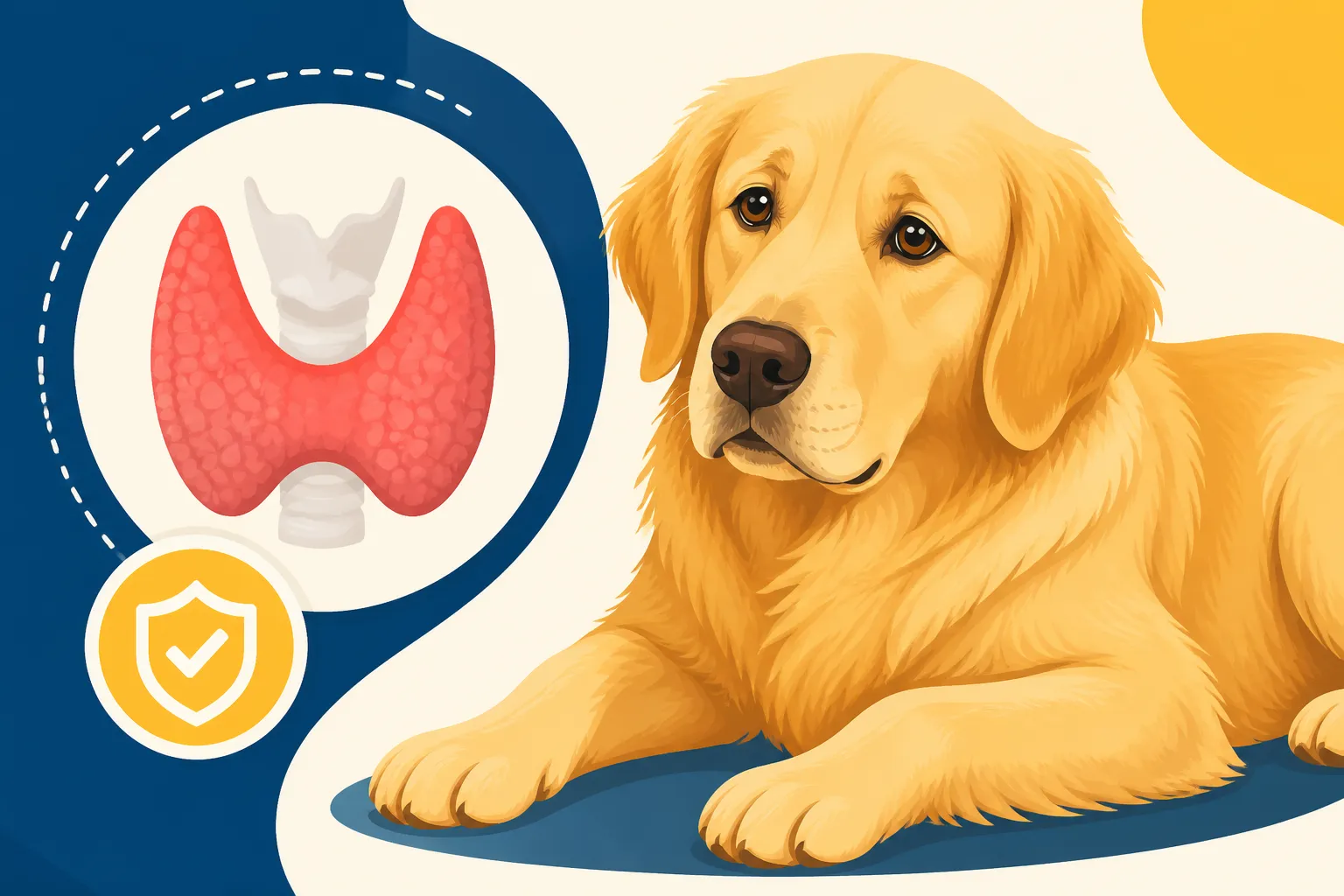
When your Golden Retriever isn't acting like their usual joyful, energetic self, it's natural to feel a pang of concern. Hypothyroidism is one of those conditions that often creeps up slowly, making its presence known through a collection of seemingly unrelated symptoms. At its core, it's a glandular disorder where the thyroid gland, a small but mighty organ in your dog's neck, just isn't pulling its weight.
The Thyroid Gland and Its Crucial Role
Imagine your dog's body as a finely tuned engine. The thyroid gland acts like the master control panel for that engine, producing hormones—primarily thyroxine (T4) and triiodothyronine (T3)—that regulate metabolism. Metabolism isn't just about how quickly your dog burns calories; it's a fundamental process that impacts nearly every cell in their body. These hormones influence everything from heart rate and body temperature to skin health, energy levels, and even mental alertness. When the thyroid gland produces too little of these vital hormones, the entire system slows down, leading to the wide array of symptoms we associate with hypothyroidism. It's like trying to run a marathon on a half-empty tank, but instead of just one system, every single bodily function is affected.
Primary Versus Secondary Hypothyroidism in Goldens
When we talk about hypothyroidism in Golden Retrievers, we're almost always referring to primary hypothyroidism. This means the problem originates directly within the thyroid gland itself. The most common cause is autoimmune thyroiditis, where the dog's own immune system mistakenly attacks and gradually destroys the thyroid tissue. Think of it as an internal misfire, where the body's defenses turn on its own healthy cells. Over time, as more and more of the gland is damaged, its ability to produce hormones diminishes, leading to the classic signs of hypothyroidism. Less commonly, a dog might develop idiopathic atrophy, where the gland simply shrinks and stops functioning for unknown reasons. Secondary hypothyroidism, which is far rarer, occurs when the pituitary gland in the brain doesn't produce enough thyroid-stimulating hormone (TSH), which tells the thyroid what to do. Understanding this distinction is important because primary hypothyroidism is what we primarily screen for and treat in Goldens.
Why Golden Retrievers Are Prone to This Condition
It's a disheartening truth that certain breeds carry genetic predispositions to specific health issues, and Golden Retrievers, as wonderful as they are, are no exception. They are, unfortunately, one of the breeds most commonly affected by hypothyroidism, alongside others like Doberman Pinschers, Irish Setters, and Airedale Terriers. The exact genetic mechanisms are still being researched, but it's widely believed that the autoimmune form, autoimmune thyroiditis, has a strong hereditary component. This means that if a Golden Retriever's parents or close relatives had hypothyroidism, that puppy is at a higher risk of developing it themselves. This genetic link underscores the importance of choosing a reputable breeder who screens their breeding stock for such conditions, performing Health Clearances a Golden Retriever Breeder Must Show to minimize the chances of passing on these predispositions. It's a reminder that while genetics aren't destiny, they certainly load the dice, making vigilance all the more important for Golden owners.
Spotting the Subtle Signs: Symptoms of Hypothyroidism in Goldens
One of the trickiest aspects of hypothyroidism is how subtly its symptoms can manifest. It's not usually a sudden, dramatic illness. Instead, it's often a gradual decline that can easily be mistaken for normal aging or other minor ailments. This is why knowing what to look for, even the fainter clues, can make all the difference in catching it early.
Common Physical Changes and Coat Issues
The skin and coat are often the first places where hypothyroidism makes its presence visibly known. You might notice your Golden's beautiful, flowing coat becoming dry, brittle, and sparse, with excessive shedding even outside of their normal "coat blow" seasons. Many owners report a "rat tail" appearance, where the fur on the tail thins dramatically. Their skin can become flaky, greasy, or develop areas of hyperpigmentation (darkening). Some Goldens develop recurrent skin infections, a condition often confused with Golden Retriever Skin, Ear and Allergy Problems, because the compromised skin barrier and immune system make them more susceptible. They might also gain weight despite no change in diet or exercise, a classic sign that their metabolism has slowed down. This unexplained weight gain can put extra stress on their joints, exacerbating conditions like Golden Retriever Weight and Joint Damage later in life.
| Symptom Category | Common Hypothyroidism Signs |
|---|---|
| Coat & Skin | Dull, dry, brittle coat; excessive shedding; slow hair regrowth; "rat tail"; flaky/greasy skin; recurrent skin infections; hyperpigmentation |
| Energy & Behavior | Lethargy, sluggishness; increased sleeping; reluctance to exercise; mental dullness; seeking warmth; sometimes irritability |
| Weight | Unexplained weight gain despite normal food intake and exercise |
| Other | Intolerance to cold; changes in heat cycles (females); slower heart rate |
Behavioral Shifts and Energy Levels
Beyond the physical, hypothyroidism can significantly impact your Golden's personality and energy. The once-bouncy, enthusiastic companion might become noticeably lethargic and sluggish. They may be less interested in walks, playing fetch, or greeting you at the door with their usual gusto. Sleeping more throughout the day is a common report, and they might seem less mentally alert, almost dull or withdrawn. This isn't just laziness; it's a direct consequence of a slowed metabolism affecting brain function. They might also start seeking out warmer spots in the house, even on mild days, due to an increased intolerance to cold. While Golden Retrievers are generally known for their good nature, some owners report a subtle increase in irritability or a decrease in patience as a result of feeling unwell. It's truly heartbreaking to see your usually vibrant Golden losing their spark.
Less Obvious Indicators and Overlapping Conditions
Sometimes, the signs of hypothyroidism are even more subtle, or they mimic other conditions, making diagnosis tricky. For example, some female Goldens might experience irregular heat cycles or even infertility. In rare cases, more severe neurological symptoms like seizures or an unsteady gait can occur, though these are much less common. Hypothyroidism can also exacerbate other health issues. For instance, a Golden already prone to Golden Retriever Arthritis and Joint Decline might show increased discomfort due to additional weight gain. It's also important to differentiate hypothyroidism from other conditions that present with similar symptoms, like certain types of allergies or even Cushing's disease, which can also cause skin and coat changes and weight gain. This overlap means that your vet will often perform a range of tests to rule out other possibilities, ensuring they get to the root cause of your Golden's discomfort. It's a testament to the complexities of canine health that a single underlying condition can present in so many different ways.
Getting a Diagnosis: Testing a Golden Retriever's Thyroid Levels
If you've noticed any of these concerning changes in your Golden, the next crucial step is a trip to your veterinarian. Diagnosing hypothyroidism isn't always straightforward because of those subtle, overlapping symptoms we discussed. It requires a combination of observation, physical examination, and specific blood tests to get a clear picture of what's happening internally.
The Initial Vet Visit and Physical Exam
Your vet appointment will begin with a thorough discussion of your Golden's symptoms, behavior changes, and medical history. Be prepared to talk about everything, from their eating habits and energy levels to any changes in their coat or skin. The more detailed information you can provide, the better. During the physical exam, your vet will look for tell-tale signs like a dull coat, dry skin, thickened skin, and evaluate your Golden's overall body condition. They'll also check their heart rate, which might be slower than normal in hypothyroid dogs, and palpate their neck area, though the thyroid gland itself is rarely enlarged. This initial visit is vital not just for suspecting hypothyroidism, but also for ruling out other potential causes for your dog's symptoms. It’s a detective process, and your observations at home are critical clues in that investigation.
Comprehensive Thyroid Panels Versus Basic Screenings
While a basic blood panel (CBC and chemistry) might show some non-specific changes, like elevated cholesterol, these aren't diagnostic for hypothyroidism. To confirm the condition, your vet will need to perform specific thyroid function tests. The gold standard involves a comprehensive thyroid panel, which typically measures several key hormones:
- Total T4 (TT4): This measures the total amount of thyroxine in the blood. While a low TT4 can indicate hypothyroidism, it can also be low due to non-thyroidal illness (NTI) or certain medications (e.g., steroids, phenobarbital).
- Free T4 (FT4) by equilibrium dialysis (ED): This is considered a more accurate indicator as it measures the biologically active, unbound form of T4. It's less affected by NTI or medications than TT4.
- Thyroid-Stimulating Hormone (TSH): Produced by the pituitary gland, TSH signals the thyroid to produce hormones. In primary hypothyroidism, the thyroid isn't responding, so the pituitary tries harder, leading to elevated TSH levels.
- Thyroglobulin Autoantibodies (TgAA): This test identifies the presence of antibodies that attack the thyroid gland, confirming autoimmune thyroiditis. This is particularly relevant for Golden Retrievers due to their genetic predisposition.
It's important to advocate for a full panel, especially given the nuances of Testing a Golden Retriever's Thyroid Levels. A simple TT4 alone might not give the complete picture, and relying solely on it could lead to a misdiagnosis or a missed diagnosis, causing unnecessary delays in getting your Golden the help they need. These comprehensive tests can be a bit more costly, but they are absolutely essential for an accurate diagnosis, and for many, the investment is well worth it, especially if you have pet insurance like Healthy Paws.
Interpreting Results and Addressing Borderline Cases
Interpreting thyroid test results requires expertise, as it's not always a simple "yes" or "no." A clear case of primary hypothyroidism will usually show low FT4 (ED) and high TSH, often accompanied by positive TgAA. However, some Goldens might have "borderline" results, where some values are slightly off but don't definitively point to the condition. In these situations, your vet might recommend retesting in a few weeks or months, or they might consider a trial of thyroid hormone replacement if your dog's symptoms are strongly suggestive. It's also crucial to consider the timing of the tests; certain medications or even stress can temporarily alter thyroid levels. For these reasons, your vet might suggest an overnight fast before the blood draw. Don't be afraid to ask questions if the results aren't clear, and remember that consistent, thorough Routine Vet Costs for a Golden Retriever and follow-up care are vital when dealing with a condition that can be tricky to pin down definitively.
Managing Hypothyroidism: Lifelong Care and Medication
Once a diagnosis of hypothyroidism is confirmed, it often feels like a relief to finally have an answer. The good news is that hypothyroidism is one of the most manageable chronic conditions in dogs. With the right treatment and consistent care, your Golden Retriever can absolutely return to their happy, energetic self.
The Role of Levothyroxine Thyroid Hormone Replacement
The cornerstone of hypothyroidism treatment is daily oral medication: synthetic thyroid hormone, typically levothyroxine. This medication directly replaces the hormones that your Golden's thyroid gland is no longer producing in sufficient amounts. It's not a cure, but rather a replacement therapy that allows their body to function normally again. Your vet will prescribe a specific dosage based on your Golden's weight and the severity of their condition. It's crucial to administer this medication exactly as directed, usually once or twice a day, and ideally consistently at the same time each day, often on an empty stomach to ensure proper absorption. Within a few weeks, you should start to see remarkable improvements. Your Golden's energy levels will likely rebound, their appetite may normalize, and over time, their coat and skin condition will improve dramatically. This medication is lifelong, meaning your Golden will need it for the rest of their days, but the positive impact on their quality of life is immeasurable.
Monitoring and Adjusting Dosage Over Time
Treatment for hypothyroidism isn't a "set it and forget it" situation. Your vet will want to recheck your Golden's thyroid levels, specifically their T4, typically 4-6 weeks after starting medication. This is done to ensure the dosage is correct and that the medication is reaching therapeutic levels in their bloodstream. These follow-up tests are often timed a few hours after their morning dose to check peak levels. Based on these results, your vet may adjust the dosage up or down. Once your Golden's thyroid levels are stable and their symptoms have resolved, monitoring usually shifts to Why Goldens Need Vet Visits Twice a Year, or at least annually. During these routine visits, your vet will likely recheck thyroid levels to ensure the medication is still effective and that no adjustments are needed. Factors like weight changes or the development of other health conditions can sometimes necessitate dosage modifications, making consistent veterinary oversight key. The costs associated with these regular checks and the medication, such as Lifelong Thyroid Medication Costs for a Golden, are important to budget for, and this is where pet insurance, like a comprehensive plan from Healthy Paws, can provide significant financial support, easing the burden of chronic care.
Nutritional Support and Lifestyle Adjustments
While medication is the primary treatment, supporting your Golden's overall health through nutrition and lifestyle can complement their recovery and maintenance. Ensuring they are on a high-quality, balanced diet appropriate for their life stage is always important. If weight gain was a symptom, your vet might recommend a specific diet plan to help them shed those extra pounds now that their metabolism is returning to normal. Focus on controlled portions rather than free-feeding. Gentle, consistent exercise, once their energy levels improve, is also beneficial for their physical and mental well-being. This doesn't mean pushing them to extremes, especially if they are also dealing with Golden Retriever Arthritis and Joint Decline. Rather, it's about getting them moving regularly, whether it's a leisurely walk around the neighborhood or a game of fetch in the yard. Pay attention to keeping them warm, especially in colder climates, as their intolerance to cold might persist even with medication. A cozy dog bed, a sweater for winter walks, and avoiding prolonged exposure to chilly temperatures can make a big difference in their comfort.
Long-Term Outlook and Prevention for Your Golden
Receiving a diagnosis of hypothyroidism for your Golden Retriever can be concerning, but it's crucial to remember that it's a highly manageable condition. With dedicated care and consistent treatment, your beloved companion can look forward to many more years of happy, healthy life.
Living a Full Life with Hypothyroidism
One of the most reassuring aspects of canine hypothyroidism is the excellent prognosis for dogs receiving appropriate treatment. Once a Golden Retriever is on the correct dosage of levothyroxine, their symptoms typically resolve completely, and they can lead a normal, active life. You'll likely see a return to their playful personality, their energy levels will increase, and their coat will regain its luster. It’s truly remarkable how a simple pill can transform a sluggish, dull dog back into the vibrant Golden you know and love. The key is consistency – diligently administering medication and sticking to the recommended veterinary check-ups. Many Golden owners find that their dog's quality of life improves dramatically, sometimes leading them to wonder how long their dog had been feeling "off" before the diagnosis. It’s a testament to their resilience and the effectiveness of modern veterinary medicine.
The Importance of Regular Vet Check-ups
Even after your Golden is stable on medication, regular veterinary check-ups are non-negotiable. As mentioned earlier, thyroid levels need to be monitored periodically, usually once or twice a year, to ensure the dosage remains optimal. These routine visits are also crucial for a comprehensive health assessment, as Goldens can be prone to other age-related conditions like Cancer in Golden Retrievers and Why the Breed Is Hit Hardest or Golden Retriever Hip and Elbow Dysplasia Explained. Catching any developing issues early is always the best approach. Your vet will perform a thorough physical exam, discuss any changes you've observed, and may recommend other screening tests as your Golden ages. These regular appointments, though an ongoing expense, are an investment in your dog's long-term health and happiness. Having a plan in place for these costs, perhaps through pet insurance like Healthy Paws, can provide significant peace of mind.
Breeding Considerations and Genetic Screening
For those who are considering breeding their Golden Retriever, or for prospective puppy buyers, understanding the genetic component of hypothyroidism is paramount. Because autoimmune thyroiditis is considered a heritable condition in Golden Retrievers, responsible breeders actively screen their breeding stock for thyroid disease. The Orthopedic Foundation for Animals (OFA) maintains a registry for thyroid health, and breeders should provide documentation of normal thyroid function for their dogs. This often involves regular thyroid panel testing throughout the dog's life. Asking a breeder about their thyroid screening practices and looking for OFA thyroid clearances is an important step when Finding a Reputable Golden Retriever Breeder. While a clear bill of health doesn't guarantee a puppy won't develop the condition, it significantly reduces the risk. This proactive approach to Golden Retriever Genetic Tests Worth Running is a vital part of safeguarding the health of future generations of Golden Retrievers and helps to prevent the heartache and expense associated with conditions like hypothyroidism.
Disclaimer
The information provided in this article is for educational and informational purposes only and does not constitute veterinary medical advice. Always consult with a qualified veterinarian for any health concerns or before making any decisions related to your pet's medical care.