Running an Elimination Diet for an Itchy Golden
There's nothing quite as heartbreaking as watching your beloved Golden Retriever constantly scratch, lick, and chew themselves raw. You try everything – different shampoos, flea treatments, maybe even some supplements – but that relentless itch just won't quit. It keeps them up, it keeps you up, and it’s truly frustrating when you feel like you’ve hit a wall. If you suspect your Golden's incessant itching might be tied to something they're eating, an elimination diet can be a game-changer, helping you pinpoint the exact culprits and bring much-needed relief to your furry family member.
Understanding Why Your Golden Retriever is So Itchy
Before diving headfirst into an elimination diet, it’s really important to take a step back and understand the myriad of reasons your Golden might be scratching. Itching isn't always about food; sometimes, it's something simpler, or perhaps more complex, that needs to be addressed first. Ignoring other possibilities could mean putting your dog through a strict diet unnecessarily or, worse, delaying treatment for another condition.
Common Causes of Itching Beyond Food
Goldens, with their beautiful double coats and often sensitive skin, are prone to a whole host of skin issues that can cause intense itching. It's easy to jump to food allergies, but often the problem lies elsewhere. Environmental allergies, much like hay fever in humans, are incredibly common. Pollen, dust mites, mold, and grasses can all trigger an allergic response, leading to itchy skin, paws, and ears. You might notice your Golden gets particularly itchy during certain seasons, which is a big clue for environmental allergens.
Parasites are another huge one, and sometimes they're not as obvious as a crawling flea. Mites, for instance, can cause severe irritation and hair loss, and they're often microscopic, making them hard to spot without a vet's help. Even if you use monthly flea and tick prevention, it's worth a double-check. Dry skin, especially in winter or if your Golden isn't getting enough healthy fats in their diet, can also be a culprit, leading to flaking and discomfort. Sometimes, the primary issue is a secondary infection – yeast or bacteria that have taken advantage of irritated skin from any cause. These infections can be incredibly itchy and often require specific medications to clear up. We've talked extensively about these challenges in our guide on Golden Retriever Skin, Ear and Allergy Problems, and addressing issues like Golden Retriever Hot Spots and What Causes Them is often part of the initial investigative work before you even consider diet.
When a Food Allergy or Intolerance is Suspected
So, how do you even begin to suspect a food allergy or intolerance when there are so many other possibilities? Well, there are usually some key indicators that point more strongly in this direction. If your Golden's itching is non-seasonal, meaning it's a year-round struggle regardless of pollen counts, that's a pretty strong hint. Food allergies don't typically take a vacation.
Another big sign is if the itching is accompanied by gastrointestinal upset. We're talking chronic diarrhea, frequent vomiting, excessive gas, or even just soft, inconsistent stools. Food issues often manifest in both skin and gut symptoms, whereas environmental allergies typically stick to skin, ear, and respiratory signs. Chronic ear infections, where your Golden seems to be constantly shaking their head, scratching their ears, or developing that yeasty smell, can also be a classic sign of a food sensitivity. Sometimes, Goldens with food allergies will also lick their paws compulsively, making them red and inflamed. It's a miserable cycle for them, and for you, trying to figure out the puzzle pieces. If you're seeing a combination of these symptoms, especially if other causes have been ruled out by your vet, it's definitely time to consider an elimination diet.
Preparing for a Successful Elimination Diet
An elimination diet isn't something you just jump into willy-nilly. It requires serious commitment, meticulous planning, and, most importantly, collaboration with your veterinarian. This isn't just about switching kibble; it's a diagnostic tool, and its success hinges on strict adherence.
Consulting Your Veterinarian First
This step cannot be stressed enough: always consult your veterinarian before starting an elimination diet. Your vet is your best ally here. They can help you rule out other potential causes for your Golden's itching, like parasites or bacterial/yeast infections, which need to be treated first. There's no point in starting an elimination diet if your dog has an active ear infection or a flea infestation. Your vet might recommend skin scrapes, blood tests, or allergy testing to get a clearer picture.
Once other issues are addressed, your vet can guide you on selecting the appropriate novel protein and carbohydrate sources, or even prescribe a specialized hydrolyzed protein diet, which we'll discuss in a moment. They'll also advise you on the duration of the diet, what symptoms to watch for, and how to safely reintroduce foods. A good vet-client relationship is invaluable, and they can provide ongoing support and encouragement during what can be a challenging process.
Choosing the Right Novel Protein and Carbohydrate Source
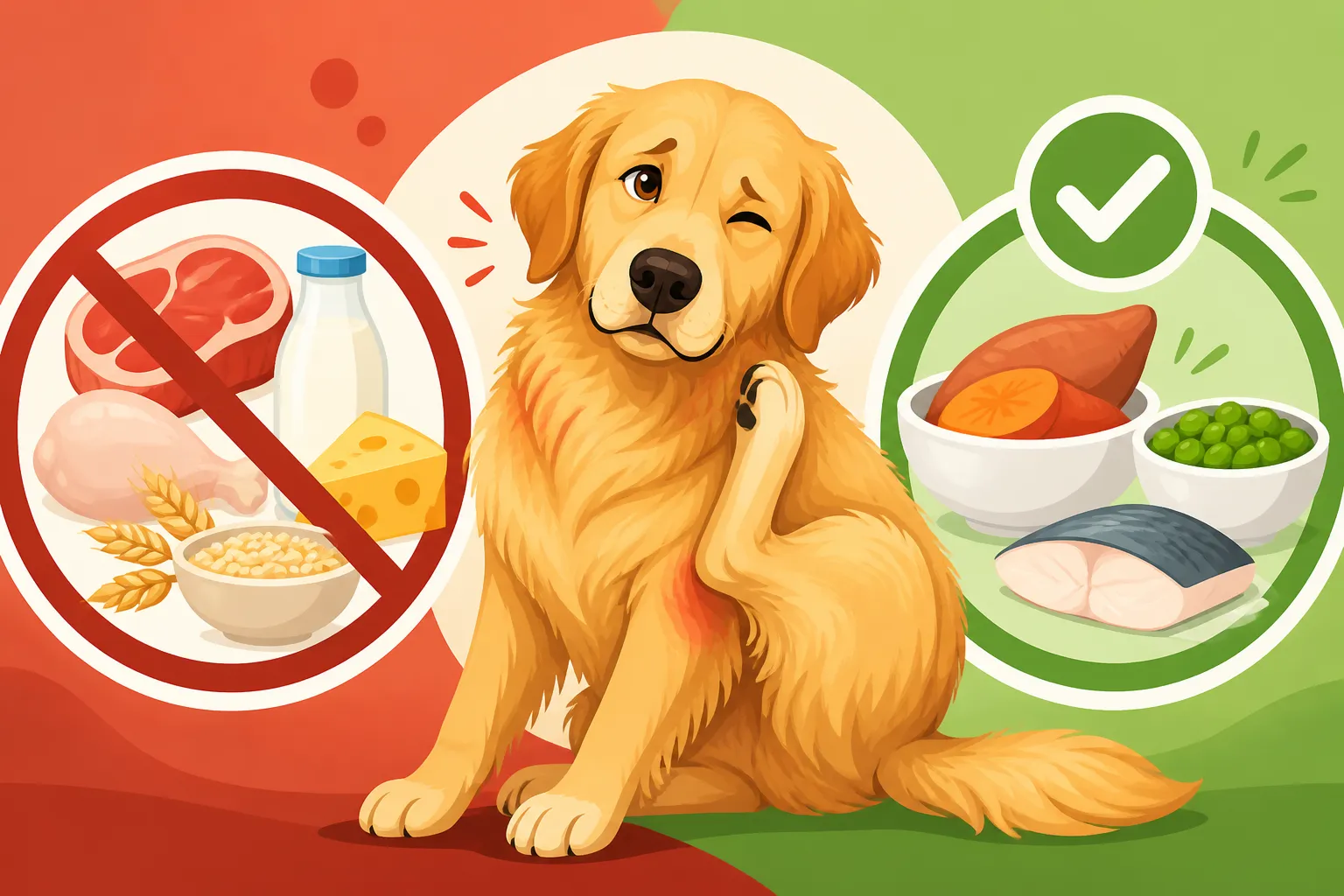
The core principle of an elimination diet is feeding your Golden a diet with ingredients they have never eaten before. This is what we call a "novel" protein and carbohydrate. If your Golden has been eating chicken and rice their whole life, then those ingredients are out. The idea is to find a protein and a carb that their immune system hasn't had a chance to react to.
Common novel protein sources include venison, duck, kangaroo, rabbit, or even fish like salmon or cod, provided your Golden hasn't had them frequently. For carbohydrates, sweet potato, potato, tapioca, or even green peas are often chosen.
You have a couple of main routes for sourcing this novel diet:
- Limited Ingredient Commercial Diets: Some pet food companies offer "limited ingredient diets" (LIDs) specifically designed for this purpose. These typically feature one novel protein and one novel carbohydrate. When choosing one, scrutinize the ingredient list very carefully. Manufacturers sometimes include "hidden" proteins or ingredients that might trigger a reaction. For example, some fish-based diets might still contain chicken fat as a preservative. Always check for third-party certifications or veterinary diet labels.
- Hydrolyzed Protein Diets: These are prescription diets available only through your veterinarian. In these foods, the protein molecules are broken down into such tiny pieces that the immune system can't recognize them as allergens. This is often the gold standard for elimination diets because it largely removes the "novelty" factor — even if your Golden has eaten chicken before, a hydrolyzed chicken protein diet shouldn't trigger a reaction because the proteins are too small to cause an immune response. Brands like Purina Pro Plan Veterinary Diets HA Hydrolyzed, Hill's Prescription Diet z/d, and Royal Canin Veterinary Diet Hypoallergenic are popular choices.
- Home-Cooked Diet: Under strict veterinary guidance from a board-certified veterinary nutritionist, you can prepare a home-cooked diet using a single novel protein and carbohydrate. This route is incredibly labor-intensive and requires precise formulation to ensure it's nutritionally complete and balanced, as deficiencies can arise quickly. It's usually reserved for cases where commercial options aren't working.
Here’s a quick overview of some common novel protein options:
| Protein Source | Common Associations & Considerations |
|---|---|
| Venison | Less commonly found in mainstream dog foods, making it a good "novel" choice for many. Can be pricier. |
| Duck | Increasingly common, so double-check if your Golden has had it before. Generally well-tolerated. |
| Kangaroo | Very novel for most dogs, often used in severe allergy cases. Can be expensive and harder to find. |
| Rabbit | Another excellent novel protein, though also typically more costly and not widely available in all foods. |
| Salmon/Fish | Common for sensitive stomachs, but many dogs have been exposed. Rich in Omega-3s. |
Regardless of your choice, remember that quality nutrition is paramount, and if you ever run into unexpected health issues or need to cover specialized vet visits during this process, companies like Healthy Paws can provide peace of mind by helping with eligible vet bills, allowing you to focus on your Golden’s recovery without financial stress.
Clearing Your Home of All Other Food Sources
This is perhaps the toughest part of an elimination diet, and where most people stumble. Strictness is absolutely non-negotiable. For the entire duration of the diet, your Golden can eat only the chosen novel food and water.
This means:
- No treats: Absolutely none, unless they are homemade treats made from the novel diet ingredients.
- No table scraps: Not even a tiny crumb. This is incredibly hard for Goldens, who are expert beggars, but you must be firm.
- No flavored medications: Many heartworm preventatives, chewable supplements, and even some medications are flavored with common allergens like chicken or beef. Discuss all medications with your vet to ensure they won't interfere. Your vet might need to prescribe unflavored alternatives.
- No flavored toys or chews: Even things like dental chews or bully sticks can contain hidden proteins. Stick to unflavored rubber toys or plain ice cubes.
- No sneaking food from other pets: If you have other pets, they either need to be on the same elimination diet (if safe for them and approved by your vet) or fed separately, with strict monitoring to ensure your Golden doesn't get into their food.
- Careful with accidental ingestion: Keep your Golden on a leash outside to prevent them from scavenging. Be mindful of dropped food in the kitchen. Every single deviation can set back the diagnostic process by weeks.
It sounds extreme, and it is, but even one tiny cheat can invalidate the entire trial and mean starting over. Think of it like a science experiment where you're trying to isolate one variable.
Executing the Elimination Diet for Your Golden
Now that you've got your plan and your chosen food, it's time to put it into action. This phase requires consistency, patience, and diligent observation.
The Strict Feeding Phase: What to Expect
The initial strict feeding phase typically lasts for 8 to 12 weeks. During this time, your Golden will only eat the novel protein and carbohydrate diet. It's a waiting game, but a crucial one.
Here’s what you should expect and look for:
- No immediate changes: Don't expect your Golden to stop itching overnight. It takes time for the old allergens to clear out of their system and for the immune system to calm down. You might see some minor improvements in the first few weeks, but significant changes often take longer.
- Consistent feeding: Feed the recommended amount of the novel diet at consistent times each day. Measure precisely.
- Symptom tracking: This is key! Keep a detailed journal. Note the date you started, and then every day, write down:
- Any itching (scratching, licking, chewing) – where, when, how severe.
- Any gastrointestinal symptoms (vomiting, diarrhea, gas).
- Ear condition (redness, discharge, head shaking).
- Paw condition.
- Energy levels, mood changes.
- Any accidental "cheats" (be honest with yourself!).
This journal will be invaluable when you review progress with your vet.
- Patience is paramount: It can feel like forever, especially when your Golden is still itchy. Stick with it. Most Goldens will show significant improvement, if not complete resolution of symptoms, by the end of the 8-12 week period if a food allergy is the underlying cause. If you're not seeing any improvement at all after the full duration, it suggests that either a food allergy isn't the primary problem, or there was a hidden ingredient causing issues. Your vet can then guide you on the next steps, which might involve a different novel diet or further investigation into other allergy types. Early signs to watch for are often subtle, so tracking everything helps identify improvements, as outlined in our article on Food Allergy Signs in a Golden Retriever.
The Reintroduction Challenge: Identifying Triggers
Once your Golden has shown significant improvement on the elimination diet, the next phase is the "challenge." This is where you systematically reintroduce specific food items to pinpoint exactly what your Golden is allergic or intolerant to. This part is critical because it moves you from "what isn't causing a problem" to "what is causing a problem."
Here’s how it works:
- Choose one ingredient: Select a common allergen (e.g., chicken, beef, dairy, wheat, corn) and reintroduce only that ingredient. You can use a small piece of cooked, plain chicken breast, for example.
- Introduce slowly: Give a small amount of the new ingredient for 3-5 days while still feeding the novel diet. Continue to monitor your Golden intensely during this period and for several days afterward.
- Watch for reactions: If your Golden starts itching again, develops an upset stomach, or shows any other allergic symptoms, you've likely found a trigger. Stop feeding that ingredient immediately and return to the strict novel diet until symptoms subside. Note it in your journal!
- Repeat with other ingredients: Once your Golden's symptoms have cleared (which might take a week or two), you can move on to testing the next single ingredient. It's a slow process, but it's the only way to get definitive answers.
For example, you might reintroduce chicken for a few days. If no reaction, then move on to beef, then dairy, and so on. If your Golden reacts to chicken, you’ve found one trigger. You'd then let them recover on their novel diet before moving on to test beef, to see if that's also a problem. This systematic approach is the only way to identify individual sensitivities.
Life After the Elimination Diet
Congratulations! You've navigated the tricky waters of an elimination diet. Now you have valuable information about what your Golden can and cannot eat. The journey isn't over, but it's certainly clearer.
Maintaining a Limited Ingredient Diet
Once you've identified the specific ingredients that trigger your Golden's allergies, the goal is to find a commercial dog food that completely avoids those allergens. This often means sticking to a "limited ingredient diet" (LID) that you used for the elimination diet, or finding another commercially prepared food that adheres to those same restrictions.
When selecting a new food:
- Read labels obsessively: Don't just trust the front of the bag that says "salmon formula." Flip it over and read every single ingredient. Look for hidden proteins in things like "natural flavors" or "animal digest." Even small amounts can trigger a reaction.
- Stick to known safe proteins: If you found chicken and beef were triggers, make sure your new food doesn't contain them.
- Consider a rotation: Some vets suggest rotating between 2-3 safe protein sources (e.g., duck, venison, and fish) over time to prevent new allergies from developing, though this is a topic to discuss with your own vet.
- Vet-approved home-cooked: If commercial LIDs are proving difficult, a carefully formulated home-cooked diet, balanced by a veterinary nutritionist, might be an option. This is a commitment, but it gives you complete control over ingredients.
This phase is about vigilance. Your Golden feels better because you removed the trigger; now you need to keep it out of their diet for good.
Ongoing Management and Preventing Relapses
Even after successfully identifying and eliminating allergens, ongoing management is key to preventing relapses and keeping your Golden comfortable.
- Continued strictness: Remember, once an allergen, always an allergen. Family members, friends, and even pet sitters need to be fully aware of your Golden's dietary restrictions. Keep a clear list of safe and unsafe treats for anyone who interacts with your dog.
- Regular vet check-ups: Even with a managed diet, regular veterinary visits are essential. Allergies can change over time, and new symptoms might emerge. These visits also allow your vet to check for any secondary infections that might crop up despite a controlled diet, or to monitor for other age-related health issues. Twice-yearly check-ups, as discussed in Why Goldens Need Vet Visits Twice a Year, are especially important for Goldens as they age.
- Be aware of cross-contamination: In households with multiple pets, make sure their food bowls are separate and your Golden can't sneak bites from another pet's dish. Store food securely to prevent accidental raiding.
- Environmental factors: While you've focused on food, remember that environmental allergies can still play a role. If your Golden's itching persists even on a perfect diet, it might be time to revisit environmental triggers with your vet.
An elimination diet is a journey, not a quick fix. It takes dedication and a keen eye, but the reward – a happy, itch-free Golden Retriever – is absolutely priceless.
Disclaimer
The information provided in this guide is for general educational purposes only and should not be considered a substitute for professional veterinary advice. Always consult with your veterinarian before making any decisions about your Golden Retriever's health or diet.