Golden Retriever Hip Surgery Costs and Options
Few things are as heartbreaking as watching your vibrant, loving Golden Retriever struggle with what should be simple joys like getting up from a nap or bounding across the yard. When hip pain becomes a constant companion for your furry friend, it can feel like a punch to the gut. This comprehensive guide is here to walk you through the various surgical options available for Golden Retriever hip dysplasia, delving into what each procedure entails and, critically, what kind of financial commitment you can expect.
Understanding Golden Retriever Hip Dysplasia and When Surgery Becomes Necessary
The diagnosis of hip dysplasia can be a scary one, often leaving owners feeling overwhelmed and guilty, even though it's largely genetic. But understanding what you're up against is the first step toward finding the best path forward for your beloved Golden.
The Reality of Hip Dysplasia in Goldens
Hip dysplasia is, unfortunately, a very common orthopedic condition in Golden Retrievers, primarily due to their genetic predisposition and rapid growth. Essentially, it means the ball and socket of the hip joint don't fit together properly. Instead of smoothly gliding, the joint components rub and grind, leading to pain, inflammation, and ultimately, degenerative joint disease, or osteoarthritis. You might start noticing subtle signs like a slight limp after exercise, difficulty rising from a lying position, or even a peculiar "bunny hopping" gait when they run. It's a progressive disease, meaning it tends to get worse over time, causing increasing discomfort and limiting your dog's quality of life. Sometimes, only one hip is affected, but it's not uncommon for both to show signs of the condition. Catching these signs early and getting a proper diagnosis through X-rays is paramount. For a more in-depth look, you can explore Golden Retriever Hip and Elbow Dysplasia Explained.
The pain your Golden experiences can range from mild to severe, impacting their willingness to play, walk, or even just move comfortably around the house. Imagine constantly having a dull ache in your hip; that’s what many Goldens with hip dysplasia live with daily. It's a tough realization, especially for a breed known for its boundless energy and desire to be active. Watching them slowly lose that spark because of chronic pain is incredibly difficult for any owner. Knowing when to look for early indicators is important, and you can learn more about When Golden Retriever Hip Dysplasia First Shows.
Deciding If Surgery Is the Right Path
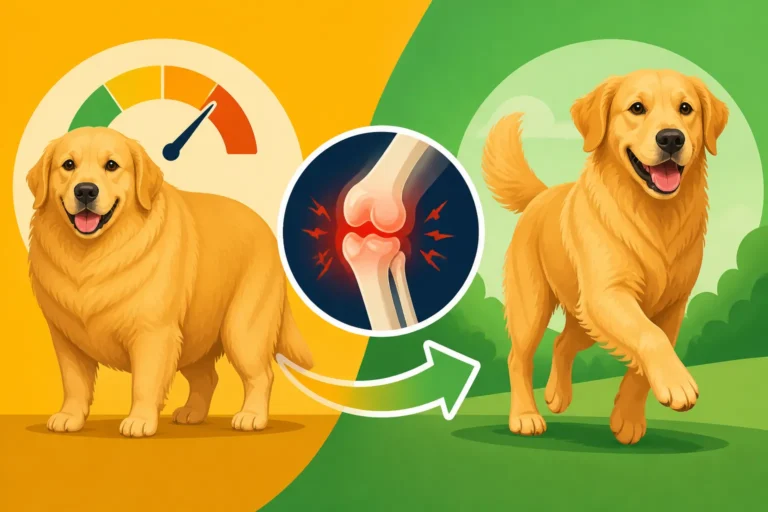
Before jumping to surgery, most veterinarians will first recommend a course of conservative management. This often includes a combination of pain medications, anti-inflammatory drugs, joint supplements like glucosamine and chondroitin, controlled exercise, and, crucially, strict weight management. Keeping your Golden at a healthy weight dramatically reduces the stress on their joints, and it's something every owner should prioritize, regardless of a hip dysplasia diagnosis. In fact, if your Golden is carrying a few extra pounds, reducing their weight can often provide significant relief and slow the progression of arthritis. If you’re curious about the impact of weight on joint health, check out Golden Retriever Weight and Joint Damage and How Extra Pounds Damage a Golden Retriever's Hips.
However, for many Golden Retrievers, especially those with severe dysplasia or those who don't respond adequately to conservative treatments, surgery becomes a necessary consideration. If your dog is in constant, debilitating pain, if their lameness significantly impacts their daily life, or if they are still young enough to benefit from corrective procedures before severe arthritis sets in, your vet might recommend consulting with a board-certified veterinary orthopedic surgeon. This is a big decision, and it’s important to have a frank discussion about your dog’s specific condition, age, overall health, and your family’s resources with your veterinary team. They can help you weigh the pros and cons of each surgical option against your Golden’s unique needs. For more on non-surgical approaches, consider reading Managing Golden Retriever Hip Dysplasia Without Surgery.
Exploring Surgical Options for Golden Retriever Hip Dysplasia
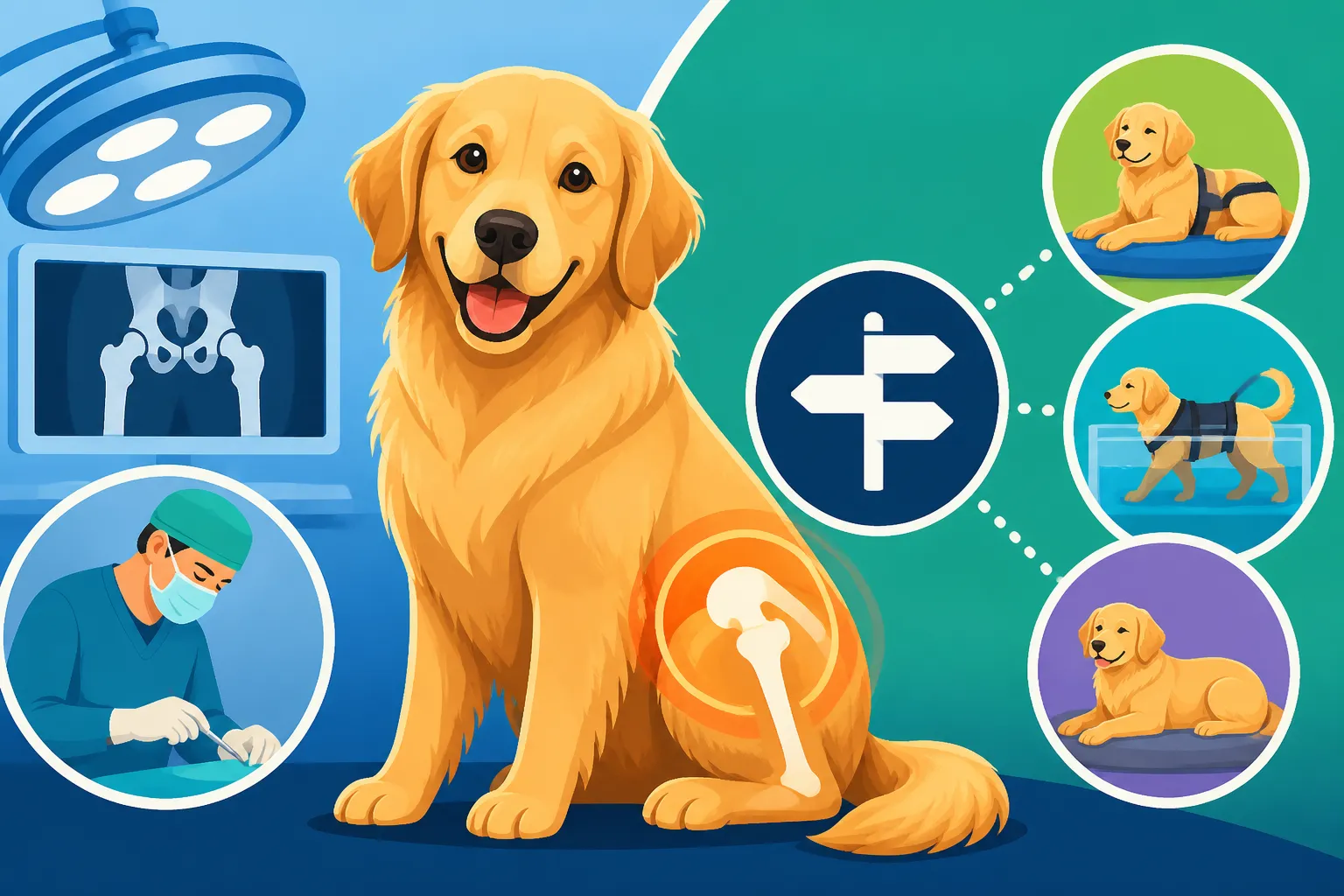
When conservative measures aren't enough, it's time to dive into the surgical possibilities. There are a few main approaches, each with its own indications, benefits, and drawbacks. The best option for your Golden will depend on several factors, including their age, the severity of their dysplasia, the presence of arthritis, and even your budget.
Femoral Head Ostectomy FHO
A Femoral Head Ostectomy, or FHO, is a salvage procedure where the head and neck of the femur (the "ball" part of the joint) are removed. The goal isn't to recreate a perfect hip joint, but rather to eliminate the painful bone-on-bone rubbing. After the bone is removed, the muscles around the hip eventually form a "false joint" of fibrous tissue. This procedure is generally less invasive and less expensive than a total hip replacement.
FHO is often considered for smaller or lighter dogs, or for Golden Retrievers when a Total Hip Replacement isn't feasible due to financial constraints, a dog's general health, or if there's significant infection. While it can offer good pain relief, especially with diligent post-operative physical therapy, it doesn't always restore full, normal function in larger, heavier breeds like Golden Retrievers. They might still have a noticeable limp or reduced range of motion, but ideally, they will be pain-free. Recovery involves a strict period of rest followed by intensive physical therapy, which is absolutely crucial for building muscle and maximizing the outcome.
Triple Pelvic Ostectomy TPO / Double Pelvic Ostectomy DPO
The Triple Pelvic Ostectomy (TPO) and Double Pelvic Ostectomy (DPO) are corrective procedures performed exclusively on young dogs, typically under 10-12 months of age, who have significant hip laxity but haven't yet developed severe arthritis. The principle behind these surgeries is to cut the pelvic bone in two or three places, rotate the acetabulum (the "socket" part of the hip) to provide better coverage for the femoral head, and then stabilize it with plates and screws.
The immense benefit of TPO/DPO is that it aims to prevent future arthritis by correcting the underlying mechanical issue. It essentially remodels the hip joint. The ideal candidate is a growing puppy who shows signs of hip laxity but has minimal to no arthritic changes. The success rate can be very high, offering a dog a lifetime of comfortable movement with their natural joint. However, it's a major surgery requiring specialized skills, and the post-operative recovery involves a very strict, prolonged period of activity restriction to allow the bones to heal. It also has a specific window of opportunity; once significant arthritis sets in, these procedures are no longer viable options.
Total Hip Replacement THR
Total Hip Replacement (THR) is widely considered the "gold standard" surgical option for hip dysplasia, especially in adult Golden Retrievers suffering from chronic, debilitating pain and severe arthritis. This procedure is exactly what it sounds like: the damaged femoral head and acetabulum are completely removed and replaced with prosthetic implants, much like human hip replacements. The new joint components, typically made of medical-grade metals and plastics, allow for smooth, pain-free movement.
The biggest advantage of THR is its ability to restore near-normal function and eliminate pain, often giving dogs a whole new lease on life. Goldens who undergo successful THR can often return to a very active lifestyle, including running, jumping, and playing without discomfort. There are different types of THR, including cemented and cementless implants, with the choice often depending on the surgeon's preference and the dog's bone quality. However, THR is a highly complex, specialized surgery that carries the highest cost and potential for serious complications like infection or dislocation, though these are relatively rare with experienced surgeons. The recovery is extensive, requiring careful management, but the long-term outcomes are generally excellent.
Understanding the Costs Associated with Golden Retriever Hip Surgery
Let’s be honest, talking about money when your dog is in pain is tough. But knowing the financial realities upfront for Golden Retriever hip surgery can help you make informed decisions and explore all available options. These procedures are not inexpensive, and they represent a significant investment in your Golden’s future health and happiness.
Breakdown of Surgical Expenses
The cost of Golden Retriever hip surgery can vary dramatically based on the specific procedure, the veterinary specialist's fees, the geographic location (major metropolitan areas often have higher costs than rural ones), and any unexpected complications. Here’s a general breakdown of what you might expect:
| Procedure | Typical Age Range | Suitability | Estimated Cost Range (per hip) |
|---|---|---|---|
| FHO (Femoral Head Ostectomy) | Any age | Small to medium dogs, salvage for large dogs | $1,500 – $4,500 |
| TPO/DPO (Pelvic Ostectomy) | 5-12 months | Young dogs with hip laxity, no severe arthritis | $3,500 – $6,500 |
| THR (Total Hip Replacement) | Adult (1 year+) | Severe chronic hip dysplasia, severe arthritis | $6,000 – $10,000+ |
These are general estimates and do not include all potential pre/post-operative costs.
When you receive an estimate from a veterinary orthopedic specialist, it typically encompasses a wide range of services. This includes all the pre-operative diagnostics, which are essential for proper planning: thorough X-rays (often under sedation), bloodwork to ensure your Golden is healthy enough for anesthesia, and potentially other imaging. The quote will also cover the anesthesia itself, the surgeon's fees, the operating room time, the cost of any implants (which can be substantial for THR), and typically a few days of hospitalization for post-surgical monitoring and pain management. It's truly an all-encompassing package, but always ask for a detailed breakdown so you know exactly what you're paying for. You can often get a more specific idea by looking into Golden Retriever Hip Replacement Price, which focuses on the most expensive option. For comprehensive care, it's crucial to find a board-certified veterinary surgeon who specializes in orthopedics, as their expertise significantly impacts the outcome.
Beyond the Surgery: Post-Operative and Long-Term Costs
The initial surgical bill is just one part of the financial picture. The recovery and rehabilitation phase for any hip surgery, especially for a large breed like a Golden Retriever, is incredibly important and comes with its own set of expenses. Your dog will need post-operative medications, including pain relief and anti-inflammatories, for several weeks. This period is followed by a crucial phase of physical therapy, which is non-negotiable for optimal recovery. This might involve regular sessions with a certified canine rehabilitation therapist, often including modalities like hydrotherapy (underwater treadmill), therapeutic exercises, and laser therapy. These sessions can cost anywhere from $50-$150 per session and may be needed for several months.
Consider that your Golden will likely need follow-up vet visits and X-rays to monitor healing. The investment in post-operative care can easily add hundreds, if not thousands, of dollars to the total cost. This is where having pet insurance can truly be a lifesaver. Companies like Healthy Paws, for instance, are known for covering a high percentage of eligible veterinary bills, including those for accidents, illnesses, and often, even rehabilitation therapy. Planning ahead with a robust pet insurance policy can turn a potentially devastating financial burden into a manageable one. For a deeper dive into covering these costs, you might find Pet Insurance for a Golden Retriever very helpful. The commitment to rehabilitation is critical for success, so learning more about Physical Therapy for a Golden Retriever With Bad Hips is highly recommended.
Financial Planning and Assistance Options
Facing a potential $5,000 to $10,000+ bill (or even double that for bilateral THR) can be daunting, but there are avenues to explore. Many veterinary hospitals offer payment plans directly, or they might work with third-party financing options like CareCredit, which functions like a credit card for healthcare expenses, often with deferred interest periods. It's always worth asking your vet what financial arrangements they have available.
Beyond that, several charitable organizations exist to help pet owners with veterinary bills. While they might not cover the full cost, they can often provide grants or assistance. Organizations like The Pet Fund, RedRover, or breed-specific rescues (such as local Golden Retriever rescues) sometimes have funds or programs to assist owners with significant medical expenses. You might also consider crowdfunding through platforms like GoFundMe, where friends, family, and even strangers can contribute to your Golden’s care. Starting an emergency fund early in your Golden’s life is always a wise decision, but for unexpected emergencies, these options can provide much-needed relief. Remember, a good pet insurance policy, especially one from a provider like Healthy Paws, can greatly reduce the stress of these situations, allowing you to focus on your Golden's recovery rather than the mounting bills. It also helps to be aware of the more subtle Signs a Golden Retriever Is in Pain so you can address issues before they become critical. Additionally, when considering a puppy, asking a breeder about the parents' Health Clearances a Golden Retriever Breeder Must Show can potentially reduce the likelihood of these inherited conditions.
Disclaimer
This article is for general informational purposes only and does not constitute professional advice. Laws, prices and regulations vary by location and change over time. Consult a qualified professional for guidance on your specific situation.