When Golden Retriever Hip Dysplasia First Shows
It's heartbreaking to watch your vibrant, playful Golden Retriever puppy suddenly slow down or show signs of discomfort, especially when it comes to their joints. That worry in your gut, wondering if it's just a growth spurt ache or something more serious, is a feeling no dog owner wants to experience. This guide is here to walk you through when and how hip dysplasia typically first manifests in Golden Retrievers, helping you recognize the subtle and not-so-subtle signs so you can act quickly.
Understanding Golden Retriever Hip Dysplasia: The Basics
Hip dysplasia is a condition that, for many Golden Retriever owners, feels like a dark cloud hanging over the breed. You hear about it often, and for good reason—it's incredibly prevalent. But what exactly is it, and why does it seem to target our beloved Goldens so often?
What Exactly is Hip Dysplasia?
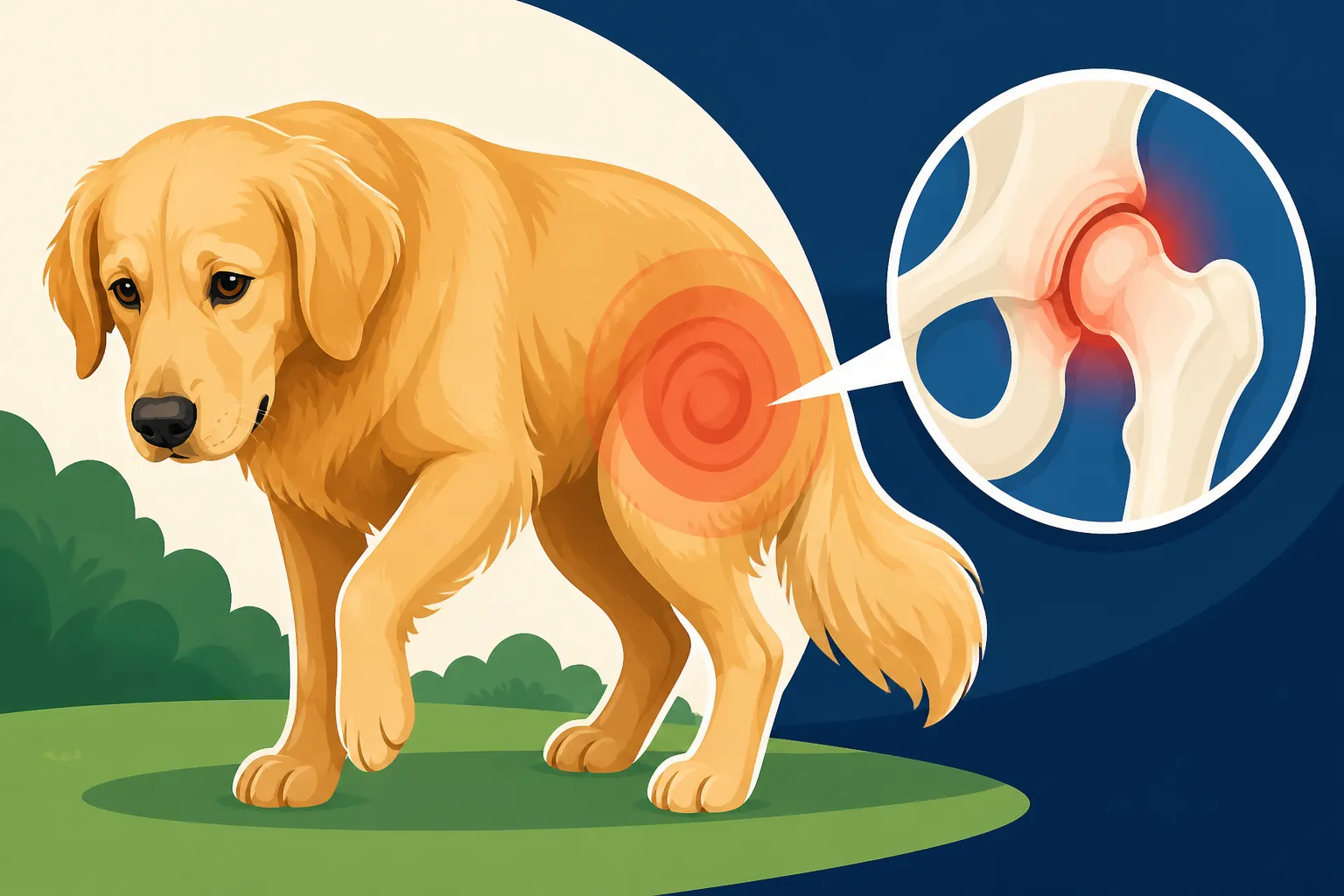
At its core, hip dysplasia is an abnormal formation of the hip socket. Think of your dog's hip joint as a ball and socket: the "ball" is the head of the femur (thigh bone), and the "socket" is part of the pelvis (acetabulum). In a healthy hip, this ball fits snugly and smoothly into the socket, allowing for fluid, pain-free movement.
With hip dysplasia, that beautiful, tight fit goes awry. The socket might be too shallow, or the head of the femur might be flattened or malformed. This leads to what veterinarians call "laxity" – looseness in the joint. Instead of gliding smoothly, the ball and socket grind and rub against each other. Over time, this friction causes wear and tear, leading to degenerative joint disease, bone spurs, and ultimately, painful arthritis. It's not just a puppy problem; it's a progressive disease that can worsen significantly as a dog ages. For a deeper dive into the condition, you might want to read our comprehensive guide on Golden Retriever Hip and Elbow Dysplasia Explained.
Why Golden Retrievers are Prone to Hip Dysplasia
While genetics play a huge role, it's not the only factor. Golden Retrievers are a large, rapidly growing breed, and this combination makes them particularly susceptible. Here's a breakdown of why:
- Genetics: This is the big one. Hip dysplasia is a polygenic trait, meaning multiple genes contribute to its inheritance. If a Golden Retriever's parents or grandparents had hip dysplasia, even if mild, the puppy has an increased risk. This is why reputable breeders are so diligent about obtaining hip clearances for their breeding dogs.
- Rapid Growth: Golden Retriever puppies grow at an astonishing rate. If their diet encourages excessively fast growth, or if they receive too much calcium, it can put undue stress on their developing joints. This can exacerbate any underlying genetic predisposition. It's a delicate balance, and often, owners don't realize how crucial proper nutrition is in those first few months.
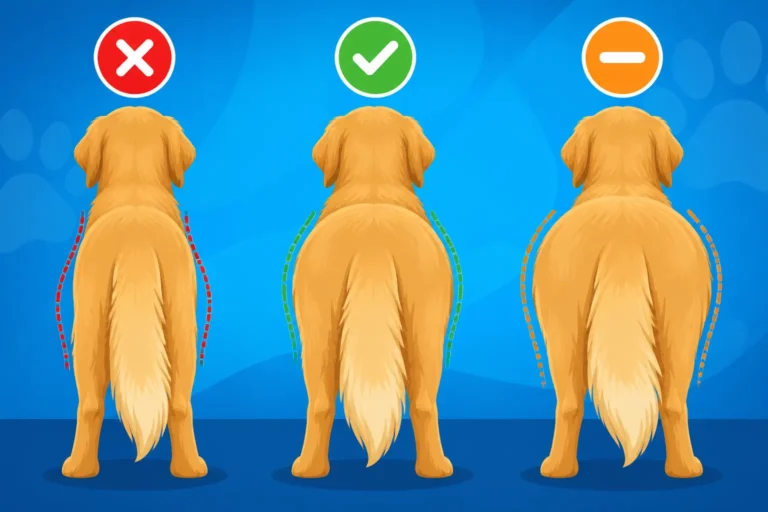
- Weight: Carrying extra pounds places immense strain on a dog's joints, accelerating the progression of hip dysplasia and worsening symptoms. Even as puppies, keeping them lean is vital. Learn more about How Extra Pounds Damage a Golden Retriever's Hips.
- Exercise: While Goldens need exercise, inappropriate or excessive exercise during their crucial growth phases can be detrimental. High-impact activities like jumping, long-distance running, or repetitive stair climbing can damage fragile growth plates and immature joints. Understanding When a Golden Retriever's Growth Plates Close is essential for protecting young joints.
Early Signs of Hip Dysplasia in Golden Retriever Puppies and Juveniles
Recognizing hip dysplasia early is crucial for managing the condition and giving your Golden the best quality of life. The signs can be incredibly subtle at first, often dismissed as typical puppy clumsiness or growing pains. But with a watchful eye, you can catch them.
Subtle Clues in Young Pups (4-8 months)
This age range is often when the very first, almost imperceptible signs might emerge. Your puppy is still a whirlwind of energy, but you might notice small changes in their movement or behavior.
- Reluctance to Play or Exercise: Your usually enthusiastic puppy might seem less eager to join in rough-and-tumble play, or they might tire more quickly than their littermates or other puppies their age. They might even sit down or lie down more often during a play session. It's not that they don't want to play; it's that playing causes discomfort.
- Changes in Gait or Movement: Watch how your puppy walks, runs, and rises. You might notice a slight stiffness in their hind legs, especially after resting. Their stride might appear shorter, or they might seem to sway a bit when walking. Instead of a fluid, powerful push-off from their back legs, their movement might look more hesitant.
- "Bunny Hopping" Gait: This is a classic, though not exclusive, sign of hip dysplasia. When your puppy runs, instead of extending their hind legs independently, they might bring both hind legs together simultaneously, like a rabbit hopping. It's a compensatory mechanism to minimize pain or discomfort in one or both hips. If you see this, pay close attention. We delve into this in more detail in our article, The Bunny Hopping Gait in Golden Retrievers.
- Difficulty Rising or Lying Down: A healthy puppy pops up effortlessly. A puppy with early hip dysplasia might struggle, taking a moment to find their balance, or they might lie down awkwardly, shifting their weight to avoid pressure on their hips.
The Adolescent Onset (8-18 months)
As Goldens enter their gangly adolescence, the signs of hip dysplasia often become more pronounced, especially if the condition is progressing. This is when many owners begin to realize something more serious is going on than just growing pains.
- Noticeable Limping or Lameness: This is often the point where owners seek veterinary attention. You might see a distinct limp in one or both hind legs, particularly after exercise or getting up from rest. The lameness might come and go, making it frustrating to pinpoint.
- Pain Response: Gently touch around your Golden's hip area, or manipulate their hind legs. If they flinch, whine, or snap, it's a strong indicator of pain. They might also react negatively to being touched or groomed in that area. Learning to recognize subtle Signs a Golden Retriever Is in Pain can be invaluable.
- Reluctance with Stairs or Jumping: Where once they bounded up and down stairs or leapt onto the couch, they now hesitate, take stairs one at a time, or avoid jumping altogether. This is often because extending their hips for these movements causes significant discomfort. You might also notice them being careful when getting into or out of the car. Consider modifying your home to prevent strain, such as using ramps, especially if you have a young Golden and are concerned about Stairs and a Golden Retriever Puppy's Growing Joints.
- Loss of Thigh Muscle Mass: If a Golden is consistently favoring one leg or avoiding using their hindquarters fully, the muscles in their thighs can begin to atrophy, appearing thinner compared to their front legs. This is a subtle but important visual cue.
Key Observations for Owners to Make
As a Golden Retriever owner, you are your dog's best advocate. Your daily observations are incredibly valuable for your vet.
- Daily Movement Diary: Keep a small notebook or use an app to jot down any instances of limping, stiffness, reluctance, or unusual gait you observe. Note the time of day, duration, and what activity preceded it. This detailed information can help your vet identify patterns.
- Watch from a Distance: Sometimes, when your dog knows you're watching, they try to mask their discomfort. Observe them when they're unaware, like when they first get up from a nap, or during a casual walk in the park.
- Video Recording: Short videos of your Golden walking, running, or attempting stairs can be incredibly helpful for your veterinarian. It allows them to see the subtle movements you've described.
- Palpation and Flexion: Very gently, feel your dog's hips. Can you feel any warmth? Does one hip feel different from the other? Very gently, try to flex and extend their hind legs while they are relaxed. If you notice any pain response or restricted movement, make a mental note.
Hip Dysplasia Symptoms in Adult Golden Retrievers
It's a common misconception that hip dysplasia only shows up in puppies. While many cases do emerge early, some Goldens might not show overt signs until they are adults, or their previously mild symptoms can worsen dramatically with age. This can be especially frustrating if you thought your dog had "outgrown" their puppy limps.
Progressive Degeneration and Arthritis
If hip dysplasia wasn't caught or treated effectively in youth, or even if it was managed well, the chronic wear and tear on the hip joint inevitably leads to arthritis. This means that even Goldens with mild dysplasia can develop significant pain and mobility issues as they get older.
- Chronic Stiffness and Soreness: Adult Goldens with hip dysplasia will often show persistent stiffness, especially first thing in the morning or after long periods of rest. They might struggle to stand up after sleeping or appear visibly sore after even moderate activity. This is the hallmark of Golden Retriever Arthritis and Joint Decline.
- Exercise Intolerance: A previously active Golden might become reluctant to go for walks, play fetch, or engage in their usual energetic activities. They might tire quickly or show signs of discomfort during or after exercise. What used to be a joyful romp in the park can become a painful ordeal.
- "Cold Weather" Pain: Many owners report that their Golden's joint pain seems worse in cold or damp weather. While not scientifically proven across the board, anecdotal evidence suggests that changes in barometric pressure can indeed affect joint comfort.
- Changes in Posture and Gait: An adult Golden with hip dysplasia might adopt a more hunched posture, carrying their weight further forward to alleviate pressure on their hindquarters. Their walk might become more of a shuffle, and they may lose the characteristic powerful hindquarter drive of a healthy Golden.
- Difficulty with Everyday Tasks: Jumping into the car, getting on furniture, or even squatting to relieve themselves can become challenging and painful. You might notice them using furniture to leverage themselves up.
When to Suspect Late-Onset or Worsening Symptoms
Sometimes, a Golden Retriever might have had mild hip dysplasia that was asymptomatic for years, only to have it flare up in middle age or senior years due to the onset of arthritis. Other times, a mild case diagnosed in youth simply progresses.
- Sudden Decline in Activity: If your otherwise healthy adult Golden suddenly starts showing a marked decrease in their activity levels, appears stiff, or struggles with movements they once did easily, it's time for a vet visit.
- Behavioral Changes: Chronic pain can lead to behavioral changes. A dog in pain might become more irritable, withdrawn, or even snappy if touched in a sensitive area. They might avoid interaction or seem depressed.
- Compensatory Issues: When one area of the body is painful, other areas often try to compensate. You might notice your Golden developing new lameness in a front leg or back issues, as they shift their weight to avoid hip pain. This can complicate diagnosis if not considered in the full context.
Differential Diagnoses: What Else Could It Be?
While hip dysplasia is common, not every limp or stiffness is due to it. There are several other conditions that can mimic hip dysplasia symptoms, especially in growing puppies and young adults. Your veterinarian will consider these possibilities during their examination.
- Panosteitis: Often called "growing pains," this is an inflammation of the long bones, common in large, rapidly growing breeds like Golden Retrievers, typically between 5 and 18 months of age. It can cause shifting lameness that moves from one leg to another, and usually resolves on its own. Panosteitis can present similarly to early hip dysplasia, making a proper diagnosis critical. You can learn more about Panosteitis in Growing Golden Retrievers.
- Luxating Patella: This is a condition where the kneecap (patella) slips out of its normal groove. While more common in smaller breeds, it can affect Goldens and cause intermittent limping or a "skip" in their step.
- Cruciate Ligament Injuries: The cranial cruciate ligament in the knee can tear or rupture, causing sudden lameness. While often due to trauma, underlying joint issues can predispose a dog to these injuries.
- Spinal Issues: Problems with the back or spine can also manifest as hind leg weakness, lameness, or difficulty with movement, mimicking hip pain. This is why a thorough veterinary exam is essential.
Confirming a Diagnosis and Next Steps
Once you've noticed the signs, the next step is a trip to your veterinarian. Early and accurate diagnosis is key to managing hip dysplasia effectively and slowing its progression.
The Vet Visit and Initial Assessment
When you bring your Golden to the vet with concerns about lameness or hip pain, they'll start with a comprehensive physical examination. This includes:
- Observation of Gait: Your vet will watch your Golden walk, trot, and potentially run (if they are able) to observe their natural movement.
- Palpation: They will gently feel your dog's joints, muscles, and bones, checking for swelling, pain response, and muscle atrophy. They'll also perform specific manipulations, like the Ortolani test, which involves rotating the hip joint to check for laxity. This test is often done under sedation, especially in puppies, to get accurate results without muscle tension skewing the findings.
- Medical History: Your detailed observations and any "movement diary" you've kept will be incredibly valuable here.
Diagnostic Imaging and OFA/PennHIP
The definitive diagnosis for hip dysplasia almost always involves X-rays. These images allow the veterinarian to visualize the hip joint and assess its conformation.
- X-rays: Your Golden will likely need to be sedated or anesthetized for X-rays. This ensures they are perfectly still and positioned correctly for accurate imaging, which is crucial for a diagnostic quality film. The X-rays will show the depth of the hip socket, the coverage of the femoral head, and any signs of degenerative joint disease like bone spurs.
- OFA and PennHIP: These are two primary methods for evaluating hip health and screening dogs for breeding purposes, though they can also be used diagnostically.
- OFA (Orthopedic Foundation for Animals): This method involves specific X-ray views that are submitted to a panel of radiologists for evaluation. OFA certifies hips as Excellent, Good, Fair, Borderline, or Dysplastic. For a final, breeding-quality certification, OFA requires dogs to be at least 24 months old because that's when their hips are considered fully mature. You can learn more about Why OFA Waits Until Two Years to Certify. However, preliminary OFA evaluations can be done on younger dogs, which can give an early indication of hip quality. Understanding What Excellent, Good and Fair Mean on a Golden's Hips can help you interpret results.
- PennHIP: This method uses a different set of X-ray views and measures the actual laxity or looseness of the hip joint. PennHIP can be performed on dogs as young as 16 weeks and provides a quantitative score. For a comparison of these two methods, check out PennHIP Versus OFA for a Golden Retriever.
Management and Treatment Options
Once hip dysplasia is diagnosed, your vet will discuss a range of management and treatment options tailored to your Golden's age, severity of the condition, and your lifestyle.
- Conservative Management: For mild to moderate cases, especially in younger dogs, conservative management focuses on pain control, inflammation reduction, and supporting joint health. This often includes:
- Weight Management: Keeping your Golden lean is paramount.
- Controlled Exercise: Low-impact activities like swimming or leash walks are encouraged, while high-impact jumping or running should be limited.
- Medications: Non-steroidal anti-inflammatory drugs (NSAIDs) for pain and inflammation, and joint supplements like glucosamine and chondroitin.
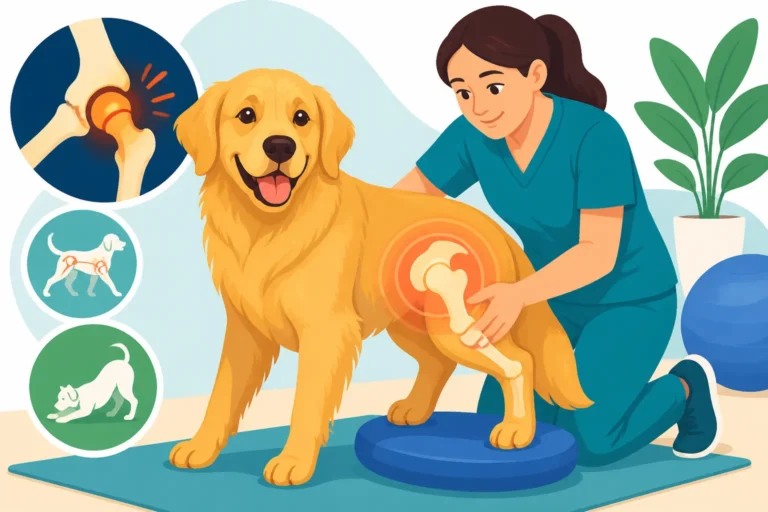
- Physical Therapy: Specialized exercises, hydrotherapy (underwater treadmill), and massage can significantly improve mobility and muscle strength. You can find more information about Physical Therapy for a Golden Retriever With Bad Hips.
- Surgical Options: For severe cases, or when conservative management is no longer effective, surgical interventions may be recommended. These range from procedures that modify the bone to improve joint stability (like Triple Pelvic Osteotomy or Femoral Head Ostectomy) to total hip replacement. The choice depends on many factors, and these can be costly. For a breakdown of options and their associated expenses, see Golden Retriever Hip Surgery Costs and Options.
- Consider Pet Insurance: The costs associated with diagnosing and managing hip dysplasia, especially if surgery is required, can be substantial. Many Golden Retriever owners find that pet insurance, like policies from Healthy Paws, can provide significant financial relief. It’s often best to enroll when your Golden is young and healthy, before pre-existing conditions like hip dysplasia are diagnosed. Healthy Paws can help cover costs for diagnostics, medications, and even surgery.
| Age Range | Common Onset & Symptoms | Owner Observations |
|---|---|---|
| 4-8 Months (Puppy) | Early/Subtle Onset: Reluctance to play or exercise, tires easily, slight stiffness after rest, occasional "bunny hopping" gait, mild difficulty rising. Symptoms may be intermittent and easily missed. | Watch for changes in enthusiasm for play, short attention spans during walks, slight limping after waking up, and unusual running style. |
| 8-18 Months (Juvenile) | Adolescent Onset: More noticeable limping (especially after exercise), pain response when hips are touched or manipulated, clear difficulty with stairs or jumping, decreased activity, may favor one leg, loss of thigh muscle mass (subtle). Symptoms are often more consistent. | Pay attention to a consistent limp, vocalization or flinching when handled, hesitation before jumping or climbing, and a noticeable decrease in energy during play sessions. |
| 18 Months+ (Adult) | Progression/Late Onset: Chronic stiffness, soreness after rest or exercise, exercise intolerance, "cold weather" pain, changes in posture (hunched), shuffling gait, difficulty with everyday tasks (car, furniture), behavioral changes due to chronic pain, compensatory lameness. | Observe morning stiffness, unwillingness to go on walks, difficulty getting up or lying down, changes in mood, and favoring front legs or shifting weight when standing. |
Managing a Golden Retriever with hip dysplasia can be a long journey, but with early detection, proper veterinary care, and dedicated home management, your beloved companion can still live a happy, comfortable life. Don't hesitate to talk to your vet about any concerns you have – they are your best resource.
Disclaimer
The information provided in this article is for educational purposes only and is not intended to be a substitute for professional veterinary advice, diagnosis, or treatment. Always seek the advice of your veterinarian or other qualified animal health provider with any questions you may have regarding a medical condition.