Bloat Symptoms Every Golden Retriever Owner Should Know
It's one of the most frightening emergencies a Golden Retriever owner can face: bloat. One moment your beloved companion is fine, and the next they could be fighting for their life. This terrifying condition can strike quickly and silently, often progressing from mild discomfort to a life-threatening crisis in just a couple of hours. Knowing the early bloat symptoms in your Golden Retriever is not just important – it's absolutely critical for giving them the best chance of survival. This guide will walk you through everything you need to know about recognizing the signs and acting fast to protect your furry family member.
Understanding Bloat in Golden Retrievers: A Terrifying Reality
Bloat, scientifically known as Gastric Dilatation-Volvulus (GDV), is a sudden and severe condition that every Golden Retriever owner dreads. It's not just a bad stomach ache; it's a rapidly progressing, life-threatening emergency where a dog's stomach fills with gas, food, or fluid (dilatation) and then twists on its axis (volvulus). When this happens, it essentially cuts off both the entrance and exit of the stomach, trapping everything inside.
What is Gastric Dilatation-Volvulus GDV?
Imagine a balloon filling with air, then imagine that balloon twisting and knotting itself in the middle. That's a simplified picture of what happens during GDV. The trapped gas causes the stomach to expand rapidly, putting immense pressure on other organs and blood vessels. This pressure can cut off blood flow to the stomach itself, leading to tissue death, and can also impede blood return to the heart, leading to shock. The twist, or volvulus, is what makes GDV so incredibly dangerous. Without emergency intervention, the dog will go into shock, and internal organs will start to fail, often leading to death within hours. This isn't something that can wait until morning; it's a true race against the clock.
Why Goldens Are at Higher Risk for Bloat
Golden Retrievers, sadly, are among the breeds considered to be at higher risk for GDV. Their classic deep-chested anatomy plays a significant role. A deep, narrow chest cavity provides more "room" for the stomach to shift and twist when it becomes distended. Think of it like a bowling pin – easy to tip over compared to a wider, more stable object. This anatomical predisposition isn't something you can change, but it means you, as a Golden owner, must be extra vigilant.
Beyond anatomy, certain eating habits and other factors can increase the risk. Eating one large meal a day, especially if followed by vigorous exercise or drinking a lot of water quickly, can be a trigger. Stress, genetics, and even temperament have also been explored as potential contributing factors in the development of bloat. Understanding the inherent risks means you can be more proactive in prevention and quicker to recognize the signs. For more specific details on why some dogs are more prone, you might want to read our article on Bloat Risk in a Deep-Chested Golden.
Early Warning Signs: Subtle Cues You Can't Afford to Miss
Recognizing bloat early is paramount, but the initial symptoms can be subtle and easily mistaken for general discomfort. This is why paying close attention to your Golden's behavior, especially after meals or periods of activity, is so important. These early signs are your first, best chance to intervene before the situation becomes dire.
Behavioral Changes and Discomfort
One of the first things you might notice is a change in your Golden Retriever's usual demeanor. They might become restless, pacing around the house, unable to settle down, or constantly shifting their position. They might try to lie down, then immediately stand back up, only to try another spot. This is because they're experiencing internal pressure and discomfort but can't find a way to relieve it. Some dogs might seem anxious, looking at their flanks, or even trying to bite or lick at their abdomen. Others might become withdrawn, hiding or seeking solitude, which is unusual for such a social breed. A Golden Retriever who is usually happy and engaged but suddenly seems agitated, uneasy, or unusually quiet warrants immediate attention. They might whimper or groan softly, indicating pain. These subtle shifts are often the earliest indicators that something serious is happening internally.
Abdominal Swelling and Tenderness
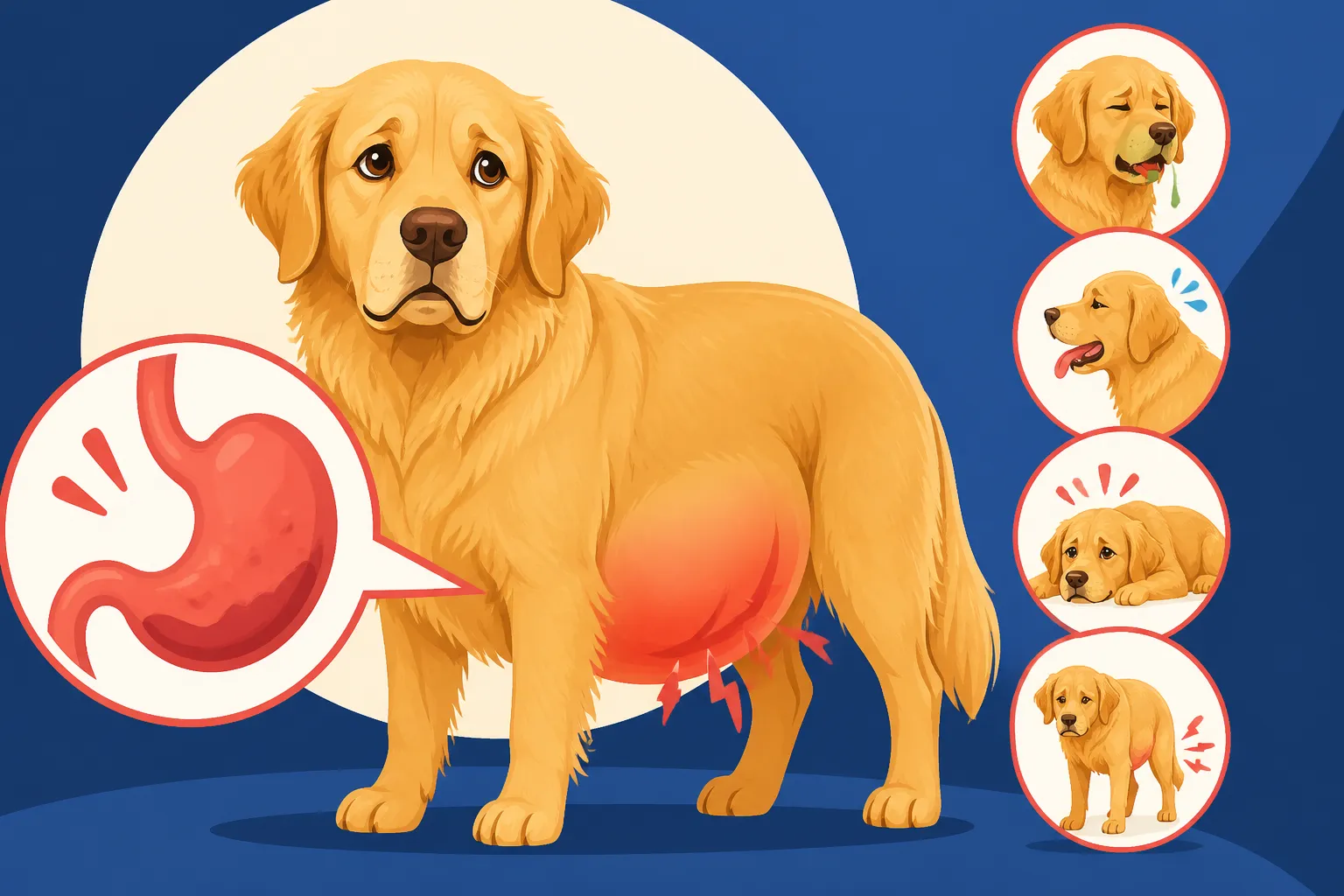
While abdominal swelling is a hallmark sign of bloat, it's not always immediately obvious in the early stages, especially in Golden Retrievers with their thick coats. However, as the stomach fills with gas, the abdomen will begin to distend. This might appear as a noticeable enlargement, particularly on the left side of their body just behind the rib cage, though it can affect both sides. Gently pressing on the belly might reveal it to be taut, hard, or drum-like to the touch. Your Golden might flinch, cry out, or show signs of pain when their abdomen is touched, indicating significant tenderness. It’s crucial to get familiar with what your dog’s healthy belly feels like so you can spot any unusual firmness or distension quickly. Don't assume it's just a full stomach; if combined with behavioral changes, it's a red flag.
Excessive Drooling and Nausea
An increase in drooling, sometimes accompanied by lip-licking, can be another early indicator of nausea and discomfort. Your Golden might be producing more saliva than usual as their body tries to cope with the gastric distress. This drooling isn't just a sign of wanting a treat; it's a physiological response to feeling sick. You might also notice them trying to swallow frequently, as if attempting to relieve pressure in their throat or stomach. They may act like they're about to vomit, gagging or dry heaving, but nothing comes up. This "unproductive retching" is a critical symptom, but even the precursors like excessive drooling and obvious nausea should not be ignored.
Critical Symptoms: When Bloat Becomes an Emergency
If the early signs are missed or progress rapidly, your Golden Retriever will start to display more severe, undeniable symptoms that signal an immediate, life-threatening emergency. These are the signs that demand you drop everything and head straight to the nearest veterinary emergency room.
Unproductive Vomiting and Retching
This is often the most classic and alarming sign of GDV. Your Golden Retriever will make repeated attempts to vomit, often dry heaving forcefully, but absolutely nothing comes up—or perhaps only a small amount of foamy saliva or mucus. Their body is trying desperately to relieve the pressure in their stomach, but the twisted organ prevents anything from passing. The retching can be agonizing to watch, and the sheer effort can exhaust your dog further. If you see your Golden dry heaving, especially repeatedly, and their abdomen appears distended, do not hesitate. This is a critical sign that confirms the stomach is likely twisted. Every moment counts, and delaying treatment can drastically reduce their chances of survival.
Rapid, Shallow Breathing and Weakness
As bloat progresses, the distended stomach puts increasing pressure on the diaphragm, making it difficult for your Golden Retriever to breathe properly. You might observe rapid, shallow breaths, as if they can't take a deep gulp of air. Their breathing might sound labored, and they might appear to be panting even when they haven't been exercising. Along with respiratory distress, your dog will likely show significant signs of weakness, lethargy, or even collapse. They might be unable to stand, or walk with an unsteady gait. Their hindquarters may appear weak. This weakness is a direct result of the body going into shock as blood flow is compromised and pain intensifies. A dog in this state is in dire need of immediate medical attention.
Pale Gums and Rapid Heartbeat
These are signs that your Golden Retriever's circulatory system is in severe distress and they are rapidly entering a state of shock. Gently lift your dog's lip and examine their gums. Instead of their usual healthy pink color, they might appear pale, grayish, or even bluish. This indicates poor blood circulation and lack of oxygen. When you press your finger firmly on their gum and then release, the color should return almost immediately (capillary refill time, or CRT, should be less than two seconds). In a dog with bloat, this refill time will be prolonged. Simultaneously, you might notice their heart beating unusually fast, a desperate attempt by the body to compensate for the reduced blood volume returning to the heart. Their pulse might feel weak and thready. These are unmistakable signs of a severe medical emergency requiring urgent veterinary care.
What to Do: Acting Fast Can Save Your Golden's Life
When you suspect bloat, there is no time for "wait and see." This is a true emergency, and your immediate, decisive action can make all the difference between life and death for your Golden Retriever.
Immediate Veterinary Intervention
As soon as you notice even a few of these symptoms—especially the dry heaving and abdominal distension—call your veterinarian or the nearest emergency veterinary clinic immediately. Don't waste time looking up information online or trying home remedies. Time is of the essence. Tell them you suspect GDV in your Golden Retriever, describe the symptoms, and let them know you are on your way. This allows them to prepare their team and equipment for your arrival, potentially saving precious minutes. Many veterinary hospitals have a protocol for suspected bloat cases where they can start triage and diagnostics the moment you walk through the door. Waiting even an hour can dramatically reduce survival rates. If you need to find an emergency vet, a quick search for "24-hour vet near me" is essential. Our guide What to Do When a Golden Retriever Bloats offers more details on immediate actions.
Preparing for Emergency Transport
While calling ahead, quickly prepare your Golden for transport. Make sure you have their leash ready. If your dog is weak or collapsed, you may need assistance to move them. A sturdy blanket or a flat board can be used as a makeshift stretcher to carefully carry larger dogs. Try to keep them as calm and comfortable as possible. Avoid feeding them anything or giving them water, as this could worsen the distension or interfere with potential anesthesia. During the drive, observe your Golden closely for any worsening of symptoms, and relay this information to the veterinary staff upon arrival. Knowing the signs and reacting without delay is the single most important thing you can do for your dog in this situation.
Discussing Surgical Options
Upon arrival at the vet, your Golden Retriever will undergo immediate assessment and likely diagnostic imaging, such as X-rays, to confirm GDV. If confirmed, the primary treatment is emergency surgery. This procedure involves de-rotating the stomach back to its normal position and often performing a gastropexy. A gastropexy is a surgical tacking of the stomach wall to the abdominal wall, which helps prevent future occurrences of volvulus (twisting). While it doesn't prevent the stomach from dilating (filling with gas), it significantly reduces the chance of it twisting again, which is the life-threatening part.
The cost of emergency GDV surgery can be substantial, often ranging from $3,000 to $7,000 or more, depending on the severity, location, and post-operative care needed. This is where having pet insurance can be a huge relief, as reputable providers like Healthy Paws often cover a significant portion of emergency surgical costs. If you're concerned about the procedure and recovery, reading about Gastropexy Surgery for Golden Retrievers can provide valuable insights. The recovery period typically involves hospitalization for a few days, strict activity restrictions, and a specialized diet. Even with successful surgery, there are risks of complications, but without it, the prognosis is grim.
| Symptom Category | Early Warning Signs | Critical Emergency Signs |
|---|---|---|
| Behavior | Restlessness, pacing, anxiety, inability to settle, hiding, mild whining, looking at flanks | Lethargy, collapse, severe pain, unresponsiveness |
| Abdomen | Mild distension (may be subtle), tenderness to touch, slightly firm | Obvious, significant distension (drum-like), very hard, extremely painful on touch |
| Oral/Digestive | Excessive drooling, lip-licking, frequent swallowing, attempted vomiting (may be unproductive) | Repeated, violent dry heaving/retching (nothing comes up), foamy saliva |
| Respiration | Increased panting, uneasy breathing | Rapid, shallow, labored breathing, difficulty catching breath |
| Circulatory | None typically visible | Pale, gray, or bluish gums; prolonged capillary refill time; rapid, weak pulse |
| Overall | General discomfort, unease | Severe weakness, staggering, collapse, signs of shock |
Disclaimer
The information provided in this article is for educational purposes only and is not intended to be a substitute for professional veterinary advice, diagnosis, or treatment. Always seek the advice of your veterinarian or other qualified health provider with any questions you may have regarding a medical condition.