Where Osteosarcoma Appears on a Golden Retriever
One of the most terrifying things for any Golden Retriever owner is the thought of their beloved companion developing cancer. It’s a sad reality that our Goldens are disproportionately affected by certain types of cancer, and osteosarcoma, a highly aggressive bone cancer, is high on that list of concerns. When a Golden starts limping or shows signs of pain, our minds immediately jump to the worst-case scenarios, and knowing where this devastating disease most commonly strikes can help us stay vigilant and, hopefully, act quickly. This guide will walk you through the typical locations where osteosarcoma appears in Golden Retrievers, what signs to look for, and why early detection is absolutely critical.
Understanding Osteosarcoma in Golden Retrievers
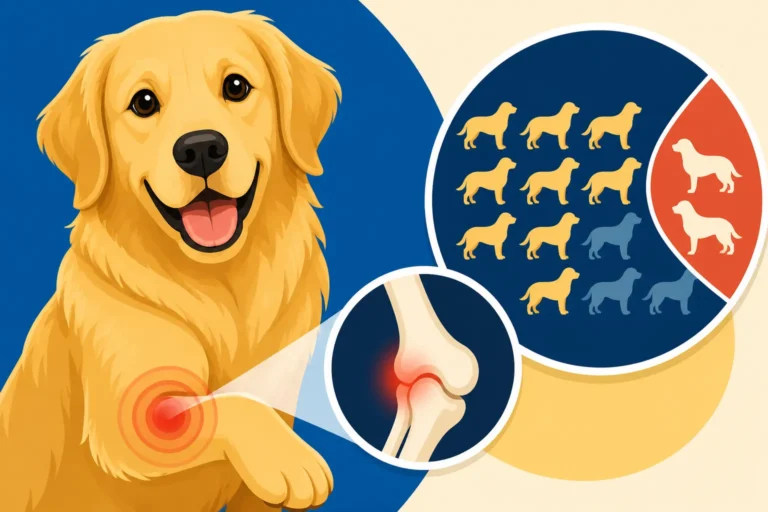
Osteosarcoma is a primary bone tumor, meaning it originates directly in the bone cells. It's an incredibly aggressive form of cancer that not only destroys bone tissue where it starts but also has a nasty habit of spreading rapidly, most often to the lungs, before symptoms even become obvious. For Golden Retrievers, who carry a higher genetic predisposition to various cancers compared to many other breeds, this diagnosis is particularly heartbreaking and unfortunately, far too common.
When you hear "bone cancer," it's natural to picture a dog in immense pain, and often that's the reality. This disease is known for causing significant discomfort and lameness, which can be easily mistaken for other, less severe conditions like arthritis or a simple sprain, especially in an active breed like the Golden Retriever. The insidious nature of osteosarcoma lies in its aggressive progression, often leaving owners reeling from a sudden diagnosis that feels like it came out of nowhere, even if subtle signs were present for weeks.
Why Golden Retrievers Are at Higher Risk
It’s not just bad luck that Golden Retrievers seem to get hit harder by osteosarcoma. There are concrete reasons tied to their genetics and physiology. As a large and often giant breed, Goldens, along with other big dogs like Rottweilers, Great Danes, and Irish Wolfhounds, have a greater incidence of osteosarcoma. Scientists believe this is partly due to their rapid growth rates as puppies and the increased mechanical stress placed on their long bones throughout their lives. The larger and heavier a dog is, the more their bones are subjected to everyday wear and tear, and some theories suggest this might contribute to cellular changes over time.
Beyond size, genetic factors play a significant role. Specific gene mutations have been identified in Golden Retrievers that are associated with an elevated risk of various cancers, including osteosarcoma. While researchers are continually working to pinpoint these exact genetic markers, the bottom line is that Goldens simply have a built-in susceptibility that many other breeds don't. This inherent risk makes it even more crucial for Golden owners to be hyper-aware of any unusual lameness or swelling, rather than dismissing it as just another bump or bruise from their spirited play.
The Aggressive Nature of This Cancer
What makes osteosarcoma so devastating is its highly aggressive nature. It doesn't just sit there; it actively destroys bone, causing immense pain, and simultaneously metastasizes (spreads) to other parts of the body. The lungs are the most common secondary site, often silently developing tiny tumors long before the primary bone tumor is even diagnosed. This means that by the time a Golden Retriever shows obvious clinical signs of the bone tumor, microscopic cancer cells may have already seeded themselves in their lungs or elsewhere.
This rapid spread is why a diagnosis of osteosarcoma in a Golden Retriever often comes with a guarded prognosis, even with aggressive treatment. The focus of treatment often shifts from simply removing the primary tumor to trying to manage the systemic disease and maintain the dog's quality of life for as long as possible. It's a race against time, which makes recognizing those subtle, early indicators all the more important.
Common Sites for Osteosarcoma Tumors
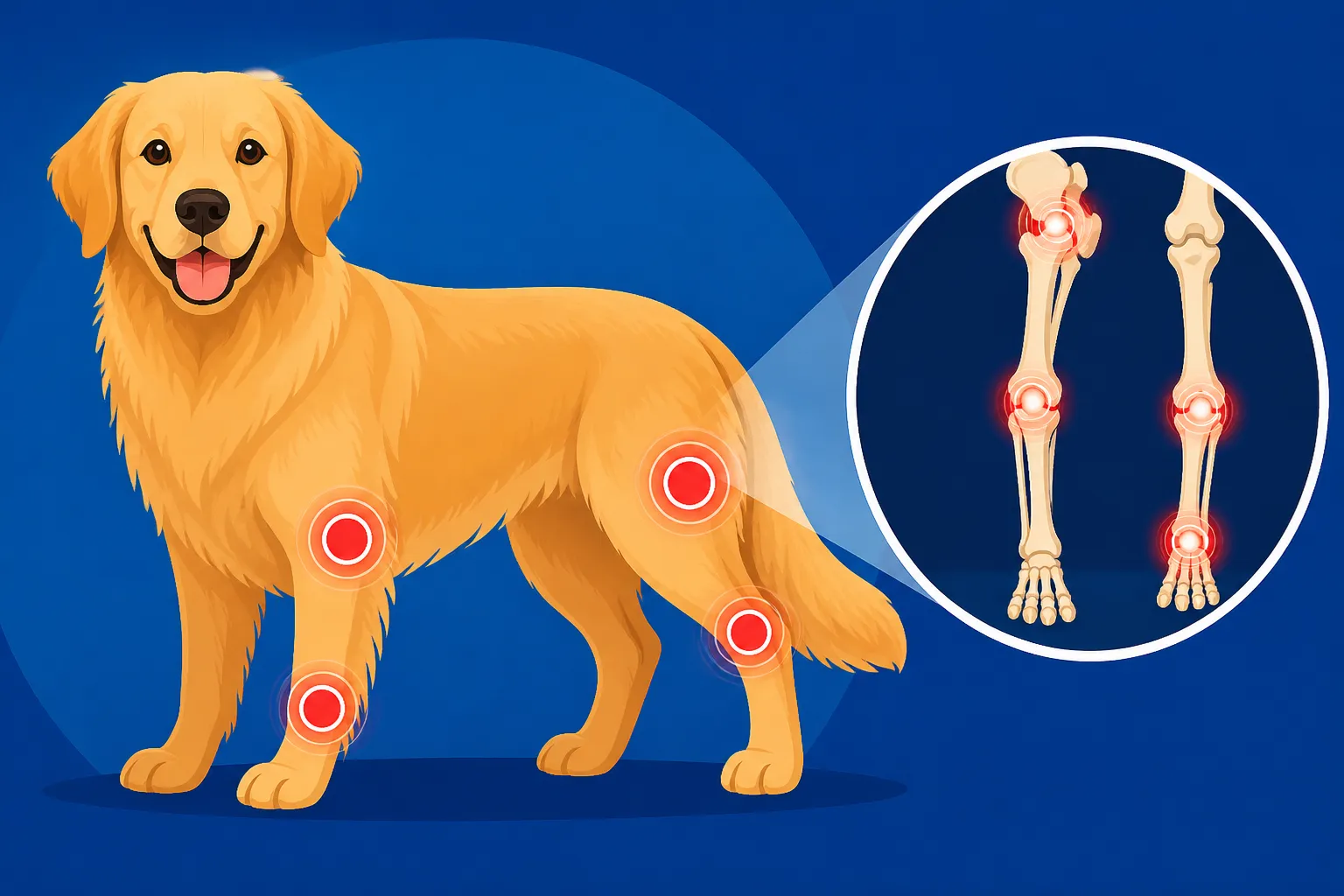
When we talk about osteosarcoma in Golden Retrievers, we're primarily talking about tumors that develop in the long bones of the limbs. These are the bones that make up the legs, and they are overwhelmingly the most common sites for this type of cancer. It has a predilection for areas where bone growth is most active, specifically near the growth plates, even after a dog is fully mature. This is often described as "away from the elbow, toward the knee."
Understanding these common locations helps you know exactly where to check if you notice your Golden favoring a limb or showing signs of discomfort. It's not usually a tumor on a toe or a tail bone, but rather in the robust bones designed to support their weight and movement.
Front Limbs: The Radius and Ulna
The front legs are actually the most frequent location for osteosarcoma in Golden Retrievers. Within the front limbs, the distal radius – that’s the part of the forearm bone closest to the wrist joint – is a notorious hotspot. Imagine the bone extending down to your Golden’s paw; it often appears as a swelling just above what looks like their ankle. Another common, though slightly less frequent, site in the front limb is the proximal humerus, which is the bone of the upper arm closest to the shoulder.
When a tumor develops in these areas, the first sign an owner typically notices is an unexplained lameness or limp that seems to persist or worsen over time. My neighbor's sweet Golden, Charlie, started limping on his front left leg after what they thought was just rough play at the park. They rested him, gave him some anti-inflammatories, but the limp kept coming back, sometimes worse than before. Eventually, they noticed a subtle swelling near his wrist, and that's when the vet confirmed their worst fears. The lameness often progresses from intermittent to constant, and the dog may hold the leg up or refuse to put weight on it. You might also notice a firm, painful swelling at the tumor site, which can sometimes feel warm to the touch.
Rear Limbs: The Tibia and Femur
While the front limbs are the most common, the rear limbs are certainly not immune. In the hind legs, osteosarcoma frequently targets the bones around the knee joint. Specifically, the proximal tibia (the upper part of the shin bone, just below the knee) and the distal femur (the lower part of the thigh bone, just above the knee) are common culprits. Think about the powerful muscles and substantial bone structure in your Golden’s rear legs; these areas bear a significant load, especially during their enthusiastic running and jumping.
Just like with the front limbs, the tell-tale sign here is a persistent lameness or reluctance to use the leg. Bella, a lovely Golden I used to walk, developed a noticeable bulge on her hind leg, right below her knee, which her owner initially thought was an old injury flaring up. It gradually became very tender to the touch, and she started struggling to get up from a lying position, something she’d never done before. The pain often manifests as a progressive limp that doesn't respond to typical rest or pain medication. The affected leg might also appear visibly swollen or feel hot when you touch it, and your Golden may guard the limb, crying out if you inadvertently press on the painful area. It’s vital to distinguish this from other joint issues, and knowing the specifics of Golden Retriever Hip and Elbow Dysplasia Explained can help you understand what might be causing similar symptoms.
Less Common Bone Locations
While the long bones of the limbs account for the vast majority of osteosarcoma cases, this aggressive cancer can, on rare occasions, appear in other bony structures throughout the Golden Retriever's body. These less common sites include the ribs, vertebrae (bones of the spine), skull, and jawbone. When osteosarcoma develops in these areas, the symptoms can be quite different from limb lameness and might be even harder to pinpoint.
For example, a tumor on a rib might cause pain when breathing deeply or when the chest is palpated, leading to a shallow cough or reluctance to move. If it's in a vertebra, your Golden might exhibit signs of spinal pain, weakness in their hindquarters, or even neurological deficits depending on nerve compression. Tumors on the skull or jaw could lead to facial swelling, difficulty chewing, reluctance to eat, or even changes in their facial symmetry. These cases often present a diagnostic challenge because the symptoms can mimic a wide array of other conditions, requiring a highly attentive vet and advanced imaging to confirm. Recognizing these varied presentations is part of a thorough Screening an Older Golden Retriever for Cancer.
Recognizing the Early Warning Signs
The biggest challenge with osteosarcoma is that its early signs can be subtle and easily confused with less serious ailments. We all want to believe our Goldens just pulled a muscle or have a touch of arthritis, especially as they get older. However, being diligent and recognizing those seemingly minor changes can make all the difference in the world. The pain from osteosarcoma is progressive, meaning it will typically get worse over time, unlike a sprain that should improve with rest.
Don't dismiss persistent or worsening lameness, unexplained swelling, or any noticeable change in your Golden's demeanor as "just getting old." Early detection doesn't guarantee a cure, given the aggressive nature of the disease, but it can provide more treatment options and potentially more quality time with your cherished companion. Learning to identify Signs a Golden Retriever Is in Pain is paramount for any owner.
Lameness and Limping
This is by far the most common initial sign of osteosarcoma. Your Golden might start with an intermittent limp, perhaps after a long walk or vigorous play, which then seems to resolve with rest. However, this limp will likely return and become more frequent and pronounced over weeks. It often progresses to a point where your dog is consistently favoring the limb, holding it up, or unwilling to put weight on it. What’s tricky is that this lameness might initially be subtle, a slight hitch in their gait, or a reluctance to put full weight on one paw when standing.
Many owners, understandably, attribute a new limp to a minor injury or the onset of joint issues like arthritis. This is particularly true in Goldens, who are already prone to conditions like Golden Retriever Arthritis and Joint Decline. This delay in seeking veterinary attention can be detrimental because osteosarcoma progresses so quickly. If your Golden Retriever develops lameness that doesn't improve within a few days of rest, or if it worsens, it warrants an immediate vet visit. Don't wait to see if it "gets better on its own."
Swelling and Tenderness
Beyond lameness, you might notice visible swelling around the affected bone. This swelling is typically firm, immovable, and often painful to the touch. It usually appears on the shaft of the long bone, away from the joint itself, though it can certainly be near the joint. When you gently palpate the area, your Golden might flinch, cry out, or try to pull their leg away. The skin over the swelling might also feel warmer than the surrounding tissue due to inflammation caused by the rapidly growing tumor.
Sometimes, the swelling is subtle at first, almost like a slight thickening of the limb. Over time, it can become quite prominent. This is where comparing both sides of your Golden's body can be helpful. Run your hands over both their front legs, feeling for symmetry. Do the same with their hind legs. Any asymmetry, unexplained lumps, or areas of tenderness should prompt a veterinary examination. Remember, any Lumps on a Golden Retriever That Need a Vet should always be investigated.
Behavioral Changes Due to Pain
Chronic pain, especially the intense pain associated with osteosarcoma, can drastically change a Golden Retriever's behavior. A once energetic and joyful dog might become lethargic, withdrawn, or even irritable. They might show a decreased appetite, lose interest in their favorite toys or activities, and become reluctant to go for walks or play. You might notice they struggle to get up from a lying position, hesitate before jumping into the car, or avoid using stairs.
Their sleep patterns can also be affected, with some dogs panting or pacing at night due to discomfort. If your normally affectionate Golden starts to snap or growl when you touch a particular area, it's a strong indicator of pain. These behavioral shifts, when combined with lameness or swelling, paint a concerning picture. Pay close attention to subtle shifts in their daily routine, their willingness to engage, and how they react to being touched. Even minor changes in How Much an Adult Golden Retriever Eats Daily can signal underlying health issues.
Diagnosis and Next Steps
If you suspect your Golden Retriever might have osteosarcoma, the first and most crucial step is to get them to your veterinarian as soon as possible. Don't delay. While it's terrifying, early diagnosis is critical for managing the disease and improving your Golden's quality of life, even if a cure isn't always possible. Your vet will conduct a thorough physical exam and likely recommend further diagnostics.
The Diagnostic Process
The initial veterinary examination for suspected osteosarcoma will typically involve a careful palpation of the affected limb and surrounding areas, checking for swelling, heat, and pain response. The vet will also assess your Golden's gait and range of motion. If osteosarcoma is suspected, the most common first diagnostic tool is radiography, or X-rays, of the affected limb. Osteosarcoma has a characteristic appearance on X-rays, often showing bone destruction and a "sunburst" or "moth-eaten" pattern where new, abnormal bone is being laid down.
However, X-rays alone cannot definitively diagnose cancer. A bone biopsy is usually required to confirm osteosarcoma and differentiate it from other bone conditions. This involves taking a small sample of the bone tissue for histopathological examination by a veterinary pathologist. Additionally, chest X-rays will be taken to check for metastasis to the lungs, as this cancer spreads so aggressively. In some cases, more advanced imaging like CT scans or MRI might be recommended to get a clearer picture of the tumor's extent and to search for spread to other areas. If a positive diagnosis is made, your vet will likely refer you to a veterinary orthopedic oncologist for specialized treatment planning.
Importance of Prompt Action
The aggressive nature of osteosarcoma means that time truly is of the essence. Delays in diagnosis can lead to more advanced disease, greater pain for your Golden, and potentially fewer treatment options. The sooner osteosarcoma is identified, the better the chances of slowing its progression, managing pain effectively, and maximizing your Golden's quality of life. Even if the news is devastating, having an early diagnosis allows you and your veterinary team to make informed decisions about the best course of action, whether that involves aggressive treatment or palliative care to ensure comfort.
Furthermore, the financial implications of treating canine cancer can be substantial. Procedures like surgery, chemotherapy, and radiation can quickly add up. Having pet insurance, such as a plan from Healthy Paws, can significantly alleviate this burden, allowing you to focus on your Golden's health rather than the cost. Policies like those offered by Healthy Paws can cover a large portion of the diagnostic tests, treatments, and medications needed for such a severe illness, offering invaluable peace of mind when facing a diagnosis like osteosarcoma. If you’re considering Pet Insurance for a Golden Retriever, now is the time to look into options before such a crisis hits.
Prognosis and Management Considerations
Receiving an osteosarcoma diagnosis for your Golden Retriever is one of the hardest moments an owner can face. It's a disease with a challenging prognosis, and treatment options, while effective in extending quality life, are often aggressive and require significant commitment. Understanding the realities of the disease and preparing for the road ahead is crucial for making the best decisions for your beloved companion.
Treatment Options and Their Realities
The standard treatment for osteosarcoma typically involves a combination of surgery and chemotherapy. The primary tumor in the affected limb is often surgically removed, which commonly means amputation of the limb. While this sounds drastic, many dogs adapt remarkably well to three legs and can lead fulfilling lives, free from the intense pain of the tumor. Amputation aims to remove the source of immediate pain and prevent further local bone destruction.
Chemotherapy is usually recommended after surgery to target any microscopic cancer cells that have already spread throughout the body, helping to delay or prevent the development of visible metastases, especially in the lungs. While chemotherapy in dogs is generally less harsh than in humans, it still carries potential side effects. In cases where amputation isn't feasible or desired, radiation therapy can be used for palliative care to reduce pain, though it doesn't cure the cancer. The realistic survival times for Golden Retrievers with osteosarcoma, even with aggressive treatment, vary but are typically measured in months rather than years. This makes any decision about What Chemotherapy Involves for a Golden Retriever incredibly difficult.
Supporting Your Golden Retriever
Beyond medical treatments, providing comprehensive supportive care is paramount to maintaining your Golden Retriever's comfort and quality of life. Pain management is a huge component, often involving a combination of medications to keep your dog as comfortable as possible. This might include NSAIDs, gabapentin, tramadol, or even newer drugs like Librela, which target nerve growth factor.
Nutritional support is also important, ensuring your Golden maintains a healthy weight and appetite, even if they're struggling with pain or side effects of treatment. Gentle exercise, appropriate for their condition, and maintaining a routine can also contribute positively to their mental well-being. This might mean adjusting your expectations for their activity levels; for example, if they loved chasing balls, a shorter, slower sniff walk might be more appropriate. Ensuring they have a comfortable, orthopedic bed and easy access to their favorite spots in the house (perhaps with ramps or steps) can make a big difference. It's also a time to consider whether Whether Diet Lowers Golden Retriever Cancer Risk might be a factor, even if only to give them the best possible nutrition.
Ultimately, this difficult journey often leads to making heartbreaking End-of-Life Decisions for a Golden Retriever. These discussions with your veterinary team should focus on your Golden's comfort, dignity, and ensuring their final days are as peaceful as possible.
Here's a quick summary of common osteosarcoma sites and symptoms:
| Bone Location | Common Symptoms | Additional Observations |
|---|---|---|
| Front Limbs | ||
| Distal Radius (near wrist) | Persistent lameness, limping, holding leg up | Firm, painful swelling just above the wrist; reluctance to bear weight |
| Proximal Humerus (shoulder) | Lameness, pain when moving shoulder or lifting leg, stiffness | Swelling less obvious due to muscle mass; behavioral changes like guarding the limb |
| Rear Limbs | ||
| Proximal Tibia (below knee) | Progressive limping, difficulty standing up or lying down, reluctance to jump | Noticeable swelling on the shin bone, tenderness to touch, warmth around the area |
| Distal Femur (above knee) | Lameness, pain during stair climbing or jumping | Swelling might be subtle or deeply embedded; muscle atrophy may occur over time |
| Less Common Sites | ||
| Ribs | Pain with breathing, shallow breaths, reluctance to be touched on side | Localized swelling or firmness on rib cage; subtle cough |
| Vertebrae (spine) | Back pain, weakness in hind legs, reluctance to move, neurological changes | Changes in gait, knuckling, incontinence; often difficult to pinpoint without imaging |
| Skull/Jaw | Facial swelling, difficulty chewing, reluctance to eat, oral pain | Visible asymmetry of the face; dropping food; excessive drooling |
Disclaimer
The information provided in this article is for general informational purposes only and is not intended as a substitute for professional veterinary advice. Always seek the advice of your veterinarian or other qualified animal health provider with any questions you may have regarding a medical condition or treatment for your Golden Retriever. Never disregard professional veterinary advice or delay in seeking it because of something you have read in this article.