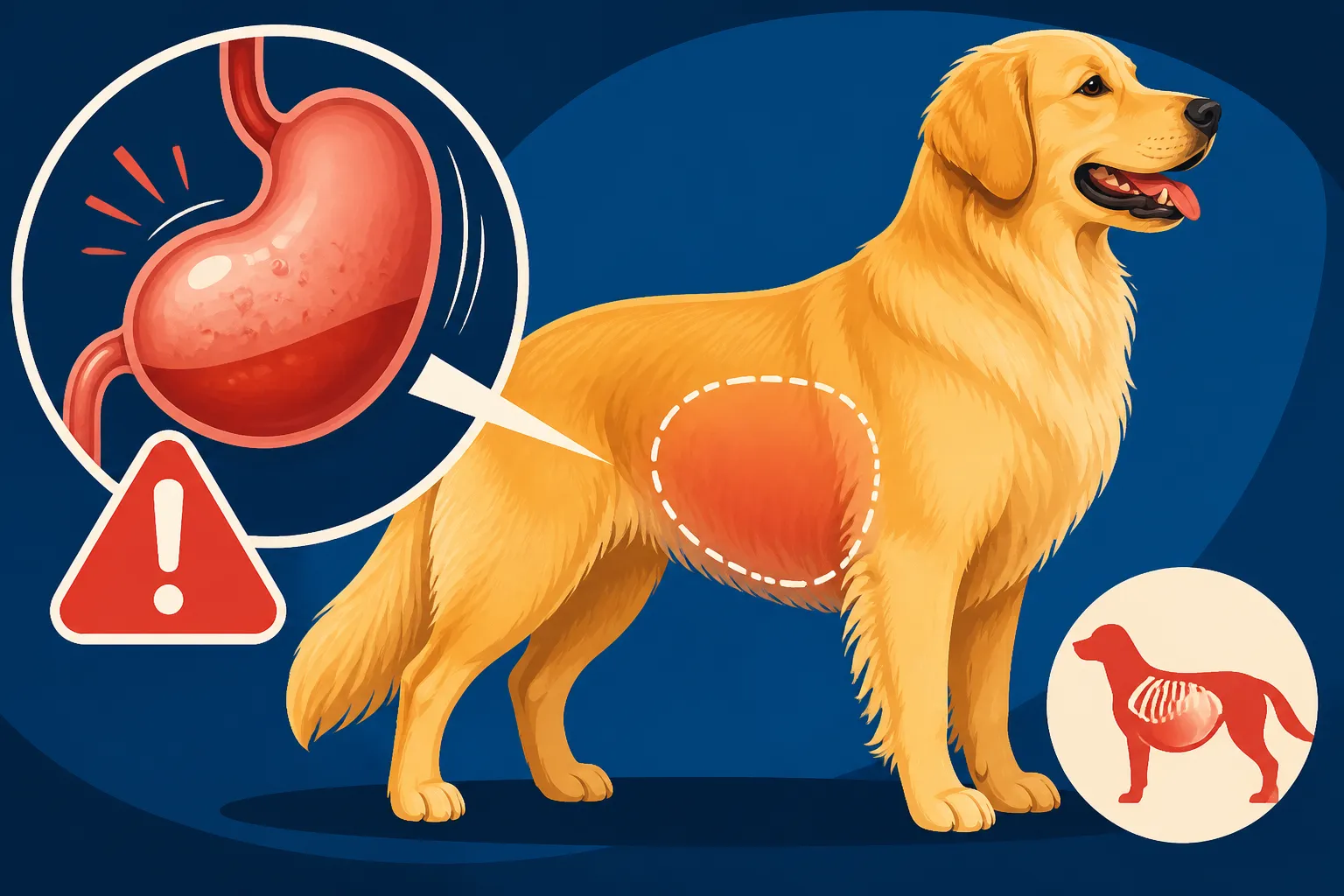
Bloat Risk in a Deep-Chested Golden
Few things strike fear into the heart of a Golden Retriever owner like the word "bloat." It's a sudden, terrifying condition that can turn a perfectly healthy, happy dog into a critically ill patient in a matter of hours, often catching us completely off guard. This guide will walk you through understanding why our beloved deep-chested Goldens are particularly susceptible, how to recognize the urgent warning signs, and crucial steps you can take to protect your furry family member from this life-threatening emergency.
Understanding Bloat: More Than Just a Belly Ache
When we talk about "bloat" in dogs, especially deep-chested breeds like our Golden Retrievers, we're not just referring to a little gas or an upset tummy. This is a severe medical emergency known as Gastric Dilatation-Volvulus, or GDV, and it requires immediate veterinary attention. It’s a terrifying condition that every Golden owner should be intimately familiar with, as minutes can literally mean the difference between life and death.
What is Gastric Dilatation-Volvulus GDV
At its core, GDV involves two main components: dilatation and volvulus. Dilatation is when the stomach fills with gas, food, or fluid and expands like a balloon, putting immense pressure on other organs and large blood vessels. This alone is incredibly painful and dangerous. However, the "volvulus" part is what makes it truly catastrophic. This is when the distended stomach then twists on its axis, essentially closing off both the entrance and exit. Think of it like a twisted garden hose, preventing anything from entering or leaving. This twisting traps the gas and contents, leading to rapid tissue death in the stomach wall, cutting off blood flow, and sending the dog into shock. The spleen, which is attached to the stomach, often twists with it, compounding the problem.
The exact cause of GDV is still not fully understood, which is part of what makes it so frustrating and scary for owners. It's often a perfect storm of multiple factors, rather than one single trigger. Some theories suggest vigorous exercise too close to eating, rapid consumption of large meals, genetic predisposition, and even stress can play a role. Regardless of the initial trigger, once the stomach begins to distend and twist, the clock starts ticking rapidly.
The Speed and Severity of Bloat
One of the most frightening aspects of bloat is how quickly it can progress from subtle discomfort to a full-blown life-threatening crisis. Many owners report that their dog seemed perfectly fine just an hour or two before symptoms became alarming. A dog could be happily playing in the yard, come inside, eat dinner, and within an hour, be showing signs of severe distress. This rapid progression is why immediate recognition and action are paramount. There's no "wait and see" with bloat; it’s an absolute emergency that demands an immediate trip to the nearest emergency veterinary hospital.
The severity of bloat stems from several concurrent issues. The distended stomach presses on the diaphragm, making it hard for the dog to breathe. It also compresses major blood vessels, restricting blood flow back to the heart, leading to a dangerous drop in blood pressure and sending the dog into shock. The lack of blood flow to the stomach wall causes tissue to die, releasing toxins into the bloodstream. If not treated quickly, this cascade of events can lead to organ damage, heart arrhythmias, and ultimately, death. Studies show that without immediate surgical intervention, the mortality rate for GDV can be as high as 100%. Even with surgery, there are significant risks and recovery challenges, reinforcing why knowing the signs and acting fast is so crucial for every Golden Retriever owner. For more on what to look for, check out our guide on Bloat in Golden Retrievers and the Signs Owners Miss.
Why Deep-Chested Breeds Are at Higher Risk
It's a frustrating reality that certain breeds are predisposed to conditions like bloat, and unfortunately, our beloved Golden Retrievers fall into this category. Their unique body structure, particularly their deep chest, is a significant contributing factor to their increased risk of developing GDV. Understanding this anatomical predisposition helps explain why vigilance is so critical for Golden owners.
The Golden Retriever's Unique Anatomy
Golden Retrievers, like many other large, athletic breeds, possess a distinctive "deep-chested" conformation. This means their chest cavity is relatively long and narrow, with a pronounced keel (the front part of the sternum). This deep chest provides ample room for their heart and lungs, supporting their stamina and athleticism, which makes them such excellent working and sporting dogs. However, this same anatomical feature creates a larger, more mobile space for the stomach to sit in, allowing it more room to distend and, crucially, to twist.
Imagine a balloon in a small, tight box versus the same balloon in a much larger, open box. In the smaller box, there's less room for the balloon to expand or shift wildly. In the larger box, it has more freedom to move around, expand, and potentially flip over. This is a simplified analogy for how the deep chest of a Golden Retriever can contribute to the risk of GDV. The stomach, instead of being snugly held, has more space to balloon up with gas and then rotate, initiating the volvulus. While a deep chest doesn't cause bloat directly, it certainly sets the stage for the condition to occur more easily than in breeds with shallower, wider chests.
Other Breeds Sharing the Risk
It's not just Golden Retrievers who are susceptible to GDV due to their deep-chested build. Many other large and giant breeds share this anatomical risk factor. Knowing these breeds can help reinforce the importance of vigilance, as many of these dogs are often seen together in dog parks or shared communities. Breeds with a high predisposition include:
- Great Danes (often considered the poster child for bloat risk)
- Standard Poodles
- German Shepherds
- Weimaraners
- Boxers
- Doberman Pinschers
- Setters (Irish, English, Gordon)
- Basset Hounds (despite being low to the ground, they also have a deep chest)
While the exact risk factors can vary between individuals and even lines within breeds, the common thread among these breeds is their conformation. Genetic predisposition within certain families of these breeds is also well-documented, suggesting a hereditary component. If you have a Golden Retriever, and especially if you know their lineage includes dogs that have suffered from bloat, your awareness and proactive measures become even more critical. Research continues to identify specific genes or genetic markers, but for now, understanding breed-specific risk is our best defense.
Recognizing the Alarming Signs of Bloat
The absolute most critical skill for any Golden Retriever owner is the ability to recognize the signs of bloat quickly. Because this condition progresses so rapidly, there is no time to waste debating symptoms or waiting for them to worsen. Early detection and immediate action are the cornerstones of saving your dog's life. It's often the subtle changes that appear first, and being attuned to your dog's normal behavior is key.
Early, Subtle Indicators
Before the situation becomes dire, there are usually some early, more subtle indicators that can hint at a problem. These might be easy to dismiss if you're not specifically looking for them, but they are crucial warnings. One of the very first things you might notice is restlessness or an inability to get comfortable. Your Golden might pace, try to lie down in various positions, and then immediately stand up again. They might also appear anxious, panting more than usual even when not exerting themselves, or constantly looking at their abdomen.
Another common early sign is unsuccessful attempts to vomit or belch. Your dog might stretch their neck, gag, or heave, but nothing comes up – or perhaps just a small amount of foamy saliva. This is because the twisted stomach is blocking the normal passage of gas or contents. They might also drool excessively. Their abdomen might feel tense or appear slightly distended, though this can be harder to spot in the early stages, especially in Golden Retrievers with their thick coats. They might be reluctant to lie down or even sit, preferring to stand or pace. Any of these subtle changes, particularly after a meal or vigorous activity, should immediately raise a red flag.
Advanced and Critical Symptoms
As bloat progresses, the symptoms become far more pronounced and alarming, indicating a severe emergency. The most obvious sign is a rapidly distending abdomen that feels tight and hard, like a drum. This distension can happen incredibly fast. Your dog's breathing will become labored and shallow, often accompanied by rapid panting, as the expanded stomach puts pressure on their lungs. They may whimper or cry out in pain when you try to touch their belly.
As shock sets in, other critical symptoms will appear. Their gums may become pale or blue-tinged, their heart rate will be rapid and weak, and their pulse faint. They may become extremely weak, stagger, or even collapse. You might notice excessive drooling and dry heaving, producing little to no vomit. At this stage, your Golden Retriever will be in immense pain and distress. This is not a situation where you can call your regular vet for advice; it demands an immediate trip to the emergency veterinary clinic. Every second counts. If you see these signs, do not hesitate – just go.
Key Factors Contributing to Bloat in Goldens
While the deep-chested anatomy of Golden Retrievers puts them at a higher inherent risk for bloat, it’s rarely the only factor. Bloat is often the result of a complex interplay of various elements, including diet, eating habits, activity levels, stress, and even genetics. Understanding these contributing factors allows us to implement proactive strategies to mitigate the risk for our beloved companions.
Eating Habits and Food Choices
How and what your Golden Retriever eats can significantly influence their bloat risk. Rapid eating, also known as "gulping," is a major culprit. When dogs eat too quickly, they swallow a lot of air along with their food, which can contribute to gas buildup in the stomach. Eating one large meal a day, as opposed to two or three smaller meals, also seems to be associated with an increased risk. A large volume of food can cause the stomach to stretch more, increasing the likelihood of distension and twisting.
The type of food also plays a role, though research on this is ongoing and sometimes conflicting. Traditionally, diets high in fat or those with a primary ingredient of oil have been implicated, as well as diets where citric acid is listed as a preservative. However, more recent studies have pointed to coarse, dry kibble that contains fermentable ingredients (like soy or certain fiber sources) as potentially contributing to gas production. Some sources suggest that feeding exclusively dry kibble, especially large kibble sizes, might increase risk for some dogs. Conversely, some studies initially suggested that raised food bowls increased risk, but current consensus, including findings from the Golden Retriever Lifetime Study, suggests Whether Raised Bowls Cause Bloat in Goldens does not significantly increase risk and may even have a slight protective effect for some. However, it's still a point of debate, so monitor your dog's specific response. For the best insights into tailoring your Golden's diet, consider looking at our information on Golden Retriever Puppy Feeding Amounts and Schedule and later, adult feeding.
Exercise, Stress, and Genetics
Beyond eating habits, a Golden Retriever's activity level and emotional state can also be significant factors. Vigorous exercise immediately before or after a meal is widely considered a risk factor. The jostling and movement can cause a full stomach to swing and potentially twist. It's generally recommended to wait at least an hour before and after meals before engaging in strenuous activity. Even seemingly innocuous activities like rolling vigorously after eating could contribute.
Stress and anxiety are increasingly recognized as potential contributors to bloat. When dogs are stressed, their digestion can be disrupted, and they may swallow more air. Anxious dogs often gulp air, leading to aerophagia, which directly contributes to stomach distension. This could be particularly relevant for Golden Retrievers prone to anxiety, such as those with Whether Golden Retrievers Get Separation Anxiety or general nervousness. Ensuring a calm eating environment and minimizing stress around mealtimes is important.
Finally, genetics play a critical, undeniable role. Bloat has a strong hereditary component, meaning it often runs in families. If a dog's parents or close relatives had GDV, that dog is at a significantly higher risk. This is why when choosing a Golden Retriever puppy, a reputable breeder will be transparent about the health history of their breeding stock, including any instances of bloat. This genetic predisposition, combined with environmental triggers, creates the perfect storm for GDV in susceptible individuals.
Proactive Steps to Minimize Bloat Risk
While we can’t completely eliminate the risk of bloat in our deep-chested Golden Retrievers, there are many proactive steps we can take as responsible owners to significantly minimize its likelihood. These strategies span from careful dietary management and feeding practices to lifestyle adjustments and even certain veterinary interventions. Being diligent in these areas can offer a strong layer of protection for your beloved companion.
Dietary Management and Feeding Strategies
One of the most impactful areas where you can reduce bloat risk is through how and what you feed your Golden. First and foremost, avoid feeding just one large meal a day. Breaking their daily food allowance into two or three smaller meals spreads out the volume in the stomach, making it less likely to distend excessively. For a typical adult Golden Retriever, this usually means a morning and evening meal.
Secondly, encourage slower eating. If your Golden is a "gulper," consider using a slow-feeder bowl or placing a large, non-chokeable object (like a clean, smooth rock or a specialized slow-feeder insert) in their regular bowl. This forces them to eat around the obstruction, slowing down their intake and reducing the amount of air they swallow. Some puzzle feeders can also achieve this effect. Regarding the food itself, many veterinarians recommend large breed-specific formulas, which are often formulated to support slower eating and appropriate growth rates, especially for puppies. While the role of specific ingredients is complex, choosing a high-quality, easily digestible food is always a good starting point. Avoid diets with a very high fat content or those that rely heavily on fermentable ingredients, if your dog shows sensitivity.
Lifestyle Adjustments and Veterinary Interventions
Beyond diet, everyday lifestyle choices can make a big difference. Strict adherence to the "no exercise around mealtime" rule is crucial. Ensure your Golden has a quiet, calm period for at least an hour before and after eating. This means no strenuous play, no long walks, and definitely no running or jumping immediately after finishing their dinner. Likewise, avoid offering large amounts of water immediately after meals, especially if they gulp it down. Small sips are fine, but a full bowl guzzled can also contribute to stomach distension.
Managing stress is another important, though often overlooked, factor. A calm environment, especially around feeding times, can help reduce the likelihood of excessive air swallowing due to anxiety. If your Golden is generally anxious, addressing that underlying stress through training, enrichment, or even veterinary consultation can be beneficial.
For Goldens identified as being at particularly high risk – perhaps due to family history of GDV or previous non-volvulus bloat episodes – a veterinary intervention called a prophylactic gastropexy might be an option. This surgical procedure permanently tacks the stomach to the abdominal wall, preventing it from twisting. While it doesn't prevent the stomach from distending (dilatation), it eliminates the life-threatening volvulus component. This is often performed concurrently with spaying or neutering when the dog is young, saving the need for a separate surgery. Discussing this option with your veterinarian, especially if you have concerns about your Golden's specific risk factors, is a valuable proactive step. To understand more about the surgical procedure, refer to our article on Gastropexy Surgery for Golden Retrievers.
What to Do in a Bloat Emergency
Despite all our best efforts and preventative measures, sometimes bloat still happens. This is why knowing exactly what to do when you suspect bloat is perhaps the single most important piece of information for any Golden Retriever owner. Your swift, decisive action is literally the difference between life and death for your dog. There is no time for panic, only for action.
Immediate Actions at Home
If you observe any of the alarming signs of bloat – especially a distended abdomen, unproductive retching, pacing, or extreme distress – you need to act immediately. Do not try to Google remedies or wait to see if your dog "gets better." Do not try to give them antacids or home remedies; these will not help and will only delay critical care. Your only immediate action at home is to get your dog to an emergency veterinary clinic as fast as humanly possible.
Call ahead if you can, but don't delay your departure if you can't get through. Simply state, "I am bringing in a dog with suspected bloat (GDV)," so they can prepare for your arrival. Keep your dog as calm and comfortable as possible during the journey. Avoid jostling them excessively, but focus on speed. If you have another person with you, one can drive while the other monitors the dog. The faster your Golden gets professional medical attention, the higher their chances of survival. Think of it as a ticking clock; every minute counts.
The Critical Importance of Emergency Vet Care
Once you arrive at the emergency veterinary clinic, the medical team will immediately assess your Golden Retriever. They will likely confirm GDV through a physical exam and possibly an X-ray. The first priorities will be to stabilize your dog, which often involves placing an IV catheter to administer fluids for shock, managing pain, and attempting to decompress the stomach. Decompression might involve passing a tube down the esophagus into the stomach or, if that's not possible, using a large needle to release gas through the abdominal wall (trocarization).
After stabilization, emergency surgery is almost always required to untwist the stomach and assess for any damage to the stomach wall or spleen. If parts of the stomach tissue have died, they may need to be removed. During this surgery, the veterinary surgeon will typically perform a gastropexy, permanently attaching the stomach to the abdominal wall to prevent future occurrences of volvulus. This is the same prophylactic procedure mentioned earlier. Post-operative care is intensive, involving monitoring for complications like heart arrhythmias, infection, and ongoing pain management.
The cost of bloat surgery and emergency care can be substantial, often running into several thousands of dollars due to the complexity and intensive nature of the treatment. This is where pet insurance, such as a plan from Healthy Paws, can be an absolute lifesaver, helping to cover a significant portion of these unexpected and high Golden Retriever Emergency Vet Bills. Without prompt and specialized emergency care, the prognosis for GDV is grim, highlighting why a prepared owner and a well-equipped emergency vet are an unbeatable team in the face of this terrifying condition. You can explore how pet insurance can help cover unexpected medical costs in our guide, Pet Insurance for a Golden Retriever.
Disclaimer
This article is intended for informational purposes only and does not constitute medical advice. Always consult with a qualified veterinarian for any health concerns or before making any decisions about your pet's health or treatment.