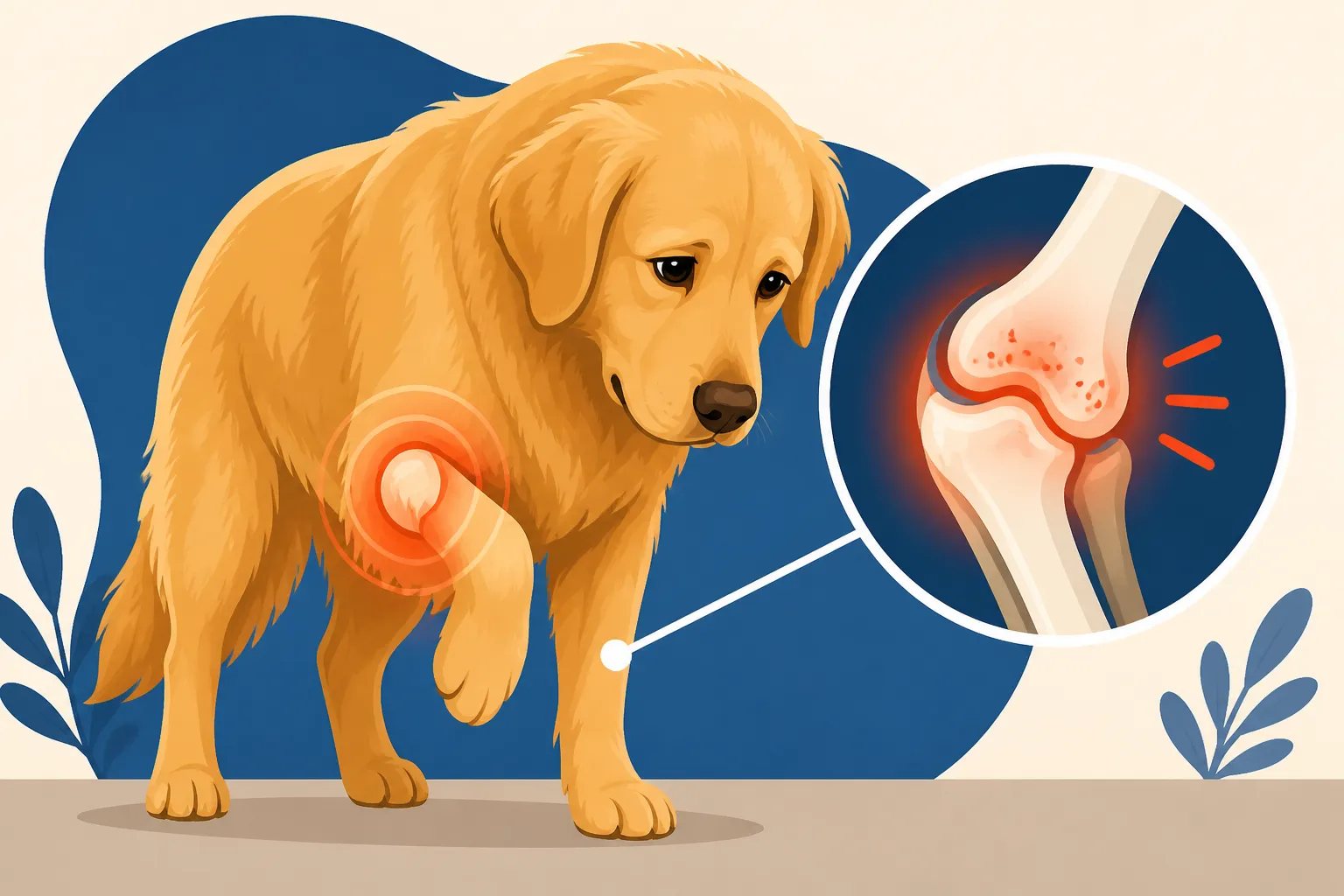
Arthritis Signs in an Eight-Year-Old Golden
It’s a heart-wrenching moment when you first notice your beloved Golden Retriever, who once bounded with boundless energy, hesitating before jumping onto the couch or seeming a little stiff after a nap. Many of us, myself included, have been there, wondering if it's just "old age" setting in or something more. This guide is dedicated to helping you recognize the often subtle, yet critical, signs of arthritis in your eight-year-old Golden, so you can act early and help them maintain their quality of life.
Understanding Golden Retriever Arthritis and Its Onset
Watching your Golden Retriever slow down can be incredibly tough, especially when they’ve always been a whirlwind of enthusiasm. When those subtle changes start to appear around the eight-year mark, it’s often due to something called osteoarthritis, or simply arthritis, setting in. It’s not just a fancy term; it's a real, often painful condition that many large breeds, including our Goldens, are prone to.
Why Arthritis is Common in Older Goldens
Our wonderful Golden Retrievers, with their robust builds and incredible athleticism, are unfortunately prime candidates for developing arthritis as they age. A significant factor here is their genetic predisposition to joint issues like Golden Retriever Hip and Elbow Dysplasia Explained. These conditions, which can start much earlier in life, lay the groundwork for arthritis by causing abnormal wear and tear on the joint cartilage. Even if your Golden wasn't diagnosed with dysplasia as a pup, years of carrying their substantial weight, combined with their active lifestyle, puts immense stress on their joints. Think about it: all those joyful jumps, swift turns, and enthusiastic retrieves gradually take a toll.
Beyond genetics, other factors like maintaining a healthy weight play a crucial role. An overweight Golden Retriever adds even more strain to already vulnerable joints, accelerating cartilage degradation. Previous injuries, even seemingly minor ones from their younger, more boisterous days, can also predispose a joint to early arthritis. What exactly is arthritis? At its core, it's the inflammation of the joints, leading to the breakdown of the smooth cartilage that cushions bones. As this cartilage wears away, bones can rub against each other, causing pain, stiffness, and reduced mobility. While some Goldens might show signs earlier or later, around eight years old is often when these changes become noticeable, moving from very subtle to more consistently present.
The Silent Progression of Joint Pain
One of the most frustrating and challenging aspects of arthritis in dogs is their incredible ability to mask pain. Our Goldens are stoic creatures by nature; they want to please us and often won't overtly yelp or limp until the discomfort is quite significant. As owners, we often find ourselves in a difficult position, attributing those initial subtle cues to "just getting old." We might think, "Oh, he's just tired today," or "She's not as quick as she used to be, that's normal for a senior dog." This common misconception means that arthritis often progresses silently, slowly, under our very noses.
The progression of arthritis isn't usually a sudden, dramatic event. Instead, it’s a creeping, gradual process. You might notice your Golden is a bit slower to get up in the morning, but then they "warm up" and seem fine. Or maybe they don't quite leap into the car with the same gusto, but they still manage. These small, incremental changes are easy to overlook, especially when they still have moments of their old self. It’s like a dimmer switch, not an on/off button; the light of their youthful agility slowly dims over time. It’s this subtle, intermittent nature of early arthritis that makes careful observation so vital for owners of eight-year-old Goldens.
Key Physical and Behavioral Changes to Watch For
As your Golden Retriever gracefully enters their senior years, observing their day-to-day habits becomes paramount. The signs of arthritis often manifest in subtle ways, both in how they move and how they behave. Learning to differentiate between normal aging and actual discomfort is the first step towards helping them.
Subtle Shifts in Movement and Gait
One of the earliest and most telling signs of arthritis in an eight-year-old Golden is a change in how they move, especially after periods of rest. Have you noticed them struggling to push themselves up from a lying position, perhaps letting out a soft grunt or taking a few extra seconds to get all four paws under them? That "stiffness after rest" is a classic indicator. Many owners report their Golden's morning routine becoming slower, with a noticeable stiffness that seems to ease after a few minutes of walking around. It's often worse on cold or damp days, just like in humans.
Beyond just rising, pay close attention to their overall gait. Is your Golden taking shorter strides, particularly with their hind legs? Do they seem less willing to fully extend their limbs? You might even observe a slight "bunny hopping" motion when they try to run or trot, where both back legs move together. This isn't just a cute quirk; it can be a compensatory mechanism to avoid painful hip or knee extension. Activities they once loved, like bounding up the stairs, jumping into the car, or even just hopping onto your bed, might now be met with hesitation, a slower pace, or even an outright refusal. If your Golden Retriever stops jumping on the couch, it's a significant sign they're feeling discomfort. These subtle shifts are often the first quiet calls for help from their aching joints.
Behavioral Indicators of Discomfort
While physical signs are important, changes in your Golden Retriever's behavior can be equally, if not more, revealing. These shifts often indicate an underlying discomfort that they're trying to cope with. Has your once-enthusiastic greeter become less excited about walks, preferring to just potter in the yard instead of embarking on a long adventure? Are they taking fewer trips to the toy box, or have their play sessions become noticeably shorter and less vigorous? A decreased enthusiasm for activities they once loved, like a game of fetch, is a strong signal.
You might also notice changes in their sleeping habits or preferred resting spots. They might avoid certain positions that put pressure on sore joints, or seek out softer, warmer places to lie down. Some Goldens become more irritable when touched, particularly around their hindquarters, back, or elbows. A gentle pat on the hip that once brought a wagging tail might now elicit a flinch, a growl, or even a snap – completely out of character for the usually gentle Golden. Excessive licking or chewing at a particular joint can also indicate pain or discomfort in that area. In some cases, a Golden with arthritis might even have "accidents" indoors, not because they've forgotten their training, but because it's too painful or difficult for them to get up and outside quickly enough. These behavioral changes are often the clearest signs a Golden Retriever is in pain, even if they're not overtly limping.
Visible Physical Alterations
Beyond the subtle movements and behavioral shifts, there can also be some more obvious physical changes in an eight-year-old Golden Retriever suffering from arthritis. As a dog starts to favor one limb or reduce the use of a painful joint, the muscles around that area will begin to atrophy, meaning they lose mass and strength. You might notice that their hindquarters, for instance, look less muscular and more "wasted" compared to their younger self, even if they're not losing overall body weight. This is a clear indicator that they're not bearing weight evenly or engaging those muscles as much.
Sometimes, a painful joint might appear swollen or feel warm to the touch. This isn't always obvious, especially under a Golden's thick coat, but a careful examination during grooming might reveal it. Another less common, but possible, sign is a change in their coat condition over an affected joint. If a dog is constantly licking, it can lead to hair loss, skin irritation, or a dull, matted appearance in that specific spot. While these physical alterations are typically signs of more advanced arthritis, keeping an eye out for them, especially during your regular grooming routine, can provide crucial clues.
Here's a quick guide to help you distinguish between what might seem normal and what could be an early arthritis warning:
| Sign Observed | Common Owner Interpretation | What It Really Might Mean for an 8-Year-Old Golden |
|---|---|---|
| Slow to get up after rest | "Just getting old, takes a minute" | Stiffness and pain in arthritic joints |
| Less enthusiastic for walks/play | "He's lazy today" | Joint discomfort making activity painful |
| Hesitates before jumping into car/onto bed | "She's being careful" | Pain when loading weight or extending joints |
| Licking or chewing a specific joint | "Must be itchy" | Self-soothing due to underlying joint pain |
| Slight limp that "warms up" | "Just a temporary strain" | Early stage joint inflammation or degradation |
| Irritability when touched near hips/back | "He's grumpy today" | Guarding painful areas, fear of being hurt further |
| Changes in sleeping position | "She found a new comfy spot" | Avoiding positions that exacerbate joint pain |
| Muscle loss in hindquarters | "Just losing weight as he ages" | Muscle atrophy due to reduced use of painful limbs |
Getting a Diagnosis and Starting Management Early
Discovering your beloved Golden Retriever might be suffering from arthritis can be a worrying time, but the good news is that early diagnosis and proactive management can make a world of difference in their comfort and quality of life. Don't let the fear of what you might find stop you from seeking help.
When to Consult Your Veterinarian
If you’ve noticed any of the subtle shifts in movement, behavior, or physical appearance we've discussed, it’s absolutely time to schedule a visit with your veterinarian. Don't wait until your Golden is overtly limping or screaming in pain; by then, the condition is likely more advanced and harder to manage. Early intervention is key to slowing the progression and maintaining their comfort. Your vet will perform a thorough physical examination, which includes carefully palpating your dog's joints, assessing their range of motion, and observing their gait. They'll watch how your Golden walks, trots, and sits, looking for those tell-tale signs of stiffness or compensatory movements.
To confirm an arthritis diagnosis and understand its severity, your vet will likely recommend diagnostic imaging, most commonly X-rays. These images allow them to visualize the joint spaces, identify any bone spurs (osteophytes), signs of cartilage loss, or underlying conditions like hip or elbow dysplasia. Sometimes, blood tests might also be recommended to rule out other health issues or to establish a baseline before starting certain medications. Remember, your vet is your partner in this journey, and they’ll guide you through the process, explaining every step and what it means for your Golden. For senior Goldens, it’s a good idea to schedule Why Goldens Need Vet Visits Twice a Year anyway, which helps catch these issues even earlier.
Early Intervention Strategies
Once arthritis is diagnosed, your vet will work with you to create a comprehensive management plan aimed at alleviating pain, reducing inflammation, and preserving joint function. One of the most critical aspects of managing arthritis, especially in a breed prone to weight gain, is maintaining a healthy weight. Golden Retriever Weight and Joint Damage is real, and even a few extra pounds can significantly increase the load on already compromised joints. Your vet can help you determine the ideal weight for your Golden and suggest dietary adjustments if needed.
Supplements are often a cornerstone of early intervention. Glucosamine and chondroitin, often combined, help support cartilage health, while omega-3 fatty acids (like fish oil) have natural anti-inflammatory properties. You can learn more about Glucosamine Doses for a Golden Retriever. While supplements aren't a magic bullet, they can certainly contribute to comfort. Physical therapy for a Golden Retriever with bad hips, including gentle exercises, stretches, and even underwater treadmill sessions, can strengthen surrounding muscles, improve flexibility, and reduce pain. At home, consider simple modifications like providing an orthopedic bed for a Golden Retriever, using ramps for the car or stairs, and keeping them warm with comfortable bedding, especially in colder weather. For more pronounced pain, your vet may prescribe non-steroidal anti-inflammatory drugs (NSAIDs) like Carprofen, Galliprant, or Deramaxx. These medications are highly effective at reducing pain and inflammation but require careful monitoring for side effects. It’s comforting to know that pet insurance providers like Healthy Paws often cover the costs associated with these vet-recommended treatments, including medications, physical therapy, and diagnostic tests, easing the financial burden on devoted owners. This can be a huge relief when facing ongoing care.
Long-Term Care and Quality of Life
It’s important to understand that arthritis is a progressive and incurable condition. The goal of long-term care isn't to eliminate it entirely, but to manage the pain effectively, slow its progression, and maintain your Golden Retriever’s quality of life for as long as possible. This means a lifelong commitment to their care, often involving a multi-modal approach. Regular, low-impact exercise, such as controlled leash walks or swimming (if they enjoy it), is crucial for maintaining muscle mass and joint flexibility without overstressing damaged joints. Talk to your vet about appropriate exercise levels, especially when you're trying to start Slowing Arthritis Down in an Older Golden Retriever.
Ongoing communication with your vet is vital. You’ll need regular check-ups, often twice a year, to monitor their condition, assess their pain levels, and make adjustments to their treatment plan as needed. If your Golden is on NSAIDs, regular blood work will be necessary to ensure their liver and kidney function remain healthy. Companies like Healthy Paws understand these ongoing needs and their comprehensive plans can be a real lifeline for managing these consistent vet visits and medication costs. Beyond the physical, don't forget mental stimulation. Puzzle toys, gentle training sessions, and simply spending quality time with you can keep their minds sharp and their spirits high, even if their body isn't as agile as it once was. The journey with an arthritic Golden is about embracing their new normal and ensuring every day is as comfortable and joyful as possible.
Disclaimer
The information provided in this article is for general informational purposes only and is not intended as a substitute for professional veterinary advice, diagnosis, or treatment. Always seek the advice of your veterinarian or other qualified animal health provider with any questions you may have regarding a medical condition or the health and welfare of your pet.