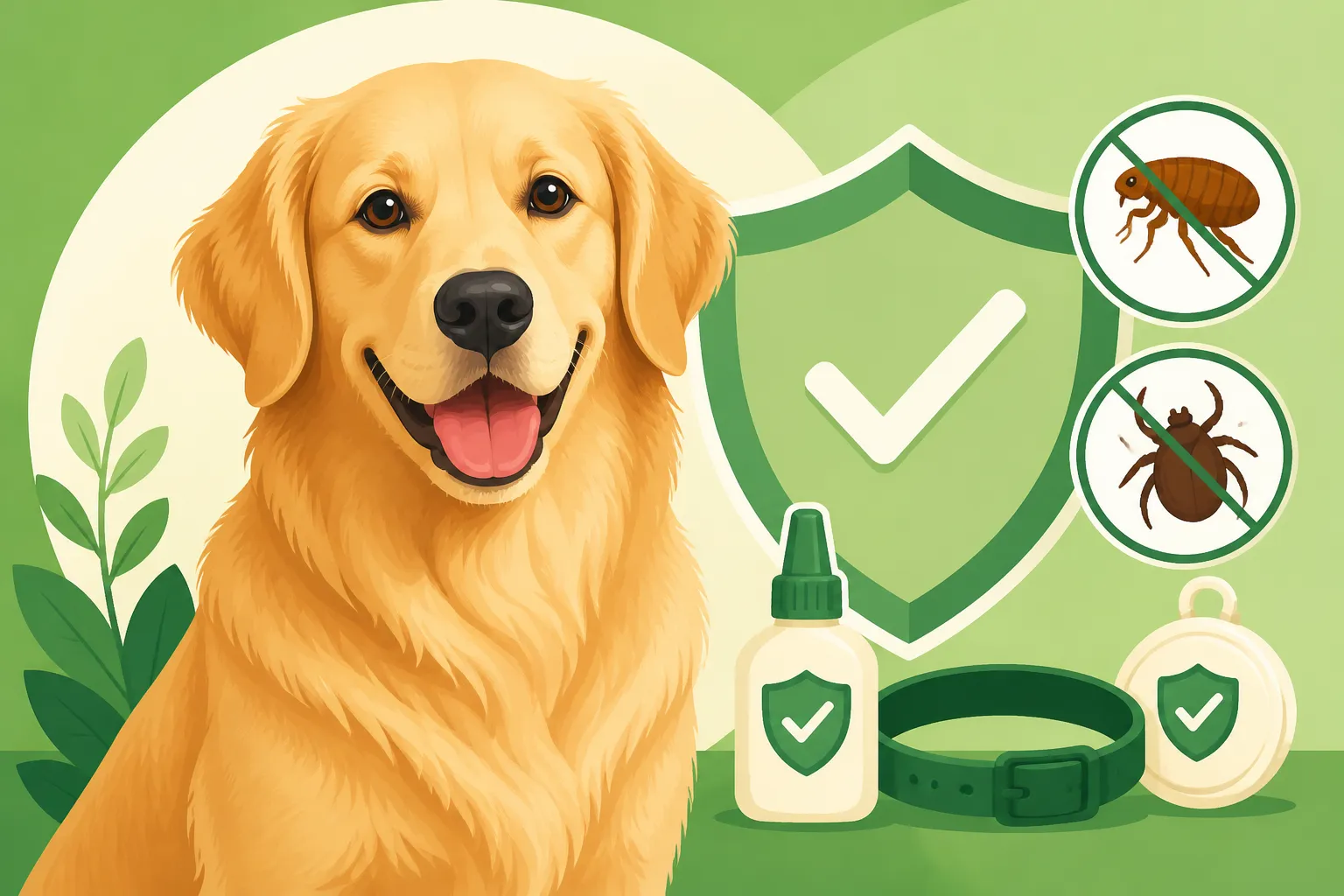
Flea and Tick Products Safe for Goldens
Keeping your beloved Golden Retriever safe from those tiny, persistent pests like fleas and ticks is a constant worry for so many of us. It’s not just about the discomfort these critters cause; it’s about protecting our furry family members from serious diseases they can transmit, all while navigating a sea of product options to find something truly safe and effective for their unique needs. This guide will walk you through the world of flea and tick prevention, helping you understand the best, safest choices for your Golden, and how to use them effectively.
The Persistent Threat of Fleas and Ticks to Golden Retrievers
Fleas and ticks aren't just an annoyance; they pose significant health risks that every Golden Retriever owner needs to take seriously. Given our Goldens' beautiful, dense coats and their love for outdoor adventures, they are prime targets for these parasites, making proactive and safe prevention absolutely essential.
Why Flea and Tick Prevention is Crucial for Goldens
Think about your Golden's gorgeous double coat. It's a paradise for fleas and ticks, offering warmth, shelter, and easy access to a blood meal. A single flea can lay dozens of eggs a day, leading to a full-blown infestation in your home and on your dog before you even realize what's happening. Ticks, on the other hand, are stealthy little creatures, often going unnoticed until they’ve already latched on and potentially transmitted something nasty.
Beyond the obvious itching and discomfort, these parasites carry a host of diseases. Fleas are often vectors for tapeworms, which can lead to digestive upset and nutrient deficiencies. More concerning are the diseases ticks transmit, like Lyme disease, ehrlichiosis, anaplasmosis, and Rocky Mountain spotted fever. These aren't just mild illnesses; they can lead to debilitating joint pain, lethargy, loss of appetite, and in severe cases, kidney failure or even neurological problems. Early detection and treatment are vital, but prevention is always the best medicine. Also, some Goldens develop severe allergic reactions to flea bites, known as flea allergy dermatitis, which can cause intense itching, skin irritation, and secondary infections, adding another layer of misery to an otherwise healthy dog. We’ve all seen a Golden suffering from Golden Retriever Skin, Ear and Allergy Problems, and fleas are often a trigger.
Common Misconceptions About Product Safety
It’s easy to get overwhelmed by the sheer number of flea and tick products out there, and misinformation abounds. Many owners are drawn to "natural" remedies, believing they are inherently safer. While some natural ingredients can have repellent properties, they often aren't effective enough for true prevention, especially in areas with high parasite loads. Furthermore, "natural" doesn't automatically mean "safe." Certain essential oils, for example, can be toxic to dogs if ingested or applied incorrectly. Always approach such products with caution and discuss them with your vet.
Another common misconception is that all over-the-counter products are equally safe or effective as vet-prescribed options. This simply isn't true. Many cheaper, readily available products can contain older, potentially harsher chemicals with a higher risk of side effects, or they might simply not be effective against the specific parasites prevalent in your area. Modern veterinary medicine has developed highly targeted and much safer preventatives that are rigorously tested. It's also important to remember that not all breeds react the same way to certain chemicals. While Golden Retrievers don't typically have the same sensitivities as some herding breeds (like Collies with the MDR1 gene), their individual health status, age, and any existing medical conditions can influence how they tolerate a medication. This is why a conversation with your veterinarian is always your best first step.
Types of Safe and Effective Flea and Tick Products for Golden Retrievers
When it comes to protecting your Golden Retriever, you'll find a variety of product types, each with its own benefits and considerations. Understanding how each works can help you make an informed decision, always in consultation with your vet.
Oral Medications: Chewables and Pills
Oral flea and tick medications have become incredibly popular, and for good reason. These come in tasty chewable forms or pills that your Golden ingests, offering systemic protection from the inside out.
The biggest pro of oral medications is their convenience and effectiveness. Once ingested, the active ingredient circulates in your dog's bloodstream. When a flea or tick bites your Golden, it ingests the medication and dies. This means no greasy residue on your dog's coat, no worries about it washing off during baths or swims, and no risk of small children or other pets accidentally coming into contact with a topical application site. Many of these products are effective against both fleas and a wide range of ticks, often providing a full month or even three months of protection. Brands like Bravecto, NexGard, Simparica, and Credelio are well-known examples in this category, each using different active ingredients but generally operating on a similar principle. They are typically well-tolerated by Golden Retrievers, but like all medications, they can have potential side effects, which are usually mild gastrointestinal upset.
On the flip side, the main con is that they require your dog to ingest the medication. For picky eaters, this might be a challenge, though many are flavored to be palatable. While generally safe, any medication carries a risk of systemic side effects, even if rare. These can include vomiting, diarrhea, or lethargy. It's crucial to discuss your Golden's full health history with your vet, especially if they have any seizure disorders or other neurological conditions, as some medications might not be suitable. The great thing about these products is that they start working quickly, often killing fleas within hours and ticks within a day, preventing them from laying eggs or transmitting diseases.
Topical Treatments: Spot-Ons
Topical spot-on treatments are another widely used option. These liquid medications come in small vials and are applied directly to a small area of your Golden's skin, usually between the shoulder blades, where they can't easily lick it off.
The primary advantage of spot-ons is their ease of application and the fact that they don't require ingestion, making them a good choice for dogs with sensitive stomachs or those who refuse oral medications. The active ingredients in these products typically spread across the skin via the dog's natural oils, killing fleas and ticks on contact or after they bite. Many well-known brands like Frontline Plus and K9 Advantix II fall into this category. Some topical treatments also offer a repellent effect, deterring parasites from even landing on your dog.
However, there are a few cons to consider. Spot-ons can leave a greasy residue on your Golden's fur for a day or two, which can be a bit messy. You also need to be careful about not bathing or allowing your dog to swim for a certain period after application, as water can diminish their effectiveness. Skin irritation at the application site can occur in some dogs. More importantly, if you have other pets, especially cats, you need to be extremely careful. Some common topical ingredients, particularly permethrin (found in K9 Advantix II), are highly toxic to cats. In a multi-pet household, ensuring separate sleeping areas and preventing contact until the application site is completely dry is paramount to prevent accidental exposure.
Flea and Tick Collars Modern Versions
Flea and tick collars have evolved significantly over the years. Gone are the days of strong-smelling, often ineffective collars that primarily served as repellents. Modern collars, like the Seresto collar, utilize different technology to provide long-term, effective protection.
The main benefits of these newer collars are their extended duration of action—often eight months—and the convenience of not having to remember monthly doses. The active ingredients are embedded within the collar's matrix and are slowly released onto the dog's skin and coat, spreading through the natural oils to kill fleas and ticks on contact. This means parasites don't necessarily have to bite your Golden to be affected. For owners looking for a low-maintenance solution, these collars can be appealing. They are also generally considered safe for Goldens, though individual reactions are always possible.
However, there are still considerations. While much safer than their predecessors, modern collars can still cause localized skin irritation or hair loss around the neck area in some dogs. You also need to ensure the collar is fitted correctly—snug enough to make contact with the skin but loose enough for two fingers to slip underneath. Incorrect fit can reduce effectiveness or cause discomfort. For households with small children or other pets that might chew on the collar, there’s a slight risk of exposure to the active ingredients, so monitoring is advised. Also, if your Golden loves to swim frequently, some collars might have reduced efficacy over time, even if they are water-resistant. They are also less effective at quickly clearing an existing heavy infestation compared to oral medications or shampoos designed for rapid kill.
Shampoos, Dips, and Sprays Immediate Kill or Specific Situations
While not typically used for long-term prevention, shampoos, dips, and sprays have their place in flea and tick management, especially for immediate relief during an active infestation.
Flea and tick shampoos are designed to kill parasites on contact, providing quick knockdown for dogs already covered in fleas. They can be incredibly satisfying to use when you see those tiny pests washing away. Dips involve immersing your Golden in a diluted chemical solution, offering a more thorough, though intense, treatment for heavy infestations. Sprays can be useful for spot treatment or for treating bedding and carpets, though direct application to your dog should be done with extreme care. These methods are typically used when you need to clear an existing problem quickly, acting as a first line of defense before a long-term preventative kicks in.
The significant drawback of these methods is their lack of residual activity. Once your Golden is dry, the protective effect rapidly diminishes. They are not a substitute for consistent, ongoing prevention. Many of these products contain harsher chemicals than modern oral or topical preventatives and can be drying to the skin or even irritating if not used precisely according to instructions. Dips, in particular, can be quite strong and are often best left to professional groomers or veterinarians due to the potential for toxicity if not mixed and applied correctly. Furthermore, they can be messy and stressful for both you and your Golden. Therefore, these are usually reserved for specific, acute situations, not as a routine preventative strategy.
| Product Type | How it Works | Pros | Cons | Golden Retriever Considerations |
|---|---|---|---|---|
| Oral Chewables/Pills | Ingested; active ingredient in bloodstream kills parasites when they bite. | Convenient, no residue, often 1-3 months protection, water-resistant. | Requires ingestion, potential for mild GI upset, prescription needed. | Excellent for active Goldens, no coat residue, but ensure vet consultation for health history. |
| Topical Spot-Ons | Applied to skin; spreads through oils, kills on contact or after biting. | Easy application, no ingestion, some repel, typically 1 month protection. | Greasy residue, cannot wash off initially, potential skin irritation, toxic to cats. | Good for sensitive stomachs, but careful application needed, especially in multi-pet homes. |
| Modern Collars (e.g., Seresto) | Active ingredients slowly released onto skin/coat; kills on contact. | Long-lasting (up to 8 months), no ingestion, visible protection. | Potential for localized irritation, less effective for heavy infestations, can be a chewing hazard for small children/pets. | Low maintenance, but ensure proper fit and monitor for skin reactions. |
| Shampoos & Sprays | Kills existing parasites on contact. | Immediate knockdown for active infestations. | No residual protection, can be harsh, messy, not for long-term prevention. | Best for acute infestations, always follow directions carefully; not a preventative. |
Choosing the Right Product and Application Tips for Your Golden
Selecting the best flea and tick product for your Golden Retriever isn't a one-size-fits-all decision. It requires careful consideration of several factors, including your dog's individual health, your local environment, and your lifestyle.
Consulting Your Veterinarian
This cannot be stressed enough: the absolute most crucial step in choosing a flea and tick preventative is to consult your veterinarian. Your vet knows your Golden Retriever's medical history, current health status, and any medications they might be taking, all of which are vital considerations. They also have an intimate understanding of the parasite prevalence in your specific geographic area. For instance, if you live in the Northeast United States, where Lyme disease is rampant, your vet will likely recommend products that are highly effective against the specific ticks that transmit it. In contrast, if you’re in an area with a high flea burden, they might prioritize a product known for rapid flea kill and control.
During your regular Why Goldens Need Vet Visits Twice a Year, be sure to bring up your concerns and questions about flea and tick prevention. They can guide you through the pros and cons of different product types, discuss potential drug interactions, and help you choose a preventative that is both safe and maximally effective for your individual dog. This personalized advice is invaluable and far outweighs any information you can gather online or from well-meaning friends. They can also advise on the proper timing for administering preventatives, especially if your Golden is a puppy undergoing their Golden Retriever Puppy Vaccination Timeline or a Caring for a Senior Golden Retriever who might have different metabolic needs.
Proper Application and Monitoring for Side Effects
Once you've chosen a product with your vet's guidance, proper application is key to its effectiveness and your Golden's safety. Always, always read the manufacturer's instructions thoroughly before applying any product.
For oral medications, ensure your Golden consumes the entire dose. Some might need to be hidden in a treat or smeared with peanut butter (ensure it's xylitol-free!). For topical spot-ons, apply the liquid directly to the skin, not just the fur, usually in one or more spots along the back where your dog can't lick it. Ensure the skin is dry before application and keep your Golden away from water (and other pets, especially cats) for the recommended period. With collars, ensure a snug but comfortable fit—you should be able to slide two fingers easily under the collar.
After application, it's vital to monitor your Golden Retriever closely for any adverse reactions. While modern preventatives are very safe, individual sensitivities can occur. Watch for signs such as lethargy, vomiting, diarrhea, loss of appetite, excessive scratching or redness at the application site, drooling, or any unusual neurological signs like tremors or disorientation. If you notice any of these symptoms, contact your vet immediately. It's also important to use the correct dosage based on your Golden's weight. Overdosing can lead to increased side effects, while underdosing can lead to reduced efficacy. If you suspect your Golden is Signs a Golden Retriever Is in Pain after a new treatment, definitely reach out to your vet.
Combining Methods and Environmental Control
While a single, effective preventative is your primary line of defense, a multi-faceted approach can provide even greater protection, especially if you live in a high-risk area or have an outdoor-loving Golden.
In addition to systemic or topical preventatives, consider environmental controls for your home and yard. Regularly vacuuming your home, especially carpets, rugs, and furniture, can help remove flea eggs and larvae. Washing your Golden's bedding frequently in hot water is also a must. For yards, especially if you have a large property or wildlife visitors, professional pest control treatments can reduce tick populations, though always ensure these treatments are pet-safe after application.
Sometimes, a combination of product types might be recommended by your vet. For example, if your Golden is particularly prone to fleas and also spends a lot of time in tick-infested areas, your vet might suggest an oral preventative for systemic protection coupled with a repellent spray before hikes. Just remember, any combination approach should be discussed with your vet to avoid over-medication or dangerous interactions. Think of it as investing in your Golden's overall well-being. Preventative care, including quality flea and tick products, contributes to The Real Cost of a Golden Retriever's First Year and ongoing care, but it’s an investment that pays off in health and happiness.
Common Concerns and What to Avoid
Navigating the world of flea and tick prevention means not just knowing what to use, but also understanding what to be cautious about or avoid entirely. Making informed choices can prevent unnecessary risks to your Golden Retriever's health.
Ingredients to Be Cautious About
While modern veterinary products have significantly improved safety, it's still good to be aware of certain ingredients, particularly in older or less regulated products, or when you have a multi-pet household.
- Permethrin: This is a common insecticide found in many dog-specific flea and tick products, especially some topical spot-ons and sprays. While generally safe for dogs, permethrin is highly toxic to cats. Even a small amount ingested by a cat, either directly or by grooming a dog who has recently had a permethrin-containing product applied, can lead to severe neurological symptoms, seizures, and even death. If you have cats in your home, it's crucial to be incredibly careful with permethrin-containing products on your Golden or to choose a different class of preventative altogether. Always check labels carefully.
- Organophosphates and Carbamates: These are older classes of insecticides that were once common in flea collars, dips, and shampoos. While still found in some products, they are generally considered to have a higher potential for toxicity in pets compared to newer chemicals. They can cause a range of symptoms, including drooling, vomiting, diarrhea, muscle tremors, and seizures. Most veterinarians now recommend newer, safer alternatives.
- "Natural" Essential Oils: The allure of natural solutions is strong, but many essential oils (like tea tree oil, pennyroyal oil, or certain citrus oils) can be toxic to dogs if applied incorrectly, in too high a concentration, or if ingested. While some may have mild repellent properties, they are rarely effective enough for reliable prevention and carry risks. Always discuss any natural remedies with your vet first to ensure they are genuinely safe and effective for your Golden.
Avoiding Counterfeit or Unregulated Products
In today's online marketplace, the temptation to find a cheaper deal on pet medications can be strong. However, buying flea and tick products from unverified online retailers or unregulated sources poses significant risks.
Counterfeit products are a real problem. These can contain ineffective dosages (meaning your Golden isn't protected), incorrect active ingredients that could be dangerous, or even contaminants. At best, they won't work, leaving your Golden vulnerable to parasites and diseases. At worst, they could cause a severe toxic reaction. Always purchase your flea and tick preventatives directly from your veterinarian, a trusted pet pharmacy, or reputable online retailers that require a prescription and are known for selling authentic products. Be wary of prices that seem too good to be true, as they often are. Sticking to well-established brands and distribution channels helps ensure you're getting a safe, effective product that has been properly manufactured and stored.
The Role of Pet Insurance in Preventative Care
While not a preventative product itself, pet insurance plays a critical role in the overall health and well-being strategy for your Golden Retriever, especially when considering the potential for unexpected health issues related to flea and tick prevention or treatment.
Even with the safest and most effective preventatives, there's always a small chance of an adverse reaction to medication, or a particularly persistent tick managing to transmit a disease. The costs associated with diagnosing and treating tick-borne illnesses like Lyme disease, ehrlichiosis, or even severe flea allergy dermatitis can quickly add up. These can include multiple vet visits, diagnostic tests (blood work, urinalysis), medications, and potentially long-term management for chronic conditions.
This is where a good pet insurance policy can be a lifesaver. Providers like Healthy Paws can help cover a significant portion of these unexpected veterinary bills, easing the financial burden during stressful times. While most pet insurance plans don't cover routine preventative care costs (like the monthly cost of flea and tick medicine itself), they are invaluable for covering the treatment of illnesses or injuries. Knowing that you have that financial safety net in place allows you to make the best medical decisions for your Golden Retriever without having to worry solely about the cost. It’s an investment in peace of mind, ensuring you can afford the best care if something goes wrong, regardless of how diligent you are with prevention. Consider it alongside your budget for potential Golden Retriever Emergency Vet Bills.
Disclaimer
The information provided in this article is for educational purposes only and is not a substitute for professional veterinary advice. Always consult with your veterinarian for any health concerns or before making decisions about your Golden Retriever's care, including the selection and use of flea and tick prevention products.