Why Golden Retriever Puppies Limp After Play
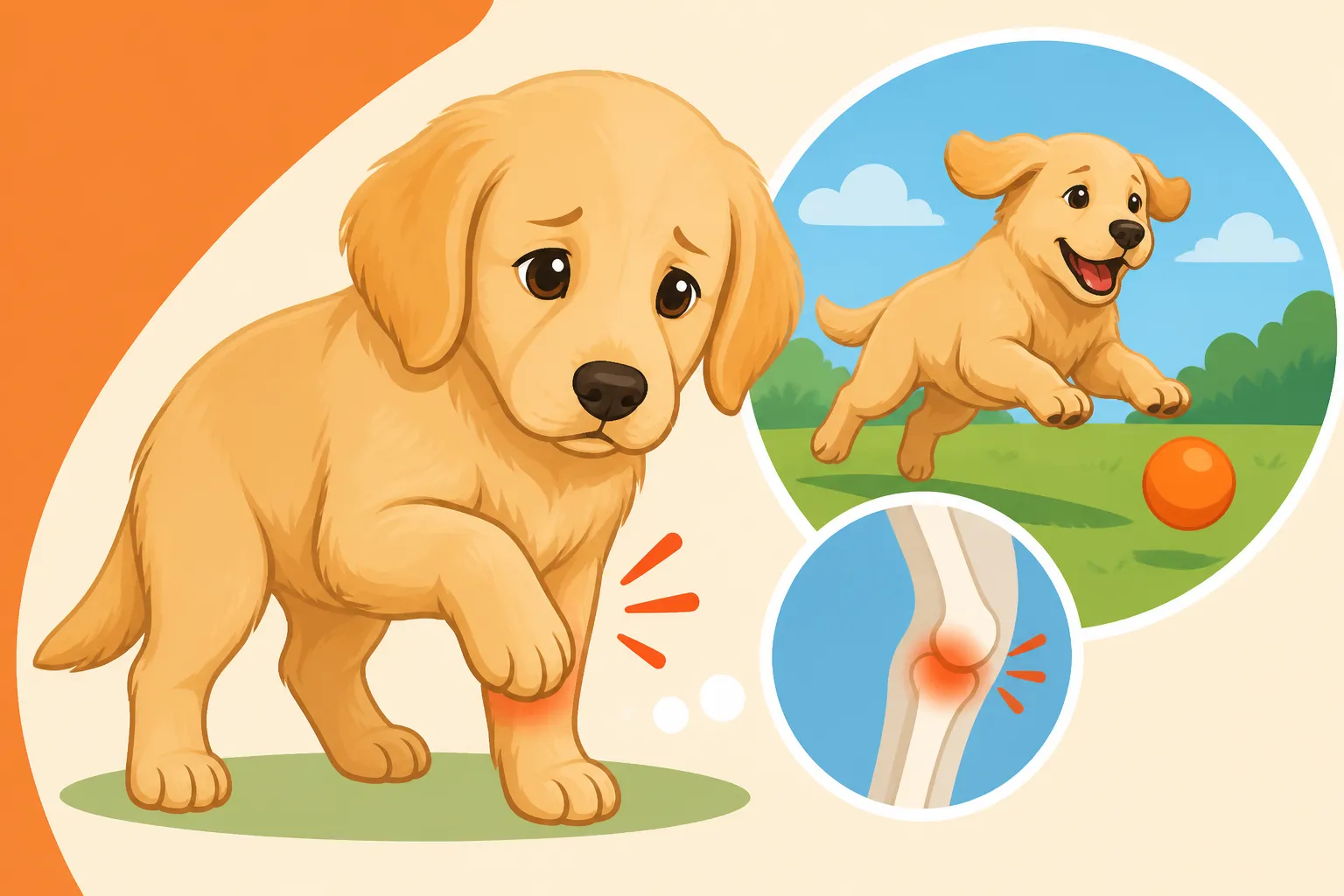
It's incredibly unnerving, isn't it, when your bouncy, happy-go-lucky Golden Retriever puppy suddenly starts limping after a vigorous play session? One minute they're a whirlwind of golden fur and joyful chaos, and the next, they're favoring a leg, making your heart leap into your throat. This guide is here to walk you through the common reasons why a Golden Retriever puppy might limp after play, helping you distinguish between typical puppy growing pains and signs that truly warrant a trip to the vet.
Understanding Normal Puppy "Growing Pains" Versus Red Flags
Golden Retriever puppies grow at an astonishing rate, sometimes gaining several pounds a week. This rapid growth, while exciting, also means their bones, joints, and soft tissues are constantly developing and are particularly vulnerable. It's a delicate balance, and sometimes, their boundless energy outpaces their structural maturity.
The "Zoomies" and Post-Play Fatigue
Anyone who's owned a Golden puppy knows the "zoomies." It's that sudden burst of manic energy where they tear around the house or yard at top speed, sliding on floors, crashing into furniture (or you!), and generally acting like a furry, golden tornado. These intense, short bursts of activity, while hilarious, can put a lot of strain on their developing bodies. Imagine a small child running a marathon – their muscles would be screaming!
For puppies, this vigorous play can lead to temporary muscle soreness or mild strains. Their coordination isn't fully developed, so they might take an awkward step, twist a paw, or simply overexert themselves. Often, a limp that appears immediately after a wild play session, lasts only a few minutes to an hour, and then completely disappears with rest, is simply a sign of temporary fatigue or a very minor, self-resolving tweak. You might see them favor a leg, maybe hop a little, but as soon as they settle down for a nap, it's gone. This kind of limping usually doesn't involve any swelling, heat, or persistent pain.
Growth Plate Sensitivity in Golden Retrievers
One of the most crucial things to understand about rapidly growing large breeds like Golden Retrievers is the vulnerability of their growth plates. These are areas of soft, developing cartilage located near the ends of long bones in puppies and young dogs. They're responsible for bone growth and don't fully harden into solid bone until a puppy is typically between 12 to 18 months old, sometimes even later for larger Goldens. Until then, they're the weakest part of the bone, even weaker than ligaments or tendons.
Because these growth plates are literally where bone growth happens, they are quite sensitive to impact and stress. A hard landing from a jump, a sudden stop during a sprint, or a twist during rough play could potentially cause micro-trauma or even a more serious injury to a growth plate. While a full fracture is a significant concern, even minor stress can lead to temporary inflammation and discomfort, resulting in a limp. This is precisely why vets and breeders often caution against excessive forced exercise, high-impact activities like repeated jumping, or navigating lots of stairs for Golden Retriever puppies. Protecting these fragile areas is key to preventing long-term orthopedic issues. Understanding the When a Golden Retriever's Growth Plates Close can really highlight how critical this period is for their joint health.
When to Be Concerned: Signs to Watch For
While a fleeting limp might be nothing, there are definite red flags that signal it's time to call your veterinarian immediately. It's always better to be safe than sorry, especially with a growing puppy.
Here's what you should be truly concerned about:
- Persistent Limping: If the limp doesn't resolve within an hour or two of rest, or if it comes and goes consistently over several days.
- Weight-Bearing Issues: If your puppy is completely unwilling to put any weight on the affected leg.
- Obvious Swelling or Deformity: Any visible swelling, heat, or unusual angle in a limb.
- Pain on Touch: If your puppy yelps, bites, or pulls away sharply when you gently touch or try to examine the affected area.
- Lethargy or Loss of Appetite: If the limping is accompanied by a general feeling of unwellness, lack of interest in food or play, or fever.
- Limping Gets Worse: If the limp seems to worsen over time or after continued activity.
- Limping in Multiple Limbs: While less common, limping that affects more than one leg or shifts between legs can sometimes indicate specific conditions.
If you observe any of these more serious signs, don't wait it out. A quick vet visit can rule out serious issues or ensure prompt treatment, which is critical for a puppy's long-term health. Unexpected vet visits can be costly, but having pet insurance like Healthy Paws can really alleviate the financial stress, allowing you to prioritize your puppy's well-being without hesitation.
Common Minor Causes of Post-Play Limping in Golden Puppies
Beyond just simple fatigue, there are several relatively minor issues that can cause a Golden Retriever puppy to limp after a burst of activity. These are often transient, but knowing what to look for can help you decide if it's something you can manage at home with rest or if a vet visit is in order.
Minor Sprains and Strains from Puppy Antics
Puppies, especially Golden Retrievers with their boundless enthusiasm, are notoriously clumsy. They chase, they tumble, they slide, and they crash – it’s all part of their adorable, chaotic charm. During these playful antics, it’s incredibly easy for them to experience a minor sprain or strain. A sprain involves ligaments (the tough bands connecting bones at a joint), while a strain affects muscles or tendons (which connect muscle to bone).
Imagine your puppy chasing a tennis ball at full tilt, making a sharp turn, and suddenly taking an awkward step. They might yelp, stumble, and then start favoring that leg. Or perhaps they leap off a low step, misjudge the landing, and overextend a joint. These incidents typically result in a low-grade, temporary limp. The affected area might be slightly tender, but usually, there's no significant swelling or deformity. With a day or two of restricted activity – meaning no zoomies, no wrestling with housemates, just leash walks for potty breaks – these minor sprains and strains often heal completely. Think of it like a minor twisted ankle for yourself; it hurts for a bit, but rest and gentle movement make it better.
Paw Pad Injuries and Foreign Objects
Sometimes, the cause of limping is right under their nose – or rather, under their paw! Golden Retrievers love to explore, and their paws are their primary tools for doing so. During playtime in the yard, at the park, or even on a walk, it's easy for them to step on something that causes discomfort.
Common paw issues that lead to limping include:
- Small Cuts or Punctures: Stepping on a sharp stone, a piece of glass, a thorn, or even a splinter.
- Burns or Blisters: Walking on hot pavement or rough, abrasive surfaces for too long can injure tender paw pads.
- Foreign Objects: Things like foxtails, burrs, or small pebbles can get lodged between their paw pads or toes, causing irritation and pain.
- Torn Nails: A nail might get caught and partially torn, which is incredibly painful.
When your puppy limps, especially after playing outdoors, always take a moment to carefully inspect their paws. Gently spread their toes, look closely at each pad for cuts, punctures, redness, or swelling. Check between the pads for any lodged debris. If you find a minor cut, you can clean it with a mild antiseptic and keep an eye on it. If there's a deep puncture, excessive bleeding, or a clearly embedded object you can't easily remove, a vet visit is necessary. Even a tiny, seemingly innocuous piece of debris can cause significant pain and lead to infection if not addressed.
Panosteitis: A True "Growing Pain"
Among Golden Retriever breeders and long-time owners, you'll often hear about "Pano." This is short for Panosteitis, and it’s a genuine, albeit painful, "growing pain" commonly seen in fast-growing, large breed puppies like Goldens, usually between 5 to 18 months of age. It's an inflammatory condition of the outer surface of the long bones in their legs.
The hallmark of Panosteitis is a sudden onset of limping that can seemingly shift from one leg to another, or even affect multiple legs simultaneously. One day your puppy might be favoring their right front leg, a few days later it might be the left hind leg. It can be quite alarming to witness, as the pain can range from mild to severe. Vets can usually diagnose it through a physical examination, feeling for pain on palpation of the long bones, and sometimes confirming it with X-rays which show changes in bone density.
The good news about Panosteitis is that it is typically self-limiting. While it's painful for your puppy, it usually resolves on its own as they mature and their bones finish growing. Treatment focuses on pain management, often with anti-inflammatory medications prescribed by your vet, and most importantly, rest. Limiting strenuous activity is key. It's often recommended to avoid high-impact play and stick to gentle, short walks during flare-ups. Learning about Panosteitis in Growing Golden Retrievers can give you a much deeper understanding of this common condition. It's a classic example of why proper Exercise Limits for a Golden Retriever Puppy are so important.
| Characteristic | Normal Post-Play Limping | Concerning Limping |
|---|---|---|
| Onset | Immediately after vigorous play | Can be sudden or gradual; may appear after mild activity or rest |
| Duration | Brief (minutes to an hour), resolves with rest | Persistent (hours to days), intermittent, or worsening |
| Pain Level | Mild discomfort, no yelping/biting on touch | Moderate to severe pain, yelping, reluctance to be touched |
| Weight Bearing | May favor leg but still puts some weight on it | Completely unwilling to bear weight on the affected limb |
| Physical Signs | No visible swelling, heat, or deformity | Visible swelling, heat, obvious deformity, or open wounds |
| Activity Level | Otherwise normal, returns to play quickly after rest | Lethargy, reluctance to play, changes in appetite or behavior |
| Veterinary Need | Usually not required, resolves with rest and observation | Immediate veterinary consultation recommended |
More Serious Underlying Issues That Cause Limping
While we all hope for a minor strain, it's vital for Golden Retriever owners to be aware of more serious underlying health conditions that can manifest as limping, especially after play or exertion. These conditions often require veterinary intervention and can have long-term implications if not addressed.
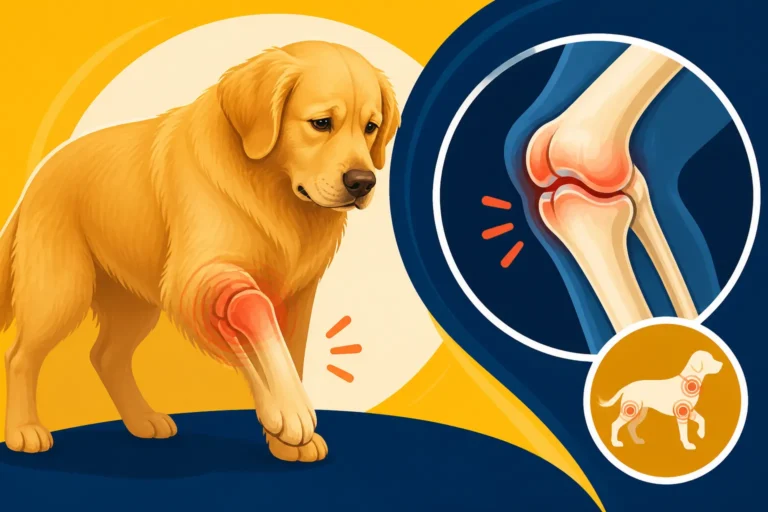
Developing Orthopedic Conditions: Hip and Elbow Dysplasia
Golden Retrievers are, unfortunately, predisposed to certain developmental orthopedic diseases, with hip and elbow dysplasia being among the most common. These are complex genetic conditions influenced by environmental factors, and they can absolutely present as limping in a growing puppy.
- Hip Dysplasia: This condition involves an abnormal formation of the hip socket, where the ball and socket joint doesn't fit together perfectly. Instead of a smooth, congruent fit, the joint is loose, causing friction and leading to progressive degeneration. In a puppy, especially after play, this looseness can cause pain and inflammation, resulting in limping. You might notice a "bunny hopping" gait, reluctance to climb stairs, or difficulty getting up. The pain often worsens after exercise. While definitive diagnosis usually involves X-rays after 2 years of age for official certification, When Golden Retriever Hip Dysplasia First Shows can be much earlier, sometimes even in puppies as young as 4-6 months, especially after a particularly active play session. It’s crucial to speak with your vet if you suspect this.
- Elbow Dysplasia: Similar to hip dysplasia, Elbow Dysplasia in Golden Retrievers is a complex condition involving multiple growth abnormalities in the elbow joint. It can lead to pain, lameness, and eventually arthritis. Puppies with elbow dysplasia often limp on one or both front legs, and the limping typically becomes more noticeable after exercise or when they first get up after resting. They might hold their elbow out, have a stiff gait, or show discomfort when extending their front legs. Early detection and intervention can significantly improve their quality of life, potentially through medication, physical therapy, or even surgery.
If you notice a consistent or worsening limp, especially one that favors the front or hind end, and it seems related to joint movement, discussing these possibilities with your vet is critical. Reputable breeders will perform Health Clearances a Golden Retriever Breeder Must Show on the parents to reduce the risk, but genetics are never a 100% guarantee.
Osteochondritis Dissecans (OCD) and Other Joint Diseases
Beyond hip and elbow dysplasia, another significant orthopedic condition that can cause limping in growing Golden Retrievers is Osteochondritis Dissecans, often abbreviated as OCD. This condition primarily affects the cartilage within joints. In simple terms, a piece of cartilage, or cartilage and underlying bone, fails to properly attach to the bone during growth, or it may actually separate, forming a flap or loose body within the joint. This loose flap then irritates the joint, causing pain and inflammation.
OCD most commonly affects the shoulder joint in Golden Retrievers, but it can also be found in elbows, hocks (ankles), and stifles (knees). A puppy with OCD will typically exhibit a persistent limp, particularly after exercise or prolonged rest. The affected joint might be swollen and painful to the touch. Unlike Panosteitis, which often shifts, OCD usually causes limping in the same limb consistently. Diagnosis usually involves X-rays, and treatment can range from rest and anti-inflammatory medications for mild cases to surgical removal of the cartilage flap for more severe situations. Early diagnosis is key to minimizing long-term damage and the development of debilitating arthritis.
Other, less common but still serious, joint diseases can also cause limping, underscoring the importance of a thorough veterinary examination when a limp is persistent or concerning.
Traumatic Injuries: Fractures and Dislocations
While we love to think of our puppies as invincible, they are not. Accidents happen, and traumatic injuries like fractures (broken bones) or dislocations (where bones come out of alignment at a joint) are severe causes of limping that require immediate emergency veterinary care.
- Fractures: A puppy's bones are still developing, making them somewhat more pliable than adult bones but also susceptible to specific types of fractures, especially at the growth plates. A fall from a height, being stepped on, getting hit by a car, or even a severe twist during a play accident can result in a fracture. The signs are usually obvious and dramatic: severe pain, inability to bear weight, visible deformity, swelling, and often a yelp or scream at the time of injury.
- Dislocations: A joint dislocation is when the ends of two bones that meet at a joint become separated. This is extremely painful and typically leaves the limb looking visibly out of place or at an unnatural angle. A common example might be a dislocated patella (kneecap), where the kneecap slips out of its groove. While some dislocations can be reduced (put back into place) by a vet, others may require surgical intervention.
If your Golden Retriever puppy experiences a sudden, severe limp after a known incident, is crying in pain, or has an obviously deformed limb, do not try to treat it yourself. Carefully transport them to the nearest emergency vet. These types of injuries are not only excruciating but can also lead to permanent damage if not treated promptly and correctly. This is another scenario where having pet insurance like Healthy Paws can be a huge relief, covering a significant portion of what can be very expensive emergency procedures.
What to Do When Your Golden Puppy Limps
When you see your Golden Retriever puppy limp, it's natural to feel a pang of worry. Knowing the immediate steps to take, and when to escalate to professional help, can make all the difference for your furry friend.
Initial Steps: Rest, Observation, and Gentle Examination
The very first thing you should do is immediately restrict your puppy's activity. This means no more running, jumping, or roughhousing. Leash them for potty breaks and keep them calm and contained, ideally in a crate or a small, safe area where they can't exacerbate any potential injury. Just like with us, rest is often the best initial medicine for minor strains or soreness.
Next, it's time for some gentle observation and examination.
- Watch their gait: Observe them walk for a few steps on a leash if they're willing. Note which leg they're favoring, how severely they're limping, and if they're putting any weight on it.
- Visual inspection: Look for any obvious signs of trauma like swelling, bruising, cuts, or abrasions. Compare the affected leg to the opposite one – does anything look different?
- Palpation (gentle touch): Starting from the paw, gently feel each toe, the paw pads, up the leg, feeling for heat, swelling, or tenderness. Pay close attention to the joints (ankle, knee, elbow, shoulder) and the long bones. If your puppy yelps, pulls away, or shows clear signs of pain, stop immediately.
If the limp is minor and resolves quickly with rest, and there are no other concerning signs, continuing to observe for the next 12-24 hours might be appropriate. Keep them on restricted activity, and if the limp returns or worsens, then it’s time to call the vet.
When to Consult Your Veterinarian
There are clear scenarios where waiting it out is not an option, and you need to get your Golden Retriever puppy to the vet. Don't second-guess yourself if you're feeling worried; a vet visit is always the safest bet.
You should consult your veterinarian if:
- The limping is persistent: If it doesn't improve significantly or resolve completely within a few hours of rest.
- Your puppy cannot bear weight: If they are holding a leg completely off the ground and refusing to put any weight on it.
- There's obvious pain: Your puppy cries, yelps, bites, or aggressively pulls away when you try to examine the limb, or seems generally distressed.
- You notice swelling, heat, or deformity: Any visible changes to the limb's appearance are red flags.
- There are open wounds or deep punctures: These can easily become infected.
- Your puppy also seems unwell: If the limping is accompanied by lethargy, loss of appetite, vomiting, diarrhea, or fever.
- The limping gets worse over time or after light activity.
During the vet visit, be prepared to describe the onset of the limping, any activities that preceded it, how long it lasted, and any other symptoms you've noticed. Your vet will perform a thorough physical examination, potentially including orthopedic tests, and might recommend diagnostic imaging like X-rays to look for fractures, dislocations, or signs of orthopedic conditions like dysplasia or OCD. Facing unexpected vet bills, especially for diagnostic tests or potential surgeries, can be daunting. This is where Pet Insurance for a Golden Retriever can really come in handy, helping to cover those significant costs. Brands like Healthy Paws offer comprehensive coverage that can protect your finances during these stressful times.
Preventative Measures for Joint Health
As Golden Retriever owners, we have a significant role to play in supporting our puppies' joint health and minimizing the risk of limping and more serious orthopedic problems. Prevention is always better than cure.
- Appropriate Nutrition: Feed a high-quality, large-breed puppy food designed for slow growth. These formulas have carefully balanced calcium and phosphorus levels to support proper bone development without encouraging too rapid growth, which can put undue stress on developing joints. Overfeeding and rapid weight gain are major contributors to orthopedic issues. Understanding How Much to Feed a Golden Retriever Puppy and choosing Large Breed Puppy Food and Why Goldens Need It is crucial.
- Controlled Exercise: While Goldens need exercise, it needs to be appropriate for their age. Avoid forced, strenuous, or repetitive high-impact activities while their growth plates are still open. This means no long-distance jogging, excessive fetch sessions on hard surfaces, repeated jumping off high objects, or long periods of intense play with adult dogs. Free play in a soft, grassy yard is generally fine, but always supervise and ensure they get adequate rest. You can learn more about Exercise Limits for a Golden Retriever Puppy.
- Avoid Excessive Jumping and Stairs: Repeatedly jumping off furniture, out of cars, or going up and down long flights of stairs can put immense stress on developing joints. Consider using ramps or lifting your puppy into vehicles. Limiting access to stairs or carrying them, especially when young, can significantly protect their hips and elbows. This is why many owners ask, Do Golden Retriever Puppies Need Ramps? and consider the impact of Stairs and a Golden Retriever Puppy's Growing Joints.
- Maintain a Healthy Weight: Keeping your Golden Retriever puppy at an ideal weight throughout their growth and into adulthood is paramount for joint health. Every extra pound puts additional strain on their joints, exacerbating conditions like hip and elbow dysplasia or accelerating arthritis. Regularly assess your puppy's body condition score and adjust their food intake as needed. Proper Golden Retriever Weight and Joint Damage cannot be stressed enough.
By being diligent with these preventative measures, you can give your Golden Retriever puppy the best possible foundation for a long, healthy, and happy life, minimizing those worrisome limps along the way.
Disclaimer
The information provided in this article is for educational purposes only and is not a substitute for professional veterinary advice. If your Golden Retriever puppy is limping or showing any signs of distress, please consult with a qualified veterinarian immediately. They can provide an accurate diagnosis and appropriate treatment plan tailored to your pet's specific needs.