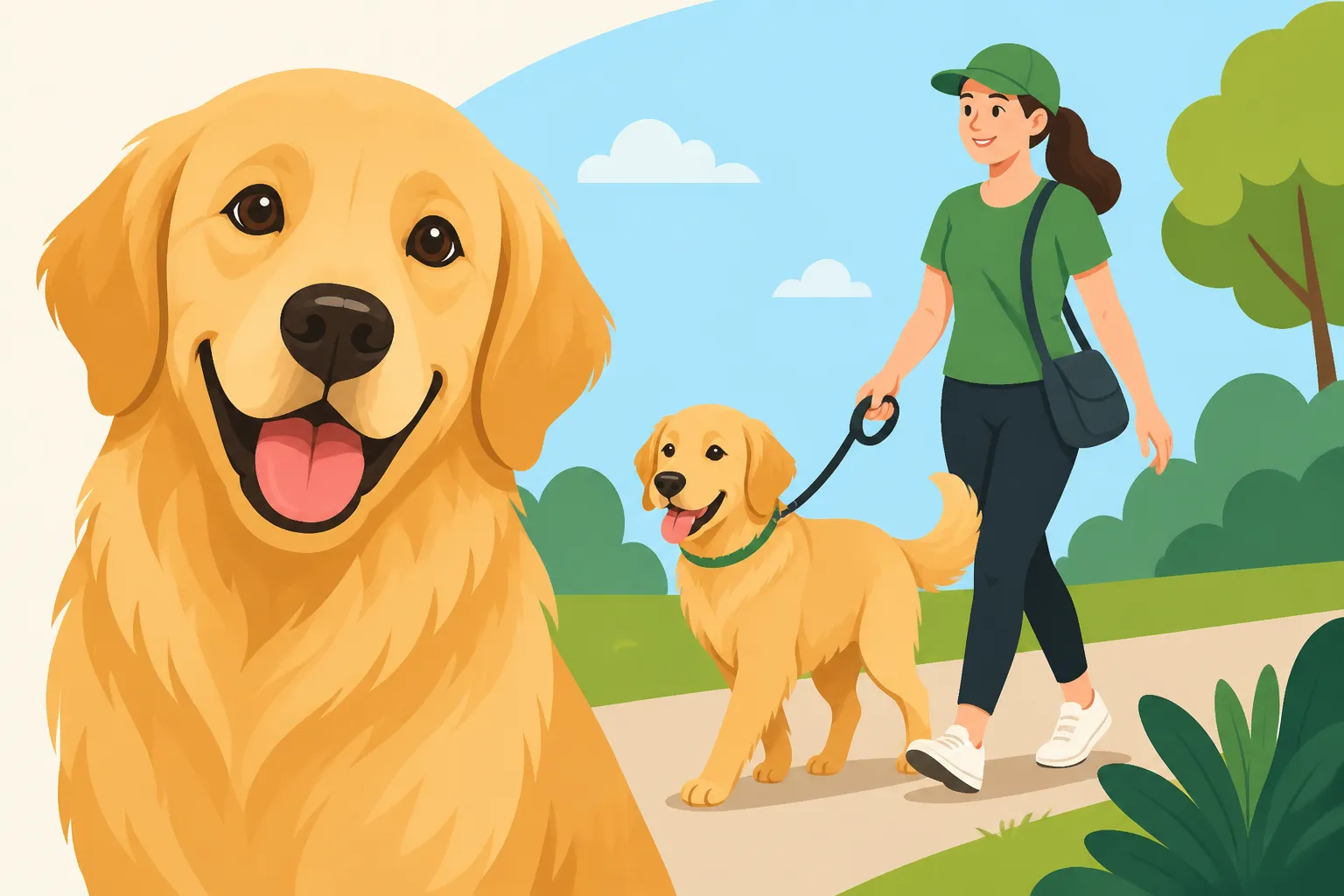
Hiring a Dog Walker for a Golden Retriever
Life with a Golden Retriever is a beautiful whirlwind of joy, laughter, and endless tail wags, but let's be real – it's also a commitment that demands time, energy, and a whole lot of walks! Many of us face the daily juggle of work, family, and personal errands, leaving us feeling guilty when we can't always give our beloved Goldens the extensive exercise they truly need. This comprehensive guide is designed to help you navigate the world of dog walking services, ensuring you find the perfect, trustworthy companion to keep your Golden happy, healthy, and well-exercised, even when you can't be there every step of the way.
The Unique Walking Needs of Your Golden Retriever
Before you even start looking for a dog walker, it’s vital to truly understand what makes a Golden Retriever's exercise needs unique. These aren't dogs content with a quick trot around the block; they thrive on physical and mental stimulation. Recognizing this will help you choose a walker who can genuinely meet your Golden's specific requirements, not just check a box.
Understanding Their High Energy and Stamina
Golden Retrievers were originally bred for retrieving game during hunts, a job that required immense stamina, agility, and a strong drive to work. This heritage means that even today's companion Goldens still possess a deep-seated need for substantial physical activity. They aren't going to be satisfied with a 15-minute potty break. A proper walk for a Golden often means a good 30 to 60 minutes of brisk walking, jogging, or even some dedicated fetching time. Without adequate exercise, a Golden Retriever can become bored, restless, and even destructive around the house. They might start chewing things they shouldn't, digging in the yard, or exhibiting excessive barking. It’s not misbehavior; it’s simply an outlet for pent-up energy that hasn't been properly expended. Think of it as a crucial component of their overall well-being.
Moreover, their strong, athletic build means they can cover a lot of ground quickly. A good dog walker for a Golden won't be easily tired out or overwhelmed by their enthusiasm. They'll need to match their pace, or even encourage a faster one, to ensure your dog gets the workout they require. This is particularly true for younger Goldens who are still in their prime energetic years, where their need for movement feels almost boundless. You might find our guide on Exercise a Golden Retriever Needs Each Day incredibly helpful in determining the right amount of activity.
Navigating Their Friendly, Distractible Nature
Golden Retrievers are renowned for their outgoing, friendly dispositions. They genuinely love people, other dogs, and often, anything with a pulse. While this is one of their most charming qualities, it can also present a unique challenge on walks: distraction. A Golden will want to greet every passerby, sniff every bush, and investigate every interesting scent. Their joy for life can sometimes translate into a lack of focus, especially when they encounter new and exciting stimuli. A skilled dog walker understands this inherent trait and knows how to manage it.
They won't just yank the leash when your Golden pulls towards a squirrel or another dog. Instead, they'll use positive reinforcement techniques, patience, and redirection to keep the walk productive and enjoyable. This involves being proactive, anticipating potential distractions, and guiding your dog through them calmly. An experienced walker will be adept at steering your Golden away from tempting smells or managing enthusiastic greetings with other dogs respectfully. This management is key to preventing your Golden from becoming overstimulated or developing undesirable leash habits. It’s about channeling their friendly energy, not suppressing it.
The Importance of Consistent Leash Training
Anyone who has walked a full-grown Golden Retriever knows they possess considerable strength. A dog pulling on the leash can be a real handful, not only for the walker but also potentially causing strain or injury to the dog's neck or throat. This is why consistent leash training is absolutely paramount for Goldens. When you're entrusting your dog to a walker, you need to ensure that the walker is capable of reinforcing the training you've already put in, or at least managing your Golden effectively if their leash manners aren't perfect yet.
A good dog walker will understand the principles of loose-leash walking and will use appropriate equipment. They should be comfortable with tools like front-clip harnesses (which can greatly help with pulling) rather than relying on harsh corrections. They should also be aware of the importance of positive reinforcement, using praise and treats to reward good walking behavior. Consistency is key here; if your dog walker uses different commands or methods than you do, it can confuse your Golden and undermine your training efforts. Discussing your training methods and expectations upfront with any potential walker is essential. Our article on Leash Manners for a Strong Golden Retriever provides excellent strategies that you can share with your chosen walker for a unified approach.
Exploring Your Dog Walking Service Options
When you decide it’s time to bring in professional help for your Golden’s exercise needs, you’ll quickly discover there’s a spectrum of services available. From individual attention to group adventures, and from large agencies to local freelancers, understanding your options is the first step to finding the best fit for your dog and your lifestyle.
Solo Versus Group Walks
The choice between a solo walk and a group walk is often one of the first decisions you'll make, and each has its own set of pros and cons, especially for a Golden Retriever.
Solo Walks:
A solo walk means your Golden gets one-on-one attention from the dog walker. This can be fantastic for dogs who are shy, reactive, still working on their leash manners, or those who simply prefer human company over canine companions. For a Golden Retriever, a solo walk allows the walker to focus entirely on their specific needs: if they need to work on not pulling, the walker can dedicate their energy to that. If they're prone to sniffing every blade of grass, the walker can be patient and allow for that exploration, within reason. It also means no waiting for other dogs to be picked up or dropped off, maximizing your Golden’s actual walking time.
However, solo walks are typically more expensive because you're paying for the walker's undivided attention and travel time exclusively for your dog. For a Golden who thrives on social interaction, a solo walk might miss an opportunity for healthy socialization, especially if they are a Golden Retriever Puppy Socialization Windows or just need more exposure.
Group Walks:
Group walks, sometimes called pack walks, involve a dog walker taking out several dogs from different households at the same time. These can be a more budget-friendly option and offer a fantastic opportunity for your Golden to socialize with other dogs. Goldens are generally very social creatures, and many absolutely adore the chance to walk alongside and interact with a small group of compatible canine pals. It can provide both physical exercise and valuable mental stimulation through social interaction. A good group walk can leave your Golden feeling both physically tired and socially satisfied.
The downsides? The walker’s attention is divided among several dogs. If your Golden has specific behavioral challenges on the leash, they might not get the intensive focus they need. There's also the risk of personality clashes between dogs, or exposure to illness if one dog in the group isn't feeling well. Reputable group walkers carefully screen dogs for temperament and vaccination status, and keep group sizes manageable (typically 3-5 dogs). They should also have a strict protocol for introducing new dogs and managing any conflicts.
| Feature | Solo Walk | Group Walk |
|---|---|---|
| Attention | Undivided, one-on-one | Divided among multiple dogs |
| Socialization | Limited, only with walker | High potential with other dogs |
| Cost | Generally higher | Often more budget-friendly |
| Flexibility | Easier to customize route/pace | Less customizable, set routes/times |
| Behavior Focus | Ideal for specific training needs | Less intensive focus on individual behaviors |
| Risk of Illness | Lower exposure | Higher potential exposure to other dogs' germs |
| Suitability | Shy, reactive, senior, training-intensive | Social, well-behaved, energetic dogs |
Professional Agencies, Apps, and Independent Walkers
The landscape of dog walking services has grown immensely, giving you a range of providers to choose from. Each comes with its own structure, benefits, and considerations.
Professional Dog Walking Agencies:
These are often established businesses with a team of walkers. They typically have comprehensive insurance, bonding, and often handle background checks for their employees. Agencies usually offer a consistent service, meaning if your primary walker is unavailable, they'll send a vetted backup. They might have more structured booking and payment systems, and often provide online portals or apps for scheduling and updates. This can offer a great deal of peace of mind, knowing there’s a professional organization overseeing the service. Brands like Wag! or Rover, while technically platforms, often act like agencies connecting you to walkers, though the level of vetting can vary. When using such platforms, always dive deep into individual walker profiles and reviews.
The potential drawback is that you might not always have the same walker, which could be unsettling for some Goldens who thrive on routine and familiarity. Prices can also be a bit higher due to the overhead of running an agency.
Dog Walking Apps and Platforms:
Apps like Rover and Wag! (and many local equivalents) have revolutionized how people find dog walkers. They allow you to browse profiles, read reviews from other pet owners, and communicate directly with potential walkers. Many walkers on these platforms are independent contractors, but the platform often provides some level of insurance and a secure payment system. These platforms offer incredible flexibility, allowing you to book walks on demand or schedule recurring services.
While convenient, the level of experience and professional vetting can vary widely among individual walkers on these platforms. It's crucial to do your due diligence, thoroughly review profiles, read every review, and insist on a "meet and greet" before booking any services. This allows you to assess the walker's personality and their interaction with your Golden.
Independent Dog Walkers:
These are individuals who run their own dog walking business, often through word-of-mouth referrals or local advertising. An independent walker can offer a highly personalized service, often building a strong, consistent relationship with your Golden. They might be more flexible with scheduling and willing to tailor services exactly to your dog's needs. If you find a fantastic independent walker, they can become an invaluable extension of your dog's care team.
The challenge with independent walkers is that you'll need to do all the vetting yourself. This means asking about insurance, checking references, and potentially performing your own background checks. They might not have a backup plan if they get sick or go on vacation, which could leave you in a bind. However, many independent walkers are incredibly dedicated and passionate, offering a truly bespoke service that larger organizations sometimes can’t match.
Beyond Just a Walk: Additional Services
Sometimes, what your Golden Retriever needs extends beyond a simple walk, and many dog walkers offer a range of supplementary services that can be incredibly helpful. It's worth asking about these extras to ensure all your Golden's needs are met.
Many walkers offer pet-sitting or drop-in visits if you're going out of town. This means your Golden can stay in the comfort of their own home, adhering to their familiar routine, while receiving regular visits for feeding, potty breaks, and playtime. This can be a less stressful alternative to boarding, especially for Goldens who might experience Golden Retriever Separation Anxiety Signs.
Some dog walkers are also equipped to provide basic training reinforcement. If you're working on specific commands or addressing a particular behavior issue, a walker who can consistently apply those techniques during walks can be a huge asset. This ensures continuity in your Golden's training and prevents them from learning contradictory habits. For instance, if you’re teaching "leave it," a walker who uses the same command and reward system can help solidify that behavior in different environments. This is particularly beneficial if you've recently engaged with a professional for Choosing a Positive Reinforcement Trainer for a Golden.
Additionally, ask about services like feeding or administering medication. If your Golden requires a mid-day meal, perhaps on a fresh food diet like Ollie, or needs medication at a specific time, a walker who can handle this diligently can be a lifesaver. Some walkers might also offer light grooming such as wiping paws after a muddy walk or a quick brush, which can be a bonus for a double-coated breed like a Golden Retriever. These additional services can transform a simple dog walking arrangement into a comprehensive care solution for your beloved companion.
Key Qualities to Look for in a Golden Retriever Walker
Finding a dog walker isn't just about availability; it's about finding the right person. For a breed as special and specific as a Golden Retriever, certain qualities in a walker go from "nice-to-have" to "absolutely essential."
Essential Experience and Breed Knowledge
This is non-negotiable. You wouldn't hire a babysitter without childcare experience, and the same applies to your Golden Retriever. Look for a dog walker who has demonstrable experience, specifically with large, energetic breeds, and ideally, with Golden Retrievers themselves. Someone who understands the nuances of a Golden’s temperament – their boundless enthusiasm, their strong retrieving instinct, and their tendency to be easily distracted by friends (both human and canine) – will be much better equipped to handle your dog.
An experienced walker won't be intimidated by a Golden's strength or their friendly leaps. They'll know how to properly fit a harness, use a sturdy leash, and anticipate common Golden Retriever behaviors. They should be familiar with positive reinforcement techniques and comfortable redirecting your dog rather than using punitive methods. Ask them about their approach to managing a dog that pulls, or how they handle unexpected encounters with other off-leash dogs. Their answers will give you insight into their level of expertise and whether it aligns with your philosophy of dog care. A true professional understands that every walk is also a training opportunity.
Prioritizing Safety and Preparedness
When your Golden Retriever is out with a walker, their safety is paramount. You need a walker who has a comprehensive understanding of safety protocols and is prepared for any situation. This includes:
- Leash and Collar/Harness Security: A responsible walker will double-check that your Golden's collar or harness is secure and properly fitted before leaving the house. They should use a high-quality, sturdy leash and be attentive to potential escape artists.
- Weather Awareness: Goldens have a thick double coat, which makes them susceptible to overheating in warm weather. A good walker will be aware of the weather conditions and adjust walk times and intensity accordingly. They should know the signs of heatstroke in dogs and carry water for your Golden. Conversely, in cold weather, they should ensure proper paw protection if needed. Find out more about Golden Retriever Heat Tolerance and Overheating.
- Emergency Preparedness: Accidents happen. Your dog walker should be certified in pet first aid and CPR or, at the very least, know how to react in an emergency. They should carry a basic first aid kit for dogs and have immediate access to your vet's contact information, an emergency vet clinic, and your consent to seek emergency treatment if you can't be reached. This level of preparedness gives you incredible peace of mind. Discussing pet insurance options, like Healthy Paws, with your walker and ensuring they know your policy details can also be beneficial in case of an unforeseen vet visit.
- Situational Awareness: A walker needs to be constantly aware of their surroundings – traffic, other dogs (on-leash and off-leash), children, cyclists, and potential hazards like discarded food or broken glass. They should choose safe, familiar routes and avoid areas known for aggressive dogs or heavy traffic.
Communication, Reliability, and Trust
A strong working relationship with your dog walker is built on clear communication, unwavering reliability, and mutual trust.
- Communication: Your walker should be an excellent communicator. This means providing updates after walks (photos, notes on potty breaks, energy levels, any observations) and being easily reachable for scheduling changes or emergencies. They should also be receptive to your feedback and concerns. Do they respond promptly to messages? Do they initiate contact when needed? A good walker will offer transparency and keep you in the loop about your Golden’s adventures.
- Reliability: You’re counting on this person to be there for your Golden. Reliability is crucial. Do they show up on time? Do they cancel at the last minute? A consistent schedule is vital for many dogs, especially Goldens who thrive on routine. Ask about their backup plan if they are ill or have an unexpected emergency.
- Trust: This is perhaps the most important. You’re entrusting them not only with your beloved pet but also with access to your home. A professional dog walker should be honest, respectful of your property, and maintain your privacy. Background checks are a must, and positive references from other clients are invaluable. Ultimately, your gut feeling about a potential walker is very important. Do they seem genuinely caring and responsible? Do they interact well with your Golden during a meet-and-greet? That bond of trust is irreplaceable.
The Vetting Process: Finding the Perfect Match
Once you have a list of potential dog walkers, the real work begins: vetting them thoroughly. This isn't just about finding a dog walker; it's about finding the perfect match who understands and connects with your Golden Retriever. This multi-step process will ensure you make an informed decision and feel confident leaving your cherished companion in their care.
Interview Questions That Go Deeper
A face-to-face interview, or at least a detailed phone call, is your opportunity to ask probing questions and gauge the walker's professionalism, experience, and personality. Don't be shy about asking everything that comes to mind. Here are some key questions to consider, tailored for Golden Retriever owners:
- "What experience do you have specifically with Golden Retrievers or similar large, energetic breeds?" This goes beyond general dog walking experience. You want someone who knows their specific breed traits.
- "How do you handle a dog that pulls on the leash, or gets easily distracted by other dogs/people/squirrels, especially a strong Golden?" Listen for their approach – do they mention positive reinforcement, redirection, specific tools like front-clip harnesses, or do they talk about yanking the leash or punishment? The latter is a red flag.
- "What is your plan for hot weather (or extreme cold) walks with a double-coated dog like a Golden?" They should have specific strategies for safety, such as walking during cooler parts of the day, bringing water, or offering shorter walks.
- "Are you insured and bonded? Can you provide proof?" Insurance protects you if your dog gets injured under their care or if they accidentally damage your property. Bonding protects you if they steal something (though hopefully, this isn't an issue!).
- "What is your protocol in case of a medical emergency? Do you have pet first aid certification?" They should have a clear, calm plan, know where your emergency vet is, and understand your preferences regarding treatment. Knowing about Golden Retriever Emergency Vet Bills and how to handle them is critical.
- "How do you communicate after walks, and how quickly can I expect a response if I have a question or concern?" Look for consistent updates and responsiveness.
- "What is your policy on cancellations, schedule changes, and unexpected absences (e.g., if you get sick)?" You need to know there's a reliable backup plan.
- "Can you provide references from other Golden Retriever owners, or owners of similarly active breeds?" Personal testimonials are incredibly valuable.
Checking References and Background Verifications
References aren't just a formality; they're your window into a walker's real-world performance. When you call the references provided, ask specific questions about their experience:
- "How long have you used [walker's name]?"
- "What kind of dog do you have, and how did [walker's name] interact with them?"
- "Were they reliable and punctual?"
- "Did they communicate effectively about your dog's walks?"
- "Have there ever been any issues, and if so, how were they handled?"
- "Would you trust them with your dog and your home?"
Beyond references, consider asking for a background check. Many professional agencies perform these as a matter of course. If you’re hiring an independent walker, you might need to arrange this yourself through a third-party service, or at least request a clean driving record and verify their identity. It might feel intrusive, but remember, this person will have access to your home and your beloved Golden Retriever. A reputable walker will understand and respect your need for this level of security.
The All-Important Trial Period
Even after glowing references and a thorough interview, the real test is how your potential walker interacts with your Golden Retriever. Arrange a "meet and greet" where you observe their interaction in your home. Does your Golden seem comfortable with them? Do they approach your dog calmly and confidently? Do they show genuine affection and interest?
Following this, schedule a few paid trial walks. This allows you to observe them in action, even if just for a few minutes before they head out. It also gives your Golden a chance to get used to a new person and routine. For the first few walks, ask for extra detailed feedback. You might even consider discreetly observing from a distance if possible (without making it obvious, of course!). Pay attention to how your Golden reacts when the walker arrives and when they return. Do they seem happy and well-exercised? Do they show any signs of stress or discomfort? This trial period is your final chance to confirm that you’ve found a trustworthy, capable, and compassionate person for your Golden Retriever.
Understanding the Financials of Dog Walking
It’s no secret that owning a Golden Retriever comes with various costs, and hiring a dog walker is an additional investment. Understanding the typical pricing structures and what influences the rates will help you budget effectively and ensure you’re getting good value for your money.
Average Costs and Pricing Structures
Dog walking rates can vary significantly based on location, service type, and the walker's experience. Generally, you can expect to pay anywhere from $15 to $35 for a 30-minute walk and $25 to $50+ for a 60-minute walk. For a high-energy Golden Retriever, a 45-60 minute walk is often more appropriate to meet their exercise needs.
Here’s a breakdown of common pricing structures:
- Per Walk: This is the most common model, where you pay a set fee for each individual walk.
- Package Deals: Many walkers and agencies offer discounts if you purchase a package of multiple walks upfront (e.g., 10 walks for a slightly reduced per-walk rate).
- Weekly/Monthly Rates: For regular clients, some walkers might offer a fixed weekly or monthly fee for a set number of walks.
- Additional Dog Fees: If you have multiple Goldens (lucky you!), there's usually an extra fee per additional dog, typically $5-$10 per walk.
- Add-on Services: Expect to pay more for services beyond a standard walk, such as feeding, medication administration, or extensive playtime.
- Holiday Surcharges: Many walkers charge extra for walks on holidays.
It's always a good idea to get a clear, itemized quote from any potential walker before committing. Ensure you understand what's included in the base price and what might incur extra charges.
Factors That Influence the Cost
Several factors play a role in determining how much you'll pay for a dog walker for your Golden Retriever:
- Geographic Location: Rates are generally higher in major metropolitan areas like New York City, Los Angeles, or Seattle compared to smaller towns or rural areas. The cost of living in an area directly impacts service prices.
- Walk Duration: As mentioned, longer walks cost more. A 60-minute power walk for your Golden will naturally be more expensive than a quick 20-minute potty break.
- Type of Walk (Solo vs. Group): Solo walks almost always cost more than group walks because your dog is receiving undivided attention and the walker isn't splitting their time among multiple clients in one outing.
- Walker Experience and Credentials: Highly experienced walkers, those with certifications in pet first aid, or those belonging to professional organizations, can command higher rates. Their expertise often justifies the premium.
- Agency vs. Independent: Agencies often have more overhead (staffing, insurance, marketing) and may charge slightly more than independent walkers, though they often provide backup coverage and administrative support.
- Additional Services: Any extra tasks like feeding, administering medication, bringing in mail, or extended playtime will increase the total cost.
- Time of Day/Week: Some walkers may charge a premium for "off-peak" hours, such as early mornings, late evenings, or weekends, especially if demand is high.
Don't automatically go for the cheapest option. While budgeting is important, remember that you're investing in your Golden's well-being and safety. A slightly higher rate often translates to more experienced, reliable, and insured care.
When a Dog Walker is Worth the Investment
The cost of a dog walker might seem like a luxury at first glance, but for a Golden Retriever owner, it's often a necessary and worthwhile investment in their dog's health, happiness, and your own peace of mind.
- Meeting Exercise Needs: Goldens need exercise. If your work schedule or personal commitments prevent you from consistently providing the daily activity your Golden requires, a dog walker bridges that gap. This isn't just about preventing destructive behavior; it's about physical health. Adequate exercise helps maintain a healthy weight, which is crucial for preventing joint issues like hip and elbow dysplasia that Goldens are prone to. It also contributes to cardiovascular health and overall vitality. You might be interested in our article about Golden Retriever Weight and Joint Damage.
- Mental Stimulation: Beyond physical exhaustion, a walk with a new person in different environments offers vital mental enrichment. Sniffing new smells, encountering different sights and sounds, and interacting with a walker provides cognitive stimulation that a simple backyard romp can't replicate. This can reduce boredom and anxiety.
- Consistency and Routine: Dogs, and Goldens especially, thrive on routine. A regular dog walker ensures your Golden maintains a consistent schedule for potty breaks and exercise, which can prevent accidents in the house and contribute to a sense of security.
- Peace of Mind for You: Knowing your beloved Golden is getting the exercise and attention they need while you're away is invaluable. It frees you from guilt and stress, allowing you to focus on your work or other responsibilities with a clear conscience. This mental relief alone is often worth the expense.
- Behavioral Benefits: Regular exercise and consistent handling from a professional can reinforce good behavior, reduce anxiety, and lead to a calmer, happier dog at home. It can even help with issues like excessive barking or restlessness, simply by burning off excess energy.
Consider the long-term benefits to your Golden's health and behavior, and the positive impact on your own stress levels. For many Golden Retriever owners, a dog walker isn't just a convenience; it's an essential part of responsible pet ownership.
Setting Up for Success with Your Dog Walker
Bringing a dog walker into your Golden Retriever's routine is an exciting step, but it requires more than just handing over a leash. To ensure a smooth transition and a successful long-term relationship, clear communication and thorough preparation are key. Think of your dog walker as an extension of your family's care team for your Golden.
Creating a Detailed Care Plan
Your Golden Retriever has unique habits, preferences, and quirks, and it's your job to communicate these clearly to your dog walker. Don't assume anything is obvious; lay it all out in a detailed care plan. This document should be easily accessible to your walker, perhaps even laminated and left on the fridge or shared digitally.
Here’s what to include:
- Emergency Contacts: Your full contact information, an emergency backup person (neighbor, friend), your veterinarian's name and number, and the nearest 24-hour emergency vet clinic. This is crucial for their safety.
- Health Information: Any known allergies, medical conditions (like a history of Golden Retriever Hip and Elbow Dysplasia Explained), current medications (including dosage and timing), and clear instructions on administering them. Mention if they have pet insurance through a provider like Healthy Paws.
- Routine and Habits:
- Feeding Schedule: If they're providing meals (e.g., using Chewy for food delivery, or fresh food from Ollie), specify meal times, portion sizes, and any dietary restrictions.
- Potty Habits: How often does your Golden usually need to go out? Do they have a specific spot in the yard they prefer? Any "tells" that indicate they need to relieve themselves?
- Exercise Preferences: Does your Golden love to chase a ball (and where are the balls kept)? Do they enjoy specific routes? Are there any areas to avoid (e.g., a park with too many off-leash dogs if your Golden is easily overstimulated)?
- Training Cues: List the specific commands you use and the hand signals, if any, for consistency. For instance, do you use "come" or "here"? "Sit" or "fanny down"?
- Behavioral Notes:
- Likes and Dislikes: Are they afraid of loud noises? Do they get overly excited around small children? Do they love belly rubs or prefer head scratches?
- Triggers: What makes your Golden bark excessively, jump on people, or pull on the leash? How do you manage these behaviors?
- Stranger Greetings: Are they a "jump for joy" greeter, or more reserved?
- Home Access: Clear instructions on how to enter and exit your home (key location, alarm codes, specific door locks). Ensure any gates are securely latched.
- Gear Location: Where are the leash, harness, treats, water bowl, and clean-up bags kept?
Being overly detailed here is a virtue. It eliminates guesswork and ensures your Golden receives the best, most consistent care.
Establishing Clear Communication Channels
Even with a detailed care plan, ongoing communication is vital. Establish the preferred method and frequency of communication right from the start.
- Post-Walk Updates: Discuss what kind of updates you'd like after each walk. A quick text message saying "All good, [Golden's name] had a great 45-minute walk, peed and pooped, and is now napping!" might be enough for some. Others might prefer a short note detailing specific observations, like whether they saw other dogs, how well your Golden walked on the leash, or if they seemed particularly tired. Many apps offer built-in report cards and GPS tracking for walks.
- Scheduling and Changes: Confirm how to request additional walks, cancel a scheduled walk, or make changes to the routine. Is it via text, email, or a scheduling app? Be mindful of their cancellation policy; many walkers require 24-48 hours' notice to avoid a charge.
- Feedback Loop: Make it clear that you welcome open communication from them about your Golden's behavior or any concerns, and that you will also provide feedback. This should be a two-way street where both parties feel comfortable discussing what’s working well and what might need adjusting. If your Golden is showing signs of being overtired or overstimulated, they should feel comfortable telling you.
- Emergency Contact Protocol: Reiterate the protocol for emergencies. What's the absolute first step if something goes wrong? Who do they call if they can't reach you?
Good communication prevents misunderstandings, builds trust, and ensures that your Golden Retriever’s needs are always met, making the dog walker an invaluable part of their happy, healthy life.
Disclaimer
This guide offers general information and advice on hiring a dog walker for a Golden Retriever. It is not a substitute for professional veterinary advice. Always consult with your veterinarian for any health concerns or before making significant changes to your dog's diet, exercise, or care routine. The information provided about specific brands is for contextual illustration and not an endorsement or guarantee.