Traveling With a Golden Retriever
Oh, the dream of hitting the open road, or even soaring through the skies, with your beloved Golden Retriever by your side! It’s a picture-perfect vision, isn't it? But then reality sets in, and you start envisioning the chaos: the car sickness, the frantic potty stops, the nightmare of finding a truly dog-friendly hotel, or the sheer terror of airline cargo. Traveling with a large, wonderfully exuberant dog like a Golden can feel like an insurmountable challenge, making many owners just give up before they even start. This comprehensive guide is here to untangle all those worries, giving you the practical advice and reassurance you need to embark on adventures with your furry co-pilot, making every journey a joyous memory rather than a stress-fueled ordeal.
Essential Pre-Trip Planning for Your Golden Retriever
Before you even start dreaming of scenic overlooks or sandy beaches, the groundwork for a smooth trip begins long before you pack your bags. Proper preparation can mean the difference between a relaxing getaway and a stressful experience for both you and your Golden.
Health Checks and Documentation Readiness
One of the absolute first steps in planning any trip with your Golden Retriever is to schedule a visit to your veterinarian. This isn't just a formality; it's a critical safety measure. You want to ensure your Golden is in prime health for travel, especially if it involves changes in diet, environment, or activity levels. Your vet can give them a thorough check-up, address any minor concerns that might flare up with stress, and confirm they're up-to-date on all necessary vaccinations. Different travel destinations, especially across state lines or internationally, might have specific vaccination requirements, so it's vital to research these well in advance. For example, some areas require proof of rabies vaccination within a certain timeframe, and others might need additional protections.
Beyond vaccinations, make sure your Golden's microchip information is current. If, heaven forbid, your dog were to get lost in an unfamiliar place, a registered microchip is their fastest ticket home. Double-check that your contact details are accurate with the microchip registry. Moreover, ask your vet if they recommend any motion sickness medication or calming supplements if your Golden is prone to travel anxiety or car sickness. It's better to have a plan in place than to scramble during a roadside emergency. And speaking of emergencies, it's wise to consider pet insurance from providers like Healthy Paws. While it won't cover pre-existing conditions, having a policy can alleviate the financial strain of unexpected accidents or illnesses that might occur far from your usual vet. For a general overview, checking your dog's current Golden Retriever Vaccination Schedule will help ensure all is in order before departure.
Researching Pet-Friendly Accommodations and Destinations
Finding truly pet-friendly lodging is often a significant hurdle for Golden Retriever owners. Many hotels claim to be "pet-friendly" but then hit you with breed restrictions, weight limits that exclude most Goldens, or exorbitant fees. It's crucial to dig deeper than just a simple "pets allowed" filter. Look for places that explicitly welcome larger dogs, perhaps even mentioning Goldens by name, or those with dedicated pet amenities like dog parks, washing stations, or special treats. Websites like BringFido or GoPetFriendly are invaluable resources for finding genuinely welcoming spots and often include reviews from other dog owners.
When considering your destination, think about what you and your Golden actually want to do once you get there. Is it a city adventure, a hiking trip, or a beach vacation? Research local leash laws, find out about dog parks, dog-friendly beaches, hiking trails where dogs are permitted, and even restaurants with outdoor seating that welcome pups. Nothing is more frustrating than arriving somewhere only to find your Golden isn't allowed anywhere fun. Some destinations might even have specific rules about leaving dogs unattended in hotel rooms, so clarify those policies upfront.
Preparing Your Golden for the Journey Mentally
For many Goldens, especially those not accustomed to frequent travel, the entire experience can be a bit unsettling. The sights, sounds, and smells of a new car, a bustling airport, or an unfamiliar hotel can trigger anxiety. It’s essential to build positive associations with travel gradually. If your Golden isn’t a fan of car rides, start with very short trips around the block, rewarding them heavily with praise and treats. Gradually increase the duration and distance, always making it a positive experience that ends somewhere fun, like a dog park.
Crate training can be incredibly beneficial for travel. A familiar crate provides a safe, den-like space for your Golden, reducing stress during transit and giving them a secure spot in unfamiliar accommodations. It's also a crucial safety measure in the car, preventing them from distracting the driver. If your Golden is not already crate-trained, start working on it well before your trip. For puppies, a guide on Crate Training a Golden Retriever Puppy can offer a step-by-step approach. Even if they're older, consistent positive reinforcement can help them view their crate as a comforting haven. Consider playing calming music or using pheromone sprays in their crate to further ease any anxiety.
Choosing the Right Travel Method
Once your Golden is prepped and your destination is planned, you need to decide how you're actually going to get there. Each mode of transport comes with its own set of considerations and requirements for your furry friend.
Car Travel Safety and Comfort
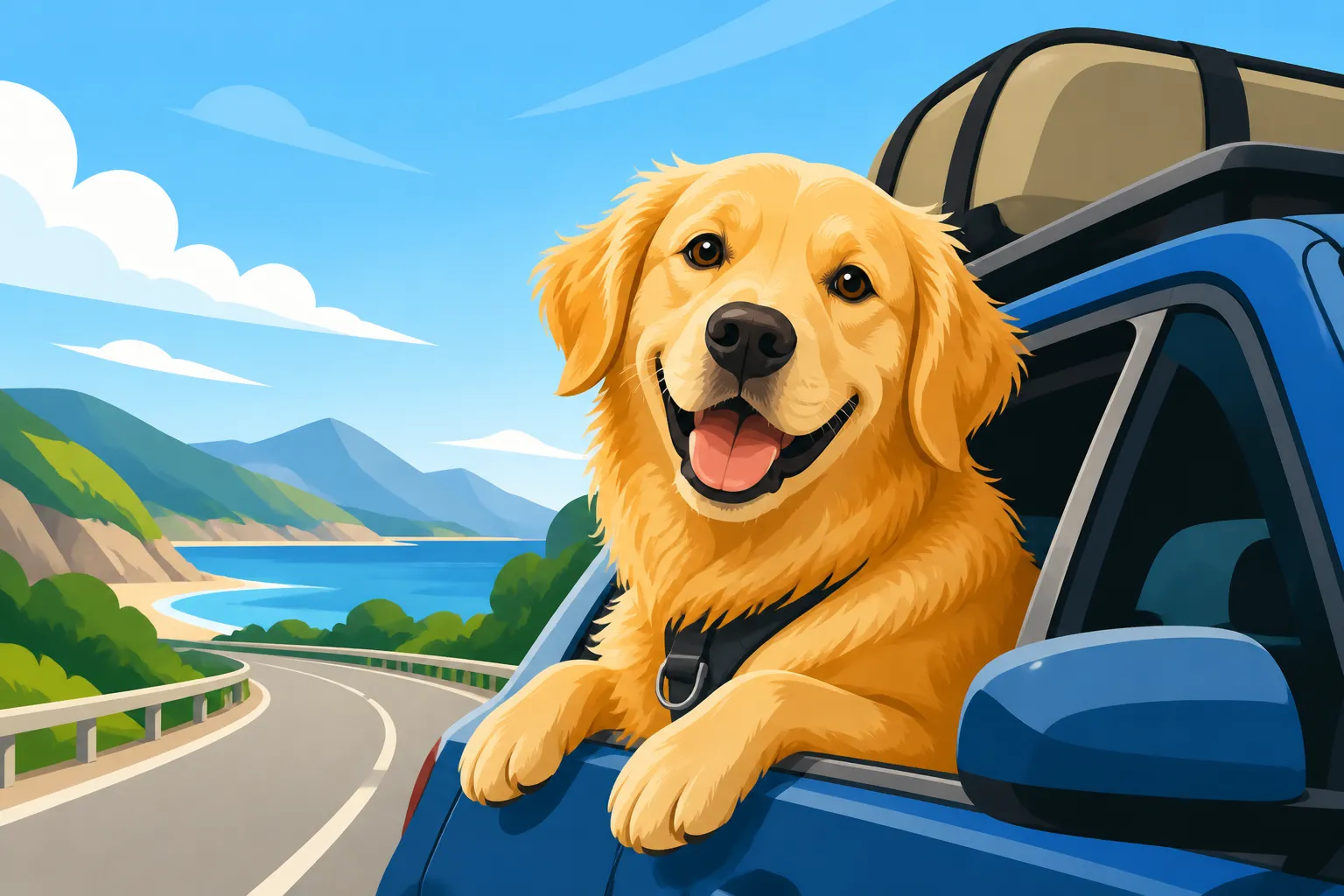
Car travel is by far the most common way Golden Retriever owners journey with their dogs, offering flexibility and the comfort of your own vehicle. However, it's crucial to prioritize safety. Never let your Golden roam freely in the car; a sudden stop could turn them into a projectile, injuring both them and you. The safest options are crash-tested safety harnesses that attach to a seatbelt, a secured travel crate, or a car barrier that keeps them safely in the back cargo area. Consider durable options from brands found on Chewy that are specifically designed for canine safety. For more specific product ideas, our guide on Car Seat Covers and Barriers for a Golden offers excellent suggestions.
Beyond safety, comfort is key for long car rides. Make sure your Golden has enough space to lie down comfortably. Prevent motion sickness by keeping the car cool, offering fresh air (but don't let them hang their head too far out the window due to debris and ear infections), and limiting food intake a few hours before and during the drive. Bring plenty of water and offer it during frequent stops. Plan your route to include regular breaks every few hours for potty breaks and a quick stretch of the legs – for both of you! This helps prevent stiffness and provides mental stimulation.
Navigating Air Travel with a Golden Retriever
Air travel with a Golden Retriever is often the most complex and stressful option. Due to their size, Goldens almost never fit in the cabin unless they are certified service dogs, meaning most will travel as cargo. This decision should not be taken lightly. Research airline regulations meticulously, as policies for pet travel in cargo can vary wildly, and some airlines have restrictions based on temperature (too hot or too cold) or specific breeds. Always check the airline's website or call their dedicated pet services desk.
You'll need an IATA-compliant crate that's large enough for your Golden to stand, turn around, and lie down comfortably. This crate must be properly labeled with your contact information, "Live Animal" stickers, and feeding/watering instructions. Many airlines also require a health certificate issued by a licensed vet within a specific timeframe before travel. Be prepared for potential high costs; our article on Airline Fees for Flying a Golden Retriever details the expenses involved. If possible, consider non-stop flights to minimize stress and handling. Furthermore, it's essential to understand that even with the best precautions, cargo travel can be risky. Knowing Whether a Golden Retriever Fits in Cabin is usually the first hurdle, and for most Goldens, the answer is unfortunately no.
Other Modes of Transport: Trains and RVs
While less common, other modes of transport can also be viable options for traveling with your Golden. Amtrak, for instance, allows small dogs and cats on some routes for a fee, but generally, Golden Retrievers exceed the size and weight limits for in-cabin travel. Policies can change, so always check directly with Amtrak. Private train charters or smaller regional lines might have different rules.
RV travel, on the other hand, is often hailed as a fantastic way to travel with a Golden. It offers the ultimate flexibility and comfort, essentially bringing a "home away from home" wherever you go. Your Golden can stretch out, have their familiar bed, and maintain a more consistent routine. You can stop whenever needed, explore new places, and avoid hotel pet fees. The main considerations for RV travel include ensuring proper ventilation, securing your dog while driving, and having designated potty areas at campsites. Ferries sometimes allow pets on deck or in vehicles, but this varies by operator and destination, so advance booking and clear communication are essential.
Packing Smart: Your Golden Retriever's Travel Essentials
Just as you wouldn't leave home without your own necessities, your Golden Retriever has a unique set of items that are absolutely non-negotiable for any trip. Thinking through these ahead of time prevents frantic last-minute dashes to unfamiliar pet stores.
Food, Water, and Feeding Supplies
One of the biggest culprits of upset stomachs and digestive issues while traveling is a sudden change in diet. To avoid this, always bring enough of your Golden's regular food for the entire trip, plus a little extra for good measure in case of delays. Resist the urge to switch to convenience foods unless your vet has approved it and you've transitioned your dog gradually beforehand. Many Golden owners find it helpful to order their usual food in advance through services like Chewy and have it delivered directly to their destination if staying for an extended period. For those on a fresh food diet, brands like Ollie offer travel-friendly packaging or specific plans for trips.
Don't forget portable food and water bowls. Collapsible silicone bowls are fantastic for saving space and can easily be clipped to a backpack or leash. A dedicated water bottle for dogs, often with an attached trough, is also a game-changer, especially for hikes or long car rides where clean water sources might be scarce. Pack some sealable containers or Ziploc bags for storing open food bags or treats, keeping them fresh and preventing spills or attracting unwanted critters.
Comfort and Grooming Items
Your Golden Retriever will appreciate having familiar items from home in an unfamiliar environment. Their favorite blanket, bed, or a comfort toy can provide immense security and help them settle down faster in a new place. These familiar scents offer reassurance and can significantly reduce travel stress.
Grooming supplies are also important, especially if you're headed for outdoor adventures. A good brush or undercoat rake is essential for managing shedding and preventing mats, particularly in their beautiful double coat. Paw wipes or a small towel are great for quick clean-ups after muddy walks or sandy beach romps. If your Golden loves to swim, consider a quick-drying towel. While you might not need a full bath kit, a small bottle of dog-friendly shampoo or a waterless shampoo can be handy for spot cleaning. Don't forget nail clippers or a Dremel if you typically trim their nails yourself; travel can be rough on paws, and keeping nails neat is important. And for any minor mishaps, a well-stocked Building a First Aid Kit for a Golden Retriever is a non-negotiable item. Include items like antiseptic wipes, gauze, vet wrap, tweezers, and any prescribed medications.
Safety and Identification Gear
Even the most well-behaved Golden can get disoriented or wander off in a new environment. Always pack an extra leash and collar with up-to-date identification tags, including your cell phone number. Consider a spare harness if that's what your Golden typically wears. Investing in a GPS tracker, like a Tractive or Fi collar, is an excellent idea for added peace of mind, allowing you to locate your Golden quickly if they ever get lost.
Poop bags are a no-brainer, and you should always carry more than you think you'll need. Nothing is worse than being caught without one in an inconvenient spot. If you're camping or visiting an outdoor area where you might need to secure your dog for a period, a portable tie-out stake and cable can be very useful, but always supervise your Golden when they are tied out. Remember, responsible pet ownership is paramount, especially when traveling in shared public spaces.
| Travel Mode | Pros for Golden Retrievers | Cons for Golden Retrievers | Key Safety Gear |
|---|---|---|---|
| Car | Flexibility, comfort of familiar space, frequent stops, owner control, less stress for dog | Motion sickness, driver distraction risk, limited space for large dogs, longer travel times | Crash-tested harness, secure crate, car barrier |
| Plane | Fastest for long distances (cargo) | High stress (cargo), potential health risks, temperature restrictions, expensive, limited owner control | IATA-compliant crate, health certificate, proper labeling |
| RV | Home-like environment, ultimate flexibility, easy routine maintenance, ample space | Requires dedicated vehicle, camping fees, can be slower than flying | Secure kennel/bed area, tether points, first-aid kit |
| Train | Relaxing for owners, scenic (limited for large dogs) | Breed/size restrictions, limited routes, less freedom to stop | Carrier (if allowed), leash, muzzle (if required) |
On-the-Road and At-Destination Care
Once you're on your adventure, the focus shifts from planning to execution. Maintaining your Golden's well-being and ensuring they adjust to new surroundings is crucial for a happy trip.
Maintaining Routine and Exercise
Goldens thrive on routine, and travel can throw a wrench into their usual schedule. While it's impossible to perfectly replicate their home life, try to maintain a semblance of their regular feeding and potty schedule. This consistency helps them feel secure and minimizes digestive upsets. When it comes to exercise, don't skimp! A tired Golden is a well-behaved Golden, especially in new, stimulating environments. Our guide on Daily Walk Length for a Golden Retriever highlights the importance of regular activity.
Seek out safe places for your Golden to burn off energy. This might mean an early morning walk before other guests are up, finding a secluded trail, or identifying a local dog park (with appropriate caution and supervision). Always prioritize off-leash play in secure, designated areas only. A good game of fetch is a fantastic way to tire them out quickly. Remember that new sights and smells can be more mentally stimulating than usual, so even a shorter walk in an unfamiliar place can be more tiring than their usual neighborhood stroll.
Handling Emergencies and Unexpected Situations
Even the most meticulous plans can't account for every eventuality. It’s absolutely vital to know how to handle an emergency on the road. Before you leave, research emergency veterinary clinics along your route and at your destination. Save their numbers in your phone, and know their operating hours. If you're using pet insurance like Healthy Paws, understand their emergency claim process. A sudden illness or injury, like a paw cut on a sharp rock or an unexpected allergic reaction, can happen anytime. Our article on Golden Retriever Emergency Vet Bills might provide useful insights into potential costs.
Be vigilant for signs of distress in your Golden. Watch for symptoms of heatstroke, especially if traveling in warmer climates – excessive panting, lethargy, drooling, or vomiting. Our comprehensive guide on Golden Retriever Heat Tolerance and Overheating explains how to recognize and address these critical signs. If your Golden gets lost, immediate action is key. Have recent photos of your dog on your phone. If they have a GPS tracker, activate it immediately. Alert local animal control, shelters, and veterinary clinics. Post on local social media groups. The best defense, of course, is prevention through secure leashes, updated tags, and microchip registration.
Respecting Local Pet Etiquette
When you travel with your Golden, you're not just representing yourself, but all dog owners. Being a responsible and respectful pet parent ensures that dog-friendly places remain dog-friendly. Always adhere to local leash laws. Many areas, even seemingly remote trails, have regulations to protect wildlife and other hikers. Pick up after your dog, every single time. Carry extra poop bags and dispose of them properly.
Be mindful of other people, especially those who might be uncomfortable around dogs. Keep your Golden close, especially in crowded areas, and ensure they don't jump on strangers. If staying in a hotel, never leave your Golden unattended if they are prone to barking, destructive chewing, or separation anxiety. Even if they are usually calm, a new environment can trigger unexpected behaviors. Consider using a "Do Not Disturb" sign on your door that also states "Dog Inside" if you do leave them briefly, and provide your phone number to the front desk.
Common Travel Challenges and Solutions
Traveling with a Golden Retriever, particularly one new to adventures, can present a few common hurdles. Knowing how to anticipate and address these challenges can smooth out bumps in the road.
Managing Travel Anxiety and Motion Sickness
Many dogs, including some Goldens, can experience travel anxiety or motion sickness. Signs of anxiety might include excessive drooling, panting, whining, pacing, or even vomiting. Motion sickness often manifests as drooling, lip-licking, restlessness, and vomiting. If your Golden exhibits these symptoms, talk to your vet about solutions. They might recommend anti-nausea medications like Cerenia or sedatives for severe anxiety.
For milder cases, there are natural remedies and behavioral strategies. Ginger chews or supplements can sometimes help with nausea. Calming pheromone collars or sprays (like Adaptil) can create a sense of security. Make the car a positive space with favorite toys and blankets. Ensure good ventilation, and try driving with the window cracked (not fully open) to equalize ear pressure. Some Goldens do better on an empty stomach for a few hours before travel, while others benefit from a small, bland meal. Building positive associations with the car, as mentioned earlier, is a long-term solution. Our article on Separation Anxiety in Golden Retrievers might offer some insights into managing general anxiety that can be applied to travel.
Dealing with Unfamiliar Environments and Stimuli
Every new place brings new sights, sounds, and smells that can be overwhelming for a Golden Retriever. A bustling city street might be a cacophony of sirens and honking, while a quiet forest trail might have novel animal scents. Your Golden might react by being more vigilant, barking, pulling on the leash, or appearing more timid than usual. The key is to remain calm and be your dog's anchor.
Maintain consistent commands and expectations. Use positive reinforcement to reward calm behavior in new situations. If your Golden seems overwhelmed, find a quiet spot to decompress. Avoid forcing them into situations where they are clearly uncomfortable. Introduce new environments gradually. For instance, if visiting a busy downtown, start with a quieter side street before venturing into the main square. Always be aware of your surroundings and your Golden's body language, intervening before they become overstimulated or fearful. Remember, you want them to associate travel with positive experiences, not fear or stress.
Preventing Escapes and Ensuring Safety
One of the greatest fears for any traveling pet owner is their dog escaping in an unfamiliar area. Goldens, with their friendly nature and keen noses, can easily get distracted and wander off. The number one rule is never underestimate their ability to slip away. Always double-check gates at hotels or rental properties, and ensure their leash is securely attached before opening any car doors. A properly fitted harness is often more secure than a collar for preventing escapes, especially for Goldens who might try to back out of a collar.
When outdoors, especially in unfenced areas, keep your Golden on a leash. Even if they have excellent recall at home, new distractions and scents can override their training. If you plan to allow off-leash time, ensure it's in a fully secure, fenced area, or a designated dog park. As an extra layer of protection, ensure their ID tags are current and legible, and their microchip registration is up-to-date with your current contact information. Our guide on Microchipping a Golden Retriever and What It Costs can reassure you about this vital safety measure. Having all these layers of security in place provides peace of mind, allowing you to enjoy your travels without constant worry.
Disclaimer
Please note: This guide provides general information and recommendations for traveling with your Golden Retriever. Every dog is an individual, and specific needs may vary. Always consult with your veterinarian before making any significant changes to your dog's diet, exercise routine, or healthcare plan, especially before travel. Travel policies and regulations can change frequently; always verify requirements with airlines, hotels, and local authorities before your trip. The author and publisher are not responsible for any incidents or outcomes related to the advice provided.