Invisible Fence Costs for a Golden Retriever
It’s a common dilemma for Golden Retriever owners: you want your beloved companion to have the freedom to roam and enjoy your yard, but you don't have a traditional physical fence, or perhaps your homeowner's association won't allow one. The worry of your curious, friendly Golden wandering off or chasing a squirrel into danger is very real. This comprehensive guide will walk you through everything you need to know about invisible fence systems, their costs, and whether they’re the right solution to keep your Golden Retriever safe and sound in your yard.
Understanding Invisible Fences for Your Golden Retriever
The idea of an invisible fence sounds a bit like magic, doesn't it? One minute your Golden is exploring the furthest corners of your property, the next, they're respectfully staying within bounds without any visible barrier. While it's not magic, it's certainly a clever system that many Golden Retriever owners consider.
How Invisible Fence Systems Work
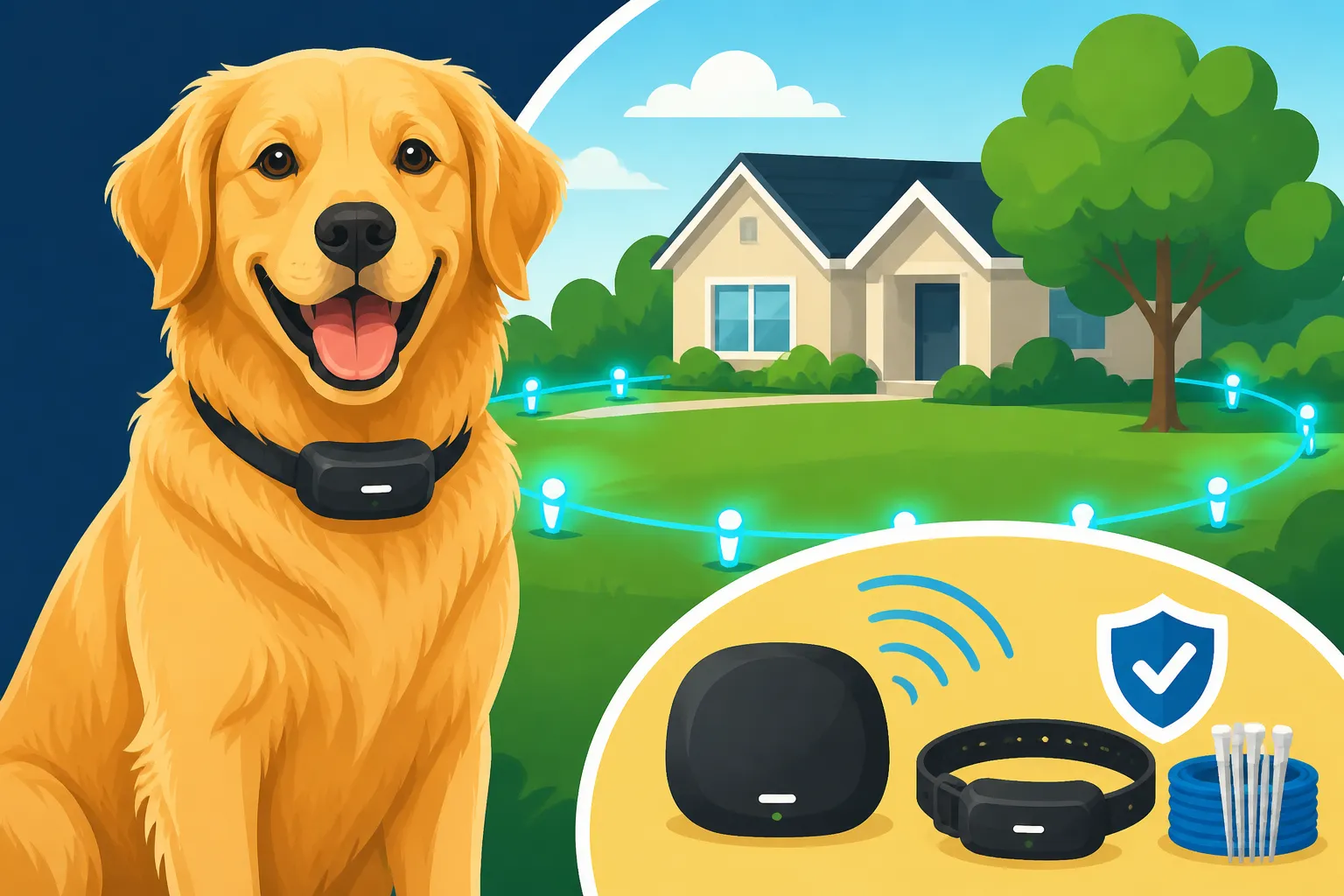
At its core, an invisible fence, often called an electronic or "hidden" fence, operates on a simple principle of deterrent and training. It consists of three main components:
- Transmitter: This is typically a small box installed indoors, often in a garage or basement. It plugs into a standard electrical outlet and emits a low-frequency radio signal through a buried boundary wire.
- Boundary Wire: This wire is buried a few inches underground or sometimes strung along an existing fence line. It defines the perimeter of the area where your Golden Retriever can safely roam. The signal from the transmitter travels through this wire.
- Receiver Collar: Your Golden wears a special collar equipped with a receiver. As your dog approaches the boundary wire, the receiver in the collar picks up the signal.
When your Golden approaches the boundary, the collar emits an audible warning tone. If they continue to move closer, the collar then delivers a mild, harmless static correction. This static pulse is designed to be startling and uncomfortable, not painful, teaching your dog to associate the warning tone (and eventually, the boundary itself) with the correction, prompting them to turn back.
Advantages and Disadvantages for Golden Retrievers
Golden Retrievers are known for their intelligence, eagerness to please, and gentle nature, which can make them good candidates for invisible fences. However, their strong prey drive, love for people, and occasional "selective hearing" also present unique challenges.
Advantages:
- Aesthetics: For many homeowners, the biggest draw is that there's no physical fence to obstruct views or alter the landscape. If you live in an area with strict HOA rules against physical fences, this can be a lifesaver.
- Cost-Effective (Potentially): Compared to installing thousands of feet of traditional fencing, an invisible fence can be significantly cheaper, especially for large or irregularly shaped yards.
- Customizable Boundaries: You can create specific zones within your property where your Golden can and cannot go, such as keeping them out of a flower garden or away from a pool.
- Freedom to Roam: Within the designated area, your Golden gets to enjoy the full expanse of your yard, which is fantastic for a breed that loves to explore and play. This is a huge benefit compared to being constantly tethered or on a short leash.
Disadvantages:
- Training is Crucial: This isn't a "set it and forget it" solution. Your Golden Retriever must be thoroughly trained to understand the system. This involves consistent, positive reinforcement training over several weeks, teaching them what the warning tone means and where the boundaries are. Without proper training, it's just a random, confusing shock.
- No Barrier Against Outside Threats: An invisible fence keeps your Golden in, but it doesn't keep other animals (stray dogs, wildlife) or people (strangers, curious children) out. This is a significant concern for such a friendly and trusting breed.
- Escape Risk (Especially with High Drive Goldens): A highly motivated Golden Retriever, especially one with a strong prey drive or an intense desire to greet a passing person or dog, might be willing to "take the hit" of the static correction to get out. Once they've learned they can push through, the system loses its effectiveness.
- Power Outages: If the power goes out, the system is dead, leaving your Golden unprotected. Some systems have battery backups, but it's an important consideration.
- Potential for Stress and Anxiety: Some sensitive Golden Retrievers may become stressed or anxious by the static correction, leading to fear of the yard itself or even behavioral issues. It's essential to observe your dog closely during training.
- No Official Containment: In many legal jurisdictions, an invisible fence is not considered sufficient containment, especially if your dog is involved in an incident outside your property. Always check local ordinances regarding pet containment.
For a breed like the Golden Retriever, known for its intelligence and desire to please, training often goes smoothly. However, remember that every dog is an individual. What works perfectly for one Golden might be a struggle for another, especially if they are particularly sensitive or have a high drive.
Breaking Down Invisible Fence Costs
When you’re considering an invisible fence for your Golden Retriever, understanding the financial commitment is key. The costs can vary wildly depending on whether you opt for a DIY approach or professional installation, the size of your property, and the features you choose.
Components and Installation: DIY vs. Professional
There are two primary routes you can take: purchasing a DIY kit and installing it yourself, or hiring a professional company to handle everything.
DIY Invisible Fence Kits:
- Cost Range: Generally, DIY kits can run anywhere from $150 to $600, sometimes a bit more for larger kits designed for extensive properties.
- What's Included: These kits typically come with a transmitter, a certain amount of boundary wire (e.g., 500-1000 feet), a receiver collar with batteries, training flags, and instructions.
- Pros: Significantly lower upfront cost. You have control over the installation schedule. You can often find popular brands like PetSafe and SportDOG at retailers like Chewy, making them easily accessible.
- Cons: Requires significant time and effort for installation, including burying the wire, which can be tedious and physically demanding. You're responsible for troubleshooting any issues. Training your Golden Retriever effectively falls entirely on your shoulders, which can be challenging if you're not experienced in this type of training.
Professional Invisible Fence Systems:
- Cost Range: This is where things get more expensive. Professional systems and installation can cost anywhere from $900 to $2,500 or more, depending on the company, your location, and the specifics of your yard.
- What's Included: A professional company will provide all the necessary equipment, expertly bury the wire, set up the transmitter, fit the receiver collar, and, crucially, often include professional training sessions for your Golden Retriever. This training is invaluable for ensuring your dog understands the system properly and reduces the risk of future escapes.
- Pros: Expert installation, which means fewer issues with wire breaks or signal problems. Professional training for your Golden, often tailored to their specific temperament. Warranties on equipment and installation. Ongoing support and troubleshooting.
- Cons: Much higher initial investment. Less flexibility on installation timing.
Factors That Influence Total Cost
Beyond the basic DIY vs. professional choice, several factors will drive the overall price tag of your invisible fence system:
- Yard Size and Shape: A larger property requires more boundary wire, which increases both material cost and installation time (whether DIY or professional). Complex, irregular yard shapes also take more time and planning to lay out the wire effectively.
- Number of Dogs: If you have multiple Golden Retrievers, each will need their own receiver collar, adding to the cost.
- Type of System: Basic systems are cheaper. More advanced systems might offer features like smaller, lighter collars for puppies, different levels of static correction, battery backup for the transmitter, or even wireless systems (though these have their own limitations regarding range and consistency).
- Terrain: If your yard has rocky soil, dense tree roots, or requires crossing a driveway (which might involve cutting into concrete or asphalt), installation becomes more difficult and thus more expensive.
- Training Package: Professional installation often includes basic training. However, some companies offer more extensive training programs, which will increase the total cost. If your Golden is particularly headstrong or sensitive, additional sessions might be beneficial, adding to the expense.
Here's a quick comparison of potential costs:
| Feature/Service | DIY Invisible Fence (Estimate) | Professional Invisible Fence (Estimate) | Notes |
|---|---|---|---|
| System Kit | $150 – $600 | $500 – $1,500 (part of total package) | Includes transmitter, wire, 1 collar. Professional-grade equipment is sturdier. |
| Additional Wire | $30 – $100 per 500 ft | Included in package | For larger yards beyond base kit coverage. |
| Extra Collars | $80 – $200 each | $150 – $300 each | For multi-dog households. |
| Installation Labor | $0 (your time/effort) | $400 – $1,000+ | Burying wire, setting up transmitter. Varies by complexity. |
| Professional Training | $0 (your time/effort) | $100 – $500 (often included/optional) | Crucial for teaching your Golden the boundaries effectively. |
| Total Initial Cost | $150 – $700+ | $900 – $2,500+ | Significant difference. |
Ongoing Maintenance and Hidden Costs
The initial purchase and installation aren't the end of the financial road. There are ongoing costs and potential hidden expenses to consider:
- Batteries: Receiver collars require batteries. Some use proprietary batteries that can be expensive, while others use standard sizes. Factor in $20 – $60 per year per collar for battery replacements.
- Collar Replacement: Collars can wear out, get damaged, or even get lost. A new receiver collar can cost $80 to $300.
- Wire Breaks: Over time, buried wires can be cut by gardening tools, gnawing animals, or ground shifting. Locating and repairing a wire break can be a DIY task if you have a wire-break locator (~$50-100) or a professional service call ($75 – $200+).
- Veterinary Bills: While rare with proper training, if your Golden consistently tries to escape, repeated static corrections could lead to stress-related issues requiring vet visits. More critically, if your Golden does escape and gets injured, the emergency vet bills could be substantial. Pet insurance providers like Healthy Paws can help offset these unexpected costs, but prevention is always best.
- Behavioral Consultations: If your Golden develops fear or anxiety related to the fence, you might need to consult a professional dog behaviorist, which can cost $100 – $300 per session.
- Alternative Containment: If the invisible fence ultimately doesn't work for your Golden Retriever, you might still end up needing to build a physical fence or opt for other containment methods, meaning the initial invisible fence investment was lost. Remember, while a physical fence has a higher upfront cost, it's a tangible barrier for your peace of mind and your Golden's safety, as discussed in Fencing a Yard for a Golden Retriever.
Factors Influencing Invisible Fence Suitability and Cost for Goldens
Deciding if an invisible fence is truly suitable for your Golden Retriever, and understanding the associated costs, goes beyond just the hardware. Your dog's personality, your property's characteristics, and even potential emotional tolls all play a part.
Yard Size, Layout, and Terrain Considerations
The physical characteristics of your property have a direct impact on the cost and effectiveness of an invisible fence system.
- Large Properties: While invisible fences are great for larger areas where traditional fencing would be prohibitively expensive, remember that more wire means more cost and more potential points of failure. If you have acres of land, a DIY installation will be a massive undertaking.
- Irregular Shapes and Obstacles: A perfectly rectangular yard is simple. A yard with a winding creek, dense brush, rocky outcrops, or multiple garden beds makes the wire layout much more complex. Professional installers are skilled at navigating these challenges, but it adds to their labor cost. If you're doing it yourself, be prepared for frustration and potentially needing specialized tools.
- Slopes and Uneven Ground: Burying wire consistently on steep slopes or very uneven ground can be tricky. It's essential to maintain a consistent depth for the wire to ensure a reliable signal.
- Driveways and Pavements: Crossing concrete driveways means either routing the wire underneath (if possible), cutting a channel in the pavement, or creating a "gap" in your boundary. These solutions add complexity and cost, especially if professional services are required.
Remember, a consistent signal is paramount. If the wire is too shallow, it can be easily damaged. If it's too deep in some areas, the collar might not pick up the signal reliably, leading to your Golden accidentally getting corrected or escaping.
Golden Retriever Personality and Trainability
Golden Retrievers are renowned for their intelligence and eagerness to please, making them generally good candidates for training. However, individual personalities within the breed can significantly influence how well they adapt to an invisible fence.
- Eager-to-Please Goldens: These dogs are typically fantastic. They quickly grasp the concept of the warning tone and the boundary, and a few mild static corrections are usually enough to teach them. They respond well to positive reinforcement during training, which should be spread out in manageable sessions, avoiding Golden Retriever Training Sessions That Are Too Long.
- High-Drive Goldens with a Strong Prey Instinct: This is where the challenge lies. A Golden who spots a deer, a rabbit, or even another dog walking by might have an instinctual drive so strong that they're willing to endure the static correction to chase after it. Once they "break through" once, they learn they can do it again, effectively rendering the fence useless. For these Goldens, the risk of escape is much higher.
- Sensitive or Anxious Goldens: Some Goldens are more sensitive than others. A static correction, even a mild one, might be very distressing. This can lead to fear of the yard, anxiety, or reluctance to go outside at all. In severe cases, it might even lead to aggression towards the collar or generalized fear. It's crucial to monitor your Golden's reaction during training and consider if this system truly aligns with their well-being.
- Stubborn Goldens: Even the most agreeable breeds have individuals who can be a bit stubborn. These Goldens might push the boundaries more, requiring more consistent and patient training, and potentially a higher level of static correction, which you want to avoid if possible. If you find your Golden struggling, you might benefit from additional Golden Retriever Training Class Costs or a professional trainer experienced with invisible fences.
Potential Hidden Costs and Alternatives
Beyond the obvious expenses, there are other considerations that can impact the long-term cost and stress associated with an invisible fence.
- The Emotional Toll: Constantly worrying if your Golden will get out, or seeing them stressed by the correction, can take an emotional toll on you as an owner. This isn't a financial cost, but it's a very real one.
- Liability Issues: If your Golden escapes and causes an accident (e.g., chasing a car, biting someone, getting into a fight with another dog), you could face significant legal and financial consequences. Your Homeowners Insurance and Golden Retrievers policy might offer some liability coverage, but prevention is always best.
- Time Commitment: The time investment for training is substantial, especially with a DIY system. You'll need to spend consistent time working with your Golden to ensure they understand the boundaries and consequences. This time is a valuable resource that many owners underestimate.
Alternatives to Invisible Fences:
If an invisible fence seems like too much of a gamble or doesn't fit your Golden's personality, here are a few alternatives:
- Traditional Physical Fencing: While often more expensive upfront, a physical fence (wood, chain link, vinyl, etc.) provides a tangible barrier and peace of mind. For a Golden Retriever, a 4-6 foot fence is usually sufficient.
- Long Lines and Tethers: For supervised outdoor time, a long training line (20-50 feet) can give your Golden more freedom than a standard leash while keeping them safely connected to you. However, this is not a permanent solution for unsupervised yard access.
- Dog Runs or Enclosures: A secure, smaller enclosed area within your yard can provide a safe space for your Golden to play and relieve themselves, without needing to fence the entire property.
- Regular Leashed Walks and Dog Parks: If yard freedom isn't feasible, ensure your Golden gets plenty of exercise and mental stimulation through daily walks on a leash and visits to secure dog parks. While it doesn't solve the "yard freedom" issue, it ensures their exercise needs are met. Many Goldens thrive on active engagement with their owners, and a good walk can be just as enriching as free roaming in a large yard.
Ultimately, the best choice for your Golden Retriever will depend on your specific circumstances, your dog's temperament, and your budget.
Making the Best Decision for Your Golden Retriever and Your Wallet
Choosing the right containment solution for your Golden Retriever is a significant decision that impacts their safety, your peace of mind, and your financial planning. Weighing the options carefully is crucial.
Weighing the Investment: Invisible vs. Traditional Fencing
When you're comparing invisible fences to traditional physical fences, it often comes down to a balance of cost, aesthetics, and security.
- Initial Cost: As we've seen, invisible fences generally have a lower entry point, especially with DIY kits. A professional invisible fence might be comparable to a basic physical fence for a smaller yard but is usually less than a full, high-quality perimeter fence for a large property.
- Long-Term Value: A physical fence, while expensive upfront, often adds to your home's property value and provides a clear, undeniable barrier. It requires less ongoing maintenance than an invisible fence (no batteries, fewer signal breaks) and provides superior security.
- Security and Peace of Mind: This is often the deciding factor for Golden Retriever owners. A physical fence offers a complete barrier against both your dog escaping and external threats entering your yard. You don't have to worry about your Golden "testing" the boundary or being lured out by a tempting squirrel. This peace of mind is priceless for many.
- Aesthetics and HOA Restrictions: If your property has strict covenants or you simply prefer an unobstructed view, an invisible fence is the clear winner on aesthetics. However, always consider if the lack of a physical barrier impacts your overall sense of security.
For many, the lower upfront cost of an invisible fence is appealing, but the potential for escape or the stress it might cause a sensitive Golden Retriever often sways owners toward a more secure, albeit pricier, physical fence.
Considering Your Golden Retriever's Specific Needs
No two Golden Retrievers are exactly alike. What works for your neighbor's mellow Golden might not work for your high-energy, prey-driven pup.
- Temperament is Key: If your Golden is exceptionally calm, less prone to chasing wildlife, and highly responsive to training, an invisible fence might be a viable option. However, if they are easily distracted, have a history of bolting, or are sensitive to startling sensations, a physical fence is a safer bet.
- Age and Health: Very young puppies or senior Goldens might not be ideal candidates for invisible fences. Puppies might not have the maturity to understand the boundaries, and the static correction could be too intense for an older dog with health issues.
- Training Commitment: Are you prepared to dedicate several weeks (or more) to consistent, patient training? Invisible fences are only as good as the training your Golden receives. This isn't just about showing them the flags; it's about building a solid understanding and respect for the boundary. For a breed that thrives on mental engagement, like a Golden, this training can be a bonding experience, but it's a significant time investment. If you're considering the overall cost of ownership, remember that The Real Cost of a Golden Retriever's First Year includes training and initial supplies.
Tips for Saving Money If You Choose an Invisible Fence
If, after careful consideration, you decide an invisible fence is the right choice for your Golden, here are some ways to manage the costs:
- Consider DIY for Smaller, Simple Yards: If you have a small, uncomplicated yard and are handy, a DIY kit can save you hundreds, if not thousands, of dollars on installation. Brands available through retailers like Chewy often provide comprehensive guides and support forums.
- Shop Around for Professional Installers: Don't just go with the first quote. Get at least three different estimates from local companies. Compare not only the price but also the warranty, the quality of their equipment, and what their training packages include.
- Do Your Own Training (with caution): If you're experienced in positive reinforcement dog training, you might be able to handle the training aspect yourself, even with a professionally installed system. Just be sure you understand the nuances of invisible fence training to avoid causing your Golden stress or confusion. There are many online resources and guides, but if you have any doubts, investing in professional training is wise.
- Buy Generic Batteries: If your system uses standard battery sizes, buy them in bulk from a discount retailer rather than proprietary brand batteries, which are often more expensive.
- Perform Regular Maintenance: Check your wire regularly for breaks, especially after heavy rain or yard work. Promptly replace collar batteries and inspect the collar for wear and tear. Proactive maintenance can prevent costly repairs or replacements down the line.
- Consider a Combination Approach: Perhaps you install an invisible fence around the perimeter for general containment, but also erect a smaller, physical dog run for times when you cannot supervise, providing an extra layer of security. This can often be a more budget-friendly approach than fencing an entire large property.
Ultimately, the best invisible fence system is one that keeps your Golden Retriever safe, provides them with appropriate freedom, and doesn't cause them undue stress, all while fitting within your budget. Take the time to research, train diligently, and observe your Golden's reactions to ensure it's the right fit for everyone.
Disclaimer
This article is for general informational purposes only and does not constitute professional advice. Laws, prices and regulations vary by location and change over time. Consult a qualified professional for guidance on your specific situation.