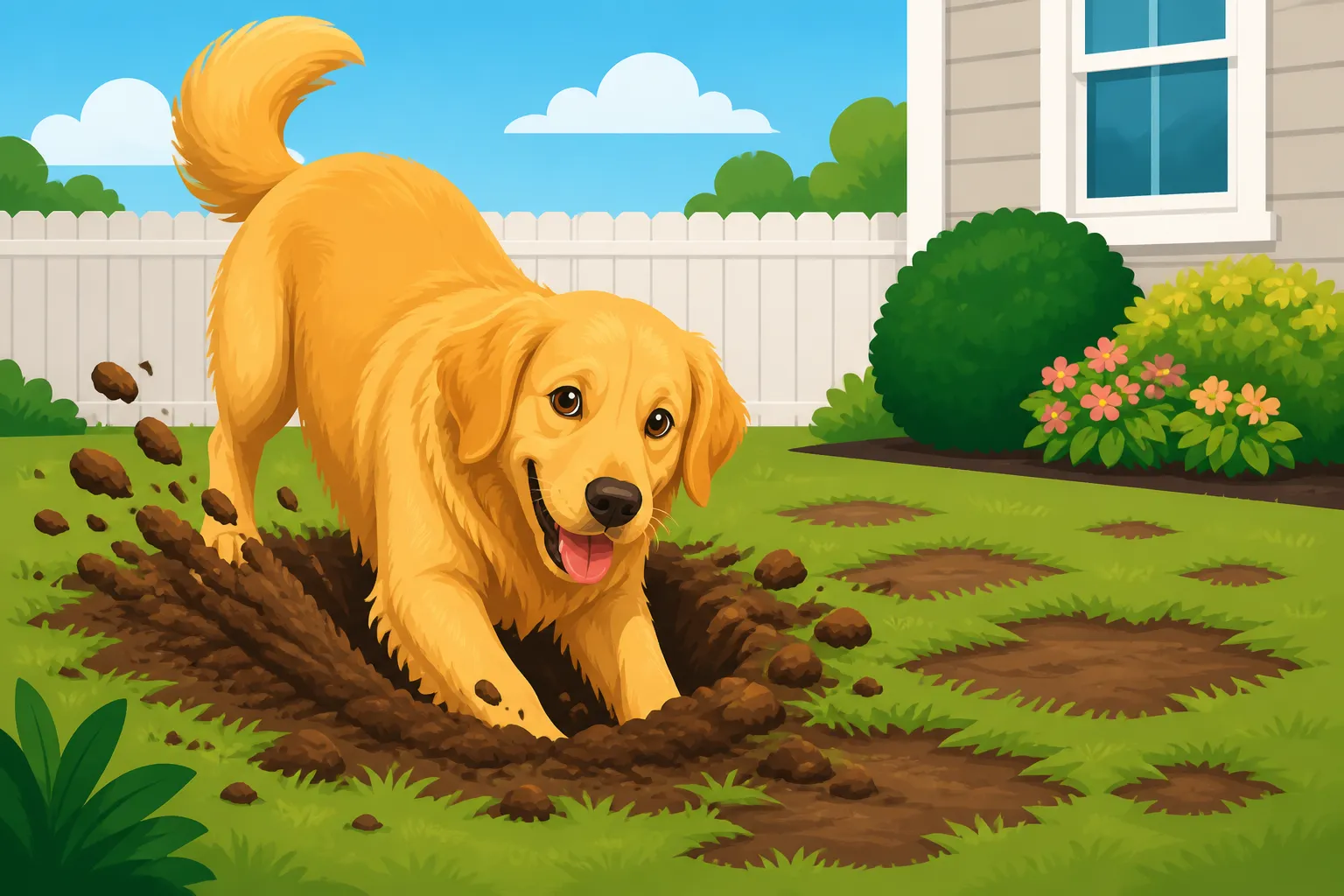
Yard Repair From a Digging Golden Retriever
Waking up to a freshly dug crater in your pristine lawn can be incredibly frustrating, especially when it's the handiwork of your beloved Golden Retriever. It's not just a minor annoyance; these holes can turn a beautiful yard into a hazard zone, leading to costly repairs and endless battles with muddy paws. This guide is here to walk you through not only fixing that damaged turf but also understanding why your Golden digs and how to implement long-term strategies to save your landscaping.
Understanding Why Your Golden Retriever Digs
Before you can truly fix the physical damage to your yard, or even begin to prevent future excavations, it’s crucial to understand why your Golden Retriever is digging in the first place. Goldens are smart, active dogs, and their digging isn't usually out of spite. There's almost always a root cause, and addressing that will be far more effective than just filling holes endlessly.
Natural Instincts at Play: Hunting, Burying, and Exploring
Golden Retrievers, at their heart, are working dogs with strong instincts. They were bred for retrieving, but many of those primal canine behaviors still surface. One of these is the instinct to hunt and explore. They might be digging because they've caught the scent of a critter—a squirrel, a mole, or even just an interesting bug—and are trying to investigate or catch it. This is especially true if you notice them digging along fences or near trees where wildlife activity is higher.
Another powerful instinct is burying. Ever seen your Golden "bury" a favorite toy or treat in a blanket? It’s a carryover from their ancestors who would cache food to protect it from scavengers. Even if they're not burying something valuable, the act of digging itself can be incredibly satisfying. It's a full-body workout that engages their senses and feels intrinsically rewarding. Don't underestimate the sheer joy they get from moving earth!
Boredom and Energy Outlet: The Unfulfilled Golden
This is one of the most common reasons for destructive digging in Goldens. These dogs are intelligent and possess a good amount of energy that needs a proper outlet. If they're not getting enough physical exercise or mental stimulation, they'll invent their own entertainment—and often, that involves digging. Think about it: if you're stuck at home with nothing to do, wouldn't you find a hobby? For a Golden, excavating the backyard is a thrilling adventure, a way to expend pent-up energy, and a form of self-amusement.
A Golden Retriever who is consistently under-exercised or under-stimulated is a prime candidate for digging. A quick walk around the block might not be enough for a breed that thrives on activity. They need more than just physical exertion; their clever minds need puzzles, training, and engagement. Without it, that boundless Golden enthusiasm can quickly turn into backyard demolition. This is why understanding the Exercise a Golden Retriever Needs Each Day is so vital for their overall well-being and your yard's survival.
Comfort and Security: Temperature Regulation and Denning
Sometimes, your Golden might be digging for a more personal reason: comfort. On a hot summer day, a Golden Retriever's thick double coat can make them feel quite warm. Digging down into the cooler earth can provide a refreshing spot to lie down, offering respite from the heat radiating off the surface. Conversely, in colder weather, they might dig to create a sheltered hollow, a makeshift den to curl up in and stay warmer, protected from wind or rain.
This denning behavior is deeply ingrained. Dogs often seek out secure, enclosed spaces. A hole in the ground, even a shallow one, can mimic that feeling of safety and enclosure. If you notice your Golden digging and then settling into the hole, especially during extreme temperatures, they might just be trying to make themselves more comfortable.
Anxiety and Stress: When Digging Becomes a Coping Mechanism
While less common than boredom or instinct, digging can also be a sign of underlying stress or anxiety in a Golden Retriever. Dogs, like people, can develop coping mechanisms when they feel uneasy. If your Golden is experiencing Separation Anxiety in Golden Retrievers or other forms of stress, repetitive behaviors like digging, pacing, or excessive barking might manifest. The act of digging can be self-soothing, a way to release nervous energy or distract themselves from feelings of loneliness or fear.
It's important to observe when and where your Golden digs. If it coincides with you leaving the house, or if they seem generally agitated, it's worth considering anxiety as a potential factor. A stressed Golden might also dig frantically rather than methodically. In these cases, addressing the emotional well-being of your dog is paramount, and yard repair becomes a secondary concern until the root cause of their distress is managed.
Immediate Steps for Yard Repair
Okay, you've assessed the situation, maybe even had a heart-to-heart with your furry excavator. Now it's time to tackle the physical damage. Repairing the yard might seem daunting, especially if your Golden has been particularly industrious, but breaking it down into steps makes it manageable.
Leveling and Refilling Holes: Getting the Ground Even
The first, most obvious step is to get rid of those craters. You’ll need a shovel, a rake, and some fresh topsoil. If the hole isn't too deep and the soil is still relatively loose and contained around the perimeter, you might be able to simply use a shovel to push the excavated dirt back into the hole. Compact it firmly with your foot or the back of the shovel to prevent it from sinking later.
For deeper, older holes, or those where the dirt has dispersed, you'll need to bring in new topsoil. Good quality topsoil is essential, as it will provide a healthy base for new grass or plants. Fill the hole slightly higher than the surrounding ground, anticipating that it will settle over time. Use a rake to spread the soil evenly and create a smooth surface that blends with the existing lawn. For significant damage, you might consider picking up larger bags or even a small delivery of topsoil from a local garden center. Chewy offers a range of gardening tools and soil amendments that can be quite handy for these projects.
Amending the Soil: Bringing Life Back to Damaged Areas
Once the holes are refilled and leveled, the existing soil, especially in areas that have been heavily dug, might be compacted or depleted of nutrients. This is where soil amendment comes in. Adding organic matter can dramatically improve soil structure, drainage, and fertility, creating a much better environment for new growth.
Work some compost, peat moss, or well-rotted manure into the top few inches of the newly leveled soil. This isn't strictly necessary for every minor patch, but for larger areas that have seen a lot of abuse, it makes a huge difference. Use your rake to mix it thoroughly. This step is particularly important if you live in an area with heavy clay soil or very sandy soil, as organic amendments help balance these extremes. Healthy soil means healthier grass, which is more resilient to wear and tear.
Reseeding or Sodding: Re-establishing Greenery
Now for the green stuff! You have two main options for re-establishing your lawn: reseeding or sodding.
-
Reseeding: This is generally the more economical option, especially for larger areas. Choose a grass seed variety that matches your existing lawn and is suitable for your climate. For Golden Retrievers, a robust, fast-growing grass type can be beneficial. Spread the grass seed evenly over the prepared soil, following the package directions for coverage. Lightly rake it into the top quarter-inch of soil, then gently water. The key to successful reseeding is consistent moisture, especially in the first few weeks. You’ll need to keep the soil damp, but not waterlogged. Be prepared for a bit of a waiting game, as it can take several weeks for the grass to establish.
-
Sodding: If you want instant gratification and a quicker repair, sod is the way to go. Sod offers an immediate green patch, which can be great if you're tired of looking at bare spots. Measure the area you need to cover and order sod from a local nursery or landscaping supply company. Lay the sod pieces tightly together on the prepared, amended soil, ensuring there are no gaps. Trim pieces to fit with a utility knife. Once laid, water the sod thoroughly and keep it consistently moist for the first few weeks until it has rooted deeply into your existing soil. Sod is more expensive upfront, but it provides immediate results and a thicker, more durable lawn more quickly.
Protecting Repaired Spots: Keeping Paws Off Fresh Work
This is arguably the most challenging part of yard repair with a Golden Retriever: keeping them off the newly seeded or sodded areas. Golden Retrievers are notorious for wanting to be right where the action is, and a fresh patch of soft, new dirt is like an open invitation. You absolutely must implement barriers to protect your work.
Temporary fencing, like wire garden fencing or even strategically placed wooden stakes with netting, can be effective. Make sure the barrier is tall enough that your Golden can't easily jump over it, and secure enough that they can't push it down. Consider using a "Do Not Enter" barrier for a few weeks, especially during the crucial germination and rooting phases. If your Golden is really persistent, you might even need to supervise their outdoor time or keep them on a leash in the yard for a short period. Consistency here is key; one romp on new sod can undo days of careful work.
Long-Term Solutions to Prevent Future Digging
Once the yard is repaired, the real work begins: prevention. Without addressing the underlying reasons for your Golden's digging, you'll find yourself in a constant cycle of repair. Proactive management is essential for a harmonious relationship between your Golden and your green space.
Addressing the Root Cause: Exercise, Mental Stimulation, and Training
The most effective long-term solution is to tackle the "why" head-on. If boredom is the culprit, ramp up the physical activity. Golden Retrievers need a good amount of exercise every single day. This isn't just a quick potty break; it's a brisk walk, a good game of fetch, or a trip to a dog park. Remember, a tired Golden is a good Golden. If you're struggling to provide enough activity yourself, consider Hiring a Dog Walker for a Golden Retriever a few times a week, especially if you work long hours.
Mental stimulation is equally vital. Goldens are smart and love to learn. Incorporate regular training sessions, even short ones, to reinforce obedience commands. Engage their minds with puzzle toys, treat-dispensing toys, or even scent games around the house or yard. Rotate their toys regularly to keep things fresh and exciting. Teaching them new tricks or enrolling in a fun agility class can also do wonders. For more ideas on how to keep their brains busy, check out our guide on Mental Enrichment for a Bored Golden Retriever.
Creating a Designated Digging Zone: Channeling Instincts
If your Golden simply loves to dig, and you've tried everything else, why not give them an acceptable outlet? Creating a designated "digging pit" can be a fantastic compromise. Choose a discreet corner of your yard, perhaps where you don't mind a bit of a mess. Define the area with some landscaping timbers or rocks.
Fill this pit with loose sand or fresh topsoil. To encourage your Golden to use it, "salt" it with exciting treasures – bury some of their favorite toys, sturdy chews, or even some high-value treats (like those from Ollie, a fresh dog food brand that often includes high-quality protein). Show them the area, let them watch you bury items, and then encourage them to dig them up. Reward them enthusiastically when they dig in their designated spot. If you catch them digging elsewhere, gently redirect them to their pit. With consistency, many Goldens will learn to channel their natural instincts into this approved area, saving the rest of your lawn.
Deterrents and Barriers: Making Undesirable Areas Less Appealing
For areas you absolutely want to protect, you might need to employ some deterrents. These aren't meant to be cruel, but rather to make certain spots less appealing for digging.
- Physical Barriers: As mentioned, temporary fencing works well for fresh repairs. For garden beds, consider installing chicken wire slightly buried along the perimeter and extending up about a foot. This makes it difficult for them to get a purchase to dig. Larger decorative rocks or stones placed strategically around plants can also deter digging by simply taking up space.
- Scent Deterrents: Some dogs dislike certain smells. Sprinkling cayenne pepper, citrus peels, or coffee grounds in problem areas can sometimes deter digging. Be cautious with these and ensure they won't harm your dog if ingested. There are also commercial dog-specific digging deterrent sprays available at pet supply stores like Chewy, which can be an easy option to try.
- Unpleasant Textures: Placing chicken wire flat on the ground and securing it, or embedding rough gravel in planting beds, can make the texture of the soil less inviting for digging paws. Just make sure whatever you use won't cut or hurt their paws.
Enriching the Environment: More Fun, Less Digging
Think about the overall appeal of your yard from your Golden's perspective. Is it just a giant bathroom, or is it a place of exploration and fun? Adding elements that enrich their environment can significantly reduce destructive behaviors like digging.
Consider setting up a splash pool in the summer, especially for Goldens who love water. Provide a variety of durable outdoor toys, rotating them to maintain novelty. A sturdy "flirt pole" can be a great way to provide a burst of exercise and mental engagement. If your Golden is prone to Golden Retriever Chewing Through Adolescence, make sure they have plenty of appropriate chew toys to redirect that oral fixation. The more engaging and positive experiences your Golden has in the yard, the less likely they are to resort to digging out of boredom or frustration.
Choosing Durable Landscaping and Ground Cover
Beyond just repairing what's been damaged, a smart long-term strategy involves choosing landscaping that can better withstand the enthusiastic antics of a Golden Retriever. Some plants and ground covers are simply more resilient than others.
Grass Types That Stand Up to Paws
Not all grass is created equal when it comes to dog traffic. For a Golden Retriever, you want a grass variety that is tough, recovers quickly, and can handle occasional digging attempts or heavy play.
- Tall Fescue: This is often a top recommendation for dog owners. It's a cool-season grass that's known for its deep root system, making it more drought-tolerant and resilient to wear and tear. It can tolerate some shade and generally recovers well from damage.
- Kentucky Bluegrass: While beautiful and soft, Kentucky Bluegrass can be a bit more delicate than fescue. However, it has an excellent ability to self-repair through rhizomes, so small damaged patches can fill in over time.
- Perennial Ryegrass: This grass germinates quickly, making it a good choice for overseeding damaged areas for fast results. It's durable and can handle heavy foot traffic.
- Bermudagrass: If you're in a warm climate, Bermudagrass is a super-tough, warm-season grass that stands up to heavy use, recovers quickly, and forms a dense mat. It does require full sun.
No matter which grass you choose, ensure your soil is healthy and well-maintained. Regular fertilization (safe for pets), proper watering, and avoiding excessive compaction will help your lawn thrive, making it more resilient against your Golden's adventures.
Alternative Ground Covers and Hardscaping
Sometimes, grass simply isn't going to cut it in high-traffic or high-digging areas. In these spots, consider alternative ground covers or hardscaping solutions.
- Mulch or Wood Chips: For garden beds or around trees, a layer of hardwood mulch can be a good deterrent. It's not as satisfying to dig in as loose soil, and it protects plant roots. Just be mindful of which type of mulch you use; avoid cocoa bean mulch as it can be toxic to dogs. Shredded bark or cedar chips are generally safe options.
- Gravel or River Rocks: For paths or areas where grass struggles, gravel or larger river rocks can be an excellent, durable solution. They're nearly impossible for a Golden to dig through and provide a clean, low-maintenance surface. Ensure the stones are large enough not to be ingested.
- Artificial Turf: While an investment, high-quality artificial turf can be a game-changer for dog owners struggling with grass issues. It's extremely durable, can be cleaned easily, and provides a perpetually green, paw-friendly surface that Goldens cannot dig up. It’s also great for managing issues like Golden Retriever Food and Skin Allergies if environmental allergens are a concern with natural grass.
- Patios or Pavers: Expanding a patio or creating paver pathways in heavily used areas can provide durable, easily cleaned surfaces that eliminate digging opportunities. These are particularly useful around outdoor eating areas or main routes to doggy doors.
Protecting Garden Beds and Sensitive Areas
If you have prized flower beds, vegetable gardens, or delicate landscaping, these areas will need extra protection from a digging Golden.
- Raised Garden Beds: These are fantastic for keeping plants out of reach. The sides create a clear boundary, and the enclosed soil is less accessible for digging. You can even add a layer of hardware cloth at the bottom before filling with soil to prevent digging into the bed from underneath.
- Edging and Borders: Strong, deeply installed landscape edging made of metal, stone, or durable plastic can create a physical barrier around garden beds. This helps define the space and makes it less inviting for a Golden to venture into for a digging session.
- Strategic Planting: Consider planting robust, non-toxic shrubs or dense ground covers that are difficult for dogs to dig around. Thorny plants can act as a natural deterrent, but ensure they are placed where your Golden won't accidentally get hurt.
- Supervision: Ultimately, the best defense for sensitive garden areas might simply be supervised access. When your Golden is in the yard, especially if they are still a young puppy going through the Golden Retriever Puppy Socialization Windows or a boisterous adolescent, keep an eye on them. If they start to investigate a forbidden area, a quick and consistent "leave it" command can prevent damage before it starts. Sometimes, you just need to be more diligent.
Remember, patience and consistency are your best tools. Dealing with a digging Golden and repairing a yard is a marathon, not a sprint. But by understanding their motivations and implementing thoughtful solutions, you can achieve a peaceful coexistence between your wonderful Golden Retriever and your beautiful yard.
Disclaimer
This guide is intended for informational purposes only and is not a substitute for professional veterinary advice or professional landscaping services. Always consult with your veterinarian for any health concerns regarding your Golden Retriever, and seek expert advice for significant landscaping projects.