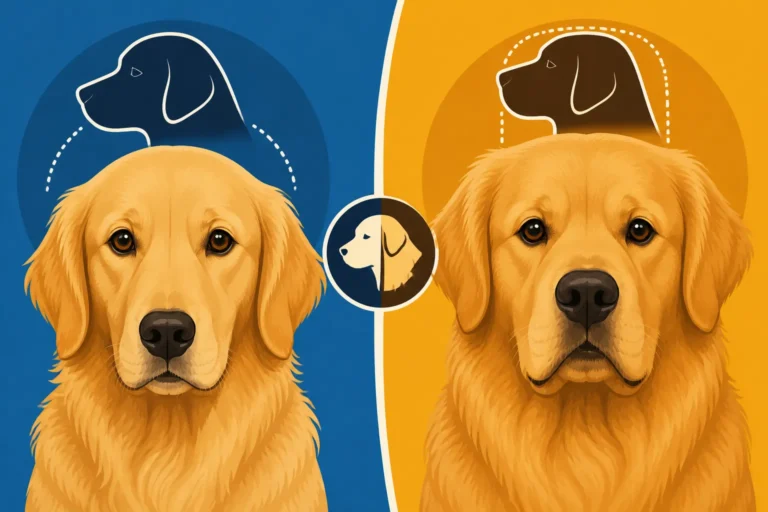
Choosing Between a Golden Retriever and a Poodle
Choosing between two incredible breeds like the Golden Retriever and the Poodle can feel like an impossible task, especially when you’re looking for a new furry family member. Both breeds bring so much joy, intelligence, and companionship into a home, but they do it in fundamentally different ways. This guide is here to walk you through the nuances of each breed, helping you understand their unique needs, personalities, and what kind of home they thrive in, so you can make the most informed decision for your lifestyle.
Temperament and Personality: The Heart of the Home
When you're bringing a dog into your life, their inherent personality is often the first thing people think about. Will they be a cuddler? A playful troublemaker? A dignified observer? Both Golden Retrievers and Poodles are renowned for their intelligence and trainability, but their approaches to life and family can be quite distinct. Understanding these core differences is key to predicting how well they'll fit into your daily rhythm.
The Golden Retriever's Easygoing Charm
Golden Retrievers are practically the poster children for the ideal family dog, and for good reason. Their temperament is characterized by an unwavering eagerness to please, profound affection, and an almost boundless patience, especially with children. They have a sunny disposition that seems to light up a room, always ready with a wagging tail and a soft nudge for attention. It’s hard to stay in a bad mood when a Golden Retriever looks at you with those soulful eyes and offers a beloved (and often slobbery) toy.
These dogs are social butterflies, thriving on interaction with their human family and generally extending that friendliness to strangers and other animals. They want to be involved in whatever you're doing, whether it's a family movie night or a trip to the park. This strong desire for companionship means they aren't dogs who do well being isolated in a yard; they need to be an integral part of the household. Their intelligence makes them highly trainable, but it also means they require mental engagement to prevent boredom. Without enough interaction and activity, that gentle soul might just decide to redecorate your couch cushions or explore the delights of the trash bin. Their natural retrieving instinct means they often love to carry things around, whether it's a tennis ball or your sock. For a deeper dive into what makes them tick, you might find our article on Golden Retriever Temperament and Personality particularly insightful.
The Poodle's Keen Intellect and Playful Spirit
Poodles, often unfairly stereotyped by their fancy show clips, are actually highly intelligent, athletic, and wonderfully playful dogs. They possess a keen mind that makes them exceptionally quick learners, often ranking among the smartest dog breeds. This intelligence means they excel in obedience, agility, and other dog sports, but it also means they need consistent mental stimulation to stay happy and prevent them from concocting their own forms of entertainment (which might not always align with your household rules!). A bored Poodle can be a mischievous Poodle.
While incredibly loyal and devoted to their families, Poodles can sometimes be a bit more reserved with strangers than a typical Golden Retriever. They often take a moment to assess new people before offering their full trust and affection. Once they bond with their family, however, they are incredibly loving and can be quite goofy, enjoying playtime and quiet cuddles just as much as their Golden counterparts. The Poodle breed actually comes in three sizes – Standard, Miniature, and Toy – each with slightly different energy levels and living requirements, but all sharing that core intelligence and playful nature. A Standard Poodle, for instance, is a large, athletic dog with considerable stamina, while a Toy Poodle might be perfectly content with indoor games and shorter walks.
Grooming and Maintenance: Managing Those Coats
Here's where the rubber really meets the road for many prospective owners. The coats of Golden Retrievers and Poodles are as different as night and day, and these differences dictate vastly different grooming requirements, affecting both your time commitment and your wallet. If you're someone who is particular about shedding or has allergies, this section will be especially important.
Golden Retriever Shedding and Double Coat Care
Let's not sugarcoat it: Golden Retrievers shed. A lot. They have a beautiful, dense double coat, consisting of a softer, woolly undercoat for insulation and a water-repellent outer coat. This magnificent coat is designed to protect them from the elements, whether they're retrieving ducks from icy waters or running through brush. But it comes with a trade-off: hair. Lots of it. You'll find it on your clothes, your furniture, and even in your morning coffee, if you're not careful!
Managing a Golden Retriever's coat requires commitment. Daily brushing is highly recommended, especially during their twice-yearly "coat blows" in spring and fall, when they shed profusely to adapt to changing seasons. During these times, you might feel like you're brushing out enough hair to make another dog. Tools like undercoat rakes and slicker brushes are your best friends in this battle. Regular bathing (every 4-6 weeks, or as needed) helps keep their skin and coat healthy, but ensure you dry them thoroughly to prevent hot spots. Professional grooming appointments, while not strictly necessary for most owners, can help manage shedding and keep their feathering (the longer hair on their legs, tail, and chest) tidy. Many Golden owners learn to do basic trims at home to save money. For more detailed advice on handling the fluff, check out our guide on Grooming a Golden Retriever's Double Coat or even Golden Retriever Shedding and How to Manage It. Just remember, never shave a Golden Retriever, as their double coat is crucial for temperature regulation and can be permanently damaged.
Poodle's Non-Shedding, High-Maintenance Coat
In stark contrast to the Golden Retriever, Poodles have a single coat of continuously growing hair that is often described as hypoallergenic. This means they shed very minimally, if at all, making them a popular choice for individuals or families who suffer from pet allergies. However, "non-shedding" absolutely does not mean "no maintenance." In fact, the Poodle's coat is arguably more demanding in terms of grooming time and cost.
Because their hair doesn't shed out, it needs to be regularly clipped and brushed to prevent matting, which can quickly become painful for the dog and require professional intervention. Most Poodle owners find that professional grooming every 4-8 weeks is essential to keep their dog comfortable and looking good. The cost of these regular grooming appointments can add up significantly over a dog's lifetime. In between professional grooms, daily or every-other-day brushing at home is crucial to prevent tangles and mats, particularly in areas like behind the ears, armpits, and groin. Many owners learn to use clippers at home to maintain a shorter, more practical "pet clip," but this still requires dedication and the right tools. Companies like Chewy offer a wide array of grooming supplies, from various brushes to clippers, that can help you maintain a Poodle's coat at home, though professional groomers remain a staple for most Poodle families.
| Feature | Golden Retriever | Poodle (Standard) |
|---|---|---|
| Coat Type | Double coat (dense undercoat, water-repellent outer) | Single coat (continuously growing, curly) |
| Shedding | Heavy, especially during seasonal coat blows | Minimal to none (considered hypoallergenic) |
| Grooming Frequency | Daily brushing, monthly baths, occasional trims | Daily/every-other-day brushing, professional grooming every 4-8 weeks |
| Grooming Cost | Moderate (some professional trims, home brushing) | High (frequent professional grooming or dedicated home clipping) |
| Allergy Friendliness | Not suitable for allergy sufferers | Generally suitable for allergy sufferers |
Exercise Needs and Energy Levels: Keeping Them Active
Both Golden Retrievers and Poodles are active, intelligent breeds that require regular exercise and mental stimulation to thrive. However, the type and intensity of that exercise can vary, especially when considering the different Poodle sizes. Understanding these distinctions will help you determine which breed's energy demands align best with your own activity level and lifestyle.
Golden Retriever's Enthusiastic Drive
Golden Retrievers were originally bred as gun dogs, tasked with retrieving waterfowl and game for hunters. This heritage means they possess a strong retrieving instinct, incredible stamina, and a love for physical activity. They aren't content with just a quick stroll around the block; they need vigorous daily exercise to burn off their energy and stay happy and healthy. Think long walks, energetic games of fetch, swimming, and adventures in the park or on trails.
An adult Golden Retriever typically needs at least 60-90 minutes of dedicated exercise per day, often broken into two sessions. This isn't just about physical exertion; it's also about mental engagement. Activities like agility training, obedience classes, or even just working on new tricks can provide valuable mental stimulation. Without sufficient outlets for their energy, Golden Retrievers can become bored, leading to destructive behaviors like excessive chewing, digging, or barking. If you're someone who enjoys an active lifestyle and wants a canine companion to join you on hikes, runs, or trips to the lake, a Golden Retriever will likely be a perfect fit. For ideas on how to keep them moving, explore our article on Exercise a Golden Retriever Needs Each Day. And if you live near water, you'll find they often have a natural affinity for it, as detailed in Swimming as Exercise for a Golden Retriever.
Poodle's Brains and Brawn
Like Golden Retrievers, Poodles, particularly Standard Poodles, are highly athletic and intelligent dogs with considerable energy. Their elegant appearance belies a robust, eager-to-please nature that thrives on activity. Standard Poodles were originally water retrievers, similar to Goldens, which means they are strong swimmers and have excellent stamina. They need ample daily exercise, often similar in duration to a Golden Retriever, but with a strong emphasis on mental engagement.
Poodles excel in dog sports like agility, flyball, and advanced obedience because they love to work with their human and solve problems. A Poodle that isn't sufficiently challenged both physically and mentally can become bored and develop undesirable habits, much like a Golden. Miniature and Toy Poodles, while smaller, also require regular exercise to maintain their health and happiness. A Miniature Poodle might enjoy brisk walks and games of fetch, while a Toy Poodle would be perfectly happy with several short walks and indoor play. Regardless of size, all Poodles benefit from regular training sessions that keep their sharp minds engaged. If you're looking for a dog to join you in competitive dog sports or simply want a clever companion who enjoys learning new things as much as they enjoys walks, a Poodle could be an excellent choice.
Health and Lifespan: What to Expect Long-Term
Bringing a dog into your home is a long-term commitment, and understanding the potential health challenges of a breed is crucial for responsible ownership. Both Golden Retrievers and Poodles are generally healthy breeds, but like all purebred dogs, they are predisposed to certain genetic conditions. Being aware of these can help you choose a reputable breeder and prepare for potential future veterinary care.
Common Golden Retriever Health Concerns
Golden Retrievers are, unfortunately, known for certain health predispositions that every potential owner should be aware of. One of the most heartbreaking concerns is their high incidence of cancer. While not all Goldens will develop cancer, it is a leading cause of death in the breed, with various types like hemangiosarcoma, lymphoma, and osteosarcoma being more prevalent. It’s a statistic that weighs heavily on Golden owners' hearts, and something many of us have personally faced. For a deeper understanding of this challenge, you can read more in Cancer in Golden Retrievers and Why the Breed Is Hit Hardest.
Beyond cancer, orthopedic issues like hip and elbow dysplasia are also common. These conditions, affecting the joints, can lead to arthritis and pain, especially as the dog ages. Reputable breeders will always screen their breeding dogs for these conditions, and you should always ask to see health clearances. Our article on Golden Retriever Hip and Elbow Dysplasia Explained offers comprehensive details on what to look for. Heart conditions, such as Subaortic Stenosis (SAS), and certain eye diseases are also seen in the breed. The average Golden Retriever Lifespan and What Shortened It is typically around 10-12 years, though many of us wish for more. Always insist on seeing proof of Health Clearances a Golden Retriever Breeder Must Show for the parents of any puppy you consider.
Poodle Health Considerations
Poodles, across all three sizes, generally enjoy good health and a lifespan that can often stretch into the early to mid-teens, sometimes even longer, particularly for the smaller varieties. However, they are also prone to certain genetic health issues that responsible breeders diligently screen for. One significant concern in Poodles is Addison's disease, an endocrine disorder that can be challenging to diagnose but manageable with medication. Another serious condition is Gastric Dilatation-Volvulus (GDV), commonly known as bloat, which is a life-threatening emergency, especially in Standard Poodles due to their deep chests.
Like Golden Retrievers, hip dysplasia can also occur in Poodles, along with certain eye conditions like Progressive Retinal Atrophy (PRA) and cataracts. Epilepsy, thyroid issues, and sebaceous adenitis (a skin condition) are also found in the breed. When seeking a Poodle puppy, it's just as important to find a breeder who conducts thorough health testing and provides clearances for conditions relevant to their specific size variety. Talking to a breeder about their lines and health history can give you peace of mind, just as you would for a Golden Retriever.
Suitability for Different Lifestyles
Ultimately, the choice between a Golden Retriever and a Poodle comes down to which breed's unique blend of characteristics best aligns with your household, your daily routine, and your long-term commitment to dog ownership. Both breeds are wonderful companions, but they excel in different environments and with different types of people.
Who Thrives with a Golden Retriever?
A Golden Retriever is an ideal companion for active families or individuals who are looking for an affectionate, loyal, and endlessly patient dog. They thrive in homes where they are deeply integrated into family life and receive plenty of human interaction. If you have children, a Golden Retriever will likely become their devoted playmate and furry guardian, as they are renowned for their gentle nature and tolerance.
You should be prepared for a significant amount of shedding and be committed to daily brushing, especially if you want to keep your home relatively fur-free. Golden Retrievers need regular, vigorous exercise, so if you enjoy outdoor activities like hiking, running, swimming, or long walks, they will be thrilled to join you. They are highly trainable and eager to please, making them a great choice for first-time dog owners who are ready to put in the effort. If you dream of a dog who is a true "member of the family" and can handle a little (or a lot) of fur, a Golden is probably calling your name. For more on whether this breed might be your perfect match, our article on Whether a Golden Retriever Suits Your Household could be helpful.
Who Thrives with a Poodle?
Poodles are an excellent choice for individuals or families who desire an intelligent, active, and highly trainable companion, particularly if allergies are a concern. Their non-shedding coat makes them much more suitable for allergy sufferers, but this benefit comes with the commitment to regular, intensive grooming, either at home or through frequent professional appointments. You must be prepared for the time and financial investment involved in maintaining their coat.
Poodles thrive on mental stimulation and excel in dog sports and training. If you're interested in activities like agility, obedience, or even just teaching complex tricks, a Poodle will be an enthusiastic and capable partner. They are loyal to their families, often forming strong bonds, and can be quite playful and goofy once they're comfortable. While they can be a bit more reserved with strangers than Golden Retrievers, they are generally friendly and adaptable. Whether you're considering a Standard Poodle for its athletic prowess, a Miniature for its portability and spirit, or a Toy for its charming companionship, the Poodle offers a sophisticated yet playful companion for those who appreciate their unique qualities and are dedicated to their grooming and mental enrichment needs.
Ultimately, both the Golden Retriever and the Poodle are magnificent breeds, each bringing their own distinct set of joys and responsibilities. Your ideal companion depends on your personal circumstances, preferences, and what you're willing to commit to in terms of care, training, and exercise. Take your time, consider all aspects, and you’ll find the perfect furry friend to enrich your life.
Disclaimer
This article is for general informational purposes only and does not constitute professional advice. Laws, prices and regulations vary by location and change over time. Consult a qualified professional for guidance on your specific situation.