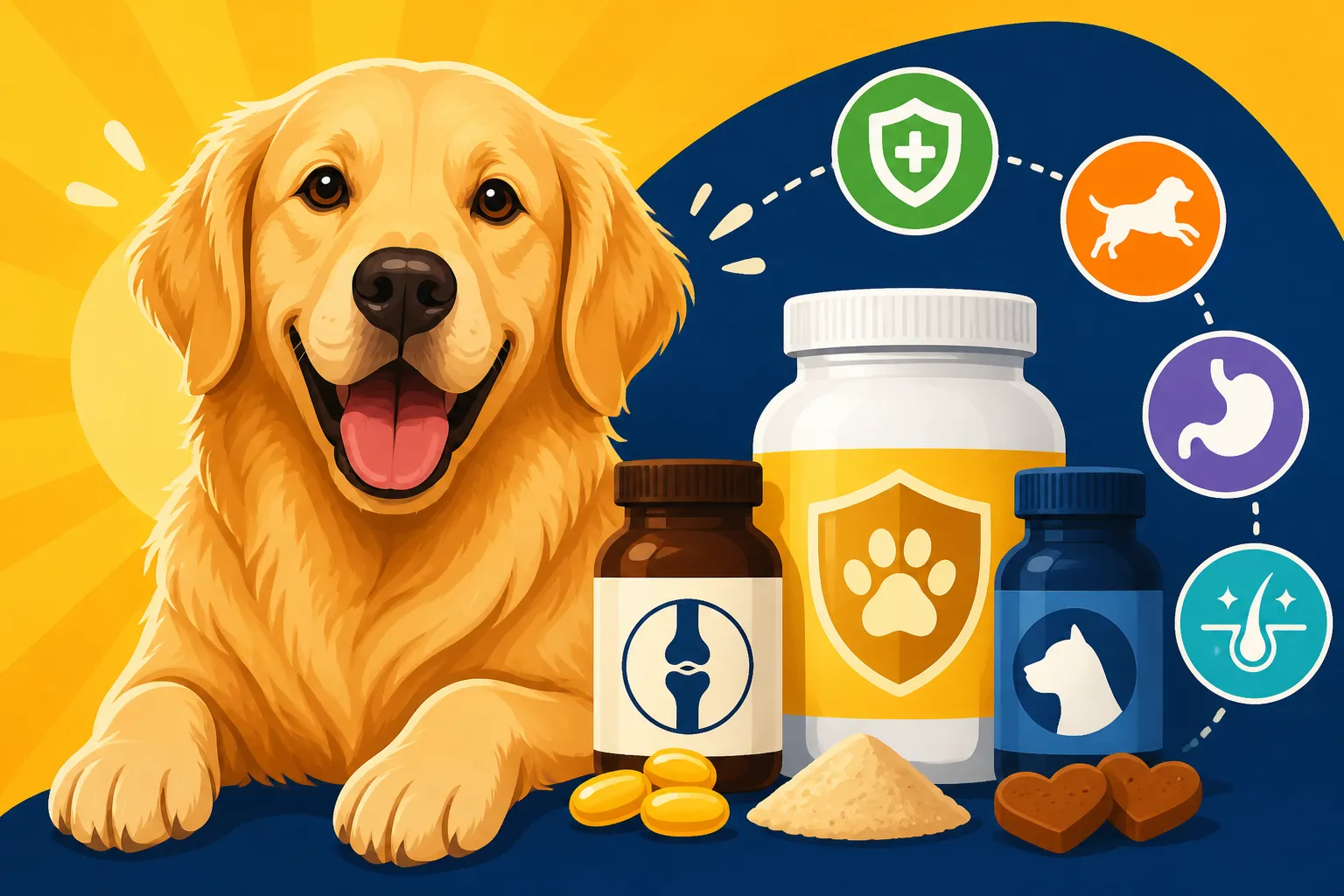
Golden Retriever Supplements Worth Giving
It can feel incredibly overwhelming to sift through the endless array of products promising miraculous health benefits for your beloved Golden Retriever. As dog parents, we just want to do what's best, but the sheer volume of supplements, often with conflicting advice, can leave us feeling confused and frustrated. This guide is here to cut through the noise, helping you understand which supplements truly offer value for your Golden Retriever's specific needs and why.
Understanding Your Golden Retriever's Unique Nutritional Needs
Golden Retrievers are a magnificent breed, known for their friendly dispositions, intelligence, and boundless energy. But, like all breeds, they come with their own set of predisposed health considerations that can often benefit from targeted nutritional support. It’s not about curing illnesses with a pill, but rather about bolstering their natural defenses and supporting their overall well-being as they age or face certain challenges. Thinking about their unique physiological makeup helps us choose wisely.
Why Goldens Have Specific Health Concerns
Our Goldens are unfortunately prone to certain health challenges that make us worry. Many Golden Retriever parents grapple with concerns around joint health, with conditions like Golden Retriever Hip and Elbow Dysplasia Explained being far too common. This isn't just about their hips and elbows, either; a large, active breed like a Golden puts immense pressure on all its joints throughout its life. It starts subtly, perhaps a slight stiffness after a long walk, or a reluctance to jump into the car as readily as they once did. These early signs can be heartbreaking to observe, and proactive care often feels like the most loving response.
Beyond orthopedics, Goldens also face a higher risk of certain cancers, which is a devastating reality for many families. Cancer in Golden Retrievers and Why the Breed Is Hit Hardest is a topic that touches many of us deeply, and while no supplement can prevent cancer, maintaining robust overall health can certainly support their immune system and vitality. Furthermore, skin allergies and sensitivities are another common frustration. You might notice your Golden constantly licking their paws, scratching at their ears, or developing red, irritated patches, indicative of Golden Retriever Skin, Ear and Allergy Problems or even deeper Golden Retriever Food and Skin Allergies. These are not just minor annoyances; they can significantly impact your dog's comfort and quality of life.
The Role of Diet First, Then Supplements
Before diving headfirst into the world of supplements, it's crucial to acknowledge that a high-quality, balanced diet forms the absolute foundation of your Golden Retriever's health. Think of it this way: supplements are like the icing on the cake, not the cake itself. If your Golden's primary diet is lacking in essential nutrients, no amount of supplements will fully compensate for that deficiency. Their main food source should provide the majority of their vitamins, minerals, protein, and healthy fats.
A diet rich in high-quality protein, appropriate fats, and easily digestible carbohydrates will set them up for success. Whether you choose kibble, fresh food, or a raw diet, ensure it's specifically formulated for large breeds and meets their life stage requirements. Once their diet is optimized, then and only then should you consider where supplements might fill specific gaps or provide targeted support. Supplements aren't magic bullets; they are supportive tools to complement an already excellent nutritional regimen. For instance, if your Golden is prone to joint issues, feeding them a diet that helps maintain a healthy weight is paramount, as Golden Retriever Weight and Joint Damage is a very real concern, and a supplement can then support those healthy joints, not bear the full burden.
Navigating the Overwhelming World of Dog Supplements
Stepping into the supplement aisle, whether virtual or physical, can feel like entering a dense jungle. There are so many options, so many ingredients, and so many claims being made. It's easy to feel lost and wonder if you're making the right choices for your furry family member. Understanding the different categories and how to read labels is key to making informed decisions that actually benefit your Golden.
Common Categories of Golden Retriever Supplements
Dog supplements generally fall into several key categories, each designed to address specific health areas. For Golden Retrievers, certain categories tend to be more relevant due to their breed-specific predispositions. Joint supplements, for instance, are almost universally considered at some point in a Golden's life. These typically contain ingredients like glucosamine, chondroitin, and MSM, all aimed at supporting cartilage health and reducing inflammation. You'll often see these marketed for active dogs or seniors.
Another big category for Goldens is skin and coat supplements. Given their propensity for allergies and skin sensitivities, many owners seek out options rich in omega fatty acids, which can help improve skin barrier function, reduce itchiness, and promote a shiny, healthy coat. Digestive health supplements, primarily probiotics and prebiotics, are also popular, especially if your Golden experiences occasional upset stomachs, loose stools, or is prone to allergies (as gut health is often linked to skin health). Less common, but still relevant, are cognitive support supplements for aging Goldens, and general wellness boosters like multivitamins, though these are often less necessary if a high-quality diet is already in place.
Deciphering Labels and Ingredients
Reading a supplement label can sometimes feel like trying to understand a foreign language, but it's a vital skill for any Golden owner. First, always look for an active ingredient list that clearly states the quantities of each key ingredient. Proprietary blends, while sometimes well-intentioned, make it impossible to know if your dog is getting a therapeutic dose of anything. You want transparency. For example, if a joint supplement claims to have "joint support blend," but doesn't list the milligrams of glucosamine or chondroitin, it's a red flag.
Secondly, look for certifications or indications of third-party testing. Organizations like the National Animal Supplement Council (NASC) stamp can offer some assurance of quality and adherence to certain manufacturing standards. While not foolproof, it's a step in the right direction. Be wary of supplements with excessive "inactive ingredients" or artificial flavors, colors, and preservatives. Often, the simpler the ingredient list, the better. When you're searching on sites like Amazon or Chewy, always take a moment to scroll down and examine the full ingredient list and look for consumer reviews that mention product quality and efficacy, not just taste. Remember, just because a supplement smells good to you or your Golden eats it readily doesn't mean it's actually effective.
Joint Support: A Top Priority for Golden Retrievers
For many Golden Retriever parents, joint health moves from a background thought to a front-and-center concern surprisingly quickly. These glorious, active dogs put immense strain on their bodies, and their genetics often stack the deck against them when it comes to long-term joint integrity. That familiar "thump" as they jump off the couch, the slight stiffness after a nap, or the hesitation before tackling stairs can be early whispers of discomfort. Proactive joint support isn't about magical fixes; it's about providing the building blocks and anti-inflammatory aid that can help maintain comfort and mobility for as long as possible.
Glucosamine and Chondroitin for Joint Health
When you talk about joint supplements for dogs, glucosamine and chondroitin are almost always the first ingredients that come up. And for good reason! These two compounds are naturally found in healthy cartilage, which acts as a cushion between bones in a joint. Over time, due to activity, age, or conditions like hip and elbow dysplasia, this cartilage can wear down, leading to pain and inflammation. Glucosamine provides the building blocks for new cartilage and joint fluid, while chondroitin helps maintain cartilage elasticity and inhibits enzymes that break it down.
Giving your Golden a supplement containing these ingredients can help support the repair of damaged cartilage and improve the viscosity of the joint fluid, essentially making the joints operate more smoothly. While you won't see a dramatic overnight transformation, many owners report a noticeable improvement in their dog's mobility and comfort over several weeks or months of consistent use. Imagine your energetic Golden, even one battling Golden Retriever Arthritis and Joint Decline, being able to enjoy their walks a little longer, or getting up with less visible effort in the morning. That's the goal with consistent glucosamine and chondroitin. You'll typically find them in chewable forms or powders that you can mix into their food.
Omega-3 Fatty Acids for Inflammation and Mobility
Beyond glucosamine and chondroitin, omega-3 fatty acids, particularly EPA and DHA found in fish oil, are powerhouse supplements for joint health. Their primary benefit in this context is their potent anti-inflammatory properties. Joint pain is often driven by inflammation, and omega-3s work to cool that inflammation down at a cellular level. This isn't just theory; it's a widely recognized benefit in both human and veterinary medicine.
For an active Golden Retriever, regular exercise is vital, but it also creates wear and tear that can lead to low-grade inflammation. Supplementing with a high-quality fish oil can help manage this systemic inflammation, making their joints feel less stiff and more comfortable. For a senior Golden who might be experiencing the aches and pains of aging, or a younger dog with a predisposition to joint issues, the inclusion of omega-3s is incredibly beneficial. Look for fish oil derived from cold-water fish, and pay attention to the EPA and DHA content rather than just the total omega-3s, as these are the most beneficial forms. Brands like Nordic Naturals or Zesty Paws are popular choices often found on Chewy that offer good concentrations.
Other Joint Aids: MSM, Hyaluronic Acid, and Green-Lipped Mussel
While glucosamine, chondroitin, and omega-3s are the big hitters, several other ingredients can complement their work in a comprehensive joint supplement. MSM (Methylsulfonylmethane) is a sulfur compound known for its anti-inflammatory and pain-reducing properties. It often works synergistically with glucosamine and chondroitin, enhancing their effects and providing additional relief from discomfort. For a Golden who's particularly stiff or showing signs of discomfort, adding MSM can offer an extra layer of support.
Hyaluronic Acid (HA) is another component naturally found in joint fluid and cartilage. Supplementing with HA can help improve the viscosity and elasticity of joint fluid, providing better lubrication and shock absorption within the joint. Think of it like adding extra oil to a squeaky hinge; it helps everything move more smoothly. Finally, Green-Lipped Mussel (GLM) from New Zealand is gaining popularity due to its unique combination of omega-3s, glycosaminoglycans (which include glucosamine and chondroitin), and other beneficial compounds. It offers a broad spectrum of joint support in a single ingredient and is an excellent holistic option for many Golden owners, particularly those who are already grappling with significant joint changes as part of Caring for a Senior Golden Retriever.
Skin and Coat Health: Battling Allergies and Dryness
A Golden Retriever's glorious double coat is one of their most defining features, a beautiful testament to their heritage. But for many Golden owners, it can also be a source of frustration, particularly when allergies, dry skin, or excessive shedding beyond the normal "coat blow" seasons become an issue. Watching your beloved companion scratch incessantly or develop dull, flaky skin is heartbreaking. Supporting their skin and coat health with targeted supplements can not only alleviate discomfort but also restore that lustrous shine we all adore.
Omega-3s Revisited: More Than Just Joints
We've already touched on the anti-inflammatory benefits of omega-3 fatty acids for joints, but they are equally, if not more, critical for skin and coat health. The EPA and DHA found in quality fish oil play a vital role in maintaining the integrity of the skin's natural barrier. When this barrier is compromised, it becomes easier for allergens and irritants to penetrate, leading to itchiness, dryness, and inflammation – classic signs of Golden Retriever Skin, Ear and Allergy Problems.
By strengthening this barrier from the inside out, omega-3s can significantly reduce the severity of allergic reactions and improve overall skin resilience. You'll often find that a Golden with a dull coat, excessive shedding, or persistent dandruff will show remarkable improvement after a few weeks on a consistent omega-3 regimen. Their fur becomes softer, shinier, and their skin less flaky. It's truly an all-around superstar supplement for so many aspects of Golden health, whether you're trying to prevent future issues or address current ones.
Probiotics and Prebiotics for Gut-Skin Connection
It might sound strange to link gut health directly to skin health, but in the world of canine wellness, the connection is increasingly clear. Many skin issues, especially chronic allergies and inflammatory skin conditions, have their roots in an imbalanced gut microbiome. If your Golden's digestive system isn't functioning optimally, it can lead to a phenomenon known as "leaky gut," where toxins and undigested food particles can pass into the bloodstream, triggering systemic inflammatory responses that often manifest as skin problems. This is particularly relevant when dealing with Golden Retriever Food and Skin Allergies.
Probiotics, which are beneficial bacteria, help to restore and maintain a healthy balance in the gut. Prebiotics are the food source for these good bacteria, helping them to thrive. By ensuring a robust and diverse gut microbiome, you're essentially helping your Golden's body process nutrients more efficiently and reduce systemic inflammation, which can, in turn, alleviate skin issues. Imagine reducing that constant paw licking or ear scratching simply by supporting their internal ecosystem! You can find excellent probiotic supplements on Ollie's website if you're already exploring their fresh food options, or from many reputable brands on Chewy.
Vitamin E and Other Antioxidants for Skin Protection
Beyond the omegas and gut support, vitamin E and other antioxidants play a supportive role in skin health by combating oxidative stress. Oxidative stress, caused by free radicals, can damage skin cells and contribute to premature aging of the skin, poor coat quality, and increased inflammation. Vitamin E is a powerful antioxidant that helps protect cells from this damage, promoting healthier skin and a more vibrant coat.
You might find vitamin E included in comprehensive skin and coat supplements, or you can supplement it individually. Always ensure you're using a dog-specific product, as human supplements might have different dosages or inactive ingredients. Other antioxidants like Vitamin C, selenium, and even certain plant extracts can also contribute to overall cellular health, indirectly benefiting the skin. For Goldens living in urban environments with more exposure to pollutants, or those with underlying inflammatory conditions, boosting antioxidant intake can be a wise choice to protect their largest organ – their skin.
Digestive Health: Keeping Tummies Happy
Few things can disrupt a household quite like a Golden Retriever with an unhappy tummy. From mysterious bouts of diarrhea to chronic loose stools, or even just general gassiness, digestive issues are not uncommon in our beloved breed. These problems can range from mild annoyances to serious health concerns, impacting nutrient absorption and overall vitality. Supporting your Golden's digestive system isn't just about preventing messy accidents; it's about ensuring they can properly utilize the nutrients from their food and maintain a robust immune system, as much of their immunity is housed in the gut.
Probiotics: The Good Gut Bugs
Probiotics are living microorganisms, often referred to as "good bacteria," that, when administered in adequate amounts, confer a health benefit on the host. For Golden Retrievers, a healthy balance of these bacteria in the gut is crucial for proper digestion and a strong immune system. If your Golden has recently been on antibiotics (which kill off both good and bad bacteria), experienced stress, had a diet change, or just has a sensitive stomach, their gut microbiome can easily become unbalanced.
Supplementing with a high-quality probiotic can help repopulate the gut with beneficial bacteria, leading to more consistent, well-formed stools, reduced gas, and improved nutrient absorption. It's not just about managing diarrhea; it's about fostering a thriving internal environment. When choosing a probiotic, look for products with multiple strains of bacteria and a guaranteed number of colony-forming units (CFUs). Consistency is key; probiotics often need to be given daily to maintain their benefits. Many Goldens benefit from probiotics as a daily maintenance supplement, especially those prone to Golden Retriever Food and Skin Allergies, as the gut-skin axis is so important.
Digestive Enzymes for Nutrient Absorption
While probiotics focus on the bacterial balance in the gut, digestive enzymes directly aid in breaking down food. Naturally produced by the pancreas, enzymes like amylase (for carbohydrates), protease (for protein), and lipase (for fats) are essential for converting food into absorbable nutrients. For some Golden Retrievers, especially older dogs or those with certain health conditions, their natural enzyme production might not be optimal. This can lead to malabsorption, where even though they're eating good food, they aren't fully extracting all the nutritional goodness.
Signs that your Golden might benefit from digestive enzymes include unexplained weight loss despite a good appetite, chronic loose stools, or large, unformed stools (indicating undigested food). Adding a broad-spectrum digestive enzyme supplement can help them break down their food more thoroughly, leading to better nutrient uptake and potentially resolving some chronic digestive upsets. Always discuss with your vet if you suspect a serious enzyme deficiency, as this could be indicative of a more significant underlying issue that needs medical attention. However, for general support, many owners find them beneficial.
Fiber Supplements for Regularity
Fiber often gets overlooked in the world of canine supplements, but it plays a crucial role in digestive regularity and overall gut health. There are two main types: soluble and insoluble fiber. Soluble fiber dissolves in water and forms a gel-like substance, which can help regulate blood sugar, promote healthy gut bacteria (acting as a prebiotic), and firm up loose stools. Insoluble fiber adds bulk to stool, helping things move smoothly through the digestive tract and preventing constipation.
For Goldens who experience occasional constipation, struggle with anal gland issues, or have inconsistent stool quality, a targeted fiber supplement can be incredibly helpful. Ingredients like psyllium husk or pumpkin powder are common, safe, and effective sources of fiber. Be sure to introduce fiber gradually and ensure your Golden has access to plenty of fresh water, as fiber absorbs water in the gut. While not every Golden needs a dedicated fiber supplement, it's a simple and effective tool for those needing a little help with digestive consistency. It can also assist with weight management by helping them feel fuller on fewer calories.
| Supplement Category | Primary Benefits for Goldens | Key Ingredients | Ideal Scenarios for Use |
|---|---|---|---|
| Joint Support | Improves mobility, reduces inflammation, supports cartilage health | Glucosamine, Chondroitin, MSM, Omega-3s, Green-Lipped Mussel | Active dogs, senior Goldens, those with diagnosed hip/elbow dysplasia, preventative care |
| Skin & Coat | Reduces itching, improves skin barrier, enhances coat shine, reduces flaking | Omega-3 Fatty Acids (EPA/DHA), Vitamin E, Probiotics | Goldens with allergies, dry skin, dull coat, excessive shedding |
| Digestive Health | Balances gut microbiome, improves nutrient absorption, regulates stool | Probiotics, Prebiotics, Digestive Enzymes, Fiber | Dogs with sensitive stomachs, loose stools, gas, post-antibiotic treatment, anal gland issues |
| Cognitive Support | Supports brain function, reduces oxidative stress, maintains mental sharpness | Antioxidants (Vitamins C/E), MCTs, SAMe | Aging Goldens, those showing signs of cognitive decline |
Cognitive and Senior Support: Keeping Minds Sharp
As our beloved Golden Retrievers reach their golden years, it's natural to see some changes. Their boundless puppy energy might give way to more naps, their stride might become a little slower, and sometimes, even their sharp minds can show signs of slowing down. Just as we consider joint support for their aging bodies, cognitive support becomes an important aspect of Caring for a Senior Golden Retriever. The goal is to help them maintain their mental clarity, enthusiasm for life, and connection with us for as long as possible.
Antioxidants for Brain Health
The brain, like all other organs, is susceptible to damage from free radicals and oxidative stress. Over time, this oxidative damage can contribute to cognitive decline in aging dogs, leading to symptoms often grouped under Canine Cognitive Dysfunction (CCD). Antioxidants are compounds that neutralize these harmful free radicals, protecting brain cells from damage. Key antioxidants like Vitamin C, Vitamin E, alpha-lipoic acid, and CoQ10 are often included in cognitive support supplements for this very reason.
By supplementing with these protective nutrients, you can help fortify your senior Golden's brain against the natural processes of aging. This might translate to them remembering commands better, seeming more engaged, or navigating their familiar home environment with less confusion. While not a cure for cognitive decline, antioxidants provide vital cellular protection that can help slow its progression and support overall brain health, allowing our Goldens to enjoy their twilight years with greater mental comfort.
Medium-Chain Triglycerides MCTs
Medium-chain triglycerides (MCTs), often found in coconut oil, are another popular ingredient for cognitive support in aging dogs. Unlike other fats, MCTs are rapidly absorbed and converted into ketones, which can serve as an alternative energy source for the brain. In aging dogs, the brain's ability to utilize glucose (its primary fuel) can decline, leading to energy deficits. Ketones offer a metabolic bypass, providing readily available fuel for brain cells.
Many Golden owners report anecdotal improvements in their senior dogs' alertness, activity levels, and even coat quality after incorporating MCTs into their diet. It can be particularly beneficial for Goldens showing signs of disorientation, reduced interaction, or changes in sleep-wake cycles. While adding a small amount of virgin coconut oil to their food is a common way to provide MCTs, dedicated supplements ensure consistent dosing and often combine MCTs with other brain-supportive ingredients. Always start with small amounts to avoid any digestive upset.
When to Consider Senior-Specific Formulations
Once your Golden Retriever truly enters their senior years (typically around 7-8 years old for a large breed), it's often wise to look for supplements specifically formulated for senior dogs. These products usually combine several beneficial ingredients to address the multifaceted challenges of aging. A good senior formula might include:
- Joint support: Glucosamine, chondroitin, MSM, and omega-3s, because Golden Retriever Arthritis and Joint Decline is almost inevitable with age.
- Cognitive support: Antioxidants, MCTs, and sometimes SAMe (S-Adenosylmethionine), which aids liver health and brain function.
- Digestive support: Probiotics and prebiotics, as older dogs can have less efficient digestion.
- Overall vitality: Specific vitamins and minerals that might be less absorbed in older dogs.
These all-in-one formulas can simplify your supplement regimen while ensuring your aging Golden gets comprehensive support. Signs that your Golden might benefit include changes in sleep patterns, increased anxiety, disorientation, staring blankly at walls, or reduced responsiveness. While supplements can help, remember to discuss any significant changes with your veterinarian, as these could also be symptoms of Hypothyroidism in Golden Retrievers or other medical conditions requiring diagnosis and treatment.
Supplements to Be Wary Of or Discuss with Your Vet
In our earnest desire to provide the best for our Golden Retrievers, it's easy to fall prey to marketing hype or well-meaning but misguided advice. Not all supplements are created equal, and some can even be unnecessary or potentially harmful. Before you add anything new to your Golden's routine, it's critical to exercise caution and, most importantly, engage in an open dialogue with your trusted veterinarian.
Avoiding Unnecessary or Potentially Harmful Supplements
The pet supplement market is largely unregulated, which means there's a wide variance in product quality, efficacy, and even safety. Beware of "miracle cures" or products that make grandiose claims of preventing or curing serious diseases without any scientific backing. If it sounds too good to be true, it probably is. Over-supplementation, especially with fat-soluble vitamins (A, D, E, K), can actually be toxic over time, as these vitamins accumulate in the body. While water-soluble vitamins are generally excreted, a balanced diet usually provides all the necessary amounts.
Also, be cautious with "proprietary blends" where the exact amounts of active ingredients aren't disclosed. You could be paying for a tiny, ineffective dose of something beneficial, padded out with cheap fillers. Herbal remedies, while sometimes effective, can also interact with medications or have unforeseen side effects, particularly in dogs. Never assume that because an herb is safe for humans, it's safe for dogs. Always research thoroughly and err on the side of caution.
The Importance of Veterinary Consultation
This cannot be stressed enough: always discuss any new supplement with your veterinarian before introducing it to your Golden Retriever. Your vet knows your dog's full medical history, any existing conditions, and current medications. What might be beneficial for one Golden could be contraindicated for another. For example, some joint supplements can interact with NSAIDs (non-steroidal anti-inflammatory drugs) often prescribed for Golden Retriever Arthritis and Joint Decline, or impact blood clotting.
Your vet can help you assess whether a supplement is truly necessary, recommend appropriate dosages based on your Golden's weight and condition, and guide you towards reputable brands. They can also perform diagnostic tests to rule out underlying medical issues that might be mimicking a nutrient deficiency or condition that a supplement could help. For instance, if you're concerned about digestive issues, your vet might want to investigate for parasites or other gastrointestinal diseases before recommending probiotics. Remember, supplements are meant to supplement a healthy lifestyle and medical care, not replace it. Regular check-ups, especially Why Goldens Need Vet Visits Twice a Year, are crucial for monitoring overall health and discussing dietary and supplement needs.
Quality Control and Reputable Brands
Because the supplement industry lacks rigorous regulation, choosing products from reputable brands with strong quality control is paramount. Look for brands that adhere to Good Manufacturing Practices (GMP) and ideally have third-party testing to verify ingredient purity and potency. This means an independent lab has checked that what's on the label is actually in the bottle, and at the stated amounts.
Some brands voluntarily submit their products for certification by organizations like the National Animal Supplement Council (NASC), which indicates a commitment to quality and transparency. While not every good brand will have this certification, it's a helpful indicator. When purchasing supplements, especially online through marketplaces like Amazon or pet-specific retailers like Chewy, stick to well-known brands with a history of positive reviews and veterinary endorsement. Be wary of deeply discounted, unknown brands, or those sold on obscure websites. Sometimes, spending a little more on a trusted brand can save you a lot of heartache and vet bills down the line.
Practical Tips for Incorporating Supplements
Once you and your vet have decided on the right supplements for your Golden Retriever, the next step is actually getting them into your dog consistently. Our Goldens are famously food-motivated, but even they can be discerning, and administering supplements shouldn't be a daily battle. With a little planning and consistency, it can become a seamless part of their routine.
Choosing the Right Form: Chews, Powders, Liquids
Supplements come in a variety of forms, and choosing the right one for your Golden can make all the difference in compliance.
- Chewable Tablets or Soft Chews: These are often the easiest and most popular option. Many are flavored to be palatable, making them seem like a treat. If your Golden loves treats, this is usually the path of least resistance. Just make sure the chews aren't so tasty that your Golden overeats them if they get into the container!
- Powders: Powders can be easily sprinkled over wet food, mixed into a small amount of plain yogurt or unsweetened applesauce, or even stirred into water if your Golden is a good drinker. This form is great for dogs who are picky about texture or who need a very precise dose that might not be available in a chew. It also works well if you're administering multiple powdered supplements.
- Liquids: Liquid supplements, often fish oils, can be squirted directly into your Golden's mouth or drizzled over their food. Many Goldens tolerate fish oil well, enjoying the taste. The liquid form can be beneficial for dogs with dental issues or those who simply refuse to chew tablets. Just be mindful of potential mess or strong odors with some liquid supplements.
Experiment with different forms to see what your Golden prefers. What works for one Golden might be a total flop for another!
Proper Storage and Dosing
Just like human medications, dog supplements need proper storage to maintain their efficacy. Always follow the manufacturer's instructions, but generally, most supplements should be stored in a cool, dry place, away from direct sunlight and extreme temperatures. Some, particularly probiotics or certain liquid supplements, might require refrigeration. Keeping them in their original containers helps protect them from light and air.
Accurate dosing is equally important. Never guess! Read the label carefully and follow the recommended dosage based on your Golden Retriever's weight. If your vet has given you specific instructions that differ from the label, always defer to your vet. Giving too little might render the supplement ineffective, while giving too much could lead to adverse effects or even toxicity, particularly with fat-soluble vitamins. Use measuring spoons for powders and liquids, and count out chews or tablets accurately. Consistency is also paramount; supplements often take time to build up in the system and show benefits, so giving them daily as directed is crucial.
Observing Your Golden for Changes
Once you start a new supplement, it's essential to become a keen observer of your Golden Retriever's behavior and physical condition. Supplements are not magic; they require time to work. For joint supplements, you might not see noticeable changes for 4-6 weeks. For skin and coat supplements, it could be similar, as new hair needs to grow in. Digestive supplements might show results more quickly, within days or a week.
Keep a mental (or even written) note of any baseline symptoms before starting the supplement, then monitor for improvements. Are they moving more freely? Is their coat shinier? Is their stool more consistent? Are they scratching less? Also, watch for any adverse reactions, such as digestive upset (vomiting, diarrhea), changes in appetite, or lethargy. If you notice anything concerning, stop the supplement and contact your veterinarian immediately. It's an ongoing process of assessment and adjustment, and your observations are invaluable in determining if a particular supplement is truly benefiting your Golden. Don't be afraid to try a different brand or formulation if the first one doesn't seem to be working.
Disclaimer
This article is for general informational purposes only and does not constitute professional advice. Laws, prices and regulations vary by location and change over time. Consult a qualified professional for guidance on your specific situation.