How Many Golden Retrievers Have Elbow Dysplasia
It's a gut-wrenching worry for any Golden Retriever parent to think about their beloved companion facing chronic pain or debilitating joint issues. When we bring these joyful, energetic pups into our homes, we dream of long, active lives filled with fetching and adventures, not vet visits for lameness. One of the most common and difficult orthopedic challenges specific to our Goldens is elbow dysplasia, a complex condition that can steal their comfort and mobility far too early. This guide will delve into just how prevalent elbow dysplasia is within the Golden Retriever breed, what those statistics truly mean for you as an owner, and what proactive steps you can take to understand and manage this significant health concern.
Understanding Elbow Dysplasia in Golden Retrievers
Elbow dysplasia isn't a single condition, but rather a catch-all term for several developmental abnormalities that can occur in the elbow joint of growing dogs. Unlike a simple injury, these are inherited problems with complex genetic components that manifest during a puppy's rapid growth phase. It's a condition that can be incredibly frustrating because it often starts subtly, progressing over time, and can affect one or both elbows, leading to varying degrees of discomfort and lameness.
The Complexities of the Elbow Joint
To truly grasp elbow dysplasia, it helps to visualize the elbow. It's not just a hinge; it's a remarkably intricate joint involving three bones: the humerus (upper arm bone), the radius, and the ulna (the two forearm bones). For a healthy, smooth-moving elbow, these three bones must grow at precisely the same rate and fit together perfectly, allowing for a seamless gliding motion. Think of it like a perfectly engineered gear system; if one gear is slightly off, the whole mechanism grinds, causing friction, wear, and eventually, pain.
The Four Main Components of Elbow Dysplasia
When that delicate balance in growth is disrupted, it leads to problems. There are primarily four different conditions grouped under the umbrella of elbow dysplasia, and a dog can have one or more of them simultaneously:
- Fragmented Medial Coronoid Process (FCP): This is one of the most common forms. A small piece of bone or cartilage on the ulna breaks off, causing irritation, pain, and inflammation within the joint. Imagine a tiny shard of glass constantly rubbing inside a delicate mechanism.
- Osteochondritis Dissecans (OCD) of the Medial Humeral Condyle: This occurs when the cartilage that lines the ends of the bones, particularly on the humerus, doesn't develop properly or detaches from the underlying bone. This creates a painful flap or loose body within the joint, similar to a blister that has torn inside a shoe.
- Ununited Anconeal Process (UAP): The anconeal process is a small bone that should fuse with the ulna as the puppy matures. If it fails to fuse, it remains a separate piece, creating instability and chronic irritation in the joint. This is less common in Golden Retrievers but can occur.
- Elbow Incongruity: This describes a situation where the three bones of the elbow joint don't fit together perfectly due to differences in their growth rates or shapes. This misalignment leads to abnormal weight distribution, increased pressure on certain areas, and premature wear and tear, much like a car wheel that's out of alignment.
These conditions all lead to inflammation, pain, and ultimately, the development of osteoarthritis, which is the long-term, degenerative joint disease that causes chronic discomfort and stiffness. The symptoms might start as a subtle limp after exercise, a reluctance to play, or difficulty getting up, and can progress to severe lameness.
The Prevalence: How Common is Elbow Dysplasia in Goldens?
It's natural to wonder, "Is this something I really need to worry about, or is it just a rare occurrence?" The unfortunate truth is that elbow dysplasia is indeed a significant concern for Golden Retriever owners. While not every Golden will develop it, the breed has a statistically higher predisposition compared to many others.
Understanding the Statistics from Health Registries
When we talk about prevalence, we often look to organizations like the Orthopedic Foundation for Animals (OFA). The OFA maintains a comprehensive database of canine health clearances, including elbow evaluations. They grade elbows as normal, or dysplastic (Grade I, II, or III, with higher grades indicating more severe dysplasia). According to recent statistics from the OFA, specifically for Golden Retrievers, a concerning percentage of dogs screened for elbow dysplasia are found to have the condition.
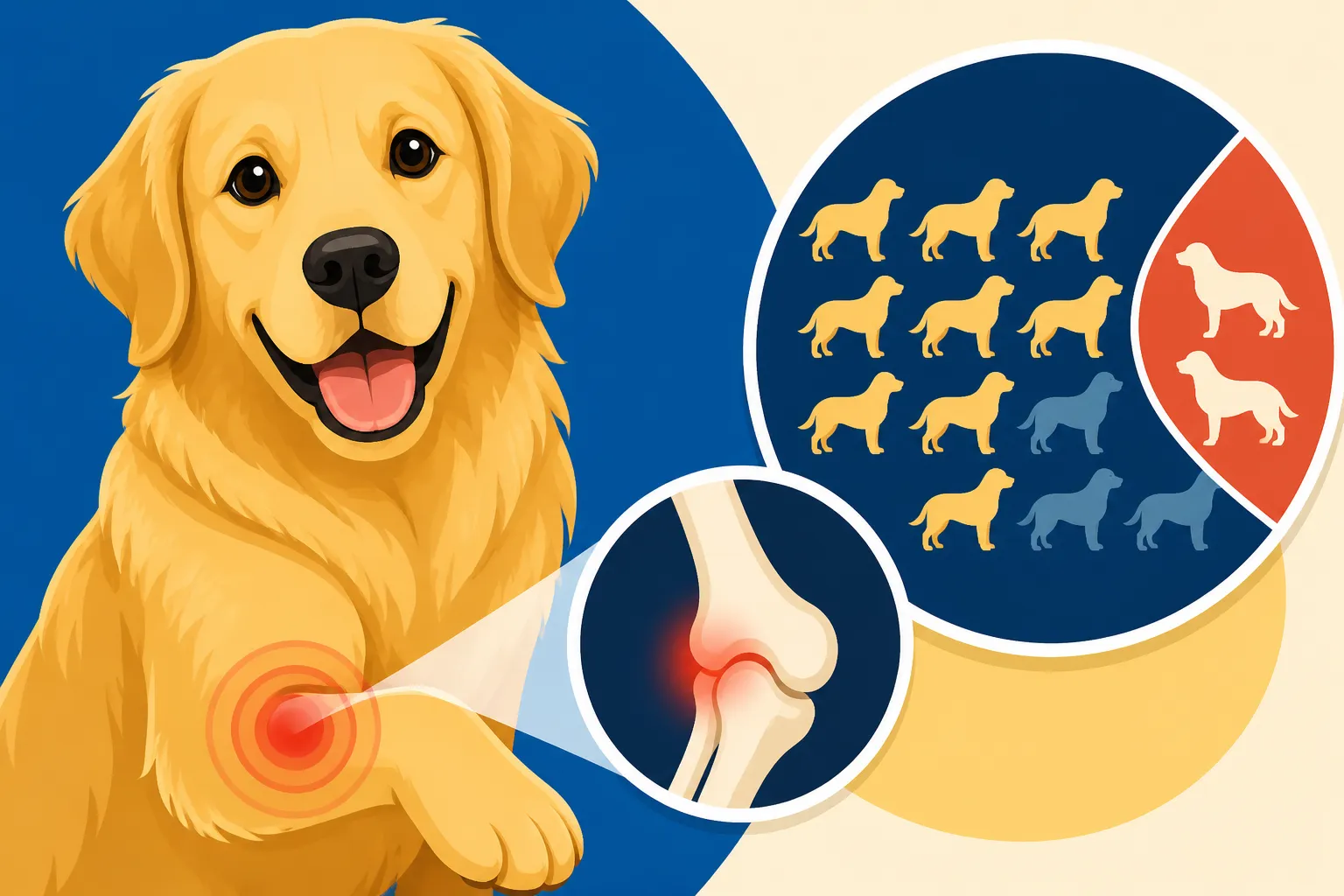
For example, looking at the cumulative statistics for Golden Retrievers, roughly 15-20% of the dogs submitted for OFA elbow evaluations are diagnosed with some grade of elbow dysplasia. This means that out of every five to seven Golden Retrievers evaluated, one of them could potentially have the condition. While this number is substantial, it's important to remember that these are dogs submitted for evaluation, often by responsible breeders, meaning the actual prevalence in the broader, un-screened Golden Retriever population could potentially be even higher. The data also suggests that the incidence varies somewhat between different lines and geographic regions, but the overall picture remains consistent: it's a common issue. You can explore the data in more detail to understand what Elbow Dysplasia in Golden Retrievers really entails.
Why Golden Retrievers Are Particularly Susceptible
The high prevalence in Golden Retrievers isn't just bad luck; it's a combination of genetics and their breed-specific characteristics. Golden Retrievers are a large, fast-growing breed, and this rapid growth places immense stress on developing joints. If there's a genetic predisposition for even slight incongruity or weakness in the cartilage, that rapid growth can exacerbate the problem.
Another factor is the breed's incredible athleticism and eagerness to please. A Golden Retriever will often push through discomfort to continue playing or training, sometimes masking early signs of joint pain. This means that by the time an owner notices a limp, the underlying damage might already be significant. This stoicism, while admirable, can inadvertently delay diagnosis and intervention. The goal, of course, is to catch these issues early, well before your Golden is showing obvious signs of pain.
Comparing Golden Retrievers to Other Breeds
While many large and giant breeds are susceptible to elbow dysplasia, Golden Retrievers consistently rank among those with higher incidence rates. Breeds like Labrador Retrievers, German Shepherds, Rottweilers, and Bernese Mountain Dogs also face significant challenges with elbow dysplasia. However, the Golden Retriever's specific genetic lineage contributes to its particular susceptibility to FCP and OCD, which are often the forms seen most commonly in the breed. This isn't to say other breeds are immune, but it highlights why responsible Golden Retriever breeders place such a strong emphasis on elbow clearances.
Factors Influencing Elbow Dysplasia Rates
While genetics are the undeniable cornerstone of elbow dysplasia, it's not the only piece of the puzzle. Environmental factors during a puppy's critical growth period can either mitigate or worsen the expression of these genetic predispositions. Understanding these influences empowers owners to make the best choices for their growing Golden.
Genetic Inheritance and Breeding Practices
The most significant driver of elbow dysplasia is genetic inheritance. It's a polygenic trait, meaning multiple genes are involved, making its inheritance pattern complex. This isn't a simple "dominant or recessive" gene scenario. A dog can be a carrier without showing symptoms, or display mild symptoms while still passing on genes that could lead to more severe dysplasia in their offspring. This is precisely why reputable breeders are so diligent about Health Clearances a Golden Retriever Breeder Must Show. They understand that simply looking at the parents isn't enough; extensive health testing of multiple generations is crucial.
Responsible breeders utilize the OFA elbow grading system (or similar international schemes like BVA in the UK) to assess breeding stock. They will only breed dogs with "Normal" elbow clearances. A dog with dysplastic elbows, regardless of how mild, should absolutely never be used for breeding. Even dogs with "Normal" elbows but from lines with a high incidence of dysplasia might be considered with caution, if at all. This commitment to screening helps gradually reduce the prevalence of the disease in the breed over time, but it's a long, arduous process.
Nutrition and Growth Rate
What and how much you feed a growing Golden Retriever puppy can have a profound impact on their joint development. Large breed puppies like Goldens have unique nutritional requirements. The biggest mistake many owners make is overfeeding, with the belief that a fatter puppy is a healthier puppy. In reality, overfeeding leads to excessively rapid growth, which puts undue stress on immature bones and joints, making them more susceptible to developmental orthopedic diseases like elbow dysplasia.
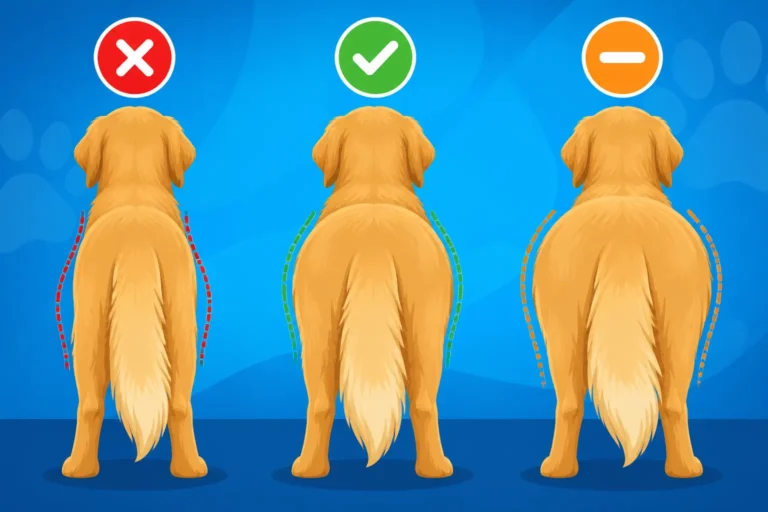
Look for high-quality large-breed puppy formulas that are specifically designed for controlled growth. These foods typically have a carefully balanced calcium-to-phosphorus ratio and lower fat content compared to regular puppy foods. Excessive calcium, for instance, can interfere with proper bone and cartilage development. Adhering strictly to recommended feeding guidelines, monitoring your puppy's body condition, and avoiding free-feeding are critical. Remember, a lean puppy is a healthy puppy, especially when considering the long-term health of their joints. This is also linked to the broader issue of Golden Retriever Weight and Joint Damage.
| Age (Months) | Recommended Daily Meals | Key Nutritional Consideration | Potential Impact on Elbows |
|---|---|---|---|
| 2-4 | 3-4 | Controlled Calories, Ca/P Balance | Rapid growth risk if overfed |
| 4-6 | 3 | Continued Growth, Lean Body Mass | Foundation for joint health |
| 6-12 | 2-3 | Transition to Adult Food (Slowly) | Avoid excessive weight gain |
| 12+ | 2 | Adult Maintenance | Prevent obesity |
Note: Always consult your veterinarian for specific feeding recommendations tailored to your individual puppy's needs and growth curve.
Exercise and Activity Levels
The amount and type of exercise a Golden Retriever puppy receives also plays a crucial role. While Goldens are energetic, their growth plates (soft areas of cartilage at the ends of long bones that allow bones to grow) are open and vulnerable until they close, typically around 12-18 months of age. High-impact activities, repetitive jumping, long-distance running, or strenuous agility work on hard surfaces can cause micro-trauma to these developing joints, potentially exacerbating an underlying genetic predisposition to elbow dysplasia.
The general advice is to keep exercise appropriate for their age. Until their growth plates close, focus on free play in soft, safe environments, shorter walks, and mental stimulation. Avoid forced exercise, such as long jogs where they are made to keep pace with you, or excessive jumping from high places. Forced Exercise and Golden Retriever Growth Plates is a topic worth diving deeper into. Allowing a puppy to self-regulate their activity is often the best approach. If they want to sprint for a bit and then flop, that's their body telling them what it needs.
What Owners Can Do to Mitigate Risk and Manage the Condition
While the genetic component of elbow dysplasia can feel daunting, there's a lot you can do as a dedicated Golden Retriever owner to minimize risk, detect issues early, and provide the best possible quality of life for your companion. Being proactive and informed is your best defense.
Choosing a Reputable Breeder
This is perhaps the single most impactful decision you can make. A truly reputable Golden Retriever breeder will prioritize health above all else. They will:
- Provide OFA or PennHIP clearances for hips and elbows (and other clearances like heart and eyes) for both parent dogs, going back several generations. Don't just take their word for it; verify the results directly on the OFA website using the dog's registered name or number. This directly impacts the likelihood of your puppy inheriting conditions like Golden Retriever Hip and Elbow Dysplasia Explained.
- Be transparent about any health issues in their lines, even if the parent dogs are clear.
- Ask you as many questions as you ask them, demonstrating their commitment to finding good homes.
- Offer a health guarantee for genetic conditions, although this should be seen as a safeguard, not a substitute for proper health clearances.
- Allow you to visit their facility, meet the parents (at least the mother), and observe the puppies in a clean, stimulating environment.
If a breeder offers a "deal" or can provide a puppy immediately without a waiting list or proper health clearances, consider it a red flag. The upfront cost difference for a well-bred puppy is minuscule compared to the potential veterinary bills for a dog with severe genetic health problems.
Early Detection and Veterinary Care
Even with the best breeding, there's never a 100% guarantee against genetic conditions. This makes early detection absolutely vital. Be vigilant for any subtle signs of lameness, stiffness, or reluctance to engage in activities your Golden normally loves.
Signs to watch for:
- Intermittent lameness: A slight limp, particularly after rest or heavy exercise.
- Stiffness: Difficulty getting up or moving after a nap.
- Reluctance to jump: Avoiding stairs, furniture, or getting into the car.
- "Crab-walking" or bunny hopping: Using both back legs simultaneously, especially when running. (This can also be a sign of hip dysplasia).
- Elbow out, toes in: An abnormal stance where one or both elbows turn out and the paws turn in.
- Licking or chewing at the elbow joint.
If you notice any of these signs, don't wait. Schedule an appointment with your veterinarian immediately. They may perform a physical exam, manipulate the joint, and recommend X-rays to diagnose the extent of the dysplasia. Early diagnosis allows for earlier intervention, which can significantly slow the progression of osteoarthritis and improve your Golden's comfort. Remember that Why Goldens Need Vet Visits Twice a Year is crucial for catching these issues early.
Management and Treatment Options
If your Golden Retriever is diagnosed with elbow dysplasia, there are various management and treatment options available, ranging from conservative approaches to surgical interventions. The best path forward will depend on the severity of the condition, your dog's age, and their individual symptoms.
Conservative Management: This is often the first line of defense for mild to moderate cases, or for dogs who aren't candidates for surgery.
- Weight Management: Keeping your Golden lean is paramount. Even a few extra pounds put immense strain on compromised joints.
- Controlled Exercise: Modifying activity to low-impact forms like swimming or leash walks on soft surfaces, avoiding high-impact activities.
- Physical Therapy: Rehabilitation exercises, hydrotherapy, and therapeutic massage can strengthen supporting muscles and improve range of motion.
- Pain Management: Non-steroidal anti-inflammatory drugs (NSAIDs) prescribed by your vet can manage pain and inflammation. Other medications like gabapentin may also be used.
- Joint Supplements: Glucosamine, chondroitin, and omega-3 fatty acids can support joint health, though their efficacy varies and they should be used under vet guidance.
- Alternative Therapies: Acupuncture, laser therapy, and chiropractic care can provide relief for some dogs.
Surgical Intervention: For more severe cases, especially in younger dogs, surgery might be recommended to correct the underlying anatomical problems.
- Arthroscopy: A minimally invasive procedure where a small camera is inserted into the joint to remove fragmented cartilage or bone, or to address OCD lesions. This can significantly reduce pain and slow progression.
- Osteotomy: In cases of elbow incongruity, bone might be cut and realigned to improve joint fit.
- Total Elbow Replacement (TER): This is a specialized, last-resresort option for severe, end-stage elbow dysplasia, much like hip replacements for humans. It's complex and costly but can offer significant pain relief.
The costs associated with diagnosing and treating elbow dysplasia can be substantial. This is where pet insurance, such as policies from Healthy Paws, can be an invaluable financial safety net. Many owners find peace of mind knowing that a portion of these significant expenses, from diagnostics to surgery and ongoing medication, could be covered, allowing them to prioritize their Golden's health without undue financial stress. Ensure you understand your policy's coverage for genetic conditions if you choose to enroll your Golden with a provider like Healthy Paws.
Disclaimer
The information provided in this guide is intended for educational purposes only and should not be considered a substitute for professional veterinary advice. Always consult with a qualified veterinarian for any health concerns or before making any decisions about your Golden Retriever's care.