Osteosarcoma and the Golden Retriever
Receiving a diagnosis of osteosarcoma for your beloved Golden Retriever is, quite frankly, devastating. The word "cancer" alone is enough to send shivers down any dog parent's spine, but when it's an aggressive bone cancer, the fear of pain and the uncertainty of the future can feel overwhelming. This comprehensive guide aims to cut through that confusion, shedding light on what osteosarcoma truly is, why our wonderful Goldens are so susceptible, how it's diagnosed, and the various treatment and management options available to you, offering a roadmap through this incredibly challenging journey.
Understanding Osteosarcoma in Golden Retrievers
Osteosarcoma is a word that no dog owner ever wants to hear. It's an aggressive, malignant bone tumor that commonly affects large and giant breed dogs, and unfortunately, our sweet Golden Retrievers are overrepresented in the statistics. It's a disease that can progress rapidly, causing immense pain and drastically impacting a dog's quality of life if not addressed quickly.
What Exactly Is Osteosarcoma?
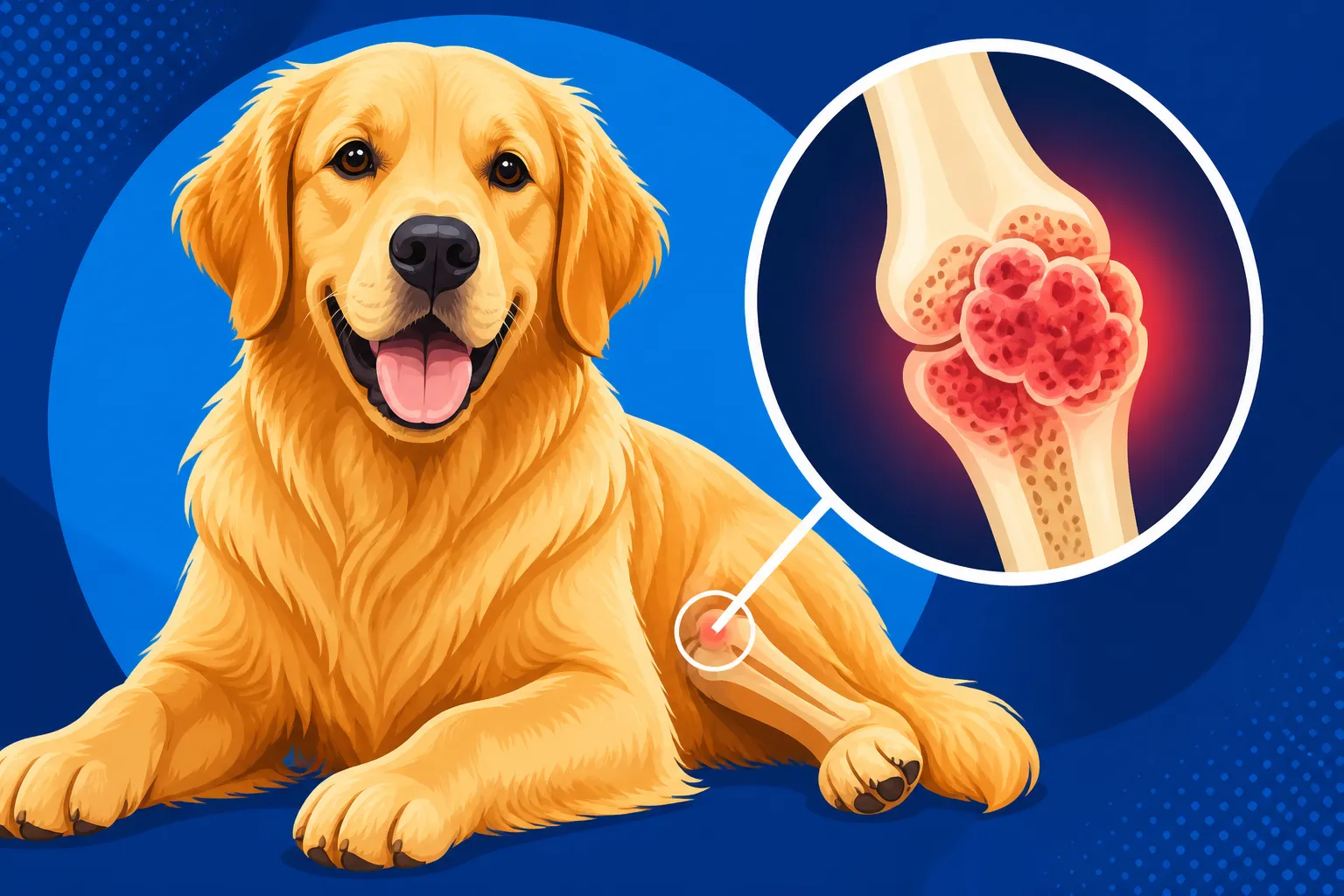
At its core, osteosarcoma is a type of cancer that originates in the bone. Unlike a benign tumor, which might grow but doesn't spread, osteosarcoma cells are highly aggressive. They multiply at an alarming rate, destroying the normal, healthy bone tissue and replacing it with cancerous cells. This process leads to significant structural weakening of the bone, making it incredibly fragile and prone to fractures, even from minimal stress.
Imagine the strong, supportive structure of a healthy bone being slowly eaten away from the inside. That's essentially what happens with osteosarcoma. These tumors don't just sit there; they are actively destroying the bone, which is why they are so painful. The rapid, uncontrolled growth also makes them highly metastatic, meaning they have a strong tendency to spread to other parts of the body, most commonly the lungs, even before the primary tumor is fully apparent. This aggressive nature is what makes early detection and intervention so critical, yet often so difficult due to the subtle initial signs.
Why Goldens Are Prone to This Bone Cancer
It’s heartbreaking to realize that Golden Retrievers, for all their wonderful qualities, carry a disproportionately high risk for various cancers, and osteosarcoma is certainly one of them. While scientists are still working to pinpoint every exact mechanism, a significant factor appears to be genetics. Our Goldens have been extensively studied, and specific genetic markers have been identified that correlate with an increased predisposition to several cancer types, including osteosarcoma. This isn't to say every Golden will get it, but the breed as a whole faces a higher uphill battle. You can dive deeper into the breed's overall cancer susceptibility by reading our guide on Cancer in Golden Retrievers and Why the Breed Is Hit Hardest.
Beyond genetics, the sheer size and rapid growth rate of Golden Retrievers and other large breeds also play a role. Bones that grow quickly and bear significant weight throughout a dog's life may experience certain stresses or cellular activities that, when combined with a genetic predisposition, make them more vulnerable to cancerous changes. While environmental factors are always considered in cancer research, for osteosarcoma, the genetic and large breed components currently stand out as the most significant, making it a particular concern for Golden Retriever owners. It’s a harsh reality that these magnificent dogs, beloved for their robust build, are simultaneously more vulnerable due to that very trait.
Common Sites for Osteosarcoma
When we talk about osteosarcoma in Golden Retrievers, the phrase "away from the elbow and towards the knee" is a common, if grim, rule of thumb that many vets use to describe the most frequent locations. This refers to the long bones of the limbs. Specifically, the areas most often affected include:
- Proximal Humerus: The upper part of the front leg bone, close to the shoulder.
- Distal Radius and Ulna: The lower part of the front leg bones, near the wrist/carpus.
- Distal Femur: The lower part of the hind leg bone, close to the knee.
- Proximal Tibia: The upper part of the shin bone, also near the knee.
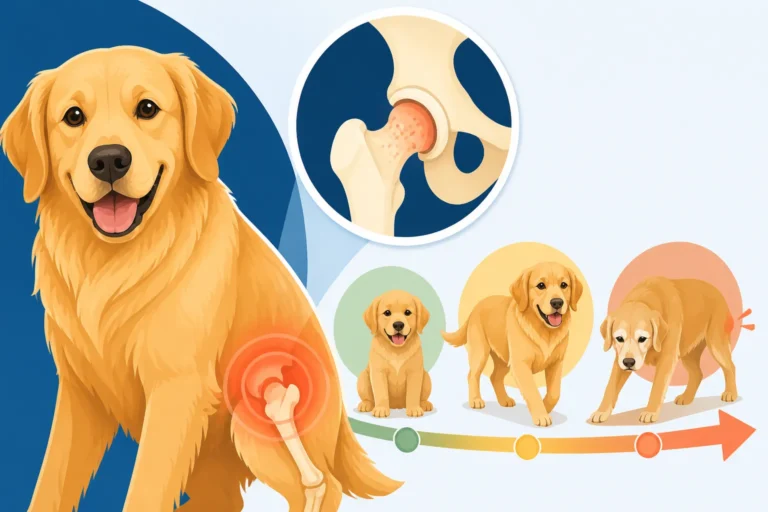
Essentially, these are the regions of the long bones closest to the joints of the carpus (wrist) and stifle (knee), and furthest from the elbow and hip. These areas are believed to be hot spots due to the high bone turnover and growth plate activity they experienced during a dog's development. While limb (appendicular) osteosarcoma is by far the most common, this cancer can also appear in other, less typical sites within the axial skeleton, such as the ribs, vertebrae (spinal column), skull, and jaw. If you're wondering Where Osteosarcoma Appears on a Golden Retriever in more detail, it's these specific long bone locations that are most concerning.
Recognizing the Early Signs and Symptoms
Detecting osteosarcoma early in your Golden Retriever can be incredibly challenging because the initial symptoms often mimic other, less serious conditions like arthritis, strains, or minor injuries. Because of their stoic nature and eagerness to please, Goldens often try to mask their pain until it becomes unbearable. This makes vigilant observation on your part absolutely crucial.
Subtle Limping and Lameness
The most common initial sign of osteosarcoma is a subtle, intermittent lameness that progressively worsens. At first, you might notice your Golden favoring a limb after a strenuous play session, or perhaps a slight limp first thing in the morning that seems to improve as they warm up. It’s easy to dismiss this as a minor strain from too much enthusiasm at the park or the onset of arthritis, especially in an older dog.
However, with osteosarcoma, this lameness won't truly resolve with rest or typical anti-inflammatory medications. What might start as an occasional skip or a slight reluctance to bear full weight on one leg will slowly become more consistent and pronounced. Your dog might show pain when getting up, hesitate before jumping into the car, or simply be less enthusiastic about walks. These are critical clues, and if your Golden is showing Signs a Golden Retriever Is in Pain that aren't improving, it warrants immediate veterinary attention.
Swelling and Tenderness
As the tumor grows and destroys bone tissue, it can lead to noticeable physical changes. One of the clearest indicators, especially in later stages, is localized swelling around the affected bone. This swelling is usually firm and often warm to the touch due to the intense inflammation occurring within the bone. Unlike a soft tissue injury or a fatty lipoma, which might be movable under the skin, this swelling will be hard, fixed, and directly associated with the bone structure.
Your Golden Retriever will likely exhibit extreme pain when the swollen area is gently touched or manipulated. They might pull away, yelp, or even try to snap if the pain is severe. This tenderness, combined with the firm swelling, is a significant red flag. It’s important to remember that not all lumps and bumps are cancerous, but any new, firm, fixed swelling on a bone, especially on a limb, needs urgent investigation. For more information on what kinds of growths to worry about, refer to our article on Lumps on a Golden Retriever That Need a Vet.
Other Concerning Indicators
Beyond limping and swelling, there are several other signs that, when combined with localized pain, should raise serious concerns about osteosarcoma:
- Reluctance to Bear Weight: As the pain intensifies, your Golden might completely avoid putting weight on the affected limb. They may hold it up, hop on three legs, or exhibit a severe limp that prevents normal movement.
- Decreased Activity and Lethargy: Chronic pain takes a huge toll. Your once energetic Golden might become noticeably less active, sleeping more, showing less interest in play, and generally appearing more subdued.
- Loss of Appetite and Weight Loss: The persistent discomfort can lead to a reduced appetite, which in turn can cause gradual weight loss. If your Golden is normally a chowhound and suddenly turns their nose up at food, pay close attention.
- Behavioral Changes: Pain can make even the sweetest Golden irritable, withdrawn, or unusually clingy. They might seek solitude or, conversely, demand constant reassurance.
- Sudden Fractures: In advanced stages, the bone can become so weakened by the tumor that it fractures from minimal trauma – a phenomenon known as a pathological fracture. This can be extremely distressing and is often the point at which owners realize the severity of the underlying issue.
Any combination of these symptoms, particularly persistent lameness accompanied by swelling or tenderness, warrants an immediate visit to your veterinarian. Early diagnosis, while difficult, can significantly impact treatment options and prognosis.
Diagnosing Osteosarcoma: The Vet Visit
When you bring your Golden Retriever to the vet with concerns about lameness or a swollen limb, the diagnostic process begins with a thorough examination. Because time is often of the essence with aggressive cancers like osteosarcoma, your vet will likely move quickly through a series of steps to get to a definitive diagnosis.
Initial Examination and X-Rays
Your veterinarian will start with a comprehensive physical examination, carefully palpating the affected limb and assessing your Golden's gait. They'll be looking for signs of pain, warmth, and any palpable swelling or changes in bone contour. Following this, radiographs, commonly known as X-rays, of the suspicious area are typically the first imaging step.
X-rays are incredibly valuable because osteosarcoma often presents with a characteristic appearance. Vets will look for what's described as a "sunburst" pattern, where new, disorganized bone growth radiates outwards from the existing bone, or areas of bone destruction (lytic lesions), where the cancer has eaten away at the healthy bone tissue. There might also be areas of new, abnormal bone formation (proliferative lesions) and a blurring of the normal bone architecture. While X-rays can be highly suggestive, they aren't always definitive, as other conditions like fungal bone infections, severe trauma, or even benign bone cysts can sometimes look similar. Therefore, while crucial for identifying a potential issue, X-rays are usually just the beginning of the diagnostic journey.
The Importance of Biopsy
While X-rays can strongly indicate osteosarcoma, a definitive diagnosis always requires a biopsy. A biopsy involves taking a small sample of the affected bone tissue and sending it to a veterinary pathologist for microscopic examination. The pathologist can then confirm the presence of cancerous cells and identify them as osteosarcoma.
There are different methods for obtaining a biopsy. A "Tru-Cut" needle biopsy is a common technique, where a special needle is used to extract a core sample of the bone. In some cases, an incisional biopsy (a small surgical procedure to remove a piece of the tumor) or even an excisional biopsy (removal of the entire suspected tumor if it's small and accessible) might be performed. It's important to understand that bone biopsies can sometimes yield a "false negative" if the sample doesn't contain enough cancerous cells, or if the tumor is surrounded by reactive bone. For this reason, if clinical suspicion remains high despite a negative biopsy, your vet might recommend a repeat biopsy or different diagnostic approaches. The accuracy of the biopsy is paramount, as it dictates the entire treatment plan moving forward.
Staging and Further Diagnostics
Once osteosarcoma is confirmed through biopsy, the next critical step is "staging." Staging involves determining if the cancer has spread from its primary location to other parts of the body. Since osteosarcoma is highly metastatic, this step is non-negotiable and provides vital information for prognosis and treatment planning.
The most common site for osteosarcoma to spread is the lungs, so chest X-rays (often three views: left lateral, right lateral, and ventrodorsal) are routinely performed to check for visible metastatic lesions. However, X-rays can only detect larger tumors; microscopic spread might already be present even if X-rays appear clear. To get a more sensitive picture, especially for surgical planning or if X-rays are equivocal, advanced imaging like a CT scan of the chest and potentially the affected limb can be recommended. A bone scan might also be used to check for spread to other bones.
Blood work, including a complete blood count (CBC) and a chemistry panel, will also be run. While these don't diagnose cancer, they provide an essential overview of your Golden's overall health, kidney and liver function, and can highlight any other underlying conditions that might affect their suitability for surgery or chemotherapy. All these diagnostic steps paint a complete picture, allowing your veterinary oncology team to develop the most informed and effective treatment strategy for your Golden Retriever. This entire process can be costly, and this is where having pet insurance, such as Healthy Paws, can be an immense relief, helping to cover these extensive diagnostic expenses.
Treatment Options and Prognosis
Receiving an osteosarcoma diagnosis is a gut punch, but it’s important to know that there are treatment options available, each with its own set of considerations. The goal is always to improve your Golden Retriever's quality of life and, if possible, extend their time with you comfortably.
Surgical Intervention: Amputation
For osteosarcoma affecting a limb, amputation is often considered the cornerstone of treatment. While the idea of your beloved Golden losing a limb is incredibly daunting and emotionally challenging for any owner, it's actually one of the most effective ways to immediately address the severe pain caused by the tumor and prevent a pathological fracture. Dogs, including Golden Retrievers, are remarkably adaptable and can often adjust to life on three legs surprisingly well, especially if they were otherwise healthy before the diagnosis.
The main benefit of amputation is rapid pain relief and removal of the primary tumor, which significantly improves quality of life. However, it's crucial to understand that amputation is not a cure for osteosarcoma. Because the cancer is so aggressive and prone to microscopic spread (micrometastasis) even before diagnosis, amputation alone doesn't prevent the disease from recurring elsewhere. It's usually followed by chemotherapy to target those circulating cancer cells. The decision for amputation involves weighing your dog's overall health, their ability to adapt, and your capacity to manage their recovery and subsequent care.
Limb-Sparing Surgery
For a select group of Golden Retrievers, limb-sparing surgery might be an option. This procedure is far more complex than amputation and involves surgically removing the section of the bone containing the tumor while preserving the rest of the limb. The removed bone is then replaced with a bone graft from a bone bank or a custom-made metal endoprosthesis.
Limb-sparing is not suitable for all cases. Ideal candidates typically have tumors that are smaller, located in specific areas (often the distal radius), and haven't extensively invaded surrounding soft tissues or metastasized significantly. The advantages are obvious: preserving the limb can be emotionally easier for owners and might offer a more "normal" gait. However, the procedure carries a higher risk of complications, including infection, implant failure, and local tumor recurrence. It also requires extensive post-operative care and rehabilitation. For these reasons, limb-sparing is less commonly performed than amputation and is usually evaluated by a highly specialized veterinary orthopedic oncologist.
Chemotherapy and Radiation
Chemotherapy and radiation therapy play vital roles in managing osteosarcoma, often in conjunction with surgery.
-
Chemotherapy: After surgical removal of the primary tumor (whether amputation or limb-sparing), chemotherapy is almost always recommended. Its purpose is to kill any microscopic cancer cells that have already spread from the primary tumor but aren't yet visible on imaging. Chemotherapy in dogs is generally well-tolerated, with fewer severe side effects than in humans, as the dosages are typically adjusted to prioritize quality of life. Common chemotherapy drugs used for osteosarcoma include carboplatin and doxorubicin, administered intravenously over several sessions. Chemotherapy aims to extend the disease-free interval and overall survival time. If you're exploring this path, our guide on What Chemotherapy Involves for a Golden Retriever can offer more insights.
-
Radiation Therapy: Radiation can be used in two main ways for osteosarcoma. It can be palliative, meaning it's used to alleviate pain and improve comfort when surgery isn't an option or if an owner declines it. Focused radiation can significantly reduce the pain associated with the bone tumor. Radiation can also be used as an adjunctive therapy in limb-sparing cases to target any remaining cancer cells in the surgical site or to delay recurrence. Like chemotherapy, radiation therapy in dogs is carefully planned to maximize benefits while minimizing side effects.
Pain Management and Palliative Care
Regardless of the chosen primary treatment path, comprehensive pain management is absolutely crucial for any Golden Retriever dealing with osteosarcoma. This cancer is inherently painful, and keeping your dog comfortable is paramount for their quality of life. Even if aggressive treatments are pursued, pain control will be an ongoing concern.
A multi-modal approach to pain management is often the most effective. This typically involves a combination of medications such as non-steroidal anti-inflammatory drugs (NSAIDs) like Galliprant or Carprofen, gabapentin for neuropathic pain, and sometimes stronger opioid-based medications like tramadol, or N-methyl-D-aspartate (NMDA) receptor antagonists like amantadine. Your vet will tailor a pain protocol specifically for your Golden, adjusting dosages and combinations as needed. Our article on Pain Medication a Vet Prescribes for Goldens offers more details on these options.
Beyond medication, various palliative and supportive therapies can help. Acupuncture, therapeutic laser treatments, and physical therapy can all contribute to comfort and mobility. For dogs that don't undergo surgery, or for those in whom the cancer has progressed, palliative care focuses entirely on comfort, managing pain, maintaining appetite, and ensuring they can enjoy their remaining time with dignity. This can be a significant ongoing expense, which highlights the value of comprehensive pet insurance like Healthy Paws. Their plans can help cover the substantial costs of medications, therapies, and regular vet visits required for chronic conditions like osteosarcoma, providing much-needed financial relief during a difficult time.
Living with Osteosarcoma and Support for Owners
Living with a Golden Retriever diagnosed with osteosarcoma is a journey filled with ups and downs. It requires immense emotional resilience, a keen eye for subtle changes in your dog's health, and a commitment to providing the best possible quality of life. You are not alone in this challenge, and there are many resources to support both you and your furry family member.
Adjusting to Life After Diagnosis or Amputation
Whether your Golden undergoes amputation or manages the disease with palliative care, significant adjustments at home will be necessary. If an amputation occurs, your dog will need time to learn to navigate on three legs. This often means:
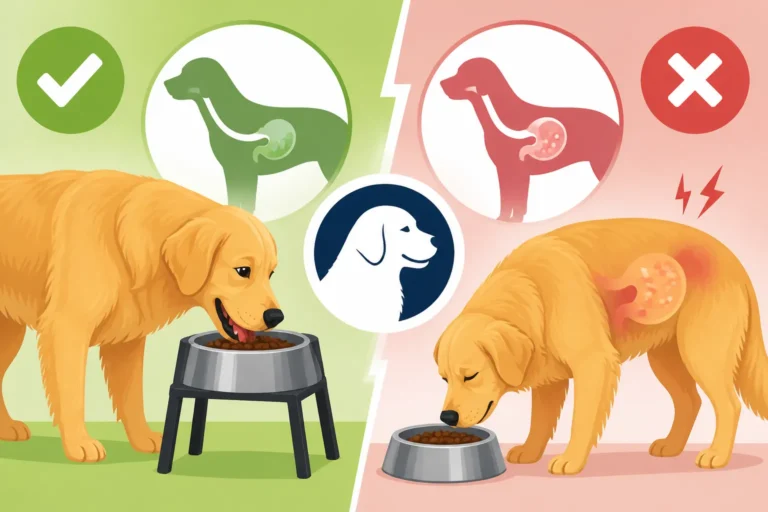
- Home Modifications: Installing ramps to help them get on and off furniture or into vehicles, laying down non-slip rugs on slick floors, and potentially using elevated food and water bowls to reduce strain. These small changes can make a world of difference in their comfort and confidence.
- Physical Therapy and Rehabilitation: Working with a certified canine rehabilitation therapist can be incredibly beneficial. They can provide exercises to build strength in the remaining limbs, improve balance, and help your Golden adapt to their new way of moving. This is particularly important for Goldens, who love to be active. You can find useful tips in our guide on Caring for a Senior Golden Retriever, which also applies to dogs with mobility challenges regardless of age.
- Emotional Support: Your Golden will pick up on your emotions. Stay positive, offer lots of praise, and continue engaging them in activities they love within their new physical limits. Patience is key as they re-learn how to move and play.
Monitoring for Progression and Metastasis
Even after successful treatment of the primary tumor, constant vigilance is required due to osteosarcoma's high metastatic potential. This means regular follow-up appointments with your veterinary oncologist, typically every 2-3 months. These visits will usually involve:
- Chest X-rays: To check for new or growing metastatic lesions in the lungs.
- Physical Examinations: To assess overall health, pain levels, and any new areas of concern.
- Blood Work: To monitor organ function and overall health, especially if chemotherapy is ongoing.
Beyond vet visits, you, the owner, are the first line of defense. Observe your Golden closely for any new signs of discomfort, changes in appetite, unexpected coughing, increased lethargy, or new lumps and bumps. Keeping a detailed journal of their symptoms, medication schedule, and how they respond to treatment can be invaluable information for your vet. If you notice any concerning changes, don't hesitate to contact your veterinary team promptly. Quick action if signs of progression appear can sometimes buy you more time or allow for adjustments in palliative care. Again, the ongoing diagnostic tests and treatments needed to monitor for metastasis are often covered by pet insurance like Healthy Paws, making proactive management more accessible without a crushing financial burden.
End-of-Life Decisions and Quality of Life
This is arguably the hardest part of any cancer journey: knowing when it's time to say goodbye. With osteosarcoma, this decision often revolves around managing pain and maintaining an acceptable quality of life. While we all want more time with our beloved companions, our ultimate responsibility is to prevent suffering.
Focus on assessing your Golden's quality of life daily. Are they still enjoying their favorite activities, even if modified? Are they eating, drinking, and interacting with the family? Is their pain adequately controlled, or are they experiencing more "bad days" than "good days"? Your veterinary team can help you objectively evaluate these factors. Many vets use quality of life scales to aid in this difficult assessment. When the pain can no longer be managed effectively, when they lose interest in food and life, or when they can no longer find joy in simple things, it might be time to consider humane euthanasia. This truly is one of the most profound and painful decisions a pet owner can face, and our article on End-of-Life Decisions for a Golden Retriever provides further guidance during this heartbreaking time.
The emotional toll of this process is immense, and it’s important to seek support from friends, family, or pet bereavement groups. While the financial burden of extended care, medications, and end-of-life services can be significant, the emotional weight of watching your dog suffer is far greater. Knowing that comprehensive pet insurance like Healthy Paws can alleviate some of the financial stress often allows owners to focus solely on their Golden’s comfort and well-being during their final days.
Osteosarcoma Treatment Comparison
To help visualize the options and considerations, here's a brief comparison of the primary treatment approaches for canine osteosarcoma.
| Treatment Option | Primary Goal | Key Benefits | Major Drawbacks | Typical Use Case |
|---|---|---|---|---|
| Amputation | Immediate pain relief, primary tumor removal | Eliminates pain at tumor site, prevents fracture | Major surgery, does not address metastasis, emotional for owners | Most common surgical option for appendicular osteosarcoma |
| Limb-Sparing Surgery | Preserve limb, remove primary tumor | Maintains limb, potentially better gait | Higher complication risk (infection, failure), not suitable for all tumors | Specific cases where tumor is small/well-contained (e.g., distal radius) |
| Chemotherapy | Target microscopic metastatic disease | Extends survival time, improves prognosis | Does not cure, potential for mild side effects (GI upset, lethargy) | Almost always used post-surgery to delay metastasis |
| Palliative Radiation | Pain relief, slow local tumor growth | Reduces pain, improves comfort, non-invasive | Does not cure, typically short-term effects, localized treatment only | When surgery is not an option, or as pain management |
| Pain Management | Maximize comfort, maintain quality of life | Improves comfort, reduces suffering | Does not treat cancer, requires ongoing medication and monitoring | Essential for all cases, especially palliative and post-surgery care |
Disclaimer
The information provided in this guide is intended for informational purposes only and does not constitute veterinary medical advice. Always consult with a qualified veterinarian or a veterinary oncologist for any health concerns or before making any decisions about your Golden Retriever's medical care. Every dog's situation is unique, and personalized professional advice is essential.