Testing a Golden Retriever’s Thyroid Levels
It's incredibly frustrating when you know something isn't quite right with your beloved Golden Retriever, but the symptoms are vague, subtle, or just don't add up to an obvious illness. Many Golden owners experience this, noticing a slow shift in their dog's energy, coat, or even temperament, and often, the silent culprit is an underactive thyroid. This guide will walk you through everything you need to know about testing your Golden Retriever's thyroid levels, from understanding why it's so important for the breed to what those often-confusing test results actually mean.
Why Thyroid Testing Matters for Your Golden Retriever
Golden Retrievers, as wonderful and jovial as they are, unfortunately, carry a genetic predisposition to certain health conditions, and hypothyroidism is high on that list. It's not just a minor inconvenience; an unchecked thyroid can significantly impact their quality of life, often making them feel sluggish, uncomfortable, and simply not themselves. Recognizing the signs and understanding the diagnostic process is a huge step in being a proactive and informed Golden parent.
The Silent Symptoms of Hypothyroidism
One of the trickiest things about hypothyroidism in dogs is how insidiously it can creep up. Owners often attribute the early signs to "just getting older" or a change in season. Your once vibrant, energetic Golden might start slowing down on walks, seem less enthusiastic about playtime, or sleep more than usual. You might notice them gaining weight even though their diet hasn't changed, or that their beautiful, lustrous coat is becoming dull, dry, and thinning, perhaps with increased shedding or "rat tail" appearance.
Beyond the physical, behavioral changes can also signal a problem. Some Goldens become more anxious, irritable, or even show mild aggression – behaviors entirely out of character for their typically sweet disposition. Skin issues, like recurrent infections, dry patches, or excessive dandruff, can also be red flags. It's a wide range of symptoms, and individually, they might not seem alarming, but collectively, they paint a picture that screams "thyroid check!" For a more in-depth look at these subtle clues, you might want to read our article on Golden Retriever Hypothyroidism Symptoms Owners Notice.
Understanding the Golden Retriever's Predisposition
So, why are Golden Retrievers more susceptible to hypothyroidism than many other breeds? The primary reason lies in their genetic makeup, which makes them prone to a condition called autoimmune thyroiditis. This is where the dog's own immune system mistakenly attacks and destroys the thyroid gland over time. It's a slow process, meaning a Golden might have the autoantibodies present for years before their thyroid function actually declines enough to cause noticeable symptoms.
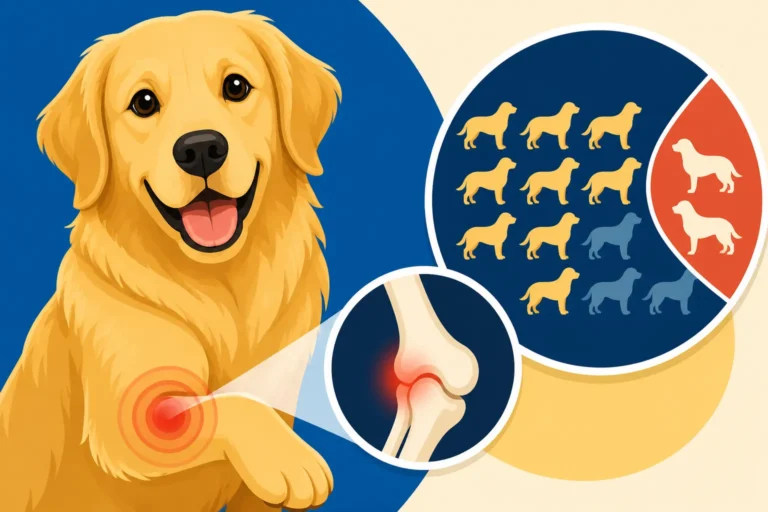
Because of this predisposition, veterinarians often recommend routine thyroid screening for Goldens, even before overt symptoms appear, particularly as they approach middle age. Early detection is paramount. If you catch it when the immune system is just starting its attack, or when thyroid hormone levels are borderline low, you can prevent years of discomfort and secondary health issues for your dog. For instance, unexplained weight gain due to hypothyroidism can put undue stress on joints, exacerbating conditions like hip or elbow dysplasia. This highlights the importance of comprehensive health management, including considering how a condition like hypothyroidism can impact other aspects of their well-being, such as their Golden Retriever Weight and Joint Damage.
Types of Thyroid Tests and What They Mean
Navigating thyroid test results can feel like deciphering a complex code, especially when different tests measure different things. Your veterinarian won't typically run just one test and call it a day, particularly with a breed like the Golden Retriever. They'll often utilize a panel of tests to get a complete and accurate picture of your dog's thyroid health.
The Initial Screening: Total T4 (Thyroxine)
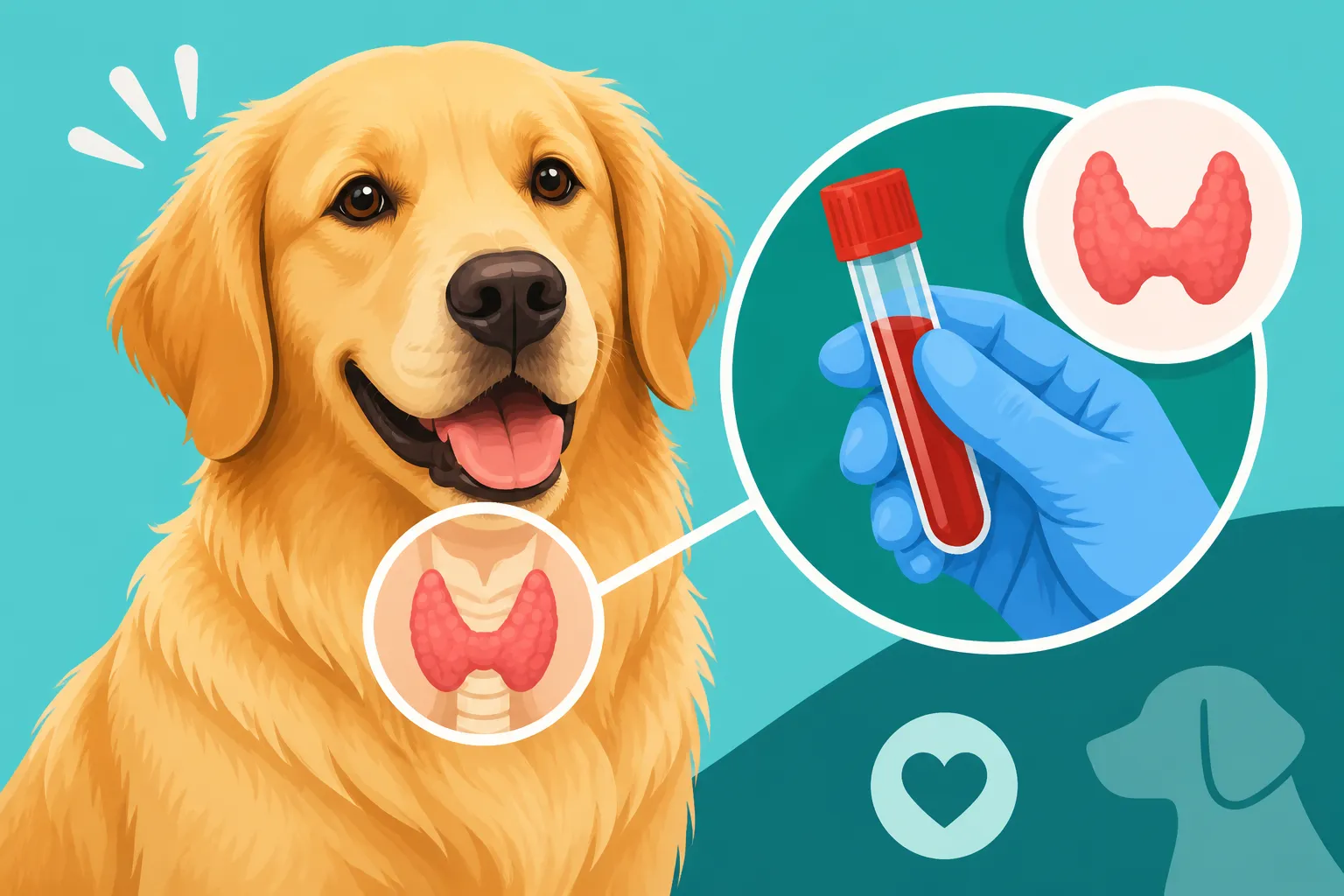
The Total T4 (TT4) test is often the first, most basic step in evaluating thyroid function. It measures the total amount of thyroxine, one of the main thyroid hormones, circulating in your dog's bloodstream. Think of it as a broad overview. If your Golden is showing some mild, non-specific symptoms like slight lethargy or a duller coat, your vet might include a TT4 as part of a routine blood panel, perhaps during their twice-yearly wellness checks.
While a low TT4 can indicate hypothyroidism, it's not always a definitive answer. The biggest limitation of the TT4 test is that it can be heavily influenced by factors other than actual thyroid disease. For example, if your Golden has another illness (a condition known as "euthyroid sick syndrome"), or is on certain medications like steroids, anti-inflammatory drugs, or seizure medications such as phenobarbital, their TT4 levels might appear low even if their thyroid gland is functioning perfectly fine. This is why a low TT4 result usually prompts further investigation rather than an immediate diagnosis.
Delving Deeper: Free T4 (fT4) and TSH (Thyroid-Stimulating Hormone)
To get a clearer picture, your vet will likely recommend a Free T4 (fT4) test and a Thyroid-Stimulating Hormone (TSH) test. These two are often run together and provide much more specific information.
The Free T4 (fT4) test measures the amount of unbound, biologically active thyroxine in your dog's blood. Unlike TT4, which measures both bound and unbound hormone, fT4 is less affected by non-thyroidal illnesses and medications. It's considered a more accurate indicator of the actual thyroid hormone available to your dog's tissues. If the fT4 is low, it's a much stronger signal that the thyroid gland itself isn't producing enough hormone.
The TSH (Thyroid-Stimulating Hormone) test, on the other hand, measures a hormone produced by the pituitary gland in the brain. The pituitary gland is like the thyroid's boss; it releases TSH to tell the thyroid gland to produce more thyroid hormone. In a healthy dog, if thyroid hormone levels are low, the pituitary gland will ramp up TSH production to try and stimulate the thyroid. So, in cases of primary hypothyroidism (where the thyroid gland itself is the problem), you'd typically see a high TSH level coupled with a low fT4. If TSH is normal or low, despite a low fT4, it might point to a problem with the pituitary gland or, more commonly, indicate euthyroid sick syndrome. It’s important to note that specific canine TSH assays are typically used, as human TSH tests are not always reliable for dogs.
The Comprehensive Panel: Autoantibodies (TgAA)
For Golden Retrievers, a truly comprehensive thyroid evaluation often includes testing for autoantibodies, particularly Thyroglobulin Autoantibodies (TgAA). This test is crucial because it directly checks for the autoimmune attack on the thyroid gland that is so common in the breed.
A positive TgAA result indicates that your Golden Retriever's immune system is actively targeting its own thyroid gland. This is incredibly important for several reasons. Firstly, a dog can have positive TgAA for months or even years before their actual thyroid hormone levels (TT4, fT4) drop into the hypothyroid range. This means it can serve as an early warning sign, allowing you and your vet to monitor the situation closely. Secondly, for breeders, knowing a dog's TgAA status is vital for making responsible breeding decisions, as autoimmune thyroiditis can be inherited. Understanding Golden Retriever Genetic Tests Worth Running often includes discussion of TgAA testing for this reason.
It's important to differentiate: a positive TgAA means the dog has autoimmune thyroiditis (or is affected by it), but it doesn't automatically mean they are currently hypothyroid. They might be "euthyroid" (normal thyroid function) but still have the autoimmune disease brewing. Combining the TgAA with fT4 and TSH gives your vet the most complete diagnostic picture, helping them decide if and when treatment is necessary.
The Testing Process: What to Expect at the Vet
Getting your Golden Retriever's thyroid levels checked is a relatively straightforward process, usually involving a simple blood draw. However, understanding what happens before, during, and after can help ease any anxiety you or your dog might have.
Preparing Your Golden for the Blood Draw
For most routine thyroid panels, your Golden Retriever doesn't necessarily need to fast, unlike some other blood tests. However, if your veterinarian is running a more comprehensive metabolic panel or checking other values that require fasting (like blood glucose), they might ask you to withhold food for 8-12 hours before the appointment. It's always best to follow your vet's specific instructions.
The actual blood draw is quick and typically takes place from a vein in your Golden's leg or neck. Most Goldens are incredibly cooperative, especially with some yummy treats and gentle reassurance from their favorite human. The veterinary team will do their best to make the experience as low-stress as possible, sometimes using a soft muzzle if your dog is a little squirmy or anxious. Since many Goldens are predisposed to certain conditions and benefit from regular monitoring, these thyroid checks can often be conveniently performed during their routine Why Goldens Need Vet Visits Twice a Year or annual check-ups. This way, you're not making an extra, stressful trip just for a blood draw, and the vet can keep an eye on overall health.
Interpreting the Results with Your Veterinarian
This is where your veterinarian's expertise truly shines. Interpreting thyroid test results isn't always a simple "yes" or "no" answer. As mentioned, other conditions (euthyroid sick syndrome) and medications can influence TT4 levels. A low TT4 alone doesn't mean hypothyroidism. The combination of results, along with your Golden's clinical signs, breed predisposition, and overall health, is what truly forms the diagnosis.
For example, a classic hypothyroid diagnosis often involves a low fT4 and a high TSH. However, some Goldens might have a low fT4, a normal TSH, and a positive TgAA, indicating early-stage autoimmune thyroiditis that warrants monitoring. Your vet will carefully explain each value and how it contributes to the overall picture. Don't be afraid to ask questions! Understanding the nuances helps you become a better advocate for your dog's health.
Here’s a simplified table to help you understand common thyroid test results:
| Test Type | What it Measures | Common Interpretation for Hypothyroidism | Limitations/Considerations |
|---|---|---|---|
| Total T4 (TT4) | Total thyroxine in blood | Low (often the first hint) | Can be influenced by other illnesses, drugs, breed variations. Not definitive on its own. |
| Free T4 (fT4) | Unbound, active thyroxine | Low | More reliable than TT4 as it's less affected by non-thyroidal illness. |
| TSH | Thyroid-Stimulating Hormone | High | Indicates the pituitary is trying to stimulate an underactive thyroid. Canine-specific assays are crucial. |
| Thyroglobulin Autoantibodies (TgAA) | Presence of autoantibodies | Positive | Confirms autoimmune thyroiditis, often precedes overt hypothyroidism. Important for Golden Retrievers. |
What Happens After a Hypothyroidism Diagnosis
If your Golden Retriever is diagnosed with hypothyroidism, the good news is that it's a very manageable condition. Treatment typically involves a lifelong course of synthetic thyroid hormone, most commonly levothyroxine, given orally. This medication is safe, effective, and usually starts to make a noticeable difference in your dog's symptoms within a few weeks to a couple of months.
Your vet will prescribe a specific dosage, and then you'll usually have follow-up blood tests (often a few weeks after starting medication and then periodically) to ensure the dosage is correct and your Golden's thyroid levels are within the therapeutic range. It's not uncommon for the dosage to be adjusted a few times in the beginning. Once stable, many Goldens only need blood work once or twice a year to monitor their levels. This consistent management is key to their well-being. For a deeper dive into the financial aspects of this lifelong care, you might find our article on Lifelong Thyroid Medication Costs for a Golden quite insightful.
You'll likely see a return of their energy, a healthier coat, and often, a more appropriate weight, which is a relief for both you and your furry friend. It's amazing how much better they feel once their thyroid is properly supported.
Proactive Screening and Long-Term Management
As Golden Retriever owners, we want to give our dogs the best, longest, and healthiest lives possible. Given their breed-specific risks, being proactive about thyroid health is one of the kindest things we can do.
When to Consider Routine Thyroid Screening
While symptoms are often the prompt for testing, for Golden Retrievers, routine thyroid screening can be a valuable preventive measure. Many veterinarians recommend starting annual or bi-annual thyroid screening for Goldens around 4 to 6 years of age, even if they aren't showing any obvious signs. This is especially true if there's a known family history of hypothyroidism. Catching the autoimmune process early through TgAA testing, or identifying a subtle dip in fT4, allows for timely intervention, potentially preventing more severe symptoms and secondary health complications.
For those involved in breeding Golden Retrievers, comprehensive thyroid panels, including TgAA, are considered a crucial part of the health clearances required for breeding stock. Responsible breeders are diligent about these checks to avoid passing on predispositions to future generations. Our guide on Health Clearances a Golden Retriever Breeder Must Show goes into more detail about these important pre-breeding evaluations.
Managing Your Golden's Thyroid Health
Once a Golden Retriever is diagnosed with hypothyroidism and starts medication, consistent management becomes the cornerstone of their ongoing health. This means administering their medication exactly as prescribed, not missing doses, and adhering to the recommended schedule for follow-up blood tests. Regular communication with your veterinarian is essential; they are your partner in ensuring your Golden maintains optimal thyroid levels.
Beyond medication, maintaining a healthy lifestyle—including a balanced diet and appropriate exercise—remains crucial. While the thyroid medication will help normalize their metabolism, good habits support overall well-being. Thinking about potential costs for lifelong care, many Golden Retriever owners find pet insurance plans, like those offered by Healthy Paws, to be invaluable. A good plan can significantly help cover the continuous expenses associated with chronic conditions such as hypothyroidism, including medication refills and routine blood work, easing the financial burden and ensuring your Golden always gets the care they need. This partnership between diligent home care, professional veterinary oversight, and a reliable support system like Healthy Paws can truly make all the difference in your Golden's quality of life.
Ultimately, managing your Golden's thyroid health is about consistency and collaboration. By staying informed, following your vet's advice, and being attentive to your dog's subtle cues, you can help your Golden Retriever live a full, happy, and healthy life, even with a hypothyroid diagnosis.
Disclaimer
Please remember that this article is intended for informational purposes only and is not a substitute for professional veterinary advice. Always consult with a qualified veterinarian regarding any health concerns or before making any decisions about your Golden Retriever's care, diagnosis, or treatment.