Toppers That Get a Picky Golden Retriever Eating
It can be incredibly frustrating when your beloved Golden Retriever, who usually acts like a bottomless pit, suddenly turns up their nose at their food bowl. You watch them sniff, take a tentative bite, then walk away, leaving you wondering if they're sick, bored, or just staging a protest. This guide is here to walk you through the common reasons behind picky eating in Goldens and, more importantly, how meal toppers can be a fantastic, easy way to make their food irresistible again, alongside other helpful strategies.
Understanding Why Your Golden Retriever Might Be Picky
Before we dive into delicious solutions, it’s crucial to understand why your Golden might be acting picky. Sometimes it’s a simple preference, but other times it can be a red flag. It’s easy to dismiss it as just a "picky phase," but taking a moment to consider the root cause can save you a lot of worry and potentially address a more serious issue. Goldens are generally enthusiastic eaters, so a sudden change in appetite is always worth investigating.
Medical Reasons for Appetite Loss
One of the most important things to rule out when your Golden Retriever isn't eating enthusiastically is an underlying health issue. Dogs, much like us, often lose their appetite when they're not feeling well. This isn't just about refusing food entirely; even a noticeable decrease in their usual gusto for mealtime can be a sign. Something as simple as a toothache or gum inflammation can make eating dry kibble uncomfortable or even painful, leading them to shy away from their bowl.
More serious conditions, though less common, can also manifest as a loss of appetite. Gastrointestinal upset, internal parasites, or even more complex illnesses like kidney disease or certain cancers can all dampen a Golden's desire to eat. If your Golden Retriever's pickiness is sudden, severe, or accompanied by other symptoms like lethargy, vomiting, diarrhea, or changes in drinking habits, it's absolutely vital to get them to the vet. They might need a thorough check-up, possibly including blood work and other diagnostics, to pinpoint any medical concerns. Remember, it's always better to be safe than sorry, especially with a breed prone to certain health conditions. Early detection is key for many health challenges, and your vet can provide tailored advice. You might want to refer to Why a Golden Retriever Suddenly Stops Eating for more specific concerns.
Behavioral and Environmental Factors
Sometimes, your Golden's pickiness has nothing to do with their physical health and everything to do with their environment or emotional state. Goldens thrive on routine, and any disruption can throw them off. A new baby, a change in work schedule, moving to a new home, or even just guests staying over can create stress that impacts their appetite. Imagine trying to enjoy a meal when you're feeling anxious or unsettled; it's similar for our furry friends.
Furthermore, boredom with their food is a very real thing. If your Golden has been eating the same kibble day in and day out for years, they might simply be uninspired by it. While dogs don't need the variety humans crave, a lack of interest can sometimes stem from sheer monotony. The texture, smell, or even the shape of the kibble can become unappealing over time. Lastly, sometimes we, as loving owners, inadvertently create a picky eater by constantly offering new, tastier options the moment they turn their nose up. This teaches them that if they hold out long enough, something better will come along.
Finicky Phases and Learned Pickiness
It's common for Golden Retrievers, especially during their adolescent phases, to go through periods where their appetite fluctuates. What they devoured yesterday, they might turn their nose up at today. This can be particularly pronounced during their "teenage" months, roughly between 6 months and 2 years old, when their bodies are still developing, and their energy levels might be more erratic. It's not always a cause for alarm, but it can certainly test your patience!
However, these phases can sometimes lead to learned pickiness. If every time your Golden hesitates at their bowl, you immediately reach for a spoonful of something special from your own plate or try a completely new bag of food, they quickly learn that being "picky" gets them better options. This isn't them being manipulative in a human sense, but rather a simple case of operant conditioning: they associate holding out with a more desirable outcome. It can be a tough habit to break once established, but consistency and patience are your best tools.
The Magic of Meal Toppers for Golden Retrievers
Once you've ruled out any medical issues with your vet and considered behavioral factors, meal toppers can be an absolute game-changer for getting a picky Golden Retriever excited about mealtime again. They’re like the secret ingredient that transforms a mundane dish into a gourmet experience. For Goldens, who often have a keen sense of smell and a love for anything savory, a topper can reignite their interest in their regular kibble without completely overhauling their diet.
What Makes a Good Topper?
A good meal topper for your Golden Retriever isn't just about adding extra calories; it's about adding appeal. The primary goal is to enhance the palatability of their existing food. This usually means a boost in flavor and aroma, making the kibble smell and taste more enticing. Think about how a delicious sauce can elevate a simple meal for us – it's similar for dogs! Toppers can introduce different textures, too, which can break up the monotony of crunchy kibble and make the meal more interesting to eat.
Beyond pure deliciousness, a good topper can also add nutritional value. Many toppers, especially those made from whole foods or specialized formulations, can provide extra vitamins, minerals, protein, or healthy fats that complement their base diet. They can also aid in digestion or provide specific health benefits. Ease of use is another key factor for us, the busy Golden parents. You want something that’s simple to add, doesn't require extensive preparation, and can be stored conveniently. Brands like Chewy offer a wide variety of toppers, making it easy to browse and compare options that fit your Golden's needs and your lifestyle.
Types of Toppers to Consider
The world of dog food toppers is surprisingly vast, offering a range of options to suit every Golden Retriever's preference and every owner's budget. Generally, they fall into a few main categories: wet food, broths and gravies, fresh food additions, and various powdered or freeze-dried boosters. Each type brings something different to the table, from providing essential moisture to delivering an intense burst of flavor.
Wet food toppers are often highly palatable due to their strong scent and softer texture, which can be particularly appealing to older Goldens or those with dental sensitivities. Broths and gravies are fantastic for adding moisture and enticing aromas, often stimulating a Golden's appetite with their rich, savory scent. Fresh food additions, like cooked meats or vegetables, offer wholesome nutrition and a natural taste that many dogs adore. Finally, powdered or freeze-dried toppers concentrate flavor and nutrients, and can be incredibly convenient. Experimenting with a few different types, perhaps from a selection you can find on platforms like Amazon, can help you discover what truly gets your particular Golden Retriever's tail wagging at mealtime.
Introducing Toppers Slowly and Effectively
Even the best intentions can lead to an upset tummy if you introduce new foods too quickly, and toppers are no exception. Golden Retrievers can have sensitive digestive systems, and a sudden change can result in diarrhea or vomiting, which defeats the purpose of making mealtime enjoyable. The key is to start small and gradually increase the amount of topper over several days, or even a week.
Begin with just a tiny spoonful or a small sprinkle of your chosen topper mixed into their regular kibble. Observe your Golden for any signs of digestive upset over the next 24-48 hours. If they handle it well, you can slowly increase the quantity each day until you reach the recommended serving size or the amount that makes their meal appealing without overdoing it. This slow introduction allows their digestive system to adjust to the new ingredients, minimizing the risk of a reaction. Patience here is crucial, ensuring that the topper truly becomes a positive addition to their diet. You can find more advice on Switching a Golden Retriever's Food Without Upset for a deeper dive into these transitions.
Popular and Effective Topper Options for Goldens
When it comes to choosing the right topper, it often boils down to what your individual Golden Retriever finds most appealing. There are so many fantastic options available, each with its own benefits. The goal is to find something that not only excites them but also complements their overall diet and doesn't cause any digestive issues. Don't be afraid to try a few different things until you hit on the perfect match for your discerning diner.
Adding Moisture and Flavor with Broths and Gravies
One of the simplest yet most effective ways to make dry kibble more enticing is by adding a flavorful liquid. Bone broth, in particular, has become a very popular choice for Golden Retriever owners, and for good reason. It's incredibly aromatic, which can instantly pique a Golden's interest, and it adds much-needed moisture to their meal, making it easier to eat and potentially aiding digestion. Many bone broths are also packed with beneficial nutrients like collagen, amino acids, and minerals, which can support joint health and gut health. Just be sure to choose a plain, unsalted, dog-specific bone broth, as human broths often contain ingredients like onions or excessive sodium that are harmful to dogs.
Alternatively, you can find various gravies and liquid meal enhancements specifically formulated for dogs. These often come in savory flavors like chicken, beef, or turkey and are designed to coat the kibble, making every bite more delicious. When shopping for these, always check the ingredient list to avoid artificial colors, flavors, or excessive fillers. Many pet supply stores, and online retailers like Chewy, carry a wide selection of high-quality bone broths and gravies that are safe and beneficial for your Golden Retriever.
Fresh and Whole Food Additions
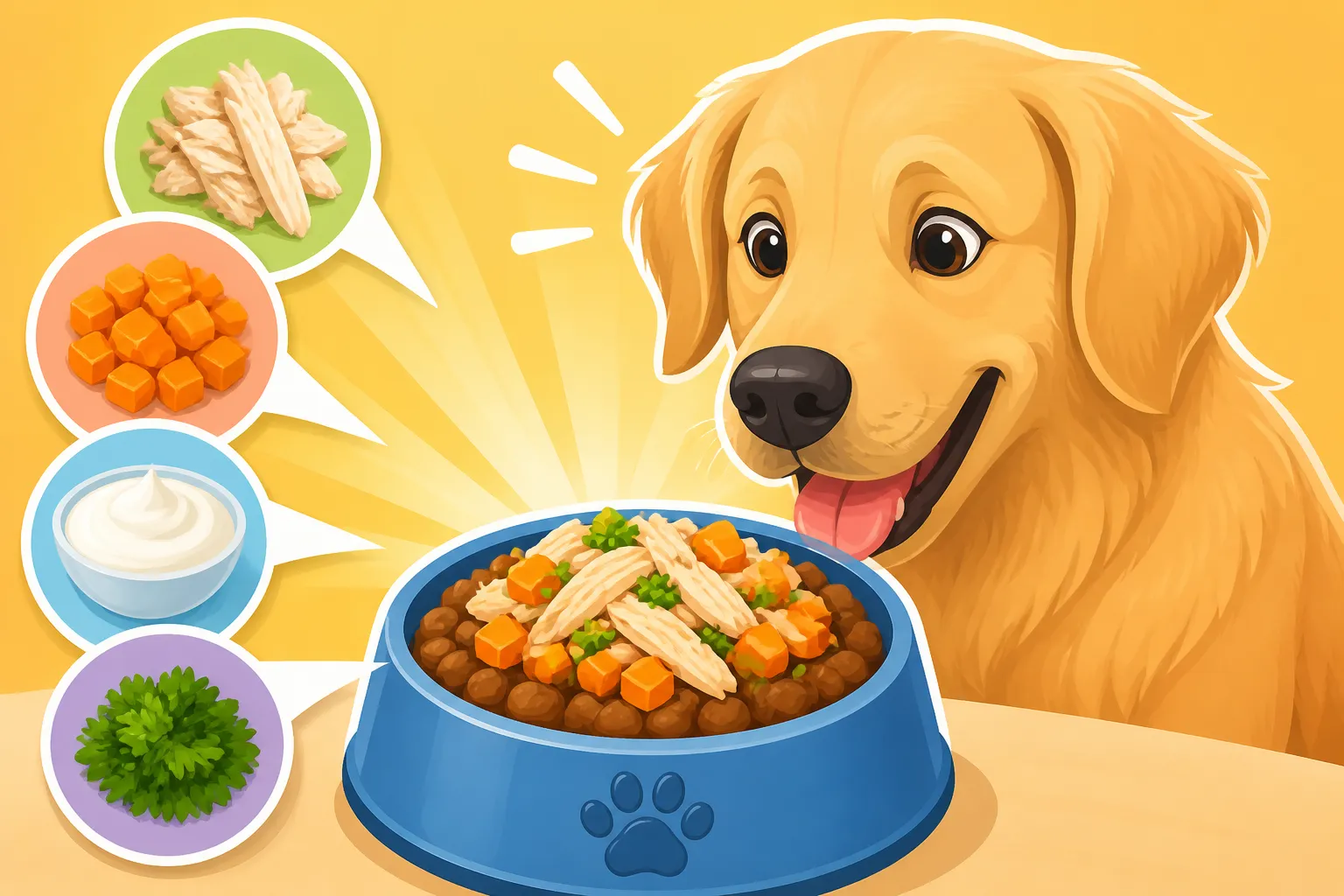
For many Golden Retrievers, nothing beats the appeal of fresh, whole food. Incorporating small amounts of cooked, plain meat or certain vegetables can be a fantastic way to boost their meal's palatability and nutritional profile. Cooked chicken, turkey, or lean beef, shredded or diced, can be incredibly enticing. Just make sure it's unseasoned and cooked thoroughly. A little bit of scrambled egg (without butter or oil) is another protein-rich option many Goldens adore.
Steamed or boiled vegetables like carrots, green beans, or sweet potatoes can add fiber, vitamins, and a touch of natural sweetness. Mash them up or dice them finely to make them easy to mix in. Remember that these additions should be given in moderation and always account for them in your Golden's daily calorie intake to prevent unintended weight gain. For those looking for a more structured fresh food approach, services like Ollie deliver pre-portioned, human-grade fresh dog food that can be used as a full meal or as a highly palatable topper. These types of fresh options can be particularly good for Goldens who enjoy a more varied diet. Just be sure you understand Human Foods Safe for a Golden Retriever before adding anything to their bowl.
Dry and Powdered Boosters
Sometimes, a little sprinkle is all it takes to transform a meal. Dry and powdered toppers offer a concentrated burst of flavor and often provide additional health benefits without adding significant bulk. Freeze-dried raw meat or fish pieces, crumbled over kibble, are incredibly appealing due to their intense aroma and natural taste. These retain much of their nutritional value and can mimic the appeal of a raw diet in a convenient form.
Nutritional yeast, a flaky yellow powder, has a cheesy, savory flavor that many dogs find irresistible and can also provide B vitamins. Another option is powdered digestive enzymes or probiotics, which not only make the food more appealing but can also support a healthy gut. For Goldens with specific needs, there are also powdered supplements like joint support formulas that often come in palatable flavors and double as a topper. When selecting powdered toppers, look for high-quality ingredients and avoid products with unnecessary fillers. These types of toppers are excellent for providing a quick, easy, and shelf-stable way to add excitement and nutritional boosts to your Golden’s meals.
Here's a quick comparison of popular topper types:
| Topper Type | Pros | Cons | Best For |
|---|---|---|---|
| Bone Broth/Gravy | High palatability, adds moisture, aids digestion, joint support | Can be messy, need to check sodium/ingredients, doesn't add much caloric density | Picky eaters, seniors, dogs needing hydration, joint support |
| Cooked Meats/Eggs | High protein, natural flavor, very appealing, easy to digest | Requires preparation, need to avoid seasoning/fat, easy to overfeed | Most Goldens, a fresh boost, adding specific nutrients |
| Steamed Veggies | Adds fiber, vitamins, low calorie | Less universally exciting, some prep needed | Dogs needing fiber, low-calorie treat, nutrient boost |
| Freeze-Dried Raw Crumble | Intense flavor/aroma, nutrient-dense, convenient, minimal processing | Can be more expensive, some brands have fillers | Very picky eaters, nutrient boost, adding raw benefits without full raw diet |
| Pumpkin Puree (Plain) | Digestion aid, fiber-rich, low calorie | Flavor not universally loved, needs to be plain | Dogs with sensitive stomachs, mild pickiness |
Beyond Toppers: Holistic Strategies for Picky Eaters
While toppers are a fantastic tool, they're just one piece of the puzzle. A holistic approach to managing a picky Golden Retriever involves looking at their entire routine and environment. By addressing these broader aspects, you can create a more consistent and positive mealtime experience that encourages them to eat willingly, even without a constant stream of new and exciting additions. This means building good habits, ensuring a calm atmosphere, and knowing when to seek professional help.
Establishing a Consistent Feeding Routine
Goldens thrive on routine, and mealtime is no exception. A predictable schedule helps regulate their metabolism and creates an expectation for food, which can stimulate appetite. Try to feed your Golden Retriever at the same times each day, in the same location. This consistency signals to their body that it’s time to eat. Avoid leaving food out all day for them to graze on, as this can reinforce pickiness. If they know the food will always be there, there's no urgency to eat.
Instead, offer their meal for a set period, typically 15-20 minutes. If they haven't eaten it within that time, pick up the bowl. Don't offer any other food or treats until the next scheduled mealtime. This might feel tough at first, but it teaches them that food is available at specific times, and if they don't eat it, it goes away. They’ll quickly learn to eat when the food is presented. This approach also helps you monitor their actual intake and identify if their pickiness is truly a lack of appetite or simply a game of "wait for something better." For example, Feeding an Adult Golden Retriever Twice a Day is a common and effective routine to establish.
Making Mealtime a Positive Experience
The environment surrounding mealtime can significantly impact your Golden Retriever's willingness to eat. A stressful or chaotic atmosphere can suppress their appetite, turning a basic need into an unpleasant experience. Think about where your Golden eats. Is it a high-traffic area in the house? Are other pets or children constantly bothering them while they try to eat? Establishing a quiet, calm feeding station can make a big difference. This might be a separate room, a crate, or a corner away from the main hustle and bustle.
Consider reducing distractions during mealtime. Turn off the TV, ensure other pets are secured, and ask family members to give your Golden some space. Some Goldens prefer to eat alone, feeling more secure without competition or observation. Ensure their food and water bowls are clean and comfortable for them to access. Elevated bowls can sometimes help larger or older Goldens, especially if they have joint issues. Making mealtime a peaceful, predictable ritual can help your Golden relax and focus on their food, making them more likely to eat willingly.
When to Consult Your Veterinarian or a Specialist
While meal toppers and routine adjustments can work wonders for many picky Golden Retrievers, there are times when professional intervention is necessary. If your Golden's pickiness is accompanied by other symptoms like weight loss, lethargy, vomiting, diarrhea, changes in thirst, or unusual behavior, it’s imperative to consult your veterinarian immediately. These could be signs of underlying health issues that require medical attention, such as a dental problem, gastrointestinal disease, or even conditions like Golden Retriever Hypothyroidism Symptoms Owners Notice. Your vet can perform a thorough examination and recommend diagnostics like blood tests (a What a Golden Retriever Senior Blood Panel Covers can be very insightful), urine analysis, or imaging to rule out any medical causes.
If medical issues are ruled out, but the pickiness persists, or if you suspect it's rooted in significant anxiety or a deeply ingrained behavioral pattern, a veterinary nutritionist or a certified professional dog trainer specializing in behavior might be beneficial. These specialists can offer tailored advice, help identify specific triggers, and develop a comprehensive plan to address your Golden's unique needs. They can also help navigate complex issues like severe food aversions or Golden Retriever Food and Skin Allergies that might be contributing to their reluctance to eat. Never hesitate to seek expert help when you're feeling stuck; your Golden's health and happiness are always worth it.
Disclaimer
This article is for general informational purposes only and does not constitute professional advice. Laws, prices and regulations vary by location and change over time. Consult a qualified professional for guidance on your specific situation.