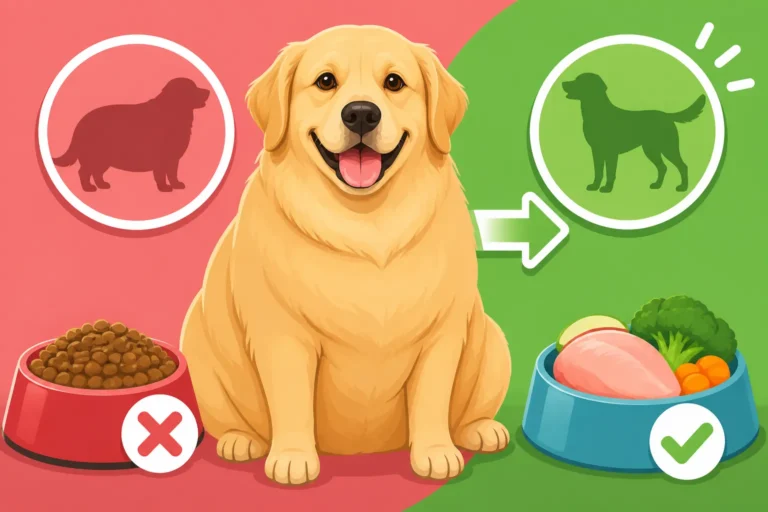
Wet Versus Dry Food for a Golden Retriever
Choosing the right food for your beloved Golden Retriever can feel like navigating a maze, full of conflicting advice and endless options. Many of us stand in the pet aisle, staring at bags of kibble and cans of wet food, wondering if one is truly better than the other, or if we're missing something crucial for our furry family member's health and happiness. This guide aims to clear up the confusion surrounding wet versus dry dog food, helping you understand the pros, cons, and nuances so you can make an informed decision that best suits your Golden.
Understanding the Nutritional Needs of a Golden Retriever
Before we even dive into the texture of the food, it's absolutely vital to understand what makes a Golden Retriever thrive from a nutritional standpoint. These aren't tiny lap dogs or high-strung working breeds that burn calories at an incredible rate. Goldens are robust, active dogs with specific requirements that, when met, contribute to their overall health, beautiful coat, and joyful demeanor. Neglecting these foundational needs, regardless of food type, can lead to a host of problems down the line.
The Foundation of a Balanced Golden Retriever Diet
A balanced diet for a Golden Retriever is built upon several key components: high-quality protein, moderate fat, appropriate carbohydrates, essential vitamins, and minerals. Protein is paramount for muscle development and maintenance, something a strong, active Golden needs in abundance. Look for named meat sources like chicken, beef, or salmon as the first ingredient. Fats provide energy and support a healthy skin and coat, giving your Golden that signature luster. However, too much fat can lead to weight gain, especially as they get older or if they aren't getting enough exercise. Golden Retriever Weight and Joint Damage is a serious concern, so fat content needs to be managed. Carbohydrates offer sustained energy, particularly important for Goldens who love to play and work. Complex carbs from whole grains or vegetables are preferable to fillers. Finally, a complete array of vitamins and minerals supports everything from bone health to immune function. When you're Reading a Dog Food Label for a Golden Retriever, these are the elements you'll be scrutinizing.
How Life Stages Impact Food Choices
A Golden Retriever's nutritional needs aren't static; they change significantly from puppyhood through their senior years. A growing Golden Retriever puppy, for instance, needs a diet specially formulated for large breeds to support their rapid growth without encouraging too-fast development that can stress their developing joints. Puppy foods typically have higher calorie and protein content. Golden Retriever Puppy Feeding Amounts and Schedule will differ greatly from an adult. As they mature into adulthood, their growth plates close, and their energy needs might stabilize. They still require a good quality diet to maintain muscle mass and energy, but often with slightly less intense calorie counts. Finally, senior Goldens, who may be less active and prone to conditions like arthritis, often benefit from lower-calorie diets to prevent obesity and formulas with added joint support. A food designed for older dogs might also be easier to digest. Understanding these shifts is crucial, as feeding a senior dog puppy food, for example, could lead to unhealthy weight gain and additional strain on their aging body.
The Case for Dry Kibble: Pros and Cons
Dry kibble is by far the most popular choice for dog owners, and for good reason. It offers a blend of convenience, cost-effectiveness, and often, complete nutrition that makes it a staple in many Golden Retriever homes. However, it's not without its potential downsides, and understanding both sides of the coin is key to deciding if it's the primary choice for your furry friend.
Advantages of Dry Dog Food for Goldens
One of the biggest advantages of dry kibble is its convenience and shelf life. A large bag can be stored for weeks or even months without spoiling once opened, as long as it's kept in an airtight container in a cool, dry place. This makes meal prep quick and easy; just scoop and serve. It's also generally more economical than wet food, especially when you consider feeding a large breed like a Golden Retriever. You can often buy bigger bags for a better value, helping manage the Monthly Food Cost for a Golden Retriever Puppy or adult. Many owners find it easier to control portions with dry kibble, which is vital for preventing obesity in Goldens.
Furthermore, dry kibble is often touted for its dental health benefits. The crunchy texture of kibble can help scrape plaque and tartar off your Golden's teeth as they chew, potentially reducing the buildup that leads to dental disease. While not a substitute for regular dental care, it can contribute to better oral hygiene. Many brands also offer specific formulas for large breeds, which feature appropriately sized kibble that encourages proper chewing rather than gulping, and tailored nutritional profiles to support joint health in bigger dogs. Leading brands, including those found on platforms like Chewy or Amazon, offer a vast selection, making it easy to find a formula that suits your Golden's specific needs, whether it's for sensitive stomachs, joint support, or weight management.
Potential Drawbacks of Relying Solely on Kibble
Despite its many benefits, dry kibble does have some potential drawbacks. One significant concern is hydration. Dry food contains very little moisture, typically less than 10%. If your Golden Retriever isn't a diligent water drinker, a diet solely of dry kibble might not provide adequate hydration, which can put extra strain on their kidneys and urinary tract over time. A healthy, active Golden needs a lot of water, and while they should always have access to fresh water, some dogs simply don't drink enough on their own.
Another consideration is palatability. While many Goldens aren't particularly picky, some can be, and dry kibble may not be as appealing as wet food. If your Golden is a hesitant eater or is recovering from an illness, the smell and texture of dry food might not entice them. There's also the common misconception that all dry kibble is nutritionally superior. The truth is, quality varies widely. Some cheaper kibbles might contain a lot of fillers, by-products, and artificial ingredients that offer little nutritional value and can contribute to food sensitivities or allergies in some Goldens. It's essential to scrutinize ingredient lists carefully to ensure you're providing a high-quality, nutrient-dense meal, not just empty calories.
The Case for Wet Dog Food: Pros and Cons
Wet dog food, often found in cans, pouches, or even fresh-prepared forms, offers a distinctly different set of characteristics from dry kibble. Its higher moisture content and richer aromas can be very appealing, but it also comes with its own practical considerations.
Benefits of Wet Dog Food for Your Golden
One of the most immediate benefits of wet dog food is its high moisture content. Typically, wet food is 70-80% water. This significantly boosts your Golden's daily water intake, which is excellent for overall hydration, kidney function, and urinary tract health. This can be particularly beneficial for Goldens who don't drink enough water on their own or those prone to certain health issues where increased fluid intake is recommended.
Wet food is also often more palatable and aromatic than dry kibble, making it a fantastic option for picky eaters, dogs with reduced appetites due to age or illness, or those who simply enjoy a more flavorful meal. The softer texture can also be a huge advantage for senior Goldens or those with dental issues, as it's much easier to chew and swallow. If your Golden has Cataracts in an Aging Golden Retriever or other conditions that impact their ability to chew, wet food can be a godsend. Many high-quality wet foods, including some offered by fresh-delivery services like Ollie, are made with whole, recognizable ingredients, which can be appealing to owners who want to feed their dogs a less processed diet. They can also be a great way to ensure your Golden is getting plenty of protein and healthy fats from quality sources.
Considerations and Downsides of Wet Food
While wet food has its appealing qualities, there are notable downsides, primarily related to cost and convenience. Wet food is generally significantly more expensive per serving than dry kibble, especially for a large breed like a Golden Retriever. This can quickly add up and impact your Golden Retriever Food Costs Per Month. The larger quantity needed to provide sufficient calories also means you'll go through it faster.
From a storage and shelf-life perspective, opened wet food needs to be refrigerated and typically used within a few days to prevent spoilage. This can be less convenient for owners who prefer to leave food out for their dog to graze or who want to prepare meals in advance. It also doesn't offer the same dental benefits as crunchy kibble; in fact, its soft texture can sometimes stick to teeth, potentially contributing to plaque buildup if not followed by good dental hygiene. Some wet foods can also be very rich, and if introduced too quickly, may cause digestive upset in Goldens with sensitive stomachs. It's important to transition gradually when Switching a Golden Retriever's Food Without Upset.
Mixing It Up: The Best of Both Worlds
For many Golden Retriever owners, the answer isn't choosing one food type over the other, but rather finding a harmonious balance. A hybrid approach, often called "mixing" or "topping," can leverage the benefits of both wet and dry food while mitigating some of their individual drawbacks. This strategy can lead to a more varied, appealing, and nutritionally complete diet for your cherished companion.
Why a Hybrid Approach Can Work
Combining wet and dry food offers a fantastic way to enhance your Golden's meals without completely overhauling their diet or budget. By adding a spoonful or two of wet food to their regular kibble, you instantly increase the palatability and aroma of the meal, making it more exciting for even the pickiest eaters. This can be especially useful if your Golden is growing bored with their kibble, or if you're trying to encourage them to eat during times of stress or recovery. Toppers That Get a Picky Golden Retriever Eating can make all the difference.
The addition of wet food also boosts the hydration content of the meal, which is a major plus for dogs that don't drink enough water throughout the day. This extra moisture can aid digestion and contribute to healthier kidneys and urinary tract. From a nutritional standpoint, carefully selected wet food can provide a different array of nutrients, textures, and flavors that complement the base kibble. For example, if your kibble is chicken-based, a beef or fish wet food topper can add variety. This approach can also be a gentle way to introduce new protein sources or ingredients if you're managing sensitivities or just want to broaden your Golden's diet.
Tips for Combining Wet and Dry Food Safely
When combining wet and dry food, a few best practices will ensure your Golden gets the most benefit without any tummy troubles. First, introduce changes gradually. Start with a very small amount of wet food mixed into their kibble and slowly increase the proportion over several days or a week. This allows your Golden's digestive system to adjust and reduces the risk of upset stomachs. Remember, even Human Foods Safe for a Golden Retriever should be introduced slowly.
Secondly, pay close attention to portion sizes and calorie counts. Both wet and dry foods contribute calories, and it's easy to accidentally overfeed when mixing. Check the calorie information on both products and adjust the total amount of kibble you're feeding to account for the added wet food. The goal is to meet your Golden's daily caloric needs, not exceed them. If you're unsure, your vet can help you calculate appropriate amounts. Thirdly, consider the type and quality of both foods. Opt for high-quality wet foods without excessive fillers or artificial ingredients, just as you would for kibble. Brands found on Chewy or Amazon often provide detailed nutritional breakdowns, helping you make informed decisions. Finally, feed immediately and clean bowls thoroughly after mixing wet and dry food. Wet food can spoil quickly, especially when left out at room temperature, so it's important not to let it sit for long periods.
Making the Right Choice for Your Golden Retriever
Ultimately, there's no single "right" answer when it comes to wet versus dry food for all Golden Retrievers. Every dog is an individual with unique preferences, health considerations, and dietary needs. What works wonderfully for one Golden might not be ideal for another. The best approach involves careful consideration of several factors, always with your Golden's well-being at the forefront.
Factors to Consider When Deciding
When you're trying to decide, think about your Golden Retriever's age and life stage. A puppy has different needs than a senior dog. Puppies might benefit from dry food for dental development, but senior Goldens with missing teeth could struggle with hard kibble and prefer wet. Their activity level is another major factor. A highly active Golden might need more calories, which can be easier to provide in a balanced way with a combination of foods, whereas a more sedentary dog needs stricter portion control.
Specific health conditions play a huge role. Goldens prone to urinary tract issues might benefit from the extra hydration of wet food. If your Golden has Golden Retriever Food and Skin Allergies, finding a limited ingredient diet, whether wet or dry, will be key. Palatability is also important—if your Golden consistently turns up their nose at dry kibble, they might be happier and healthier eating wet food, or at least a mix. Don't forget your budget and lifestyle. Wet food is more expensive and requires more careful storage, which might not fit every owner's financial situation or daily routine. Consider what you can realistically maintain consistently over your Golden's lifespan.
Consulting Your Veterinarian
Perhaps the most crucial step in making an informed decision about your Golden Retriever's diet is to consult with your veterinarian. Your vet knows your Golden's individual health history, any underlying conditions, and can provide personalized recommendations based on their breed, age, weight, and activity level. They can help you decipher complicated ingredient lists, discuss specific dietary requirements, and advise on appropriate portion sizes.
For example, if you're considering a specialized diet due to a health concern, like managing Golden Retriever Arthritis and Joint Decline, your vet can recommend specific therapeutic foods or supplements that are compatible with both wet and dry options. They can also help you understand the latest research, such as the ongoing discussions around Grain-Free Food and Golden Retriever Heart Health. Don't hesitate to bring different food labels to your appointments or discuss your Golden's eating habits and any concerns you might have. Your vet is your best partner in ensuring your Golden Retriever receives the optimal nutrition they need to live a long, happy, and healthy life by your side.
Comparing Wet and Dry Food for Golden Retrievers
To help summarize the key differences, here's a quick comparison:
| Feature | Dry Kibble (Pros) | Dry Kibble (Cons) | Wet Food (Pros) | Wet Food (Cons) |
|---|---|---|---|---|
| Cost | Generally more economical | Higher initial cost for premium options | Generally more expensive per serving | Higher long-term cost, especially for large breeds |
| Convenience | Easy to store, long shelf life once opened | Can be messy if spilled | Requires refrigeration after opening, shorter shelf life | Less convenient for free-feeding |
| Hydration | Low moisture content (approx. 10%) | Requires diligent water intake from dog | High moisture content (approx. 70-80%) | Can lead to more frequent urination |
| Palatability | Less aromatic, can be less appealing to picky eaters | Some dogs find it bland | Highly aromatic, often more appealing | Can be too rich for some sensitive stomachs |
| Dental Health | Crunchy texture can help clean teeth | Does not replace professional dental care | Soft texture doesn't aid dental cleaning | Can contribute to plaque if not brushed regularly |
| Portion Control | Easy to measure and manage calories | Can be overfed if scoops aren't precise | Can be harder to accurately portion large amounts | Smaller portions may not provide enough calories |
| Storage | Requires airtight container in cool, dry place | Can attract pests if not stored properly | Cans/pouches are easy to store until opened | Bulky packaging, requires fridge space |
This article is for general informational purposes only and does not constitute professional advice. Laws, prices and regulations vary by location and change over time. Consult a qualified professional for guidance on your specific situation.