Trimming a Golden Retriever’s Feet and Ears
Let's be honest, those beautiful, feathery Golden Retriever feet and long, elegant ear furnishings are a hallmark of the breed, but keeping them neat and tidy can feel like a Herculean task. It's not just about aesthetics, though; overgrown hair in these areas can lead to a host of problems, from painful matting and moisture trapping between paw pads to increased risk of ear infections. This guide is here to walk you through exactly how to trim your Golden Retriever's feet and ears, ensuring they stay healthy, comfortable, and looking their best, without the stress of a trip to the groomer every few weeks.
Why Trimming Is Essential for Golden Retrievers
When you look at your gorgeous Golden, you probably don't immediately think, "Wow, those feet need a haircut!" But the truth is, the hair on a Golden Retriever's feet and ears, while beautiful, is also a magnet for dirt, debris, and moisture. Left untrimmed, it can become a real nuisance, leading to discomfort and potential health issues for your beloved companion. It's not just about show ring perfection; it's about keeping them genuinely healthy and happy in their everyday lives.
The Practical Benefits of Neat Paws
Think about how much your Golden's paws do. They run, they dig, they explore, and they bring all sorts of outdoor elements right back into your house. Long hair growing between their paw pads and dangling over their feet acts like a tiny broom, sweeping up everything from mud and burrs to tiny pebbles and sticky sap. I've seen Goldens come in from a short walk looking like they just wrestled a thorny bush, all because the hair on their feet was too long.
When that hair gets wet, from a romp in the rain or a quick splash in a puddle, it holds moisture against the skin. This creates a warm, damp environment that is an open invitation for yeast and bacterial infections to set up shop. You might notice your Golden licking their paws excessively, or even a strange, yeasty smell emanating from their feet – often a sign that overgrown hair and trapped moisture are at play. Regular trimming of this hair not only prevents matting, which can be incredibly painful, but also allows for better air circulation, keeping those paw pads drier and healthier. It also gives you a clearer view of their pads and nails, making it easier to spot any cuts, cracks, or embedded foreign objects before they become serious problems. Imagine trying to walk with a pebble perpetually stuck between your toes; that's what overgrown paw hair can feel like for your Golden. This proactive approach to paw care can really make a difference in their overall well-being.
Ear Trims for Health and Comfort
Golden Retrievers are famous for their luxurious, feathery ears, but just like their paws, these beautiful furnishings require attention. The hair on a Golden's ears, especially the longer strands that cascade down the sides, can easily become matted. These mats, much like those on their body, pull at the skin, causing pain and discomfort. My own Golden, Bailey, used to get these stubborn little knots right behind her ears where the long hair would meet the shorter body fur, especially after a swim. It was always a delicate dance to get them out.
Beyond the matting, the hair around the ear canal itself can pose a health risk. While you should never pluck the hair inside the ear canal unless directed by a vet due to a specific issue, the long hair around the entrance to the canal can trap debris and restrict airflow. Golden Retrievers already have floppy ears, which naturally create a warm, moist environment ripe for ear infections. Ear Infections in Floppy-Eared Goldens are a common concern for owners. By carefully trimming the hair around the perimeter of the ear and tidying up the longer feathering, you help improve air circulation, reduce the accumulation of dirt, and make it easier to keep the ears clean and dry. This can significantly reduce the likelihood of those uncomfortable, itchy, and sometimes painful ear infections that Goldens are so prone to. A well-maintained ear not only looks great but is also a healthier, happier ear for your dog.
Essential Tools for the Job
Before you even think about picking up a pair of scissors, it's absolutely crucial to have the right tools on hand. Trying to trim your Golden's delicate ear and paw hair with dull, inappropriate tools is a recipe for disaster, not to mention a potentially painful experience for your dog. Investing in good quality grooming tools isn't just a luxury; it's a necessity for safe and effective home grooming. Think of it like a chef needing sharp knives; a dull knife is actually more dangerous.
Scissors and Clippers for Precision and Safety
For trimming a Golden Retriever's feet and ears, you'll need specialized grooming scissors, often called "blunt-tip" or "ball-tip" scissors. These are designed with rounded ends to minimize the risk of accidentally poking or cutting your dog's delicate skin, especially in wiggly areas like between paw pads. You'll want a pair that feels comfortable in your hand and has sharp blades to make clean cuts. Dull scissors will only pull at the hair, causing discomfort and uneven results. Some groomers also prefer a smaller, finer pair of straight shears for very precise work around the toes, but always, always with extreme caution.
For the hair between the paw pads, some people opt for small, quiet clippers, often called "trimmer" or "finishing" clippers. These are fantastic because they reduce the risk of cutting the skin compared to scissors, especially if your dog is squirmy. Look for a model that's quiet and low-vibration, as loud noises and buzzing can be very alarming for dogs. Brands like Wahl or Andis offer great options that you can often find on Amazon or Chewy. If you're using clippers, make sure the blades are clean, sharp, and cool to the touch. Overheated blades can cause painful "razor burn" on your dog's skin. Regardless of whether you choose scissors or clippers, remember that practice makes perfect, and always prioritize your dog's safety and comfort.
Brushes and Combs for Prep Work
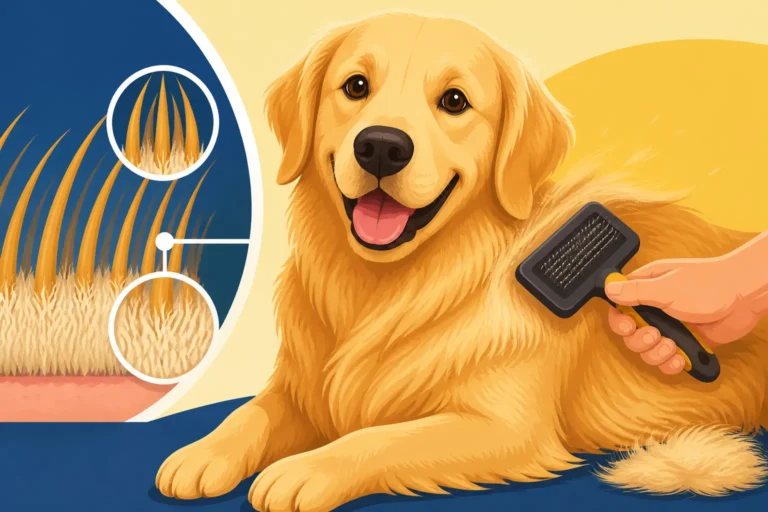
You can't just dive in with scissors or clippers on a matted or tangled coat; it will be messy, frustrating, and potentially painful. Proper preparation is key, and that means brushing and combing. For a Golden Retriever's glorious coat, you'll want a good slicker brush and a metal comb.
The slicker brush is excellent for working through the longer feathering on the ears and the top of the paws, gently removing loose hair and small tangles. Use short, soft strokes, always brushing in the direction of hair growth. If you hit a snag, don't pull! Instead, use your fingers to gently tease it apart, or use a detangling spray designed for dogs. Once you've gone over the area with the slicker brush, follow up with a metal comb. A comb with both wide and fine teeth is ideal. The wide-toothed side can help you find any remaining tangles, while the fine-toothed side is perfect for ensuring the hair is smooth and ready for trimming. This step is non-negotiable, as it ensures you're cutting clean hair, not tangled clumps, which leads to a much neater and safer trim. Plus, many Goldens absolutely adore a good brush-out, turning grooming time into bonding time. Remember, even if you are just focusing on feet and ears, a full body brush-out regularly will help manage the inevitable Golden Retriever Shedding and How to Manage It.
Step-by-Step Guide to Trimming Golden Retriever Feet
Trimming your Golden's feet might seem intimidating at first, especially if your dog is a bit foot-shy. But with patience, the right approach, and a focus on positive reinforcement, you can make it a comfortable, even enjoyable, experience for both of you. The goal isn't just a neat trim; it's also about building trust and making grooming a positive part of their routine.
Getting Your Golden Comfortable and Ready
The first, and arguably most important, step is ensuring your Golden Retriever is relaxed and comfortable. Don't try to do this when they're full of zoomies or have just come in from a high-energy play session. Choose a quiet time when they're naturally calm, perhaps after a good walk or a cuddle session on the couch. You might even want to practice simply holding their paws and massaging their feet for a few days or weeks before you introduce the tools. Offer plenty of praise and high-value treats (like little bits of cooked chicken or a lick mat smeared with peanut butter) during these practice sessions. The more positive associations they have with their feet being handled, the easier the actual trimming will be.
Set up your grooming area on a non-slip surface, like a bath mat on the floor or a grooming table with a rubber mat. Having a helper to gently hold and distract your dog with treats can also be incredibly useful, especially when you're first starting out. Speak in a calm, soothing voice. If your Golden shows any signs of stress – yawning, lip licking, pulling away, or growling – take a break. Push too hard, and you risk making them fear grooming, which will only make future sessions much more difficult. Short, positive sessions are far more effective than one long, stressful battle. You want your Golden to associate grooming with good things, so be generous with praise and tasty rewards. Best Treats for Training a Golden Retriever can definitely come in handy here.
Trimming the Top of the Paw and Between the Pads
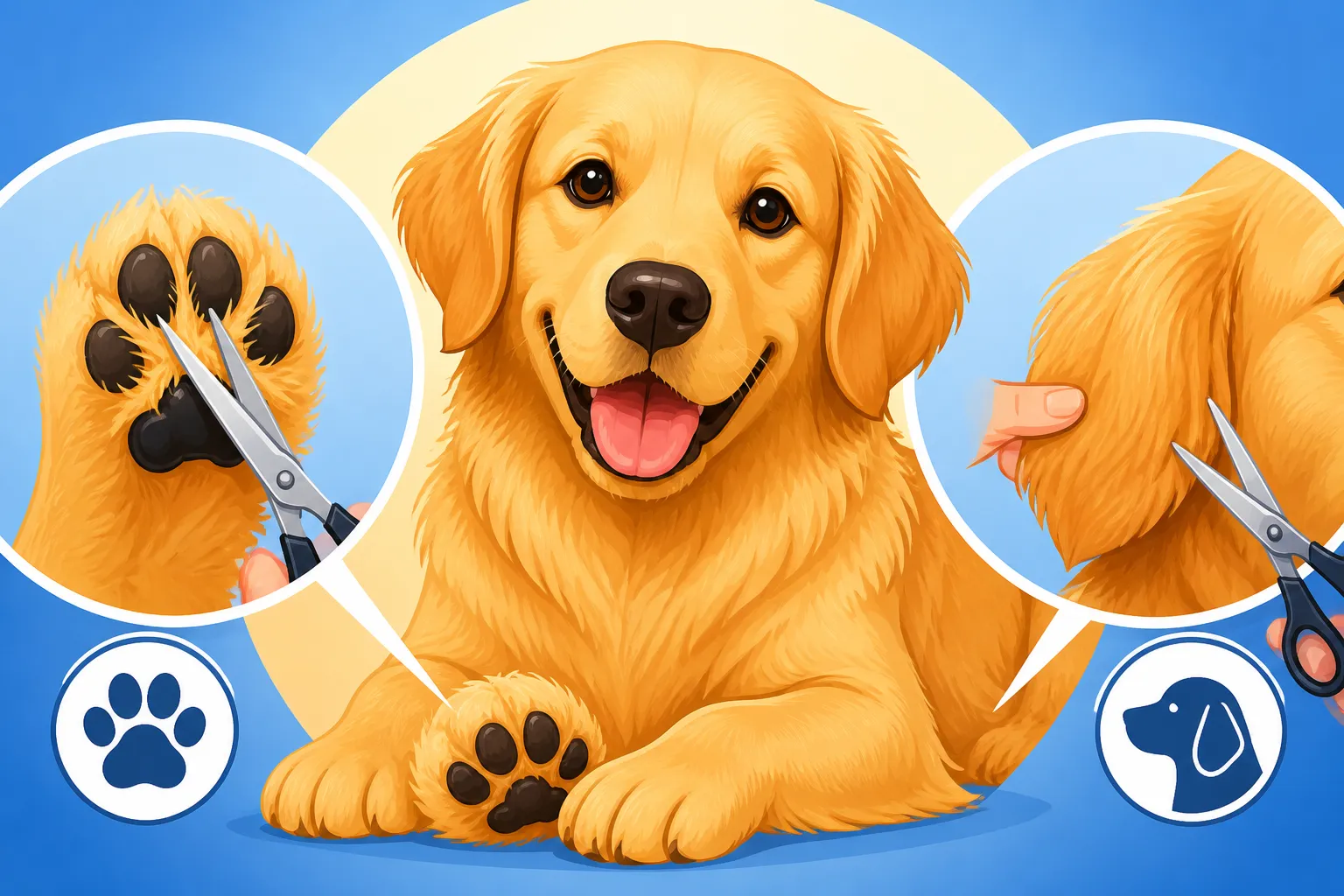
Now for the actual trimming! For the top of the paw, you want to create a neat, rounded "cat foot" appearance. Start by brushing the hair on the top of the paw forward, over their toes. Using your blunt-tip scissors, carefully trim the hair that extends beyond the natural outline of their paw, following the curve of the toes. You're aiming for a tidy, defined shape, not a drastic cut. Think of it as shaping, not chopping.
Next, you'll tackle the hair between the paw pads. This is the area where moisture and debris love to hide. Gently hold your Golden's paw, splaying the toes slightly to expose the hair. With your blunt-tip scissors, or small clippers (with a #10 or #15 blade if you're using them), carefully trim the hair that sticks out from between the pads. Work slowly and methodically. Always point the tip of the scissors away from the pad, or use clippers flat against the pad, being extra vigilant not to cut the skin. The skin between the pads is very thin and delicate, and nicks here can be quite painful and prone to infection. You don't need to get down to the skin, but you do want to remove enough hair so that it's flush with the pads and no longer creating a shaggy "mop" between their toes. After trimming, check for any lingering loose hairs and brush them away. This process might take a few sessions to get just right, so be patient with yourself and your dog. Remember, a little bit at a time is always better than trying to do it all at once.
| Area of Paw | Tool Recommendation | Trimming Goal | Important Note |
|---|---|---|---|
| Top of Paw | Blunt-tip scissors | "Cat foot" rounded appearance | Follow natural paw outline; avoid drastic cuts. |
| Between Paw Pads | Blunt-tip scissors OR small clippers (e.g., Wahl, Andis) | Hair flush with pads, no "mop" effect | Point scissors away from pads; use clippers flat and cool. |
| Around Outer Edges | Blunt-tip scissors | Clean, defined perimeter | Trim stray hairs for a tidy look. |
Mastering the Art of Ear Trimming
Trimming a Golden Retriever's ears is all about enhancing their natural beauty and promoting good ear health. The goal isn't to remove all the feathering, but to tidy it up, remove straggly bits, and open up the ear canal area slightly for better air circulation. It's a delicate balance between looking elegant and being practical.
Preparing the Ear for Trimming
Just like with the paws, preparation is key for ear trimming. Begin by thoroughly brushing your Golden's ears with a slicker brush, then follow up with a metal comb. Pay close attention to the area behind the ear flap, where mats often form. These can be really stubborn, so work through them gently, using a detangling spray if needed. You need to ensure the hair is clean, dry, and completely free of tangles before you even think about picking up your scissors. Cutting through matted hair is not only difficult and yields poor results, but it can also pull painfully on your dog's skin. If your Golden is due for a bath, it's a good idea to do that first, allowing their coat to dry completely. A clean coat makes for much easier and more accurate trimming.
Once the ears are brushed and tangle-free, position your Golden in a comfortable, well-lit area. Again, treats and praise are your best friends here. Have them sit or lie down, and gently hold the ear flap. Talk to them soothingly and make sure they're feeling secure. Remember that some Goldens are more sensitive about their ears than others, especially if they've had ear infections in the past, so proceed with extra care and understanding. A quick tip is to have everything laid out and ready before you start, minimizing any fumbling that might make your dog nervous.
Shaping the Feathering and Outer Edges
Now for the trimming technique. You'll primarily be using your blunt-tip grooming scissors. The goal is to create a clean, well-defined shape without making the ears look "chopped."
- Tidying the Outer Edge of the Ear Flap: Hold the ear flap flat and use your fingers to gently guide the hair. Trim any long, wispy hairs that extend beyond the natural edge of the leather (the actual ear tissue). You're essentially following the outline of the ear, cleaning up the stray strands. Don't cut into the leather itself, just the hair.
- Shaping the Feathering: Golden Retrievers have beautiful feathering on the undersides of their ears. To trim this, comb the feathering downwards. Then, using your scissors, "thin" out the bulk and shorten any excessively long strands. You want to maintain the natural flow of the feathering, so avoid cutting a harsh, straight line. Instead, use a technique called "blending" or "point cutting" if you're comfortable. This involves holding the scissors almost parallel to the hair and snipping into the ends, creating a softer, more natural finish. If you're new to this, it's safer to err on the side of caution and just trim a small amount at a time, taking off only the very tips of the longest hairs.
- Clearing the Ear Canal Area: This is where you need to be particularly careful. The goal is to trim the hair around the opening of the ear canal, not inside it, to improve airflow. Gently hold the ear flap open and identify the very entrance to the ear canal. Use your blunt-tip scissors to carefully trim any long hair that is clearly obstructing this opening. Again, point the scissors away from the canal and skin. You're not trying to create a bald spot, just a clear path for air. A small, fine-toothed comb can help you gather these longer hairs before you snip. After you've trimmed, gently clean the outer ear with a vet-approved ear cleaner to remove any loose hair and debris. This entire process, when done correctly, will make a huge difference in preventing those bothersome ear issues. Remember, your Golden's well-being is the top priority, and a little patience goes a long way.
Common Mistakes and How to Avoid Them
Even with the best intentions, it's easy to make mistakes when grooming your Golden Retriever at home. Many owners feel nervous about cutting their dog, or unsure about how much hair to remove. But honestly, even seasoned professionals have had an oops moment or two. The key is to be aware of the pitfalls so you can avoid them, ensuring a safe and positive experience for your furry friend.
Avoiding Nicks and Cuts
This is perhaps the biggest fear for anyone trimming their dog's hair, and for good reason. A nick or cut can be painful, lead to infection, and make your dog wary of future grooming sessions. The most common cause of nicks and cuts, especially around the paw pads and ears, is rushing or using inappropriate tools.
Firstly, never use sharp-tipped scissors for areas like between paw pads or around the ear canal. Always opt for blunt-tip grooming scissors specifically designed for pets. Secondly, always keep your non-cutting hand between the blade and the skin as a barrier whenever possible, especially when working with scissors. For instance, when trimming between the paw pads, gently push the pad down with your thumb to create a flat surface and ensure the hair is what you're cutting, not the skin. When using clippers, keep the blade flat against the skin, never angled, and be mindful of skin folds. Some Goldens, especially older ones, might have thin, delicate skin that wrinkles easily. If your dog is squirming, stop immediately. It's better to take a break and resume later than to risk injury. Use treats, praise, and a calm demeanor to reinforce good behavior. If you do accidentally nick them, don't panic. Apply direct pressure with a clean cloth, and use styptic powder (which should always be in your grooming kit!) to stop the bleeding. Small nicks usually heal quickly, but keep an eye on them for any signs of infection. Knowing What to Do If a Golden Retriever Eats Chocolate is important, but so is knowing what to do for a grooming mishap!
Not Overdoing It: Less Is More
It's tempting to want to give your Golden a perfectly sculpted, showroom-ready trim, especially when you're just starting out. However, a common mistake is over-trimming, particularly on the ears and feet. Goldens aren't meant to have bald patches or starkly cut lines; their beauty lies in their natural, flowing coat.
Over-trimming can lead to an unnatural appearance and, in some cases, can even affect the way their coat grows back. For example, shaving down the feathering on the ears too short can make it look stiff or uneven as it grows out. Similarly, cutting the hair on the feet too aggressively can expose delicate skin to the elements, potentially leading to irritation. Remember the Golden Retriever standard; they should look natural. When in doubt, always take off less than you think you need. You can always trim more later, but you can't put hair back once it's cut. Step back frequently to assess your work, and aim for a natural, blended look rather than sharp edges. If you're unsure about a particular section, consider watching some reputable grooming tutorials online, or even asking a professional groomer to show you their technique during your dog's next visit. They can often provide invaluable tips tailored to your specific dog's coat type. Grooming a Golden Retriever at Home to Save Money is possible, but patience and a light hand are key.
Maintaining a Regular Grooming Schedule
Grooming your Golden Retriever isn't a one-and-done event; it's an ongoing commitment, much like their feeding schedule or daily walks. Establishing a regular routine for trimming their feet and ears is crucial for their long-term health and comfort. Consistency is your best friend when it comes to keeping those feathery parts neat and tidy.
How Often Should You Trim?
The frequency of trimming depends on several factors: your Golden's individual hair growth rate, their lifestyle, and your personal preference for how neat you want them to look. Generally, most Golden Retrievers benefit from a feet and ear trim every 4-6 weeks.
If your Golden spends a lot of time outdoors, especially in muddy or wooded areas, you might find yourself needing to tidy up their paws more frequently, perhaps every 2-3 weeks, just to prevent debris accumulation and mats. Dogs with particularly dense feathering on their ears might also need more frequent attention to keep them looking pristine and to ensure good airflow. On the other hand, if your Golden is mostly an indoor companion with slower hair growth, you might be able to stretch it to 6-8 weeks. Think about how often you brush a Golden Retriever; this is another aspect of routine care.
It's a good idea to incorporate a quick check of their paws and ears into your regular grooming routine, perhaps weekly. This allows you to spot any developing mats or excessive hair growth early, making a full trim much easier and less time-consuming when it is needed. Keeping on top of it prevents those daunting, time-consuming "rescue missions" to deal with severely overgrown or matted areas. Consistency will also help your Golden get accustomed to the process, making each subsequent trim less stressful for both of you.
Professional Grooming Versus DIY
Deciding whether to tackle ear and paw trims yourself or to rely on a professional groomer is a common dilemma for Golden Retriever owners. Both options have their merits, and often, a combination works best.
DIY Grooming:
The biggest advantage of DIY grooming is cost savings. Regular professional grooming can add up, and learning to do these basic trims at home can significantly reduce your annual expenses. It also allows you to groom your dog in their own comfortable environment, which can be less stressful for some dogs than a noisy grooming salon. Plus, it's a fantastic bonding experience! Brands like Ollie deliver fresh food, showing how much we love our Goldens, and taking on their grooming can be another act of love. However, DIY requires an initial investment in tools, time, and patience to learn the techniques. There's also the risk of mistakes, like nicks, especially when you're first learning.
Professional Grooming:
Professional groomers have the expertise, specialized tools, and often a calm, confident touch that can make grooming a breeze. They can achieve a polished, show-quality look that might be difficult for an amateur to replicate. If your Golden is particularly fearful of grooming, has a history of aggression during grooming, or if you simply don't feel confident with scissors, a professional is definitely the way to go. They can also spot underlying skin or ear issues you might miss. While more expensive, the peace of mind and quality of work can be well worth the cost for many owners.
Many owners find a hybrid approach works well: visiting a professional groomer for a full bath and trim every few months, and then performing maintenance trims on the feet and ears at home in between appointments. This keeps your Golden looking good and prevents issues without breaking the bank. Don't be afraid to ask your groomer for tips or a quick demonstration on how to maintain these areas at home. They're often happy to share their knowledge! Ultimately, whether you DIY or go professional, the most important thing is that your Golden's feet and ears are kept clean, comfortable, and healthy. Regular care can help keep them happy and reduce the chances of needing costly vet visits for issues like Golden Retriever Skin, Ear and Allergy Problems.
Disclaimer
This article is for general informational purposes only and does not constitute professional advice. Laws, prices and regulations vary by location and change over time. Consult a qualified professional for guidance on your specific situation.