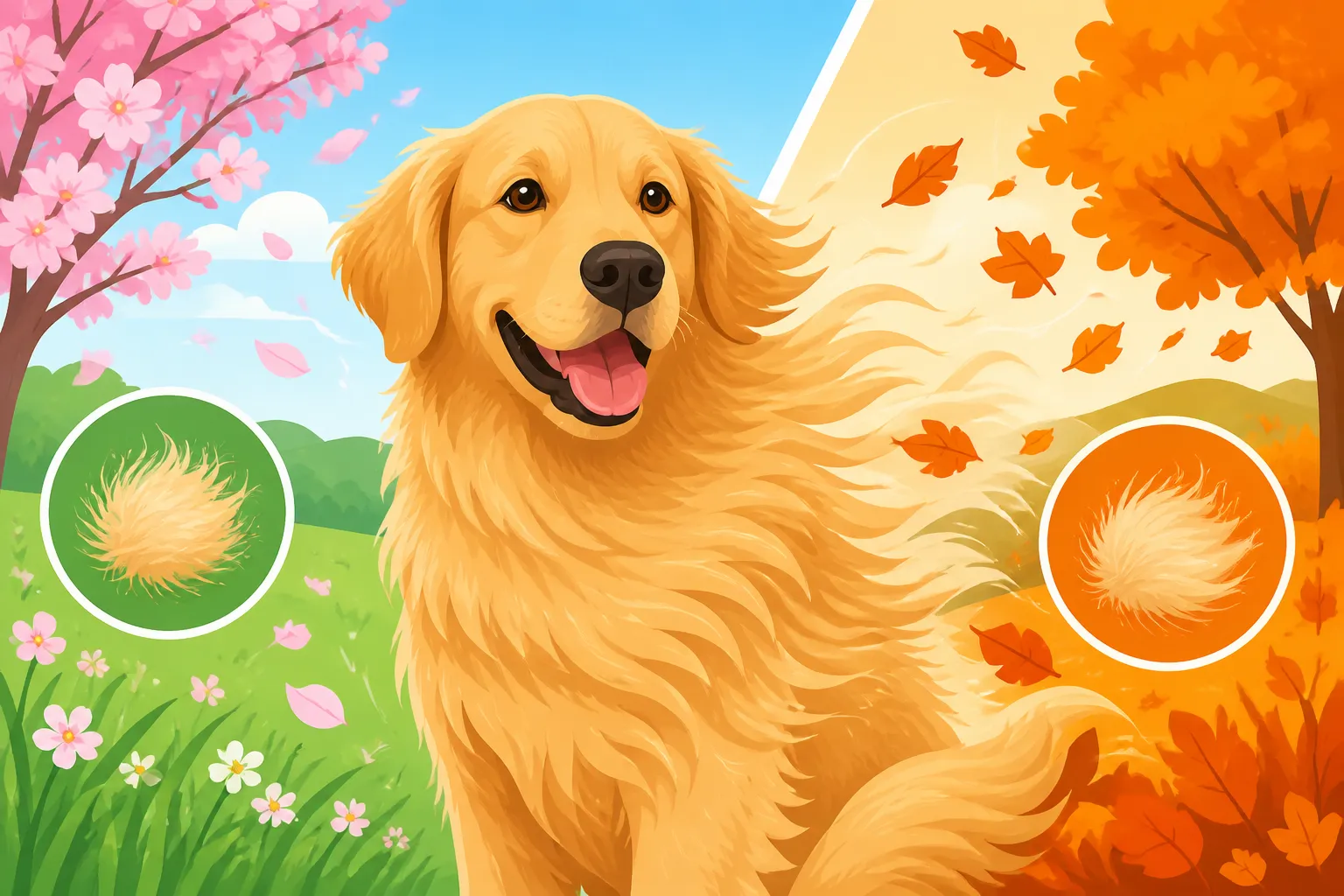
Golden Retriever Coat Blowing in Spring and Fall
If you've ever owned a Golden Retriever, you know that while their beautiful, flowing coats are a huge part of their charm, they also come with a rather infamous downside: shedding. And not just any shedding, but a truly impressive, sometimes overwhelming phenomenon known as "coat blowing" that happens primarily in spring and fall. This guide will walk you through exactly what coat blowing is, why it happens, and how you can manage the seemingly endless cascade of fur to keep both your home and your beloved Golden happy and healthy.
The Marvel of the Golden Retriever's Double Coat
Golden Retrievers are renowned for their glorious, flowing coats, but beneath that beautiful exterior lies a functional marvel: a double coat. This isn't just a fashion statement; it's a critical piece of their anatomy, perfectly designed for the tasks they were originally bred for, like retrieving waterfowl from icy waters. Understanding this double coat is the first step to truly grasping the epic event of "coat blowing."
Understanding the Golden Retriever's Double Coat
Imagine trying to keep warm and dry while plunging into a cold lake or navigating through thick underbrush. That's what a Golden's coat is built for. It consists of two distinct layers: an outer coat and an undercoat. The outer coat, often called the guard hairs, is made up of longer, somewhat coarser hair that is water-repellent and resistant to dirt and burrs. These hairs are what give the Golden Retriever their characteristic shine and protect them from the elements. They lay relatively flat, flowing smoothly down the body, and are typically what you see.
Beneath this protective outer layer lies the undercoat, a dense, soft, and much finer layer of fur. This undercoat acts as insulation, trapping air close to the dog's body to keep them warm in winter and actually helping to keep them cool by creating a thermal barrier in summer. It's truly a marvel of natural engineering! The undercoat is what primarily "blows out" during seasonal changes. When you see tufts of soft, downy fur floating around your house or sticking to your clothes, that's generally the undercoat making its grand exit.
The Annual Cycle: More Than Just Shedding
Every dog sheds to some degree, as old hair makes way for new. However, for double-coated breeds like the Golden Retriever, shedding isn't just a continuous, low-level affair. It's punctuated by distinct, more intense periods known as "coat blows." Think of it less as simply hair falling out and more as a complete seasonal overhaul of their insulation system. It's a natural, healthy process, but it can be a shock to first-time Golden owners who might not be prepared for the sheer volume of fur that can be released.
These periods are more about shedding the entire undercoat to adapt to upcoming weather extremes, rather than just routine hair turnover. It’s an evolutionary adaptation that ensures they are always perfectly insulated, whether facing a frosty winter or a scorching summer. While it might feel like a never-ending battle with fur, it’s a sign that your Golden Retriever’s coat is functioning exactly as nature intended, adapting beautifully to the changing seasons around them. It's something that truly sets them apart from single-coated breeds. You can learn more about the specifics of their coat in The AKC Golden Retriever Breed Standard.
Why Do Golden Retrievers 'Blow Their Coat'?
The phenomenon of a Golden Retriever blowing their coat isn't random; it's a sophisticated biological response to environmental cues. Their bodies are remarkably attuned to changes in the natural world, triggering these massive shedding events to ensure they're always equipped for comfort and survival, even when just lounging on your sofa.
Temperature and Light Cues
The primary drivers behind seasonal coat blowing are changes in temperature and, perhaps even more significantly, changes in daylight hours. As the days grow longer in spring, and temperatures begin to rise, your Golden's body registers that the heavy winter undercoat, designed to trap warmth, is no longer needed. It becomes a liability, risking overheating. So, the body signals for those thousands upon thousands of undercoat hairs to loosen and fall out, making way for a lighter, less dense summer coat.
Conversely, as the days shorten in the fall and the crispness returns to the air, the internal thermostat flips again. The body recognizes that winter is coming, and it needs to generate a thicker, warmer layer of insulation. The summer undercoat, which is thinner, is shed to make room for a new, dense winter undercoat to grow in. This ensures maximum warmth and protection when the snow flies. It's a testament to their wild ancestors' need to adapt, even if our modern Goldens spend most of their time indoors. This natural cycle means you can almost set your calendar by the fur avalanches.
Hormonal Influence on Shedding
Beyond environmental factors, hormones also play a significant, if less obvious, role in a Golden Retriever's shedding patterns. Thyroid hormones, in particular, are crucial for maintaining healthy skin and coat. An imbalance in thyroid function, such as hypothyroidism, can lead to abnormal shedding, hair thinning, or a dull coat that isn't shedding properly. This isn't usually tied to the seasonal blowouts but can certainly impact the overall quality and quantity of hair loss. If you suspect something is off with your Golden's coat beyond normal seasonal shedding, a vet visit to check their thyroid levels is always a good idea. You can read more about Hypothyroidism in Golden Retrievers.
Additionally, reproductive hormones can influence shedding. Intact female Golden Retrievers, for instance, often experience a significant coat blow after their heat cycle or after whelping a litter of puppies, a phenomenon known as "post-parturition shedding." The hormonal shifts are dramatic, and the body prioritizes recovery, often resulting in a temporary but noticeable increase in hair loss. Spaying or neutering can also subtly alter a dog's coat texture and shedding patterns over time, though the primary seasonal blowing will still occur.
The Shedding Cycle: Spring Versus Fall
While both spring and fall bring about significant coat blows, there are subtle differences in their intensity, duration, and even the type of hair you'll be sweeping up. Understanding these nuances can help you anticipate and better prepare for the seasonal fur storms.
Spring Shed: The Winter Coat Meltdown
The spring shed is often the most dramatic and, frankly, the most overwhelming for Golden Retriever owners. It usually kicks into high gear as the weather warms consistently, often around late March or April, and can last for several weeks, sometimes even into early summer. During this period, your Golden is essentially ditching their entire dense winter undercoat. This heavy, fluffy insulation, which kept them cozy through colder months, is no longer needed as temperatures rise, and their body signals it's time for it to go.
The volume of hair released during the spring shed can be astonishing. You might find yourself brushing out literal handfuls of soft, downy fur, and it will seem to accumulate everywhere – on furniture, carpets, and clothing. This shed is critical because if the old winter coat isn't adequately removed, it can trap heat against your dog's skin, leading to overheating, discomfort, and potentially skin issues like Golden Retriever Hot Spots and What Causes Them. Regular, thorough grooming is paramount during this time to help them ventilate and make way for their lighter summer coat.
Fall Shed: Making Way for Warmth
The fall shed, while still substantial, is often perceived as slightly less intense than the spring purge, although the amount of fur still makes its presence known. This shedding period typically begins as the days shorten and the temperatures cool, usually starting in September or October. During this time, your Golden is shedding their thinner summer undercoat to make room for the new, denser, insulating winter undercoat to grow in.
While you'll still be contending with plenty of fur, the hairs shed in the fall might feel a little different – perhaps less voluminous in individual clumps, but still constantly falling. The goal now is to remove the old, less effective summer coat to allow the new, thick winter coat to come through and provide optimal insulation for the colder months ahead. Regular grooming in the fall is just as important as in the spring to help facilitate this transition and keep their skin healthy. It's about proactive preparation for the winter chill, ensuring your Golden stays warm and comfortable.
Duration and Intensity Differences
The duration and intensity of each coat blow can vary based on several factors, including your Golden's individual genetics, their age, their overall health, and whether they spend more time indoors or outdoors. A Golden who spends a lot of time outside, exposed to natural light cycles and temperature fluctuations, might have a more pronounced and predictable seasonal shed. Indoor dogs, whose environment is more controlled, might still shed seasonally but perhaps with slightly less dramatic swings, or they might shed a moderate amount more consistently year-round, as their bodies are less acutely responsive to extreme seasonal shifts.
Generally, each major coat blow can last anywhere from 3-6 weeks, sometimes longer. The peak intensity might only be for a week or two, but the cumulative effect can feel endless. Younger Goldens might have less dramatic sheds than older ones, and those with underlying health conditions, like allergies or skin issues, might experience more complicated shedding patterns. Understanding that this is a natural, albeit messy, part of owning a Golden Retriever helps manage expectations and makes the process a bit less frustrating. You can also explore How Much a Golden Retriever Sheds Year Round for more detailed insights into their continuous shedding.
Managing the Monumental Shed: Practical Strategies
Dealing with a Golden Retriever blowing their coat can feel like a full-time job, but with the right strategies and tools, you can significantly reduce the amount of loose fur around your home and keep your Golden comfortable.
Daily Brushing: Your First Line of Defense
When your Golden is blowing their coat, daily brushing isn't just recommended; it's practically mandatory. Consistent brushing helps to remove the loose undercoat hairs before they have a chance to settle on your furniture and floors. For a double-coated breed like a Golden, you'll need specific tools to effectively reach and remove the undercoat.
An undercoat rake is an absolute game-changer. These tools are designed with long, sturdy teeth that penetrate the outer guard hairs to gently pull out the loose, dead undercoat without damaging the topcoat. Another essential tool is a slicker brush, which is excellent for detangling the outer coat and removing any smaller loose hairs. A de-shedding tool can also be incredibly effective, but it's important to use it sparingly and correctly, as overdoing it can irritate the skin or damage the coat.
Start your brushing sessions from the neck and work your way down, using long, even strokes. Pay particular attention to areas where the undercoat is thickest, like the ruff, hindquarters, and tail "feathering." Many Golden owners find it helpful to brush their dog outside during peak shedding times to contain the fur. Consider purchasing a good quality undercoat rake, which you can often find on sites like Chewy or Amazon, where a wide selection of grooming tools are available. Consistent daily effort will make a noticeable difference, not only in the amount of fur around your house but also in your dog's comfort. For more detailed instructions, see Undercoat Rakes and Deshedding a Golden and Brushing a Golden Retriever's Coat Properly.
Bathing for Shed Control
While daily brushing is paramount, a well-timed bath can also be a secret weapon in managing a coat blow. The warm water and shampoo help to loosen dead undercoat hairs, making them easier to remove. However, it's crucial to do this correctly to avoid skin irritation or coat damage.
During a coat blow, aim for a bath every 2-4 weeks, depending on your dog's skin and activity level. Use a good quality deshedding shampoo and conditioner, specifically formulated to help release loose hair. Lather thoroughly, ensuring the shampoo reaches the skin, and let it sit for a few minutes as per product instructions. The real key, though, is the rinse and dry. Rinse meticulously to ensure no shampoo residue is left behind, as this can irritate the skin and dull the coat.
After rinsing, the drying process is where you can make a huge impact on shedding. Use a powerful dog dryer (a "force dryer") if you have access to one, or even a high-powered human hairdryer on a cool setting. The force of the air helps to blow out a significant amount of loose undercoat while drying the coat thoroughly. Brush your dog while drying to further remove loose hair. If you don't have a force dryer, several towels and ample time for air drying with continuous brushing will be necessary. Just ensure they are completely dry to prevent skin issues. Bathing a Golden Retriever offers more insights into proper bathing techniques.
Dietary Support for a Healthy Coat
What goes into your Golden Retriever's body directly impacts the health and quality of their coat. A well-nourished dog will generally have a healthier coat, which can shed more efficiently and potentially with less overall volume, though it won't eliminate seasonal blowing entirely.
Look for high-quality dog foods that list a named meat source (like "chicken meal" or "salmon") as the first ingredient. These foods provide the essential proteins needed for strong, healthy hair growth. Additionally, essential fatty acids, particularly Omega-3s and Omega-6s, are crucial for skin and coat health. Many premium dog foods include these, but you might also consider a supplement like fish oil, which can improve coat luster and reduce dry skin, potentially leading to less breakage and more efficient shedding. Brands like Ollie often focus on fresh, whole ingredients which can contribute significantly to overall coat health.
While diet won't stop the natural cycle of coat blowing, providing optimal nutrition ensures that the hair growing in is strong, and the shedding process is as healthy as possible. Poor nutrition, conversely, can lead to a dull, brittle coat that sheds excessively and unpredictably, or hair that breaks rather than sheds cleanly. Always consult with your vet before making significant dietary changes or adding supplements, especially if your Golden has any known health conditions. Understanding Choosing Dog Food for a Golden Retriever and Reading a Dog Food Label for a Golden Retriever can help you make informed decisions.
Dealing with the Aftermath: Keeping Your Home Sane
After you’ve done all you can with grooming, the reality is, a Golden Retriever blowing their coat means fur will still find its way into every nook and cranny of your home. It’s a challenge, but with some clever strategies, you can keep your living space from looking like a fur factory.
Vacuuming and Furniture Protection
Your vacuum cleaner is about to become your best friend, if it isn't already. During peak shedding season, you’ll likely need to vacuum daily, or at least every other day, to stay on top of the fur accumulation. Not all vacuums are created equal when it comes to pet hair, so investing in a model specifically designed for pet hair can make a world of difference. Look for vacuums with strong suction, good filtration (like HEPA filters to trap dander), and specialized attachments for upholstery. You can find excellent options on Amazon or at major appliance retailers.
For furniture, prevention is key. Consider using washable slipcovers or throws on your couches and chairs, especially those spots your Golden loves to claim. These can be easily removed, shaken out, and tossed in the washing machine. Lint rollers will become a staple for quick clean-ups on clothing and fabric surfaces before you head out the door. Don't underestimate the power of a damp rubber glove or squeegee for pulling hair off carpeted stairs or upholstered items; the static cling really grabs the fur.
Air Quality and Pet Hair Control
Beyond surfaces, pet hair and dander can become airborne, contributing to dust and potentially exacerbating allergies for sensitive family members. Improving your home's air quality is an important aspect of managing the aftermath of a coat blow.
Regularly changing your HVAC system's air filters to high-efficiency pleated filters (MERV 11 or higher) can trap a significant amount of airborne pet hair and dander. Consider running a portable air purifier in the rooms where your Golden spends the most time. These devices can filter out microscopic particles, including dander, which is often the primary allergen, helping to keep the air cleaner and fresher. Additionally, simply opening windows for a short period each day, weather permitting, can help circulate fresh air and clear out some of the suspended fur. While you can't eliminate every strand, these combined efforts can greatly reduce the overall impact of seasonal shedding on your home environment.
When Is Shedding Not Normal?
While Golden Retrievers are notorious for their shedding, there's a difference between normal, albeit heavy, coat blowing and shedding that signals an underlying health issue. Knowing when to be concerned is crucial for your dog's well-being.
Excessive or Patchy Hair Loss
If your Golden Retriever is losing hair in patches, or if the shedding seems disproportionate to a typical seasonal blow (e.g., bald spots appearing), it's a red flag. Normal shedding involves a uniform thinning of the undercoat, not distinct bald areas. Patchy hair loss can indicate a variety of problems, including parasitic infestations (like fleas, mites, or ringworm), fungal infections, bacterial skin infections, or even autoimmune diseases.
Also, pay attention to the texture of the remaining hair. If it appears brittle, dry, or unusually sparse outside of a normal shedding phase, it might be a sign that something is amiss internally. A sudden, dramatic increase in shedding that doesn't align with spring or fall, or a continuous, heavy shed that lasts for months on end, also warrants veterinary attention. Don't just assume it's "just shedding"; Goldens do shed a lot, but they shouldn't be losing fur to the point of visible skin in areas.
Associated Skin Issues and Discomfort
Beyond the hair loss itself, always observe your Golden's skin for any accompanying symptoms. If you notice redness, inflammation, flakiness, scabs, pimples, or a greasy or oily feel to the skin, these are clear indicators of a problem. Excessive scratching, licking, or biting at specific areas is also a major sign of discomfort, potentially due to allergies, parasites, or infections.
A healthy shedding process should not cause your dog discomfort. If your Golden seems unusually itchy, restless, or their skin looks irritated, it's time for a vet visit. These signs, especially when combined with abnormal hair loss, suggest an underlying issue that needs professional diagnosis and treatment. Early intervention can prevent minor problems from escalating into more serious conditions. Conditions like Golden Retriever Skin, Ear and Allergy Problems are common and often manifest with shedding abnormalities and skin irritation.
Remember, a Golden Retriever's coat is a window into their overall health. While seasonal coat blowing is a normal, albeit furry, part of life with this wonderful breed, any deviation from their typical shedding pattern or the presence of skin issues should always prompt a call to your veterinarian.
| Shedding Characteristic | Normal Seasonal Coat Blow | Concerning Shedding |
|---|---|---|
| Timing | Predictable spring/fall | Unpredictable, year-round, or prolonged |
| Hair Loss Pattern | Even thinning of undercoat | Patchy, bald spots, or localized |
| Skin Appearance | Healthy, clear skin | Redness, irritation, flakiness, scabs |
| Hair Texture | Healthy undercoat shed | Brittle, dull, sparse topcoat |
| Dog's Behavior | No excessive scratching/licking | Persistent scratching, licking, biting |
| Associated Symptoms | None | Odor, pain, lethargy, loss of appetite |
| Volume | Very high, especially undercoat | Excessive and consistent, or very little |
Navigating the Furry Seasons with Grace
Living with a Golden Retriever means embracing the fur. It's a testament to their beautiful coats and their natural adaptation to the world. While the sheer volume of hair during spring and fall coat blows can be a challenge, it's a completely normal and healthy part of their life cycle. By understanding why it happens and implementing proactive grooming and cleaning strategies, you can navigate these furry seasons with greater ease and less stress.
Remember, patience and consistency are your best friends. Daily brushing, strategic bathing, and a good diet are not just about keeping your home cleaner; they're essential for your Golden's comfort and skin health. Tools and products found on Chewy or Amazon can certainly aid in this endeavor. And always, always keep an eye out for signs that shedding might be more than just seasonal, as your vet is the best resource for any health concerns. Embrace the gold dust, enjoy those wonderful cuddles, and know that every stray hair is just a reminder of the loving, magnificent companion you have by your side. What a Golden Retriever Costs Every Year After definitely includes a budget for grooming tools!
Disclaimer
This article is for general informational purposes only and does not constitute professional advice. Laws, prices and regulations vary by location and change over time. Consult a qualified professional for guidance on your specific situation.