Foods That Are Dangerous for Golden Retrievers
It’s a common scenario: you’re enjoying a delicious meal, and your sweet Golden Retriever gazes up at you with those irresistible puppy-dog eyes, practically begging for a bite. It’s hard to resist sharing a little piece of your world with them, especially when they seem to enjoy everything so much. But the truth is, many seemingly innocent human foods can be incredibly dangerous, even toxic, to our beloved Goldens, leading to agonizing illness, emergency vet visits, and heartbreaking outcomes. This comprehensive guide is here to walk you through the foods that are strictly off-limits, explain why they pose such a threat, and equip you with the knowledge to safeguard your furry family member from accidental ingestion.
The Obvious Offenders: Truly Toxic Foods You Already Suspect
Some foods are widely known to be bad for dogs, but understanding the specific dangers they pose and where they might be hidden is crucial for every Golden Retriever owner. It’s not just about keeping a chocolate bar off the coffee table; it’s about recognizing every potential risk.
Chocolate, Coffee, and Caffeine Overload
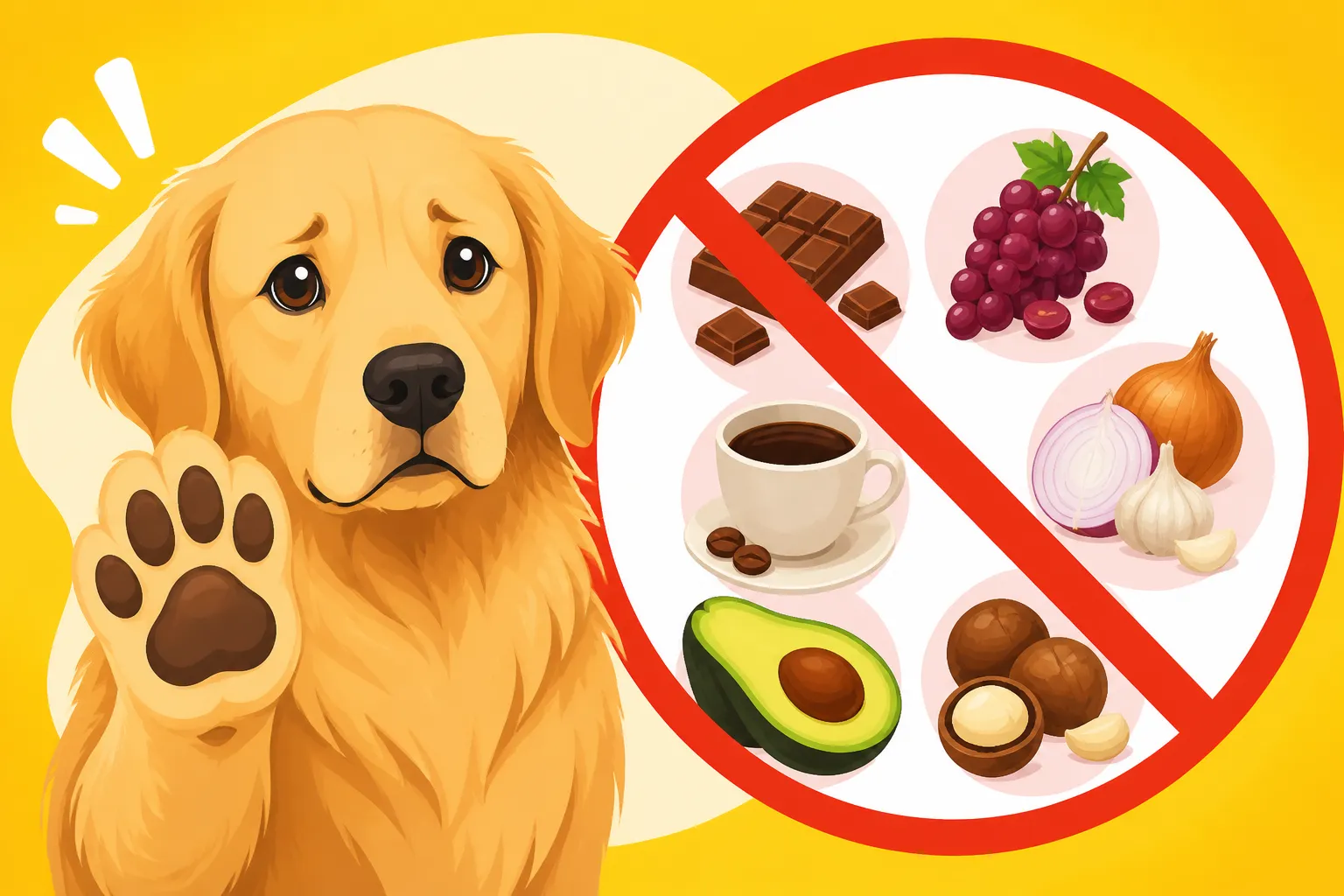
Chocolate is probably the most notorious culprit when it comes to dog toxicology, and for good reason. It contains a stimulant called theobromine, which dogs metabolize much slower than humans do. This means it stays in their system for longer, building up to toxic levels that can overstimulate their nervous system. The darker and more bitter the chocolate, the higher the concentration of theobromine, making baker's chocolate and dark chocolate particularly dangerous. Milk chocolate, while less potent, can still cause significant issues if ingested in large enough quantities, especially for a larger breed like a Golden Retriever.
The symptoms of chocolate poisoning can range from mild gastrointestinal upset like vomiting and diarrhea to more severe neurological effects such as hyperactivity, tremors, seizures, and even death in extreme cases. Caffeine, found in coffee, tea, and energy drinks, is an even more concentrated stimulant than theobromine and poses similar, if not greater, risks. It's not just about the solid chocolate bars either; watch out for cocoa powder, chocolate syrup, chocolate-covered espresso beans, and anything else containing these ingredients. Even seemingly innocuous items like chocolate-flavored protein bars or baking mixes can be dangerous. Always assume any amount of chocolate or caffeine is a potential emergency, and don't hesitate to call your vet.
Imagine little Cooper, a playful two-year-old Golden, who, while you were answering the door, managed to snatch a leftover piece of a dark chocolate brownie off a low-lying table. You didn't think much of it at first, assuming it was a small piece. But within an hour, he was pacing, panting excessively, and then began vomiting. His heart rate was visibly elevated. That frantic rush to the emergency vet, the IV fluids, the activated charcoal – it's a terrifying experience that could have been avoided with better awareness of how quickly even a small amount of concentrated chocolate can affect a larger dog like a Golden.
Xylitol: A Silent Killer in Unexpected Places
Xylitol is perhaps one of the most insidious toxins because it's a sugar substitute that's now found in a bewildering array of products, many of which you might not immediately associate with pet danger. It's commonly used in sugar-free gum, mints, candies, toothpaste, mouthwash, and even some peanut butters, baked goods, and dietary supplements. For humans, it's a safe low-calorie sweetener, but for dogs, it's profoundly toxic. When a dog ingests xylitol, it triggers a rapid and potent release of insulin from their pancreas, leading to a precipitous drop in blood sugar (hypoglycemia). This can happen incredibly quickly, often within 10-60 minutes.
The rapid onset of hypoglycemia can cause disorientation, weakness, staggering, collapse, and seizures. In higher doses, xylitol can also lead to severe liver damage and liver failure, which can be fatal even if the hypoglycemia is successfully managed. Because Goldens are such indiscriminate eaters, often grabbing anything that smells appealing, products containing xylitol are a serious concern. Always read labels carefully, especially for items like peanut butter, which is a common treat for many dogs. Opt for natural peanut butter that contains only peanuts, or look for specific dog-safe versions.
Consider the recent scare with our neighbor's Golden, Daisy. She got into a pack of sugar-free chewing gum that had fallen out of a purse. Luckily, her owner noticed the discarded wrappers almost immediately and rushed her to the vet. The quick action probably saved her life, but the vet explained how dangerously close Daisy was to severe hypoglycemia, and how liver damage was a very real, delayed threat. It's a stark reminder that what's fine for us can be lethal for them. Always check your ingredient lists!
Grapes and Raisins: Small but Mighty Toxins
Grapes and raisins are another mysterious yet highly dangerous food for Golden Retrievers, and dogs in general. The toxic agent within them hasn't been definitively identified, but it's known that even a small amount can cause acute kidney failure in some dogs. This isn't a dose-dependent toxin in the way chocolate is; some dogs can tolerate a few without issue, while others can suffer severe reactions from just one or two grapes or raisins. There's no way to predict which dog will be affected or how severely, so the safest approach is absolute avoidance.
Symptoms of grape and raisin toxicity often begin with vomiting and diarrhea, lethargy, and a decreased appetite within hours of ingestion. Over the next 24-72 hours, signs of kidney failure can develop, including increased thirst and urination, abdominal pain, and ultimately, a complete cessation of urine production. Without aggressive veterinary intervention, kidney failure can be irreversible and fatal. This means keeping all grapes and raisins, and any products containing them (like raisin bread, trail mix, or cookies), completely out of reach.
My friend's Golden, Max, once counter-surfed and snagged a bag of trail mix. Before she realized what he had done, he'd eaten most of it, including a good number of raisins. The immediate panic was real. Fortunately, after an emergency vet visit, induced vomiting, and several days of IV fluids to flush his system and support his kidneys, Max made a full recovery. But the vet emphasized how lucky he was, and how terrifyingly close he came to permanent kidney damage. It's a risk no Golden owner should ever take.
Kitchen Staples That Pose a Hidden Danger
Beyond the well-known toxic foods, many everyday kitchen items that humans consume regularly can be surprisingly harmful to our canine companions. These are often ingredients we use in cooking without a second thought, but they demand vigilance when you have a curious Golden Retriever underfoot.
Onions, Garlic, Leeks, and Chives: The Allium Family
All members of the Allium family – onions, garlic, leeks, and chives – contain compounds that can be toxic to dogs, specifically thiosulphates. These compounds can damage a dog's red blood cells, leading to a condition called hemolytic anemia. This means their red blood cells are destroyed faster than they can be produced, hindering their ability to carry oxygen throughout the body. While garlic and onions are often considered the most potent, all members of this family should be avoided. The toxicity can occur whether the food is raw, cooked, dried, or powdered.
Symptoms of allium poisoning may not appear immediately; they can sometimes take several days to manifest as the red blood cells are progressively damaged. Watch for lethargy, weakness, pale gums, increased heart rate and respiratory rate, vomiting, diarrhea, and dark, reddish-brown urine. Even small, repeated ingestions over time can lead to chronic anemia. This means being extremely cautious with table scraps, gravies, baby food (some brands contain onion powder), and any human meal preparation where these ingredients are prevalent.
We once had a scare when my niece, trying to be helpful, shared some of her scrambled eggs with our Golden, Finn. Unbeknownst to her, I'd cooked the eggs with a bit of onion powder for flavor. A few days later, Finn was unusually tired, his gums looked pale, and he wasn't eating his usual gusto. A vet visit revealed early signs of anemia, and after a careful history, we pinpointed the onion powder. It was a stressful few weeks of monitoring, but thankfully, he recovered. It just goes to show how hidden these toxins can be.
Avocado: More Than Just a Healthy Fat for Humans
Avocado is a bit controversial, but it's generally best to err on the side of caution with Golden Retrievers. Avocados contain a fungicidal toxin called persin. While persin is generally considered to be low-risk for dogs, especially in the flesh of the fruit, it can cause vomiting and diarrhea in some individuals. More significantly, the large pit poses a very real and serious choking hazard or can cause an intestinal obstruction if swallowed. A Golden, with their eagerness to swallow things whole, is particularly susceptible to this danger.
Furthermore, the high fat content of avocado can be problematic for some dogs, potentially leading to gastrointestinal upset or even pancreatitis, an inflammation of the pancreas that can be extremely painful and require intensive veterinary care. Given the relatively low nutritional benefit for dogs compared to the potential risks, it's simply safer to keep avocados out of your Golden's diet entirely. If you're looking for healthy fats, there are plenty of canine-specific supplements or omega-rich dog foods that are far safer and specifically formulated for their needs.
My friend's Golden, Gus, is notorious for getting into anything left on the counter. One afternoon, he found a whole avocado that had been left to ripen. While the flesh might have caused mild upset, the real danger was the large pit. Gus, being Gus, swallowed it whole. That led to an emergency trip to the vet where, fortunately, they were able to induce vomiting and retrieve the pit before it caused an obstruction. It was a very close call and a harsh reminder of how quickly curiosity can turn into a serious medical emergency, especially with pits.
Macadamia Nuts and Other Problematic Nuts
Macadamia nuts are highly toxic to dogs, though the exact mechanism of toxicity is not fully understood. Even a small amount can cause a range of symptoms, including weakness, tremors, vomiting, fever, and depression. These symptoms typically appear within 12 hours of ingestion and can last for 24-48 hours. While macadamia nut poisoning is rarely fatal, it can be extremely distressing for your Golden and necessitate a trip to the vet for supportive care.
Other nuts, while not necessarily toxic in the same way as macadamia nuts, still pose significant risks. Pecans, walnuts, and almonds are high in fat, which, like avocado, can lead to pancreatitis or severe digestive upset. Walnuts, especially black walnuts, can also contain molds that produce tremorgenic mycotoxins, which can cause seizures and neurological symptoms. The high fat content in most nuts also means they are calorie-dense and can contribute to weight gain if given regularly, something we really want to avoid for Goldens due to their predisposition to joint issues like Golden Retriever Hip and Elbow Dysplasia Explained.
Beyond toxicity and fat content, all nuts, especially whole ones, present a choking hazard, particularly for a breed as enthusiastic about eating as a Golden. If not choked on, they can also cause intestinal blockages, which require emergency surgery. It's simply not worth the risk. Keep nuts, nut mixes, and baked goods containing nuts out of reach. For safe, healthy treats, consider options available on platforms like Chewy or Amazon that are specifically formulated for dogs.
Fruits, Vegetables, and Pits: What to Watch Out For
While many fruits and vegetables are perfectly safe and even beneficial for your Golden Retriever, there are some specific plant-based items that carry hidden dangers, from choking risks to actual toxins.
Apple Cores and Fruit Pits: Choking Hazards and Cyanide
Apples, in moderation and with proper preparation, can be a healthy, crunchy treat for your Golden. However, the core and seeds are a different story. Apple seeds contain cyanide, a potent toxin. While a few seeds might not be enough to cause immediate severe poisoning, repeated exposure or ingestion of a large number of seeds can lead to a buildup of cyanide in their system. The bigger immediate threat from an apple core, especially for a larger dog like a Golden, is the choking hazard it presents, or the potential for an intestinal obstruction.
Similarly, the pits from other fruits like cherries, peaches, apricots, and plums also contain cyanide. More importantly, these pits are hard, indigestible, and large enough to cause significant digestive problems, including choking or a painful intestinal blockage. Imagine your Golden, eager to gobble down a discarded plum, and the pit lodges itself in their throat or intestine. That’s a terrifying thought. Always remove cores, seeds, and pits before offering any fruit to your Golden. Stick to the fleshy parts of fruits, cut into manageable, bite-sized pieces.
We once had a scare with our previous Golden, Buddy, who found a discarded peach pit in the park. He managed to crack it open and was starting to chew on the inner kernel before we intervened. Our vet later explained that not only was the pit a choking risk, but the kernel itself contained even higher concentrations of cyanide. It was a valuable lesson in constant vigilance, even when outdoors.
Unripe Tomatoes and Potato Plants
Most people are surprised to learn that tomatoes and potatoes, common staples in our diets, can be dangerous for dogs in certain forms. The concern with tomatoes lies in the green parts of the plant – the leaves, stems, and unripe fruit. These contain a substance called solanine, a glycoalkaloid that can be toxic to dogs if ingested in large quantities. Solanine can cause severe gastrointestinal upset, lethargy, weakness, and central nervous system effects. Fully ripened red tomatoes, however, are generally considered safe in moderation, as the solanine concentration is much lower.
The same principle applies to potatoes. The green parts of potato plants, including the stems, leaves, and any green-tinged or sprouting potatoes, also contain solanine. Cooked, plain potatoes (without any butter, salt, or seasonings) are usually fine as an occasional treat. But never feed your Golden raw potatoes or those with green skin or sprouts, as these indicate higher solanine levels. Think about how many backyard gardens grow tomatoes and potatoes – it’s a critical area for Golden owners to be aware of, especially with a dog that loves to "help" with gardening.
My friend, who lives on a farm, learned this the hard way when her Golden, Bella, decided to help herself to some fallen green tomatoes from the vine. Within hours, Bella was vomiting profusely and seemed very disoriented. It was a serious situation that required immediate veterinary care, and it taught her to fence off her garden more securely against curious canine foragers.
Rhubarb and Wild Mushrooms
Rhubarb is a plant often used in human desserts, but its leaves are highly toxic to dogs. They contain oxalic acid, which can cause kidney damage, tremors, and other serious issues. While the stalks are generally less toxic, it's best to avoid feeding any part of the rhubarb plant to your Golden. If you grow rhubarb, ensure your dog cannot access it.
Wild mushrooms are another serious outdoor hazard. While some varieties are harmless, many are highly toxic and can cause severe illness or death. Identifying safe wild mushrooms from dangerous ones is incredibly difficult, even for experienced foragers. Since your Golden Retriever is likely to sniff out and potentially ingest anything interesting they find on a walk or in the yard, it's safest to assume all wild mushrooms are poisonous and prevent your dog from eating them. If your dog eats a wild mushroom, treat it as an emergency and contact your vet immediately. Try to collect a sample of the mushroom (even if it’s just the pieces your dog spit out or vomited) to aid in identification, as this can be crucial for treatment.
During a hike in the woods, our Golden, Sadie, suddenly started chewing on something dark on the forest floor. Before we could react, she had swallowed a piece of what looked like a mushroom. We immediately contacted our vet, who advised us to bring her in for induced vomiting and close monitoring. Luckily, it turned out to be a non-toxic variety, but the fear and the emergency vet bill were very real. It reinforced the importance of keeping a close eye on what they're sniffing and putting in their mouths, especially in natural environments.
The Risky Leftovers: Cooked Bones, Fat, and Seasonings
It’s tempting to share remnants from your plate, especially after a big family meal. But what might seem like a treat to you could be a recipe for disaster for your Golden Retriever.
Cooked Bones: Splinters and Obstructions
This is a classic piece of advice, but it bears repeating: never give your Golden Retriever cooked bones. While raw bones can be a controversial topic, cooked bones are universally dangerous. The cooking process makes bones brittle, causing them to splinter easily into sharp fragments. These fragments can cause devastating damage, including lacerating your Golden's mouth, throat, esophagus, stomach, or intestines. They can also get lodged in the digestive tract, leading to blockages that require emergency surgery.
Symptoms of a bone-related injury can include vomiting, diarrhea (sometimes bloody), straining to defecate, lethargy, pain, or obvious choking. Even small chicken bones can be incredibly problematic. It’s far better to provide safe, veterinary-approved chew toys or treats designed for dental health than to risk a life-threatening injury with cooked bones. This includes leftover turkey carcasses after Thanksgiving or ribs from a barbecue. Make sure these are securely disposed of, preferably in a trash can that your clever Golden cannot access.
We had a terrible incident years ago with our first Golden. A guest, meaning well, snuck him a cooked T-bone steak bone under the table. Later that night, he was distressed, gagging, and eventually started vomiting blood. The vet found several sharp bone fragments tearing at his stomach lining. It was a costly and terrifying emergency surgery, and a stark reminder that even well-meaning actions can have severe consequences. If you want to give your Golden a special treat, there are many safe and delicious options available from retailers like Ollie or Chewy that are designed for canine consumption.
Fatty Scraps and Pan Drippings: Pancreatitis Risk
Those delicious, fatty trimmings from your steak, the crispy skin from your roast chicken, or the rich pan drippings from your Sunday dinner might seem like a high-value treat, but for a Golden Retriever, they can be a recipe for severe digestive upset and a serious condition called pancreatitis. The canine digestive system isn't designed to handle large quantities of rich, fatty foods. When a dog ingests too much fat, it can inflame their pancreas, leading to pancreatitis.
Pancreatitis is an incredibly painful condition where the pancreas becomes inflamed and can start to "digest itself." Symptoms include severe abdominal pain (your dog might hunch their back or resist being touched), repeated vomiting, diarrhea, lethargy, loss of appetite, and fever. It often requires hospitalization, IV fluids, pain medication, and dietary management. Some dogs can even develop chronic pancreatitis after an acute episode. Avoiding fatty table scraps is one of the easiest ways to prevent this painful and potentially life-threatening condition in your Golden.
My good friend's Golden, Bailey, ended up in the emergency vet over a holiday weekend because she'd gotten into the turkey drippings. She developed a severe case of pancreatitis and was hospitalized for several days. The vet explained that even a small amount of concentrated fat, especially when it's not part of their regular diet, can trigger this in sensitive dogs. It was a wake-up call about how careful we need to be, especially around holiday meals.
Salt, Spices, and Other Human Seasonings
Human food is often laden with salt, spices, and other seasonings that are not only unnecessary for your Golden Retriever but can also be harmful. While a tiny pinch of salt isn't likely to cause an issue, excessive salt intake can lead to sodium ion poisoning. Symptoms include vomiting, diarrhea, lethargy, tremors, excessive thirst and urination, and in severe cases, seizures, coma, and even death. This is particularly relevant if your Golden gets into salty snacks like chips, pretzels, or even homemade playdough (which often contains a lot of salt).
Beyond salt, many common spices and herbs can irritate a dog's digestive system or be outright toxic. Garlic powder and onion powder (from the Allium family) are often found in spice blends and pose the same risks as their fresh counterparts. Other spices, like nutmeg, can cause neurological symptoms. Even chili powder or excessive black pepper can cause severe gastrointestinal distress and discomfort. The safest rule of thumb is to avoid feeding any human food that has been seasoned for human consumption. If you want to share a vegetable, offer it plain and unseasoned.
Think about a common backyard barbecue where a Golden Retriever might snatch a dropped hot dog or a piece of grilled chicken. These items, while seemingly harmless, are often heavily seasoned with salt, garlic powder, and other spices. It’s not just the meat; it’s the seasonings that can cause the problem. We learned to be incredibly diligent about cleaning up spills immediately and keeping food contained when we had our Goldens around at gatherings. It prevents a lot of heartache and emergency vet visits.
Fermented and Raw Dangers
Sometimes, the danger isn't just in what's in the food, but how it's prepared or handled. Fermented products and certain raw ingredients carry unique risks for our furry friends.
Alcohol and Yeast Dough
It might seem obvious, but alcohol is absolutely off-limits for Golden Retrievers. Dogs are far more susceptible to the toxic effects of alcohol than humans due to their smaller size and different metabolism. Even small amounts can lead to alcohol poisoning, causing symptoms like vomiting, diarrhea, disorientation, tremors, difficulty breathing, and a dangerous drop in body temperature and blood sugar. In severe cases, alcohol poisoning can result in coma or death. This includes not just alcoholic beverages but also food products containing alcohol, like certain desserts or unbaked yeast dough.
Unbaked yeast dough is a double threat. If ingested, the warm, moist environment of a dog's stomach causes the yeast to ferment rapidly, producing alcohol which can lead to alcohol poisoning. Simultaneously, the dough expands in the stomach, causing bloating, severe pain, and potentially a life-threatening condition called gastric dilatation-volvulus (GDV), commonly known as bloat. Goldens, being deep-cheested dogs, are already at a higher risk for bloat, making yeast dough an especially dangerous substance. Bloat Risk in a Deep-Chested Golden is a serious concern, and raw dough exacerbates this significantly.
Our Golden, Lucy, once managed to grab a piece of raw bread dough that had been left to rise on the counter. We found her retching and her belly was visibly distended and hard. The frantic rush to the emergency vet revealed her stomach was rapidly expanding due to the fermenting yeast. They were able to induce vomiting and she was closely monitored, but it was a terrifying experience that showed us just how quickly a seemingly innocent kitchen item can turn into a critical emergency.
Raw Meat, Eggs, and Fish: Bacterial and Parasitic Threats
While some advocates promote raw diets for dogs, there are significant risks associated with feeding raw meat, eggs, and fish, especially if not handled and prepared correctly. Raw meat and eggs can harbor dangerous bacteria like Salmonella and E. coli, which can cause severe gastrointestinal illness in your Golden Retriever. Symptoms include vomiting, diarrhea (which can be bloody), lethargy, and fever. These bacteria can also be transmitted to humans, posing a public health risk.
Raw fish, particularly certain freshwater species, can contain thiaminase, an enzyme that destroys thiamine (Vitamin B1). Thiamine deficiency can lead to neurological problems. More critically, raw fish can contain parasites, such as tapeworms and flukes, which can cause illness in dogs. While cooking typically destroys these bacteria and parasites, it's a risk to consider for any raw preparation. If you're considering a raw diet, it's crucial to work with a veterinary nutritionist and ensure all ingredients are human-grade and handled with strict hygiene protocols to minimize these risks. For most Golden owners, sticking to high-quality, commercially prepared dog food, available from reputable sources like Ollie or Chewy, is the safest bet.
A friend who tried a raw diet for her Golden, Rocky, found herself dealing with persistent bouts of diarrhea. After several vet visits and tests, it was determined to be a bacterial infection likely stemming from his raw chicken. It was a costly and stressful ordeal that led her to switch back to a carefully selected cooked kibble, realizing that convenience and safety often outweigh perceived benefits without expert guidance. Reading a Dog Food Label for a Golden Retriever becomes even more important when considering any specialized diet.
Protecting Your Golden: Prevention and Emergency Action
Knowing what's dangerous is only half the battle; the other half is actively preventing exposure and knowing what to do if an accident occurs. Your Golden Retriever relies on you to be their advocate and protector.
Golden-Proofing Your Home and Diet
The best defense is a good offense, and that means making your home a safe environment for your curious Golden. Goldens are known for their intelligence and their insatiable desire to "help" themselves to anything that smells interesting, especially during their puppy and adolescent phases. This means proactive Golden-proofing is essential.
Start by storing all potentially dangerous foods in high cabinets, pantries with secure latches, or the refrigerator. Don't leave groceries unattended on the floor or counter, even for a moment. Invest in dog-proof trash cans with secure lids to prevent scavenging. Be mindful of handbags, backpacks, and coat pockets, as these can often contain items like sugar-free gum, medication, or snacks. Educate all family members and guests about what foods are off-limits for your Golden. This includes children, who might innocently try to share their candy or grapes. Teaching them about Human Foods Safe for a Golden Retriever versus dangerous ones is a lifelong lesson.
When it comes to treats, always opt for those specifically formulated for dogs. There are countless safe and delicious options available, from crunchy biscuits to soft chews. When considering new treats, reading the ingredient list is critical. Look for reputable brands available from major pet retailers like Amazon or Chewy that clearly label their ingredients. Remember, even safe human foods should be given in moderation and in appropriate portion sizes, keeping your Golden's overall caloric intake in mind. Treats That Fit a Golden Retriever's Calories can help prevent obesity, which is a major concern for their joints.
What to Do in Case of Accidental Ingestion
Despite your best efforts, accidents can happen. If you suspect your Golden Retriever has ingested a dangerous food, the most important thing is to act quickly and calmly. Do not wait for symptoms to appear, as some toxins have a delayed effect, and early intervention can be crucial.
- Identify the Substance and Amount: Try to determine exactly what your Golden ate and how much. If possible, save any packaging, wrappers, or vomit samples, as these can provide vital clues for your veterinarian.
- Contact Your Veterinarian or Emergency Vet Immediately: Call your regular vet first, even if it's after hours; they usually have an emergency line or referral. If not, contact your local emergency veterinary clinic. There are also national pet poison helplines that can provide immediate guidance, though they typically charge a fee for their services.
- Do NOT Induce Vomiting Unless Directed: Never try to induce vomiting at home without direct instruction from a vet. Some substances can cause more harm coming back up, or your Golden might be in a state where inducing vomiting is dangerous (e.g., if they're already lethargic or having seizures). Your vet will advise you if inducing vomiting is appropriate and how to do it safely.
- Follow Veterinary Instructions: Your vet will guide you on the next steps, which might include bringing your Golden in for examination, induced vomiting, activated charcoal administration (to absorb toxins), IV fluids, or other supportive care. Be prepared for potential Golden Retriever Emergency Vet Bills, as these situations often require immediate and intensive treatment. Having a How Big an Emergency Fund a Golden Retriever Needs is a smart preparation for these unforeseen circumstances.
A proactive approach to pet safety and a swift response in emergencies are vital components of responsible Golden Retriever ownership. By understanding the dangers and taking preventive measures, you can ensure your beloved companion lives a long, healthy, and happy life, free from preventable dietary dangers.
Disclaimer
This article is for general informational purposes only and does not constitute professional advice. Laws, prices and regulations vary by location and change over time. Consult a qualified professional for guidance on your specific situation.