Drying a Golden Retriever’s Ears After Swimming
There's nothing quite like watching your Golden Retriever bound into the water, tail wagging, absolutely in their element. Their love for swimming is legendary, a joy to behold. But for us Golden owners, that post-swim shake often comes with a nagging worry: are their ears truly dry? Those beautiful, floppy ears, so perfect for framing their sweet faces, are also unfortunately designed to trap moisture, creating a prime breeding ground for uncomfortable, often painful, ear infections. It’s a common frustration, and this guide is here to walk you through exactly how to properly dry your Golden's ears after a dip, ensuring their comfort and health.
Understanding Why Golden Retriever Ears Are Vulnerable After Swimming
It’s easy to think a quick shake from your Golden after a swim is enough to dry them out, but their unique ear anatomy tells a different story. The design that makes their ears so endearing also makes them a hotspot for moisture and potential infections. Understanding this vulnerability is the first step in effective preventative care.
The Anatomy of a Golden Retriever's Floppy Ears
Think about the shape of your Golden's ear. It's a heavy, dropped flap of skin that hangs down, covering the ear canal opening. Unlike dogs with prick ears that allow for excellent air circulation, the Golden's ear acts almost like a seal, trapping whatever moisture gets inside. This isn't a design flaw, of course; it's just how they're built, and it's something we, as their guardians, need to be mindful of. The ear canal itself is L-shaped, making it even harder for water to drain out naturally. When water gets trapped in that warm, dark, and often hairy canal, it creates a wonderfully humid environment.
Within this humid environment, yeast and bacteria, which are naturally present on your dog's skin and in their ears, can multiply rapidly. Normally, these microorganisms are kept in check, but with excess moisture, they can quickly overgrow, leading to inflammation, itching, and infection. It's a classic case of too much of a good thing – too much warmth and moisture, and suddenly, a minor inconvenience turns into a full-blown problem that requires veterinary intervention. This is why paying close attention to Ear Infections in Floppy-Eared Goldens is so crucial.
The Environmental Factors That Worsen Ear Issues
Beyond just the structure of the ear, the very activities Golden Retrievers love – swimming in lakes, ponds, or even the family pool – can introduce elements that exacerbate the problem. Natural bodies of water can contain all sorts of bacteria, algae, and even fungal spores. While clean, chlorinated pool water is generally better, prolonged exposure can still dry out the delicate skin in the ear canal, making it more susceptible to irritation and infection once moisture gets trapped.
Think about a hot, humid summer day. Your Golden spends hours retrieving sticks from the pond, then comes home and crashes for a nap. That warm, damp ear flap, combined with the hot weather, creates a perfect incubator for whatever might have entered the ear canal. Even the residual dampness from bathing, if not properly addressed, can lead to issues. It's not just about drying the outer ear; it's about making sure that deep, dark canal is dry and healthy. You'll want to be familiar with Golden Retriever Skin, Ear and Allergy Problems in general, as ear issues are often intertwined with broader skin health.
Step-by-Step Guide to Effectively Drying Your Golden's Ears
Drying your Golden's ears isn't just a quick towel-off. It requires a bit of dedication and the right technique to get that moisture out of the deep ear canal. Making this a routine after every swim can save you a lot of heartache and vet bills.
Gathering Your Essential Ear Drying Supplies
Before your Golden even hits the water, or certainly before the post-swim shake, have your ear-drying toolkit ready. A little preparation goes a long way. Here’s what you’ll need:
- Soft, absorbent towels: Keep one specifically for ears, or a few smaller ones.
- Cotton balls or rounds: These are much better than cotton swabs (Q-tips), which can push debris deeper into the ear canal and potentially damage the eardrum.
- Veterinary-approved ear drying solution: This is key. These solutions often contain ingredients like witch hazel, boric acid, or salicylic acid, which help dry out moisture, acidify the ear canal (making it less hospitable to yeast and bacteria), and sometimes have mild antiseptic properties. Brands like Zymox or Epi-Otic are popular, but always check with your vet for their specific recommendation. You can often find these readily available through online retailers like Chewy or Amazon.
- Treats: Lots of high-value treats! Drying ears isn’t every Golden’s favorite activity, and positive reinforcement is crucial.
- A good light source: Sometimes a headlamp or a bright room helps you see what you’re doing without struggling.
Having these items within reach before you start means you won't be fumbling around while your Golden is trying to escape.
The Gentle Art of Post-Swim Ear Drying
Now for the hands-on part. Remember, gentleness is paramount. Your Golden's ears are sensitive, and a bad experience can make future ear care much harder.
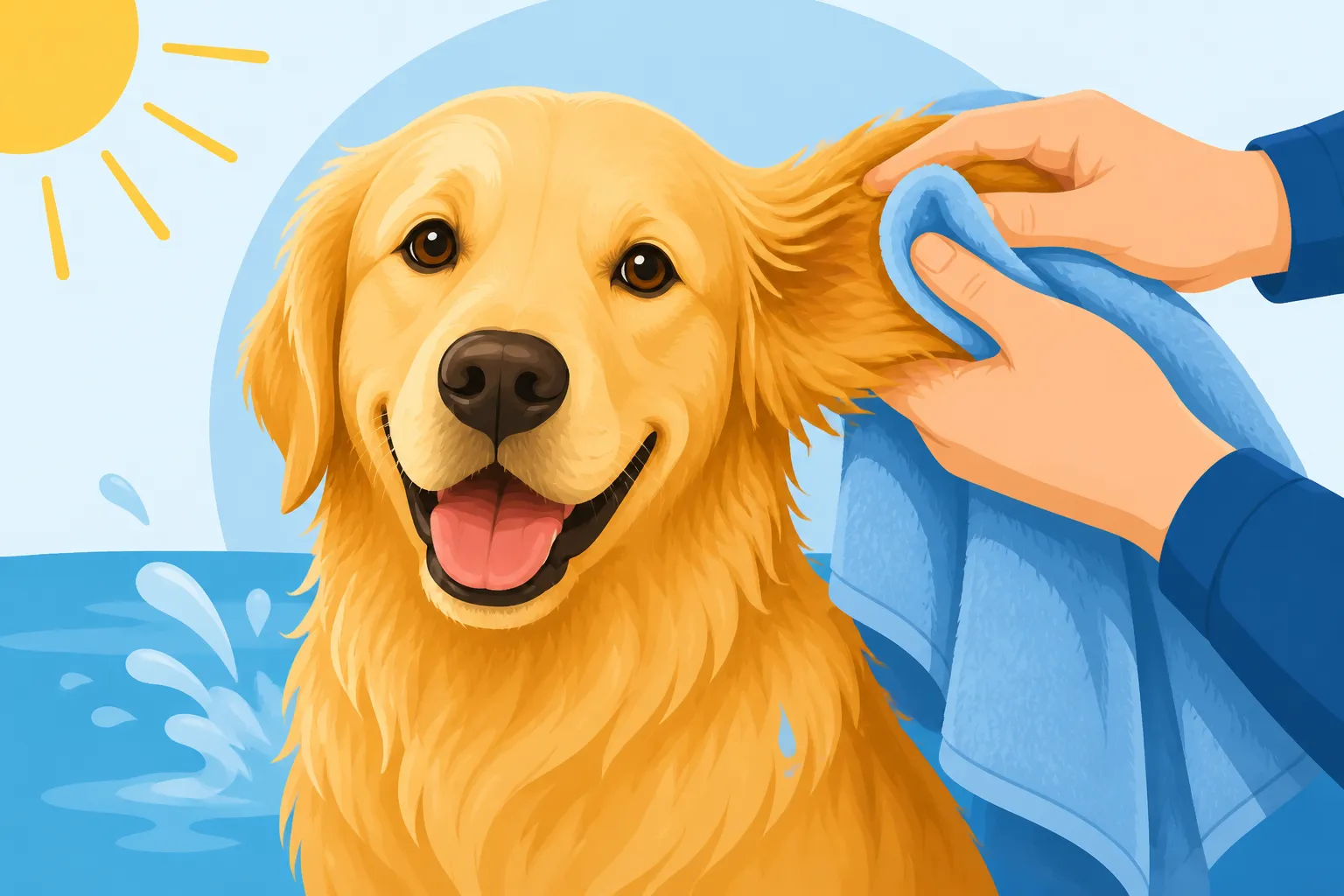
- Initial Towel Dry: As soon as your Golden comes out of the water, gently but thoroughly towel dry the outside of their ears and around the opening of the ear canal. Don't forget to get into those little folds and crevices of the pinna (the floppy part of the ear).
- Apply Ear Drying Solution: This is where the magic happens. Hold your Golden's ear flap up and open the ear canal. Carefully squeeze a generous amount of the ear drying solution directly into the ear canal. You want to fill it enough so that you can see it pooling at the opening. Don't be shy; it needs to get down into that L-shaped canal.
- Massage the Base of the Ear: Once the solution is in, gently massage the base of your Golden's ear for about 20-30 seconds. You should hear a squishy sound as the solution moves around, breaking up water and debris. This massage helps the solution reach all the nooks and crannies.
- Allow Your Golden to Shake: After massaging, stand back and let your Golden shake their head vigorously. This action helps dislodge the solution and any trapped water or debris, bringing it up and out of the ear canal. Be prepared for a spray!
- Wipe Away Excess: With your cotton ball or round, gently wipe away any visible solution, wax, or debris from the outer part of the ear canal and the inside of the ear flap. Remember, only wipe what you can see. Never insert anything deep into the ear canal. The goal is to absorb moisture and clean the visible areas, not to dig deep. For a comprehensive guide on regular ear hygiene, check out Cleaning a Golden Retriever's Ears Correctly.
- Repeat for the Other Ear: Follow the same steps for the second ear.
- Reward, Reward, Reward: Every step of the way, offer praise and those high-value treats. Make it a positive association. If your Golden is a bit resistant at first, try working in short sessions, always ending on a good note with a treat. Maybe distract them with a puzzle toy while they chew on something delicious you grabbed from Amazon.
This entire process, while it sounds involved, only takes a few minutes per ear. It’s a small investment of time that pays off immensely in preventing discomfort and potential veterinary visits.
| Ear Drying Method | Pros | Cons | Best For |
|---|---|---|---|
| Towel Drying | Quick, easy, good for outer ear. | Doesn't reach deep canal. | Immediate post-swim, surface moisture. |
| Ear Drying Solution | Penetrates deep, acidifies, aids drying. | Can be messy, requires cooperation. | All post-swim drying, preventative care. |
| Cotton Balls | Gentle, good for visible wiping. | Cannot go deep, can leave fibers. | Wiping external ear, absorbing surface liquid. |
| Professional Grooming | Thorough, experienced handling. | Cost, not practical after every swim. | Regular deep cleaning, if needed. |
Troubleshooting Common Challenges
Even with the best intentions, your Golden might not be thrilled about having their ears handled. Here are some tips for common issues:
- Resistance: Start slow. Practice touching their ears even when they haven't been swimming, always pairing it with treats and praise. Make it a game. Gradually increase the duration and intensity of handling.
- Excess Hair: Some Goldens have a lot of hair inside their ear flaps and around the canal opening. This can further trap moisture. You can ask your groomer to carefully trim this hair, but never pluck it yourself unless specifically instructed by a vet, as it can cause irritation.
- Recurring Infections: If despite your best efforts, your Golden still gets frequent ear infections, it’s time for a deeper dive with your veterinarian. There might be an underlying issue like allergies (food or environmental), ear mites, or even an anatomical abnormality that requires specific medical intervention. This is where understanding your dog's overall health, including topics like Golden Retriever Food and Skin Allergies, becomes critical.
Proactive Ear Care and Recognizing When to Seek Vet Help
Drying after swimming is a huge step, but comprehensive ear health for your Golden Retriever involves ongoing care and vigilance. Being proactive can prevent minor irritations from escalating into serious problems.
Establishing a Routine Ear Health Check
Beyond just post-swim drying, it's a good idea to incorporate a weekly or bi-weekly ear check into your routine, especially if your Golden is a frequent swimmer or prone to allergies. Simply lift their ear flap and take a good look and sniff. What you're looking for is any deviation from their normal, healthy ear.
A healthy Golden Retriever ear should be:
- Clean: Free of excessive wax or debris. A little light tan wax is normal.
- Odorless: There should be no strong, yeasty, or foul smell.
- Pale Pink: The skin inside the ear should be a healthy pale pink, not red or inflamed.
- Not Itchy or Painful: Your Golden shouldn't be scratching at their ears excessively, shaking their head constantly, or yelping when you touch their ears.
Make this check a positive experience too, with gentle handling and treats. Catching a problem early can make treatment much simpler and less invasive. Don't forget that a general understanding of Golden Retriever Eye Disease and Pigmentary Uveitis also ties into overall head and facial health checks.
Signs of an Impending Ear Infection
Recognizing the early signs of an ear infection is crucial for prompt treatment. Left untreated, ear infections can become chronic, painful, and even lead to hearing damage. Here’s what to look out for:
- Excessive Head Shaking: This is often one of the first and most obvious signs.
- Constant Scratching: Your Golden may use their paws to scratch at their ears or rub their head along furniture or the carpet.
- Redness or Swelling: The inside of the ear flap or the opening of the ear canal may appear red, inflamed, or swollen.
- Discharge: You might notice a dark brown, yellow, or greenish discharge coming from the ear.
- Odor: A distinct, often foul or yeasty smell emanating from the ear.
- Pain or Sensitivity: Your Golden may yelp or pull away when you try to touch their ear.
- Limping or Off-Balance: In severe cases, especially if the infection affects the inner ear, your dog might seem disoriented or have trouble balancing.
- Hair Loss or Scabs: Around the ear from constant scratching.
If you notice any of these symptoms, it's time to call your veterinarian. Don't try to self-diagnose or treat with home remedies without professional advice, as you could worsen the problem or delay proper care. A vet visit for an ear infection can vary in cost, but it's always worth it for your Golden's comfort. Understanding Vet Costs for a Golden Retriever Ear Infection might help you prepare.
When to Seek Professional Veterinary Help
Any time you suspect an ear infection, a vet visit is warranted. They can properly diagnose the type of infection (bacterial, yeast, or both), rule out other issues like foreign bodies (grass awns are notorious for getting lodged in ear canals!), and prescribe the appropriate medication. This might include medicated ear drops, oral antibiotics, or anti-inflammatories.
Your vet might also recommend a deeper cleaning or sedation if the ear is particularly painful or difficult to examine. They can also discuss long-term preventative strategies if your Golden is prone to recurrent infections, such as specific cleaning protocols or dietary changes if allergies are suspected. Remember, proactive care, including regular vet check-ups for Why Goldens Need Vet Visits Twice a Year, is the best way to keep your beloved companion happy and healthy throughout their life, allowing them to enjoy all the swimming and splashing they desire without the painful aftermath.
Disclaimer
This article is for general informational purposes only and does not constitute professional advice. Laws, prices and regulations vary by location and change over time. Consult a qualified professional for guidance on your specific situation.