Cups of Food a Three Month Golden Retriever Needs
Bringing home a three-month-old Golden Retriever puppy is an absolute joy, but it can also bring a whirlwind of questions, especially when it comes to feeding. You want to make sure your fluffy companion is getting exactly what they need to grow into a strong, healthy adult, and figuring out the right "cups" of food can feel like solving a complex math problem. This guide will walk you through understanding your three-month-old Golden's nutritional needs and how to accurately determine their daily food intake.
The Unique Nutritional Demands of a Growing Golden Retriever Puppy
It's completely normal to feel a bit overwhelmed when you first look at a bag of puppy food and try to decipher the feeding guidelines. Your three-month-old Golden Retriever isn't just a small version of an adult dog; they're a rapidly developing creature with very specific dietary requirements. Getting it right now sets the foundation for a lifetime of good health.
Why Puppy Food is a Different Ballgame Entirely
Think about how much your Golden puppy will grow in just the next few months! They're not just gaining weight; their bones are lengthening, their muscles are developing, their organs are maturing, and their brains are still making crucial connections. All this intense development demands a lot of energy and specific building blocks that adult dog food simply doesn't provide in the right balance. Puppy food, particularly large breed puppy food, is formulated with higher levels of protein and fat to fuel this incredible growth spurt. It also contains different ratios of vitamins and minerals crucial for bone development.
However, it's a delicate balance. Too little food, and your puppy could be stunted or lack the energy for play and learning. Too much, and you risk rapid growth that can put undue stress on their developing joints, potentially exacerbating issues like hip and elbow dysplasia later on. This is where the confusion often comes in, because you're trying to hit a moving target. I know many Golden owners who constantly worried if their puppy was getting enough, or perhaps too much, during those first few months. It's a valid concern, and we've all been there, hovering over the food bowl.
The Critical Role of Large Breed Puppy Formulas
When you're looking for puppy food, you'll notice a distinction between "all breed puppy food" and "large breed puppy food." For a Golden Retriever, opting for a large breed specific formula isn't just a suggestion; it's a really important choice for their long-term health. These formulas are specifically designed to promote slow and steady growth, rather than fast, unchecked growth. They often have carefully controlled levels of calcium and phosphorus. Too much calcium, for instance, can interfere with normal bone development in large breeds, leading to skeletal abnormalities.
This is a point often missed by new owners, who might assume all puppy food is equal. But for a Golden, whose adult size and bone structure are significant, those specific mineral balances are key to helping prevent future orthopedic problems. You can learn more about this in Calcium Levels in Golden Retriever Puppy Food. Reputable brands that specialize in large breed nutrition understand this unique need. When you're browsing sites like Chewy or exploring specialty pet stores, always check that the food is explicitly labeled for large breed puppies.
Decoding the Feeding Chart: How Many Cups for a Three-Month-Old Golden?
Okay, let's get down to the nitty-gritty: how many cups? The truth is, there isn't one universal answer because it depends heavily on the specific food you choose, your puppy's individual metabolism, and their activity level. However, we can certainly establish a solid starting point and a method for adjusting.
Manufacturer Guidelines: Your Initial Roadmap (with Caveats)
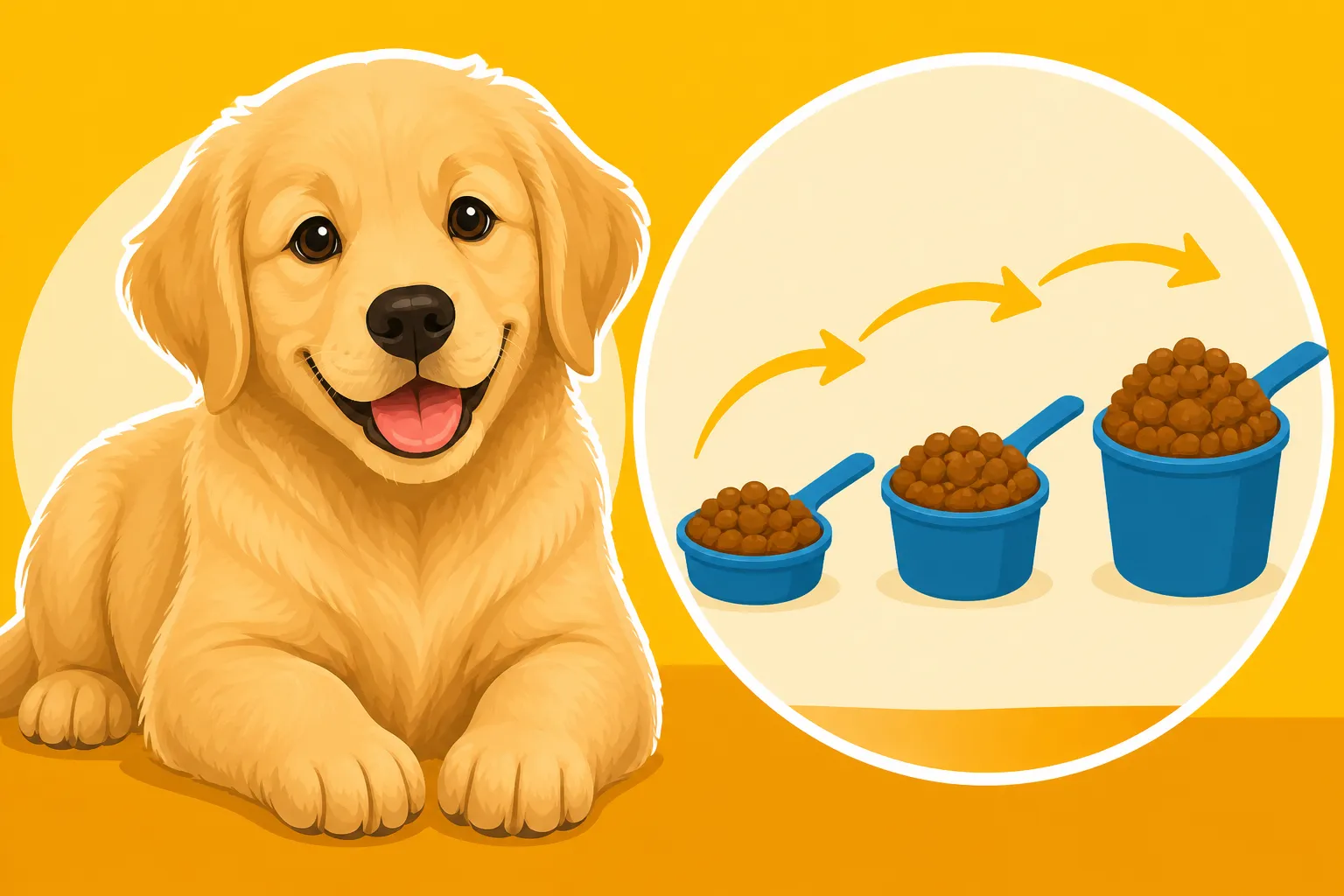
Every bag of quality puppy food will have a feeding guide printed on it. This guide usually presents a chart with your puppy's current age and/or weight, corresponding to a recommended daily feeding amount in cups or grams. For a three-month-old Golden Retriever puppy, these charts typically suggest feeding between 2.5 to 4 cups of food per day, divided into three meals. This is a broad range, and it's essential to understand why it's so broad.
Different food brands have different calorie densities. A premium kibble that's packed with high-quality protein and fat might have more calories per cup than a less dense, budget-friendly option. This means your puppy might need fewer cups of the calorically dense food to meet their daily needs. Always refer to your specific food's bag first. If you've just picked up a new bag, take a moment to read it carefully. It's the most reliable initial source for that particular formula.
Factors That Will Influence Your Puppy's Actual Needs
While the bag is your starting point, your puppy is an individual, and their needs can vary quite a bit.
- Activity Level: Is your three-month-old a whirlwind of energy, constantly zooming around the yard and playing fetch? Or are they a more laid-back pup who enjoys longer naps? Highly active puppies will burn more calories and might need to be fed on the higher end of the recommended range. A more relaxed puppy might need slightly less.
- Metabolism: Just like people, dogs have different metabolic rates. Some Goldens are naturally leaner and burn through calories faster, while others tend to put on weight more easily.
- Individual Growth Rate: Some puppies hit growth spurts earlier or later, or grow at slightly different paces. A puppy experiencing a rapid growth spurt might need a bit more fuel.
- Environment: If you live in a colder climate and your puppy spends more time outdoors (supervised, of course!), they might expend more energy trying to stay warm, thus increasing their caloric needs.
It's really important not to panic if your puppy doesn't fit neatly into the middle of the feeding chart. It's a guide, not a strict law. The goal is to provide enough food to support healthy growth without causing them to become overweight or underweight.
The Best Indicator: Body Condition Scoring (and Your Vet's Input)
Instead of solely relying on the number of cups, the most crucial tool you have for gauging if your Golden is getting enough food is their body condition. This means looking at them and feeling their frame.
At three months old, a Golden Retriever puppy should:
- Have ribs that are easily palpable (felt) without pushing hard, but not visibly sticking out. You should be able to feel them like knuckles under a thin layer of skin.
- Have a noticeable waist when viewed from above. Their body should tuck up slightly behind the ribs.
- Have an abdominal tuck when viewed from the side. The belly should not hang low.
If your puppy's ribs are clearly visible, or they appear bony, they might need more food. If you can't easily feel their ribs without applying pressure, or they look "barrel-chested" without a waist, they might be getting too much food. This is an excellent time to get your veterinarian involved. They can teach you how to properly assess your puppy's body condition and give you personalized advice. Never hesitate to ask them about Golden Retriever Weight and Joint Damage or Signs You Are Overfeeding a Golden Retriever Puppy.
Here’s a general guide for a three-month-old Golden Retriever, but remember to always consult your specific food's packaging and your vet!
| Puppy Weight (lbs) | Approximate Daily Food (Cups)* | Number of Meals Per Day |
|---|---|---|
| 15-20 | 2.5 – 3 cups | 3 |
| 20-25 | 3 – 3.5 cups | 3 |
| 25-30 | 3.5 – 4 cups | 3 |
*These are general estimates for large breed puppy kibble. Always refer to your specific food's guidelines and your vet.
Establishing a Healthy Feeding Routine for Your Three-Month-Old
Consistency is key when it comes to feeding, not just for digestion but also for training and establishing good habits. A solid routine helps your puppy feel secure and makes house training much easier.
Three Meals a Day: The Sweet Spot for Young Goldens
For a three-month-old Golden Retriever puppy, feeding three times a day is generally recommended. This helps stabilize their blood sugar, supports their rapid growth, and prevents them from getting overly hungry between meals, which can lead to gulping food too quickly (a potential risk factor for bloat later on). It also gives you three distinct opportunities throughout the day to monitor their appetite and stool quality.
A typical schedule might look something like this:
- Morning Meal: Around 7:00 AM – 8:00 AM
- Midday Meal: Around 12:00 PM – 1:00 PM
- Evening Meal: Around 5:00 PM – 6:00 PM
Try to stick to these times as closely as possible each day. This predictability helps with Potty Training Schedule for a Golden Puppy because you'll know roughly when they'll need to go out after eating.
Measuring Accurately and Adjusting Portions
Eyeballing amounts is a common mistake that can easily lead to overfeeding or underfeeding over time. Invest in a dedicated, accurate measuring cup for your dog's food. Standard kitchen measuring cups work perfectly.
Once you have your starting point from the food bag's guide, divide that total daily amount by three for each meal. For example, if the bag recommends 3 cups total per day, each meal would be 1 cup. Then, observe your puppy.
- Are they finishing their meals enthusiastically but not seeming ravenous immediately after? That's a good sign.
- Are they leaving food behind? Perhaps they're getting too much, or they're not feeling well.
- Are they constantly acting starved, even after eating? They might need a slight increase.
Adjust gradually, by about a quarter cup per day (split across all three meals), and monitor their body condition over several days. Remember, the goal isn't to make them gain weight as fast as possible; it's healthy, steady growth.
Recognizing Red Flags: When to Consult Your Vet
While minor adjustments are part of responsible puppy ownership, certain signs warrant a call to your veterinarian:
- Sudden change in appetite: If your puppy suddenly stops eating or is unusually picky for more than a day.
- Significant weight loss or gain: If they seem to be losing condition rapidly or getting too chunky despite consistent feeding.
- Persistent diarrhea or vomiting: This could indicate a digestive issue or that the food isn't agreeing with them.
- Lethargy or low energy: If your typically energetic Golden pup is unusually tired or uninterested in play.
These could be signs that something more serious is going on, or simply that the food isn't working for them. It's always best to get professional advice.
Common Feeding Mistakes to Avoid with Your Golden Puppy
As a seasoned Golden owner, I've seen (and made!) many of these mistakes myself. It's all part of the learning curve, but knowing about them ahead of time can save you some headaches.
The Pitfalls of Free-Feeding
It might seem convenient to just leave a bowl of kibble out for your puppy to graze on all day, but free-feeding is generally not recommended for Golden Retrievers, especially during their growth phase.
- Overeating and Weight Gain: Goldens love food, and if it's always available, they're likely to overeat, leading to unhealthy weight gain. This not only puts stress on their developing joints but can contribute to How Extra Weight Shortens a Golden Retriever's Life.
- Difficulty with Potty Training: When food intake isn't regulated, neither are potty breaks. Scheduled meals help you predict when your puppy will need to go outside.
- Missed Health Cues: If you don't know exactly how much your puppy is eating, you might miss early signs of a decreased appetite, which can be an indicator of illness.
- Increased Bloat Risk: While bloat is more common in adult Goldens, establishing good eating habits now, like eating at set times and not gulping, can contribute to prevention later. You can read more about Bloat Risk in a Deep-Chested Golden.
Structured meal times are simply better for their health and your routine.
The Treat Tangle: Accounting for Extra Calories
Treats are wonderful for training and bonding, but they also contribute to your puppy's daily caloric intake. It's easy to forget this when you're excitedly rewarding every "sit" and "stay." A general rule of thumb is that treats should make up no more than 10% of your puppy's daily calories.
If you're using a lot of treats for training, consider reducing the amount of kibble at their next meal slightly, or opt for very small, low-calorie training treats. You can even use a portion of their daily kibble as training rewards. This keeps them motivated without adding unnecessary calories. Remember, their primary nutrition should come from their balanced puppy food.
The Importance of Constant Fresh Water Access
While we focus so much on food, don't forget the vital importance of fresh, clean water. Your growing Golden Retriever puppy needs constant access to water. They're active, they're growing, and they can dehydrate quickly. Always have a bowl of fresh water available, and consider multiple bowls if you have a large house or yard. Ensure the bowls are clean and refilled regularly. Proper hydration is essential for every bodily function, from digestion to joint health.
Choosing the right food and establishing good feeding habits for your three-month-old Golden Retriever puppy is one of the best gifts you can give them. It takes a little diligence and observation, but seeing them thrive makes all the effort worthwhile. If you're ever in doubt, your veterinarian is your best resource for tailored advice.
Disclaimer
This article is for general informational purposes only and does not constitute professional advice. Laws, prices and regulations vary by location and change over time. Consult a qualified professional for guidance on your specific situation.