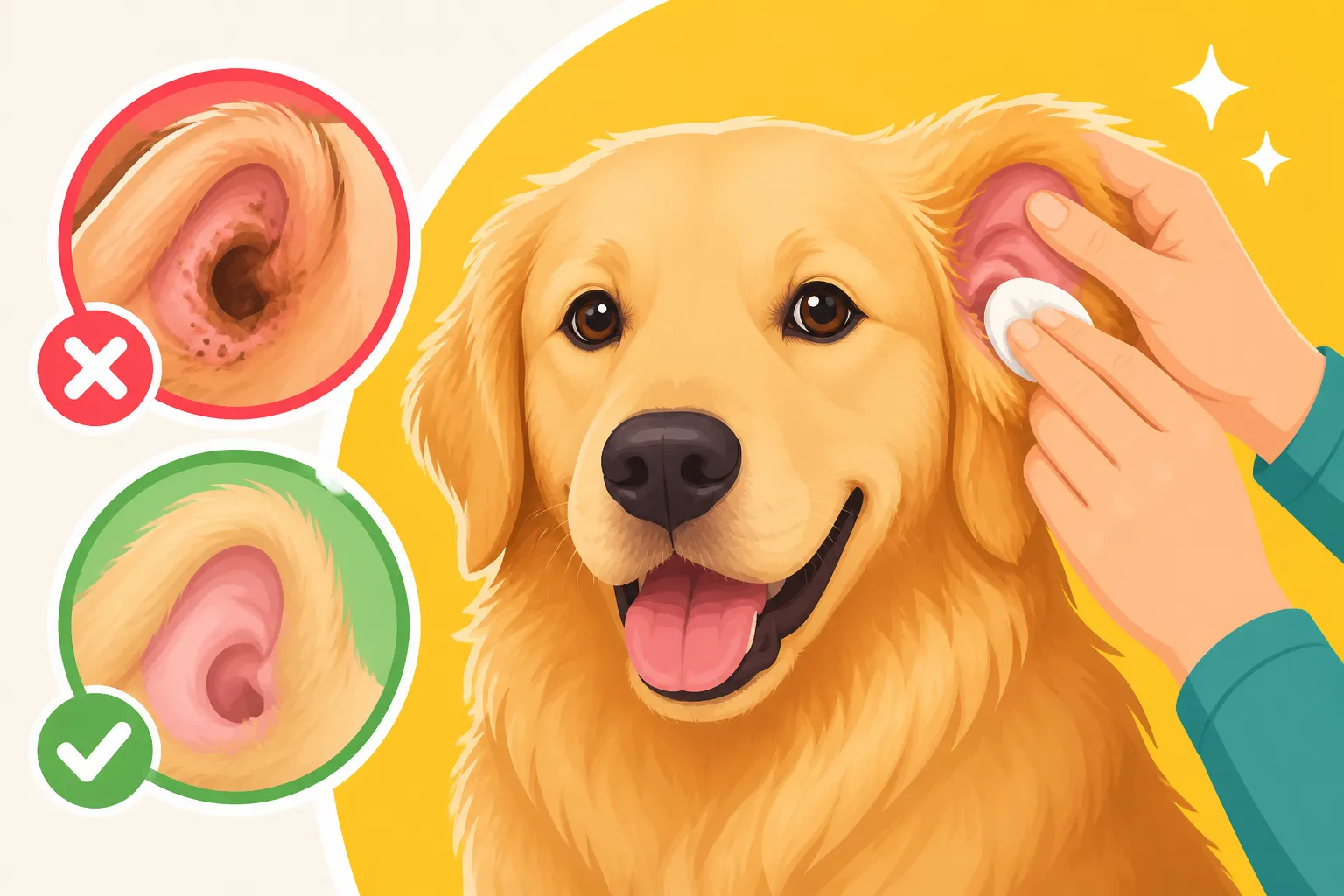
Cleaning a Golden Retriever’s Ears Correctly
Those adorable, velvety floppy ears on your Golden Retriever are undeniably charming, but they can also be a hidden magnet for trouble. Unlike upright ears that allow for natural airflow, a Golden's ears create a warm, moist, and dark environment—the perfect breeding ground for yeast, bacteria, and grime. If you've ever had a Golden shaking their head constantly, scratching at their ears, or emitting a less-than-pleasant odor from their head, you know the frustration (and guilt!) that comes with suspecting an ear infection. This guide is here to walk you through the correct, gentle way to clean your Golden's ears, empowering you to keep them healthy and comfortable, and hopefully, prevent those uncomfortable infections from taking hold.
Why Golden Retrievers Face So Many Ear Challenges
It might seem unfair, but our beloved Goldens are predisposed to ear issues more than many other breeds, and it's largely down to a combination of genetics, anatomy, and lifestyle. Understanding these factors is the first step in effective preventative care.
The Unique Anatomy of a Golden's Ear Canal
Picture this: your Golden's ear canal isn't a straight shot like a human's. Instead, it makes a sharp L-shaped turn, creating a perfect cul-de-sac for moisture, wax, and debris to collect. Add to that their beautiful, thick ear flaps that hang down, effectively sealing off the ear canal from much-needed airflow. This creates a perpetually warm, humid environment that's far too inviting for unwelcome guests like yeast and bacteria.
Furthermore, Goldens have a fair amount of hair growing inside their ear canals. While this hair might offer some protection in their original retrieving role, in a modern home environment, it often traps even more dirt, debris, and moisture, making it harder for the ear to self-clean. This combination of a dark, moist, and hairy environment is the ideal incubator for problems, making routine cleaning absolutely essential. It’s not just about what gets in, but what struggles to get out.
Common Culprits: More Than Just Simple Dirt
While external dirt and debris are certainly contributors, many Golden Retriever ear problems stem from deeper issues. Allergies, whether environmental or food-related, are a huge factor. Just like humans can get itchy skin or runny noses from allergens, Goldens often manifest their allergic reactions as inflamed, itchy skin in and around their ears. This inflammation then creates an even more hospitable environment for secondary infections. You might notice your Golden constantly scratching at their ears or rubbing them on the carpet, even if they don't seem particularly dirty, which can be a sign of underlying irritation. If you suspect allergies, diving into resources like Golden Retriever Food and Skin Allergies can be incredibly helpful for understanding and managing these triggers.
Beyond allergies, Goldens are natural swimmers and lovers of water, which introduces another significant challenge. Water can get trapped deep within that L-shaped canal, further increasing humidity and providing the perfect conditions for bacteria and yeast to multiply. Even a damp ear from a humid day or a bath can be enough. This is why paying special attention to Drying a Golden Retriever's Ears After Swimming is so vital for preventing issues. Without proper drying and cleaning, a seemingly innocent swim can quickly escalate into a painful infection. The thick hair and minimal airflow ensure that any moisture introduced lingers far longer than it should.
Assembling Your Golden's Ear Cleaning Toolkit
Before you even think about tackling those adorable, floppy ears, you need to gather your supplies. Trying to clean your Golden's ears without everything at hand is a recipe for frustration for both of you. A calm, prepared approach makes the whole process smoother and more successful.
Choosing the Right Ear Cleaner for Your Golden
Selecting the proper ear cleaner is paramount. You want something effective yet gentle, and ideally, recommended by your veterinarian. Generally, ear cleaners for dogs fall into a few categories:
- Drying Agents: These are crucial for Goldens, especially those who swim often or are prone to moisture build-up. Ingredients like salicylic acid or boric acid can help dry the canal, discouraging yeast and bacteria growth.
- Antiseptics/Antibacterials: Cleaners with chlorhexidine or ketoconazole are often recommended if there's a suspected yeast or bacterial imbalance, even before a full-blown infection. These help reduce the microbial load.
- Wax Dissolvers: Some cleaners contain ingredients that help break down excessive wax, making it easier to remove.
When choosing, always look for alcohol-free formulas. Alcohol can be irritating and painful, especially if your Golden's ears are already a bit inflamed. It's always best to consult your vet on a specific brand or type, as they can recommend a product tailored to your Golden's individual ear health needs. For instance, if your Golden frequently gets yeast infections, your vet might suggest a cleaner with specific anti-fungal properties.
Essential Supplies for a Smooth Cleaning Session
Once you have your cleaner, you'll need a few other items to ensure a successful and comfortable ear cleaning experience:
- Plenty of Cotton Balls or Gauze Pads: These are for wiping away debris and excess cleaner from the outer ear and visible parts of the canal. Avoid cotton swabs (Q-tips) for delving deep into the ear canal, as they can push debris further in and even damage delicate ear structures. They can, however, be useful for gently cleaning the crevices of the outer ear flap.
- Soft Towel: Keep one handy for wiping up any spills and for drying your Golden's face if they shake their head vigorously after the cleaning solution is applied. It also helps protect your clothing.
- High-Value Treats: This is non-negotiable! Ear cleaning isn't always a dog's favorite activity, so making it a positive experience with delicious rewards is key. Cheese, cooked chicken, or small pieces of hot dog work wonderfully. These treats help create a positive association, turning a potentially unpleasant chore into something your Golden tolerates, or even looks forward to.
- A Headlamp or Flashlight: Good lighting will allow you to see clearly into the outer ear canal, helping you identify any redness, excessive wax, or foreign bodies.
- Another Person (Optional but Recommended): Especially if your Golden is new to ear cleaning or a bit squirmy, having another person to gently hold them and offer praise and treats can make a world of difference.
Having everything laid out and ready before you start minimizes stress and ensures you can focus entirely on your Golden and the task at hand. This preparation is a big part of making the process efficient and as pleasant as possible for your furry friend.
The Gentle Art of Golden Retriever Ear Cleaning
Now that you've got all your supplies, it's time to actually clean those ears. Remember, patience and a gentle touch are your best friends here. You want this to be a positive experience, not a wrestling match!
Pre-Cleaning Prep and Getting Your Golden Comfortable
First things first: choose a calm environment where you and your Golden can be relaxed. A bathroom floor, a kitchen with easy-to-clean surfaces, or even outdoors if the weather is nice can work. Lay down your towel to catch any splashes. Have your treats within easy reach.
Start by gently examining your Golden's ears. Lift the ear flap and take a good look at the visible part of the ear canal. Is there any redness, swelling, unusual discharge, or a strong odor? If you notice any of these signs, put the cleaner down and consider reaching out to your vet first, as you might be dealing with an active infection that needs medical attention, not just a cleaning. We’ll get into that more in the next section.
Assuming the ear looks healthy, begin with some gentle praise and petting. Let your Golden sniff the ear cleaner bottle. Give them a treat. The goal is to build a positive association. Position your Golden comfortably, perhaps sitting or lying down, depending on what they tolerate best. If you have a helper, now's the time for them to offer gentle restraint and a constant stream of treats. This preliminary step is crucial for establishing trust and making the process less intimidating.
The Cleaning Technique: What to Do and What to Avoid
Alright, deep breath, you've got this!
- Lift the Ear Flap: Gently lift your Golden's ear flap straight up, exposing the ear canal.
- Administer the Cleaner: Hold the ear cleaner bottle near the opening of the ear canal. Gently squeeze a generous amount of cleaner directly into the canal. Don't be shy; you want to fill the visible part of the canal without letting it overflow excessively. The amount will depend on the size of your Golden and the specific cleaner, but usually, a good squirt is needed to reach all the nooks and crannies.
- Massage the Base of the Ear: This is key! Once the cleaner is in, gently massage the base of your Golden's ear, just below the opening, for about 20-30 seconds. You should hear a squishing sound, which means the cleaner is working its way deep into the ear canal, loosening wax and debris. This massage helps the cleaner penetrate that L-shaped canal effectively.
- Allow Them to Shake: Step back and let your Golden shake their head. And they will shake their head! This is a good thing, as it helps dislodge the loosened debris and cleaner. Make sure you're ready with your towel to catch any flying liquid.
- Wipe the Outer Ear: After the head shake, use a fresh cotton ball or gauze pad to gently wipe away any visible debris, wax, and excess cleaner from the outer ear flap and the entrance to the ear canal. Remember, only clean what you can see! Do not insert anything deep into the ear canal. Repeat with fresh cotton balls until no more visible dirt or wax comes out.
- Repeat for the Other Ear: Once one ear is done, praise your Golden, offer a treat, and move on to the other ear. The more consistent and positive you are, the easier it will become over time.
What to Avoid:
- Q-Tips: Seriously, avoid these for deep cleaning. They can push debris further into the ear canal, potentially rupturing the eardrum or compacting wax. Only use them for surface-level cleaning of visible folds if absolutely necessary.
- Force: Never force cleaner into an unwilling ear, or try to restrain your Golden aggressively. This will only create negative associations and make future cleanings much harder.
- Water Only: While crucial for drying after swimming, plain water is not an effective ear cleaner and can actually exacerbate problems by simply introducing more moisture without antiseptic properties.
Post-Cleaning Rewards and Routine Maintenance
Once both ears are clean and dry, it’s time for a huge celebration! Shower your Golden with praise, affection, and those high-value treats. You want them to associate ear cleaning with good things. A short play session or a favorite toy can also reinforce the positive experience.
How often should you clean your Golden's ears? This really depends on your individual dog. For some Goldens with generally healthy ears, a monthly cleaning might suffice. For others prone to allergies, frequent swimming, or chronic wax build-up, weekly or bi-weekly cleanings could be necessary. Keep an eye out for any signs of irritation between cleanings. If you notice a particular smell or a bit of head shaking, it’s often a sign that a quick cleaning is needed. Consistency is more important than strict adherence to a schedule – just like their regular grooming needs, staying on top of ear hygiene helps keep them comfortable. For comprehensive care, it's a good idea to remember that How Often Golden Retrievers Need Dental Cleaning is also important, as overall hygiene contributes to their well-being.
When Your Golden's Ears Need a Vet, Not Just a Clean
Sometimes, despite your best efforts at home, or perhaps because an issue has already taken root, ear problems can escalate beyond what simple cleaning can resolve. Recognizing the signs that your Golden needs professional veterinary attention is critical. Attempting to clean an already infected ear can cause significant pain and even worsen the condition.
Recognizing the Red Flags of an Ear Infection
Your Golden Retriever can't tell you in words that their ear hurts, so it's up to us to observe their behavior and physical signs. Here are the red flags that indicate a visit to the vet is in order:
- Excessive Head Shaking and Ear Scratching: This is often the first and most obvious sign. If your Golden is shaking their head constantly, tilting it to one side, or frantically scratching at their ears (sometimes even causing abrasions around the ear flap), it’s a clear indication of discomfort.
- Strong, Unpleasant Odor: A healthy ear should have a very mild, almost neutral smell. A yeasty, sour, or truly foul odor emanating from the ear is a strong indicator of an infection.
- Redness and Swelling: Gently lift the ear flap and examine the visible parts of the ear canal. If the skin is noticeably red, inflamed, or swollen compared to its normal appearance, an infection is likely present.
- Discharge: Look for any unusual discharge. This could be dark brown, black, yellow, or greenish. It might be waxy, pus-like, or have a gritty texture. Healthy ears might have a small amount of light brown wax, but excessive or discolored discharge is a concern.
- Pain or Sensitivity: If your Golden cries out, flinches, or pulls away when you touch their ear, or even around their head, they are likely in pain. They might also become withdrawn or irritable due to discomfort.
- Rubbing Ears on Surfaces: Some Goldens will rub their affected ear against furniture, the carpet, or even your leg in an attempt to alleviate the itch or pain.
If you observe any of these symptoms, especially a combination, it's time to contact your veterinarian. Ignoring these signs can lead to more severe infections, potential hearing loss, and chronic discomfort for your beloved companion. Many of these issues, along with others, are explored in depth in resources like Ear Infections in Floppy-Eared Goldens.
The Importance of Professional Diagnosis and Treatment
You might be tempted to use leftover medication or over-the-counter remedies, but this is rarely a good idea. An ear infection in a Golden Retriever could be caused by bacteria, yeast, mites, or even a foreign body lodged deep in the canal. Each requires a different treatment. A vet will perform an otoscopic exam (looking inside the ear with a special scope) and often take a swab to examine under a microscope to correctly identify the culprit. Based on their diagnosis, they can prescribe appropriate ear drops, oral medications, or even suggest specific medicated cleansers.
Attempting to clean an already infected ear with a general cleaner can be incredibly painful for your Golden and might even push the infection deeper or irritate the delicate tissues further. This is where professional help is invaluable. Getting a prompt diagnosis and treatment ensures your Golden recovers quickly and prevents the infection from becoming chronic or causing permanent damage. Regular vet check-ups, ideally twice a year, as detailed in Why Goldens Need Vet Visits Twice a Year, are also crucial for catching subtle signs of ear issues before they become full-blown problems.
Of course, vet visits, especially for an ear infection requiring medication and follow-up, come with a cost. This is where a good pet insurance plan, like those offered by Healthy Paws, can be a real lifesaver. Knowing that you're covered for unexpected veterinary expenses, including chronic ear conditions or emergency treatments, can alleviate financial stress and allow you to make the best health decisions for your Golden. While Healthy Paws focuses on accidents and illnesses, the coverage can be incredibly helpful for managing recurrent issues or significant one-off treatments. Understanding Vet Costs for a Golden Retriever Ear Infection can help you prepare for these possibilities.
Here's a quick comparison to help you distinguish between a healthy ear and one that might need a vet's attention:
| Feature | Healthy Golden Retriever Ear | Signs of Potential Infection |
|---|---|---|
| Appearance | Pale pink, minimal hair in canal, clean. | Red, swollen, inflamed, excessive hair, sometimes crusty. |
| Smell | Mild, neutral, or slightly "doggy" smell. | Strong, foul, yeasty, or sweet odor. |
| Discharge | Small amount of light brown/yellow wax, easily wiped away. | Excessive dark brown, black, yellow, or green discharge; pus-like. |
| Behavior | No scratching, head shaking, or sensitivity when touched. | Frequent head shaking, persistent scratching, rubbing ears on surfaces, yelping when touched. |
| Temperature | Cool to the touch. | Warm or hot to the touch. |
By being proactive with routine cleaning and vigilant in monitoring for signs of trouble, you can significantly contribute to your Golden Retriever's comfort and overall ear health.
Disclaimer
This article is intended for informational purposes only and does not constitute veterinary advice. Always consult with a qualified veterinarian for any health concerns or before making any decisions about your pet's medical care.