Why Golden Retriever Puppies Should Not Jog
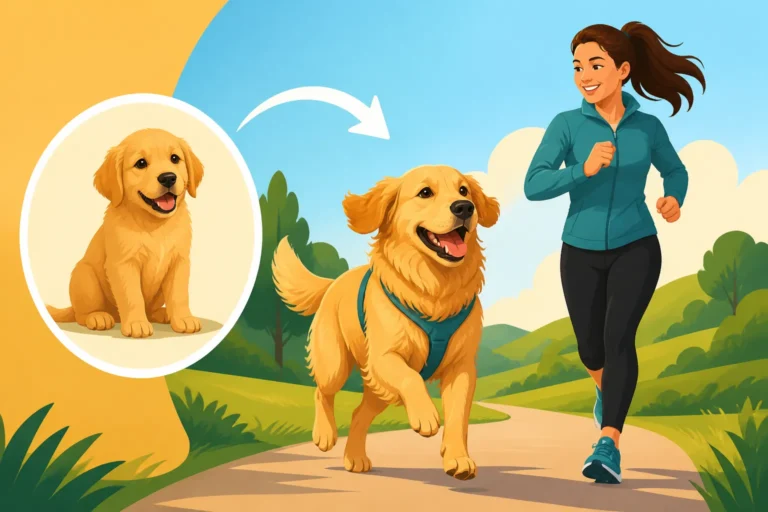
It’s such a joy to bring home a Golden Retriever puppy, full of boundless energy and that signature happy-go-lucky attitude! Many new puppy parents, eager to bond and burn off that incredible Golden zest, might think that a good long jog together is the perfect solution. However, this common assumption can actually be detrimental to your puppy's long-term health. This guide will explain why high-impact activities like jogging are best avoided during your Golden puppy's crucial developmental stages and how to provide safe, enriching exercise instead.
The Delicate Dance of Puppy Growth Plates
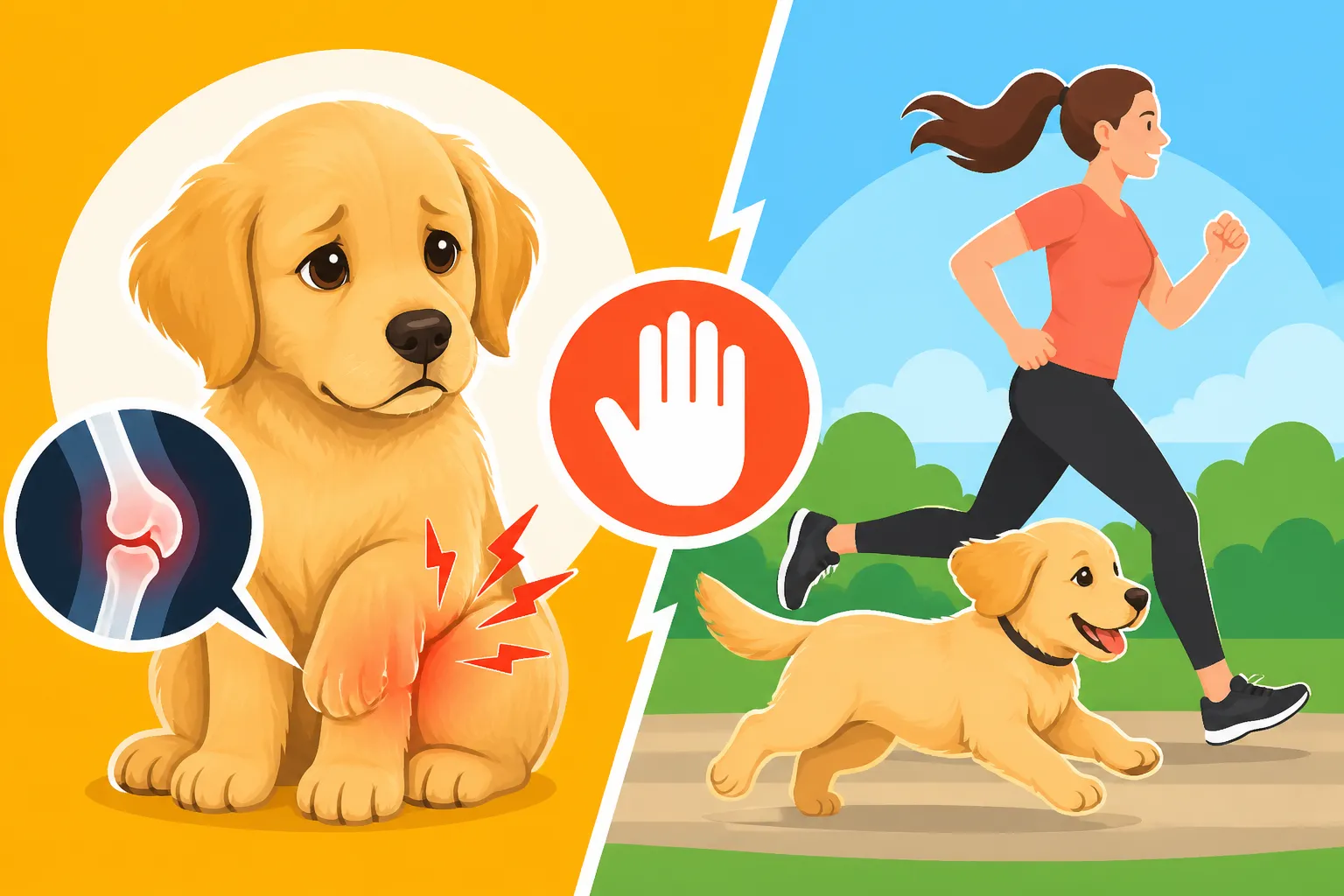
When you look at your Golden Retriever puppy, you see a bundle of fur and potential, but beneath that soft coat, their skeletal system is undergoing a massive transformation. Unlike an adult dog, a puppy's bones aren't fully formed and hardened. They have special areas called growth plates that are particularly vulnerable.
What are Growth Plates and Why Do They Matter?
Imagine the ends of your puppy's long bones – like those in their legs – aren't solid bone yet, but rather soft, cartilaginous areas. These are the growth plates, also known as epiphyseal plates. Their job is to produce new bone cells, allowing the bones to lengthen as your puppy grows from a tiny fluffball into a magnificent adult Golden. Think of them as the construction zones of your puppy's skeleton.
Because these areas are made of cartilage and are actively growing, they are much softer and more easily injured than mature bone. They’re like soft, pliable sponges compared to the hard, dense rock of an adult bone. A seemingly innocent bump or repeated stress can cause microtrauma or even a fracture in a growth plate, and unlike other bone breaks, damage here can affect the way the bone grows. If a growth plate is injured, it might close prematurely, or grow unevenly, leading to a limb that is shorter or crooked, and that's something we absolutely want to avoid for our beloved companions.
The Risks of High-Impact Exercise on Developing Joints
Now, let's talk about jogging. While it might seem like a natural way to exercise an energetic pup, activities that involve repetitive, high-impact stress are precisely what can put those vulnerable growth plates and developing joints at risk. When your Golden puppy jogs, their paws hit the ground repeatedly, sending shockwaves up their legs. This constant impact, especially on hard surfaces, can cause significant stress.
Imagine a small, flexible tree sapling. If you constantly bend and stress it in one direction, it's likely to grow crooked or even break, right? The same principle applies to your puppy's bones. Their joints, too, are developing; ligaments and tendons are still strengthening. Too much forced, repetitive motion before these structures are mature can lead to inflammation, micro-fractures, and improper development. It's not about being fragile, but about being developing. The cumulative effect of these small stresses can lead to serious issues down the line, setting them up for a lifetime of pain and limited mobility. We're talking about conditions that can significantly impact their quality of life, which is the last thing any Golden owner wants.
Understanding Your Golden Retriever Puppy's Unique Needs
Golden Retrievers are a large breed, and large breeds have a different growth trajectory than smaller dogs. Their bones and joints need more time to mature, and rushing this process can have lasting negative consequences.
When a Golden Retriever's Growth Plates Close
This is one of the most critical pieces of information for any Golden Retriever owner. Generally, a Golden Retriever's growth plates don't fully close and harden until they are around 12 to 18 months old, and sometimes even later for some of the larger, slower-maturing individuals. For many large breeds, we often say to err on the side of caution and wait until at least 18 months before introducing sustained, high-impact activities like regular jogging or intense agility.
Before these plates are sealed, they are susceptible to injury. This means that while your puppy might look like an adult at 8 or 10 months, their internal skeletal development is still very much that of a puppy. Trying to treat them like an adult dog by taking them for long runs alongside your bike or on your morning jog is a recipe for orthopedic disaster. It's a prime example of why understanding When a Golden Retriever's Growth Plates Close is so vital for their future health. Patience is truly a virtue when it comes to puppy exercise.
Appropriate Exercise for Golden Retriever Puppies
So, if jogging is out, what can your energetic Golden puppy do? The key is to focus on short, low-impact, and most importantly, self-directed play. This means activities where the puppy can start, stop, and change pace as they wish, without being forced into a sustained rhythm.
Think about what puppies naturally do:
- Short bursts of zoomies: They race around the yard for a minute, then flop down to rest.
- Wrestling with littermates or friendly, appropriate adult dogs: This builds muscle and coordination in a natural, adaptive way.
- Exploring new environments: Sniffing, walking, and trotting at their own pace in a park or safe, fenced area.
- Short walks: A leisurely stroll around the block, allowing them to sniff and explore, is perfect. A good rule of thumb often cited by vets is 5 minutes of structured exercise per month of age, twice a day. So, a 4-month-old puppy might get two 20-minute walks per day. This is a guideline, not a strict rule, and it's for leisurely walking, not jogging.
- Training sessions: Even short, positive reinforcement training sessions are a great way to engage their minds and burn off energy without putting stress on their bodies. Think about teaching them Teaching a Golden Retriever to Sit and Stay.
These types of activities allow their muscles and joints to develop naturally without the repetitive strain that can cause harm. Remember, a tired puppy is often a happy, well-behaved puppy, but "tired" doesn't have to mean "physically exhausted" by forced exercise. Mental stimulation can be just as effective.
Long-Term Consequences of Early Over-Exertion
The choices you make about your Golden Retriever puppy's exercise regimen now can have profound impacts years down the road. Pushing them too hard, too soon, can inadvertently lay the groundwork for painful and costly health issues that could have been avoided.
Setting the Stage for Hip and Elbow Dysplasia
Golden Retrievers, unfortunately, are genetically predisposed to orthopedic conditions like hip and elbow dysplasia. These conditions involve the abnormal development of the hip or elbow joints, leading to pain, arthritis, and sometimes debilitating lameness. While genetics play a significant role – which is why choosing a reputable breeder who performs Health Clearances a Golden Retriever Breeder Must Show is so crucial – environmental factors, including improper exercise during growth, can dramatically influence how severe these conditions become, or even if they manifest at all.
When you subject a puppy with developing, genetically susceptible joints to high-impact activities like jogging, you are essentially increasing the wear and tear on those already vulnerable areas. Microtraumas and inflammation can disrupt the smooth formation of the joint, making a genetically "fair" hip turn into a "dysplastic" one, or accelerating the progression of existing issues. You might not see the symptoms of Golden Retriever Hip Dysplasia Symptoms by Age right away, but the damage is being done internally, quietly affecting their future mobility. Protecting those precious growth plates and developing joints is one of the best things you can do to give your Golden the best chance at a pain-free life, especially given the breed's susceptibility to issues like Golden Retriever Hip and Elbow Dysplasia Explained and Elbow Dysplasia in Golden Retrievers.
The Silent Burden of Early Arthritis
Another insidious consequence of over-exercising a growing Golden Retriever is the increased risk of early-onset arthritis. Arthritis is essentially the inflammation and degeneration of joints, leading to pain, stiffness, and reduced mobility. While some arthritis is an unavoidable part of aging, particularly in large breeds, premature or severe arthritis can be triggered or worsened by childhood trauma and stress on the joints.
Every time a growth plate or joint is subjected to excessive force, it can create tiny areas of damage or instability. These small injuries might not cause acute pain that warrants an immediate vet visit, but over months and years, they accumulate. The body tries to repair itself, but often the repair tissue isn't as robust as the original, healthy tissue. This continuous cycle of damage and imperfect repair leads to early wear and tear on the joint cartilage, accelerating the onset of Golden Retriever Arthritis and Joint Decline. Imagine a car that's driven roughly over potholes every day from when it's brand new – it's going to need significant repairs much sooner than one driven gently. Our Goldens deserve a smooth ride through puppyhood to preserve their joints for their senior years.
How to Provide Safe & Engaging Activity for Your Growing Golden
Understanding why jogging is a no-go for puppies is the first step. The next is knowing how to channel that incredible Golden energy safely and effectively. It’s all about working with their natural developmental stages, not against them.
Short, Frequent Play Sessions Are Key
Instead of one long, arduous jog, think about multiple short, interactive play sessions throughout the day. Golden Retrievers are incredibly smart and enjoy engaging with their people. These sessions should be about 10-20 minutes in length, allowing for bursts of energy followed by rest. This mimics their natural play patterns and allows their still-developing bodies to recover.
- Fetch (on soft surfaces!): A few throws of a soft ball in the yard (grass is ideal, not pavement!) can be wonderful. Just keep it brief and let them chase, retrieve, and bring it back at their own pace. Avoid aggressive, forced fetching sessions that go on and on, as the sudden stops and turns can be hard on joints.
- Tug-of-War (with rules): A good game of tug, taught with proper manners, can be a fantastic energy burner and build strong muscles without too much joint impact. Just make sure the puppy initiates and you control the intensity, always letting them "win" to build confidence.
- Puppy social time: If your puppy is fully vaccinated and socialized, supervised playdates with other puppies or gentle, well-socialized adult dogs can be excellent. The unpredictable nature of dog-to-dog play allows them to develop motor skills and coordination naturally. Make sure the play is appropriate and not overly rough. You can learn more about appropriate limits in Exercise Limits for a Golden Retriever Puppy.
Structured Versus Free Play
It's crucial to distinguish between structured, forced exercise and free play. Structured exercise is when you dictate the pace and duration, like a leashed walk or a jog. Free play is when your puppy gets to choose what they do, when they do it, and for how long.
For growing Golden puppies, free play is king. Allowing them access to a safely fenced yard where they can wander, sniff, do zoomies, and then collapse in the grass is ideal. These natural bursts of activity followed by rest are much healthier for their growth plates and developing muscles than any forced, repetitive motion. A short, leisurely walk on a leash is fine, but it should be about exploration and sniffing, not covering distance quickly. Remember that even things like too many stairs can put stress on growing joints in young puppies, so consider ramps if you have a multi-story home.
Mental Stimulation as a Vital Alternative
Often, Golden Retrievers aren't just physically energetic; they are incredibly intelligent and need mental stimulation. A mentally tired puppy is often calmer and less prone to destructive behaviors than a puppy who is just physically exhausted. Plus, mental games don't stress their growing joints at all!
Consider incorporating:
- Puzzle toys: Fill a Kong or other treat-dispensing toy with kibble or healthy treats. Brands like Chewy and Amazon offer a wide variety of excellent puzzle feeders that can keep your Golden occupied for a good chunk of time.
- Scent games: Hide treats around the house or yard and encourage your puppy to "find it." This taps into their natural retrieving and scenting instincts.
- Short training sessions: Just 5-10 minutes, several times a day, working on basic obedience like "sit," "stay," "down," or even fun tricks can be incredibly tiring for their brains. These sessions also strengthen your bond and build a well-behaved companion. Don't forget, feeding can be part of mental enrichment too – consider slow feeder bowls or even brands like Ollie that focus on quality nutrition while still being portion-controlled. Remember that How Much a Golden Retriever Puppy Eats at Eight Weeks and Golden Retriever Puppy Feeding Amounts and Schedule are crucial for healthy growth, so factor in treats for training appropriately.
Here’s a quick overview of safe versus risky activities for your growing Golden Retriever puppy:
| Activity Type | Safe for Puppies (Generally) | Risky for Puppies (Avoid or Limit) | Why |
|---|---|---|---|
| Walks | Short, leisurely, sniff-focused walks (5 mins/month of age, twice daily) | Long, forced marches; jogging/running with owner; hiking long distances | Sustained impact on growth plates and developing joints; exhaustion |
| Play | Self-directed play in yard; supervised play with appropriate dogs; short fetch on soft grass | Repetitive, high-impact fetch on hard surfaces; intensive agility/jumping drills | Risk of growth plate injury, joint stress, soft tissue damage |
| Mental Games | Puzzle toys, scent work, short positive reinforcement training sessions | None | Engages mind without physical strain; builds focus and confidence |
| Surface | Grass, dirt, sand, carpet | Pavement, concrete, excessive stairs, slippery floors | Hard surfaces increase impact; slippery floors cause awkward movements |
| Activity Duration | Multiple short bursts with ample rest | Prolonged, sustained activity without breaks | Overexertion, fatigue, and cumulative stress on immature body |
Ultimately, raising a Golden Retriever puppy to be a healthy, happy adult requires patience and an understanding of their unique developmental needs. While their boundless energy can be tempting to channel into long runs, resisting that urge and opting for safe, age-appropriate activities will pay dividends in their long-term orthopedic health. Enjoy those puppy antics, provide enriching mental and physical outlets, and know that you are setting them up for a lifetime of comfort and joy.
Disclaimer
This article is for general informational purposes only and does not constitute professional advice. Laws, prices and regulations vary by location and change over time. Consult a qualified professional for guidance on your specific situation.