Hiking With a Golden Retriever in Summer
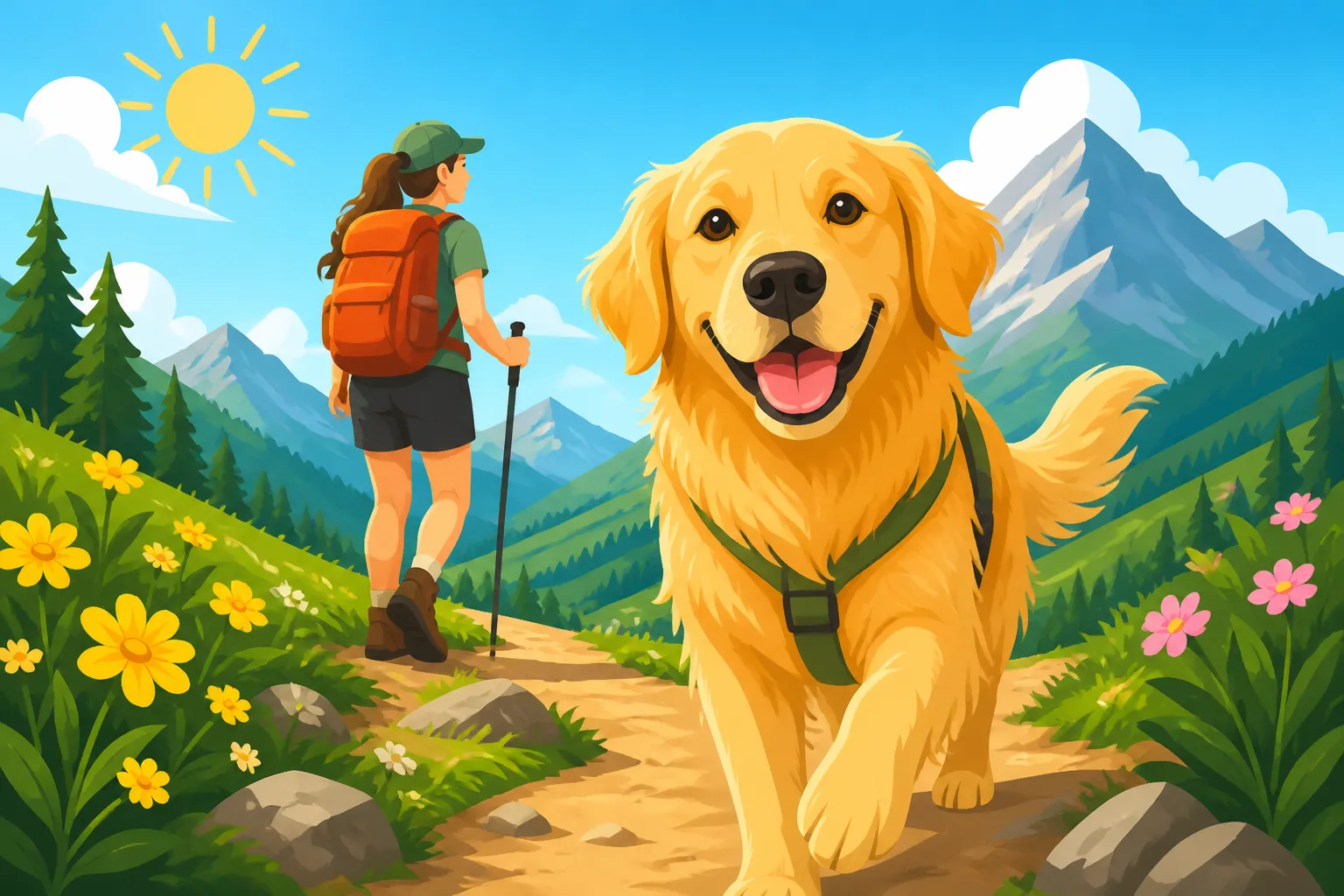
Summer hiking with your beloved Golden Retriever sounds like an idyllic dream, right? Picture the sun dappling through the trees, the scent of pine, and your happy Golden trotting beside you, tail wagging. But that dream can quickly turn into a nightmare if you're not fully prepared for the very real dangers that summer heat and rugged trails pose to our furry, double-coated companions. This comprehensive guide is here to walk you through everything you need to know to make those summer hikes safe, enjoyable, and memorable for both you and your Golden.
Understanding Summer Risks for Your Golden Retriever
It's easy to forget that what feels like a pleasant warm day to us can be stifling and dangerous for a dog clad in a thick fur coat. Goldens, with their enthusiastic natures, will often push themselves too far to please us, making it crucial for owners to be hyper-aware of the specific risks summer brings.
The Double Coat Dilemma
Golden Retrievers are blessed with a magnificent double coat – a dense, water-repellent outer coat and a soft, thick undercoat. This design is fantastic for keeping them warm in cold water and cold weather, which is precisely what they were bred for. However, in summer, this same coat, while offering some insulation from direct sun, can become a significant heat trap, especially if it's not well-maintained.
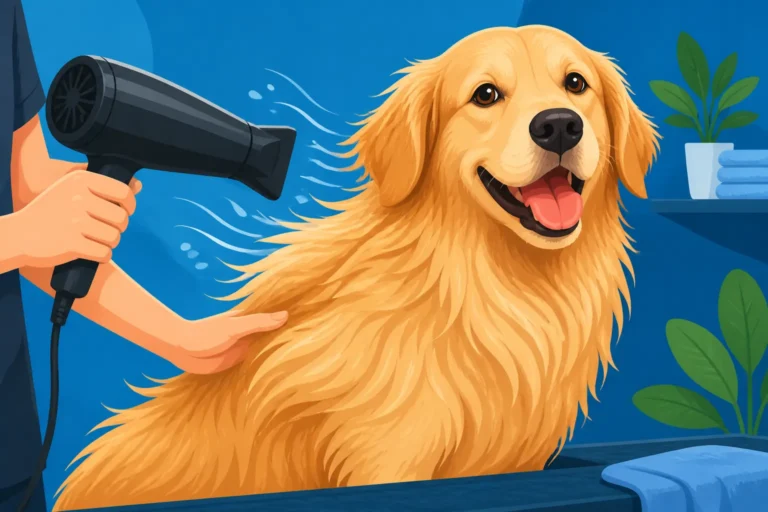
Many owners mistakenly believe shaving their Golden will help them stay cool. In reality, Why You Never Shave a Golden Retriever explains that shaving can actually disrupt their natural thermoregulation, exposing their sensitive skin to sunburn and potentially causing the coat to grow back incorrectly, making future heat management even harder. Instead, regular Grooming a Golden Retriever's Double Coat is key to keeping air circulating through the coat. Your Golden just isn't built for extreme heat, and their eagerness to please means they might not show discomfort until it's too late.
Recognizing Heatstroke Symptoms
Heatstroke is a terrifying reality for many dog owners, and it can escalate with frightening speed. Knowing the signs is not just helpful, it's absolutely critical for your Golden's survival. Early symptoms often include excessive panting that seems out of proportion to the activity, combined with a reluctance to move, or a general weakness. You might notice their gums becoming very bright red, indicating increased blood flow as their body tries to cool itself down.
As heatstroke progresses, the symptoms become far more severe and obvious. Your Golden might start to stagger or collapse, perhaps even vomiting or experiencing diarrhea. Their breathing can become labored and noisy, and in dire situations, seizures can occur. If you ever suspect your Golden is overheating, every second counts. Delaying treatment can lead to organ damage or even death. It's truly one of those situations where an ounce of prevention is worth a pound of cure, and recognizing Signs of Heatstroke in a Golden Retriever early can make all the difference.
Paw Pad Protection on Hot Trails
Imagine walking barefoot on a scorching asphalt road – that's what your Golden's paw pads can experience on hot trails, pavement, or even sun-baked rocks. Their paw pads are tough, yes, but they're not invincible, especially against prolonged exposure to extreme heat. The "seven-second rule" is a great guideline: if you can't hold the back of your hand comfortably on the surface for seven seconds, it's too hot for your dog's paws.
Hot surfaces can cause painful blisters, burns, and even permanent damage to their paw pads. These injuries are not only excruciating but can also get infected, leading to further complications and a long recovery time. Even shaded trails can have exposed sections, and a long hike means sustained contact with potentially damaging ground. Protecting their paws is just as important as protecting them from internal overheating. Ignoring the potential for Hot Pavement and a Golden Retriever's Paws can lead to serious injury.
Essential Preparations for Summer Hikes
A little planning goes a long way when you're taking your Golden Retriever out for a summer hike. This isn't just about packing a water bottle; it's about making informed decisions that prioritize their safety and well-being above all else.
Timing Your Adventures Wisely
When the sun is at its peak, so is the danger of overheating. The absolute best times for summer hikes are early mornings, right as the sun is rising and the ground is still cool, or late evenings, after the sun has begun to set and the temperature drops significantly. Avoid the midday heat entirely, typically between 10 AM and 4 PM, even if the air "feels" cooler to you. Humidity also plays a huge role; high humidity makes it much harder for dogs to cool themselves through panting. Always check the weather forecast, not just for temperature but also for the heat index and humidity levels.
Choosing your route carefully is also part of wise timing. Opt for trails that offer plenty of natural shade from dense tree cover. Consider shorter loops or out-and-back trails that allow you to turn around easily if your Golden shows any signs of fatigue. A quick, shaded walk is far safer than an ambitious, exposed trek in the heat of the day.
Hydration is Non-Negotiable
This point cannot be stressed enough: you need to carry more water than you think you will need for both yourself and your dog. Goldens, especially when active, require copious amounts of water to stay hydrated and help regulate their body temperature. A good rule of thumb is to carry at least double the amount you would typically drink for yourself.
Collapsible water bowls are absolute lifesavers and take up minimal space. Brands like Chewy or Amazon offer a wide variety of portable water bottles with integrated bowls or foldable silicone options that are incredibly convenient. While natural water sources like streams or lakes might seem appealing, be cautious. Stagnant water can harbor harmful bacteria, giardia, or toxic blue-green algae, which can make your Golden very sick. If you must rely on natural sources, consider a portable water filter or purification tablets, but it’s always safest to bring your own.
Gear for Summer Hiking Safety
Just as you wouldn your hiking boots and appropriate clothing, your Golden Retriever needs specific gear for summer hiking safety. Start with a well-fitting, comfortable harness rather than just a collar. A harness distributes pressure evenly and prevents strain on their neck if they pull, which is important for any hike, but especially when they're already facing heat stress. Many owners find front-clip harnesses effective for controlling enthusiastic Goldens on the trail.
Paw protection, like dog booties, can be a game-changer, especially for rocky or paved sections of the trail that can get very hot. It might take some getting used to for your Golden, so introduce them gradually at home before hitting the trails. Cooling vests or bandanas, which you can wet down, can also help keep their core temperature lower by providing evaporative cooling. Finally, don't forget a small dog-specific first-aid kit. This should include items for paw injuries, small cuts, and any emergency medications your dog might need. Think gauze, antiseptic wipes, vet wrap, and perhaps even some activated charcoal, as outlined in Building a First Aid Kit for a Golden Retriever.
During the Hike: Staying Safe on the Trail
Once you're actually out on the trail, your job shifts to vigilant monitoring and proactive management of your Golden's comfort and safety. This means being flexible with your plans and putting your dog's needs first, even if it means cutting a hike short.
Pacing and Frequent Breaks
Golden Retrievers are boundless bundles of energy, but that doesn't mean they should be pushed to their limits, especially in warm weather. You need to be the responsible one and dictate the pace. Keep the walk at a moderate speed, and take frequent, dedicated breaks in the shade. These aren't just for you to catch your breath; they're crucial for your Golden to cool down. Offer water regularly during these breaks, not just when you think they look thirsty.
Observe your Golden constantly. Are they panting more heavily than usual? Are they lagging behind, or suddenly looking for shade? These are all signs they might be getting too hot. Don't assume they'll tell you; often, by the time a Golden shows overt signs of distress, they're already well into overheating. Consider shorter distances than you might typically walk in cooler weather. For reference on general activity levels, understanding How Much Exercise a Golden Retriever Needs can help you adjust expectations for summer.
Utilizing Water Sources Safely
While bringing your own water is always the safest bet, sometimes on longer hikes, natural water sources become a necessity. It’s important to approach these with caution. Avoid stagnant puddles, slow-moving murky streams, or any water with visible algae blooms. Blue-green algae, in particular, can be highly toxic and even deadly if ingested. Fast-moving, clear streams are generally safer, but still carry risks of parasites like Giardia.
If you plan to let your Golden swim, ensure it's in clean, moving water and that they can easily enter and exit the water. Even with a strong swimmer like a Golden, sudden currents or steep banks can be dangerous. Be mindful of their post-swim condition too. Their thick double coat can hold a lot of water, which can contribute to skin issues if not dried properly, but also help with cooling. For more on safe water play, check out Swimming Safety for Golden Retrievers. Always supervise them closely, and if you have any doubt about the water quality, keep them out.
Emergency Response on the Trail
Despite all your careful planning, emergencies can still happen. If you suspect your Golden Retriever is experiencing heatstroke, immediate action is paramount. Get them into the shade immediately. Apply cool (not ice-cold) water to their body, especially their belly, armpits, and groin areas, as these are major blood vessels closest to the skin that help with cooling. You can use a wet towel or your water bottle to gently wet them down. Let them drink small amounts of water.
Do not plunge them into very cold water, as this can cause their blood vessels to constrict and actually hinder cooling, potentially leading to shock. Once you've initiated cooling measures, contact the nearest veterinary emergency clinic immediately, giving them a heads-up that you're coming and describing the symptoms. Make sure your cell phone is fully charged before you leave, and let someone know your hiking route and expected return time. Knowing when to make End-of-Life Decisions for a Golden Retriever is the hardest choice, but knowing when to act to prevent a health crisis is paramount.
Post-Hike Recovery and Continued Care
The adventure doesn't end when you get back to the car. The hours immediately following a summer hike are just as important for ensuring your Golden's full recovery and continued well-being.
Cooling Down Effectively
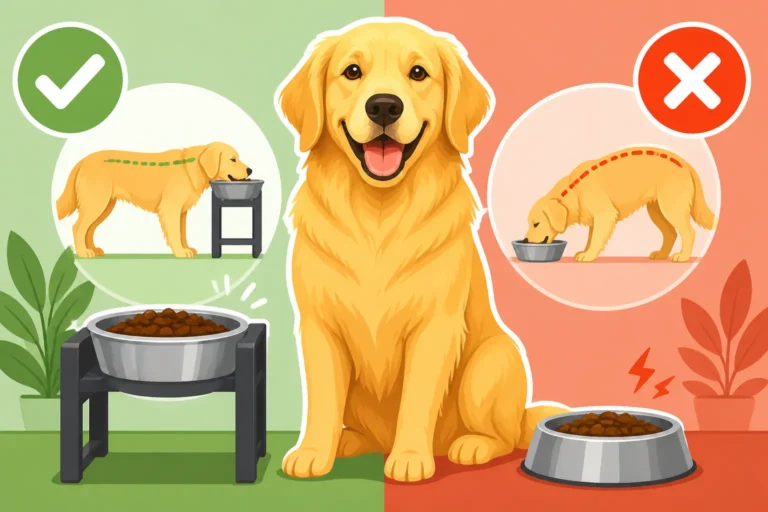
Just like a human athlete, your Golden needs a gradual cool-down period. Once you're back home or at a safe, cool spot, avoid letting them drink huge quantities of water all at once, as this can sometimes lead to an upset stomach or, in deep-chested breeds like Goldens, potentially increase the risk of bloat (GVD). Instead, offer water in smaller, frequent amounts. You can also offer a cool, wet towel over their back or a shallow pan of cool water for them to stand in for a few minutes.
Spend a few moments checking their paw pads for any redness, tenderness, or blistering that might not have been apparent on the trail. If you find any damage, gently clean the area and consult your vet for advice on proper treatment. Sometimes, a simple soothing paw balm can help with minor irritation, but anything more serious warrants professional attention.
Replenishing and Rest
After all that exertion, your Golden Retriever will be ready for a good meal and a long rest. Offer their regular dog food, perhaps a bit moistened with water to help with rehydration. If you're using a fresh food service like Ollie, ensure it's been kept cool during your hike if you brought it along, or simply feed it once you're home. Goldens burn a lot of calories when active, so replenishing their energy stores is important. Many popular dog food brands available on Chewy and Amazon offer options for active dogs that are nutrient-dense.
Provide them with a comfortable, cool, and quiet spot to rest. This might be their crate, their favorite dog bed in a air-conditioned room, or even just a cool tile floor. Continue to monitor them for any delayed signs of exhaustion or discomfort, such as continued lethargy, limping, or reduced appetite. Sometimes, the full impact of overexertion isn't seen until several hours after the activity.
Preventative Health Measures
Making summer hiking safe isn't just about what you do on the day of the hike; it's about year-round care. Regular Grooming a Golden Retriever's Double Coat is essential to prevent matting and allow their coat to function as intended, helping them regulate temperature. A healthy weight is also crucial; an overweight Golden will struggle much more in the heat and put extra strain on their joints. Maintaining ideal body condition, as discussed in Golden Retriever Weight and Joint Damage, makes a huge difference in their ability to handle physical activity and heat.
Consider a comprehensive vet check before embarking on ambitious summer hiking plans, especially if your Golden is older or has any known health conditions. A vet can assess their overall fitness, listen to their heart for any murmurs, and ensure they're up-to-date on all vaccinations and parasite prevention. This preventative conversation is vital for making sure your furry friend is truly ready for the demands of the trail.
Here’s a quick overview of summer hiking considerations:
| Factor | Low Risk Conditions | Moderate Risk Conditions | High Risk Conditions |
|---|---|---|---|
| Temperature | Below 70°F (21°C) | 70-80°F (21-27°C) | Above 80°F (27°C) |
| Humidity | Low (<40%) | Moderate (40-60%) | High (>60%) |
| Trail Surface | Shaded dirt, grass | Partially exposed dirt, light gravel | Asphalt, concrete, exposed rock |
| Sun Exposure | Mostly shaded | Intermittent sun/shade | Full sun exposure |
| Water Access | Plentiful, clean, moving sources | Some natural sources, questionable | Scarce or stagnant natural sources |
| Recommendations | Longer hikes, flexible timing | Shorter hikes, early/late timing | Avoid hiking, indoor alternatives |
| Gear | Basic leash, water, bowl | Harness, extra water, cooling gear | Paw protection (booties), emergency kit |
Ultimately, hiking with your Golden Retriever can be one of the most rewarding experiences you share. By understanding the risks, preparing meticulously, and staying vigilant on the trail, you can ensure those summer adventures remain safe and full of joy.
Disclaimer
This article is for general informational purposes only and does not constitute professional advice. Laws, prices and regulations vary by location and change over time. Consult a qualified professional for guidance on your specific situation.