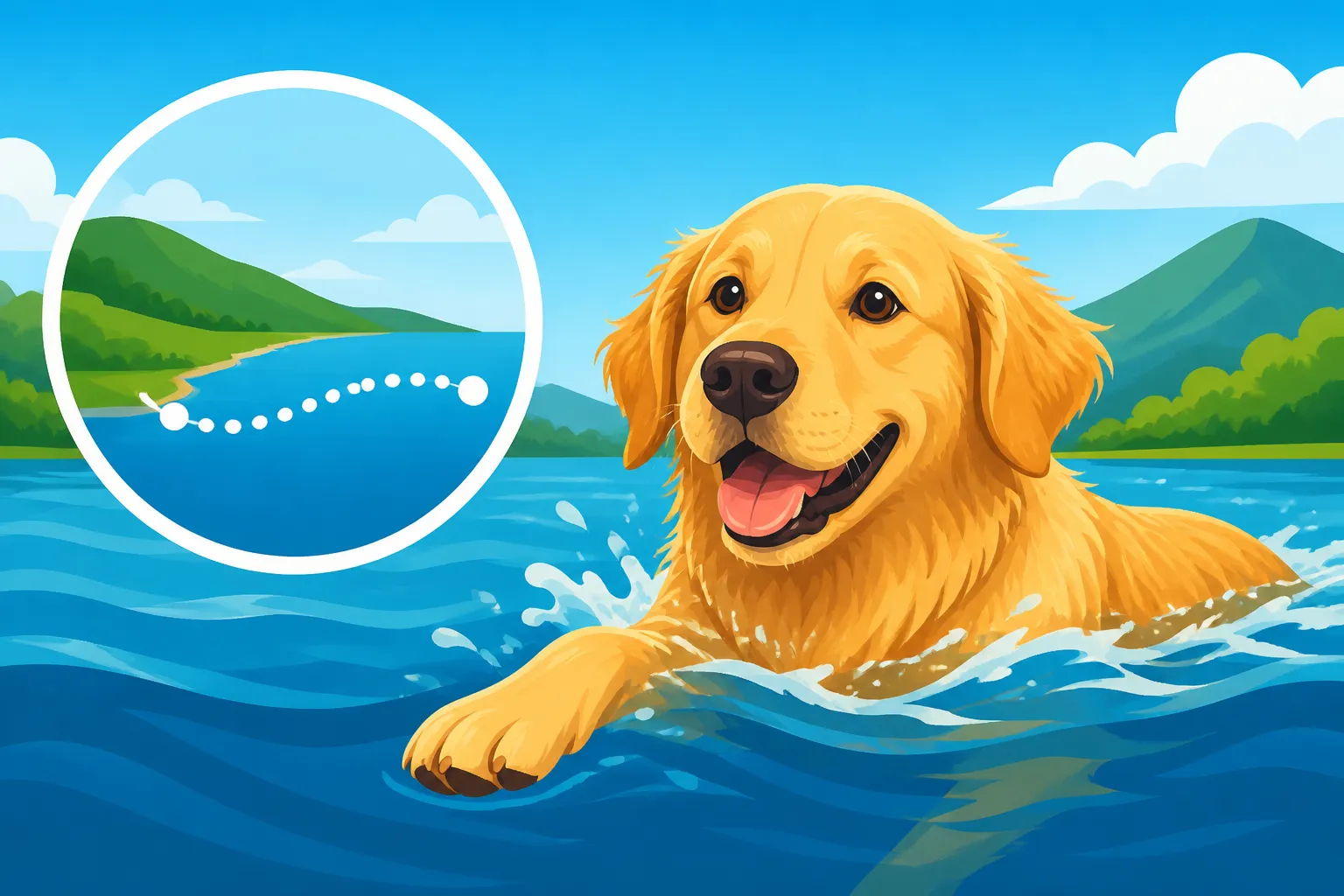
Swimming Distance for a Golden Retriever
It’s a universally acknowledged truth that Golden Retrievers and water often go hand-in-paw. Their sheer enthusiasm for a dip can be infectious, but it also leaves many devoted owners wondering: how much is too much? You watch them joyfully splashing, fetching, and paddling, and a little voice in the back of your head asks, "Are they overdoing it? What's a safe swimming distance?" This comprehensive guide is here to tackle that very question, helping you understand the factors that dictate a safe swimming experience for your beloved Golden.
Understanding Your Golden's Natural Affinity for Water
Golden Retrievers are practically synonymous with water. It’s not just a cute quirk; it’s deeply embedded in their history and genetics. They were bred for a specific purpose, and that purpose often involved water, which explains their boundless enthusiasm for lakes, rivers, and even the garden hose.
Why Goldens Love to Swim
Our Goldens’ love for water isn't just a preference; it's a genetic blueprint. Originating from the Scottish Highlands, they were developed by Lord Tweedmouth in the mid-19th century to be exceptional retrieving dogs, particularly for waterfowl hunting. This meant they needed to be strong swimmers, capable of enduring cold water, and possessing that famous "soft mouth" to bring back game undamaged. Their dense, water-repellent double coat acts like a natural wetsuit, offering insulation in chilly temperatures, while their strong, muscular bodies and webbed feet provide powerful propulsion in the water. So, when your Golden dives headfirst into a pond, they're not just playing; they're fulfilling centuries of instinct. It’s an integral part of their Golden Retriever Temperament and Personality. This heritage means that for many Goldens, swimming isn't just exercise; it's a source of immense joy and mental stimulation.
The Difference Between Liking Water and Being Built for Endurance
While Goldens are undoubtedly built for water work, there's a crucial distinction between being built for water and having unlimited endurance. Just like humans, individual Goldens have varying levels of stamina, physical conditioning, and health. A young, fit Golden might be able to swim for much longer than an older dog with arthritis or a puppy still developing their muscles and coordination. It’s easy to get caught up in their enthusiasm and assume they'll stop when they're tired, but their sheer drive can sometimes override their physical limits. This is where owners need to step in and apply sensible judgment. Over-exertion in water can lead to dangerous situations, from exhaustion and hypothermia to aspiration pneumonia or even cardiac events. What seems like a fun afternoon could quickly turn into an emergency if we don't respect their physical boundaries.
Factors Influencing Safe Swimming Distance
Determining a "safe" swimming distance isn't a one-size-fits-all answer. It's a dynamic equation influenced by several key factors unique to your Golden and the environment. Ignoring these can put your beloved companion at risk.
Age and Physical Condition
Just like human athletes, a Golden's age and overall health play an enormous role in their aquatic capabilities. A spry, two-year-old Golden with no underlying health issues is going to have a vastly different capacity than a six-month-old puppy or a ten-year-old senior.
Puppies and Adolescents: Young Golden Retriever puppies, especially those under six months, have developing bones and joints. While short, supervised dips are great for confidence and muscle building, extensive swimming can put undue stress on their growth plates. Their stamina is also limited, and they tire quickly. As they move into adolescence (6-18 months), their energy seems limitless, but responsible moderation is still key. Their joints are still maturing, and overexertion, even in water, should be avoided. Gradually building their stamina with short, frequent sessions is far better than pushing for long distances. You might recall similar advice for Exercise Limits for a Golden Retriever Puppy.
Adult Goldens: This is typically when your Golden is in their prime. Between 1.5 and about 7 years old, most healthy Goldens can enjoy longer and more strenuous swims. However, "healthy" is the operative word. Even adult Goldens can have hidden conditions. For example, Golden Retriever Hip and Elbow Dysplasia Explained is a common issue in the breed, and while swimming can be excellent low-impact exercise for dogs with mild joint problems, overdoing it can exacerbate discomfort. Similarly, undetected Golden Retriever Heart Murmurs a Vet Hears or other heart conditions could make strenuous activity dangerous. Regular vet check-ups are vital to ensure your adult Golden is fit for extensive water activities.
Senior Goldens: As your Golden ages, their physical capabilities naturally decline. They might still love the water, but their endurance will be reduced, and they'll tire more easily. Arthritis, diminished muscle mass, and reduced cardiovascular function mean that what was once an easy swim can become a significant challenge. For Caring for a Senior Golden Retriever, swimming often shifts from vigorous exercise to gentle therapy. Short, warm water swims can be wonderful for joint mobility without the impact of land exercise, but long distances are typically off the table.
Water Conditions
The environment your Golden is swimming in is just as important as their physical state. Different water bodies present unique challenges.
Temperature: This is critical. Very cold water can quickly lead to hypothermia, even for Goldens with their insulating coats. In contrast, excessively warm water can contribute to overheating, especially if the air temperature is also high. Aim for water that feels comfortable to you – not too hot, not too cold. A good rule of thumb is if the water is too cold for you to comfortably swim in for an extended period, it's too cold for your Golden. Similarly, a warm lake under a blazing sun means they'll heat up quickly.
Currents and Tides: Natural bodies of water like rivers, lakes, and especially the ocean, can have strong currents or tides that dramatically increase the effort required to swim. What looks like a calm surface can hide powerful undertows. A Golden could easily be swept away or exhaust themselves fighting against an unseen current, making even short distances dangerous. Always assess the water movement before allowing your dog to swim and stay close by.
Depth and Entry/Exit Points: Ensure the water is deep enough for comfortable swimming but not so deep that your dog can't touch the bottom if they need a break. Crucially, always check for safe and easy entry and exit points. Steep banks, slippery rocks, or high docks can make it difficult for a tired Golden to get out of the water, leading to exhaustion or injury.
Type of Water:
- Lakes/Ponds: Generally calmer, but can have hidden debris, sudden drops, or algae blooms that are toxic.
- Rivers: Often have currents; debris can be an issue.
- Oceans: Tides, waves, undertows, and salt water ingestion are concerns. Too much salt water can lead to dehydration and stomach upset.
- Pools: Controlled environment, but chlorine can be irritating to skin and eyes, and slippery edges can cause falls.
Environmental Factors
Beyond the water itself, the surrounding environment contributes significantly to your Golden’s safety and endurance.
Air Temperature and Humidity: A hot, humid day will take a much greater toll on your Golden than a cool, breezy one. Goldens are prone to Golden Retriever Heat Tolerance and Overheating due to their thick double coats. When they swim, they're still expending energy, and if the air is hot and humid, their ability to cool down through panting is compromised. This can quickly lead to heatstroke, a life-threatening condition. Always factor in the weather and humidity. If it's too hot for you to be comfortable exercising, it's definitely too hot for your Golden.
Sun Exposure: Prolonged exposure to direct sunlight, especially on a hot day, increases the risk of overheating and sunburn, particularly on less-furred areas like their noses or bellies. If you're spending a long time outdoors, seek shade for your Golden and consider swim times during cooler parts of the day.
Water Quality: This is paramount. Murky water could hide dangers like sharp objects, strong currents, or toxic algae. Always check local advisories for water quality, especially in natural bodies of water. Blue-green algae, common in warm, stagnant freshwater, can be deadly if ingested. Even seemingly clean water can harbor bacteria or parasites. Rinsing your Golden thoroughly after swimming is always a good practice, particularly if the water quality is questionable.
Individual Dog's Stamina and Experience
Every Golden Retriever is an individual, and their swimming prowess can vary widely. Don't assume that just because they're a Golden, they're an Olympic swimmer.
Natural Athletes vs. Casual Dippers: Some Goldens are true water dogs, powerful and graceful swimmers who could go for miles if allowed. Others, despite their breed, might be more hesitant, preferring a shallow splash or a short paddle. Observe your dog's natural inclination and energy levels. If they seem hesitant or tire quickly, respect that. Never force a dog into water if they're not comfortable.
Acclimation and Training: A Golden who has been regularly swimming since puppyhood and gradually built up stamina will naturally have greater endurance than one who only gets a few swims a year. Introducing swimming gently and positively is key. Start with short sessions in calm, shallow water where they can touch, and gradually increase duration and challenge as their confidence and strength grow. This gradual approach also builds their muscles safely.
Motivation and Drive: Goldens are often driven by their retrieving instinct. If they're constantly chasing a thrown toy, they might push themselves past their physical limits out of sheer desire to please you and get the toy. Owners need to be mindful of this strong drive and ensure breaks are enforced, and the activity is varied. Consider quieter swimming or just a cool dip without intense fetching if you notice them becoming overly focused and potentially exhausted.
| Golden Retriever Age/Condition | Recommended Initial Swim Time | Max Recommended Swim Time (Condition Dependent) | Key Considerations |
|---|---|---|---|
| Puppy (4-6 months, first swims) | 5-10 minutes | 15-20 minutes | Short bursts, close supervision, warm, calm water. Avoid forcing. |
| Adolescent (6-18 months) | 15-20 minutes | 30-45 minutes | Building stamina gradually, monitor for fatigue, vary activity. |
| Adult (1.5-7 years, healthy) | 20-30 minutes | 45-60+ minutes (with breaks) | Strongest swimmers, still monitor for heat and exhaustion. |
| Senior (8+ years, active) | 5-15 minutes | 20-30 minutes | Gentle activity, warm water for joints, easy entry/exit. |
| With health issues (e.g., mild dysplasia, heart conditions) | Consult vet | Limited, gentle, therapeutic focus | Avoid overexertion, focus on low-impact movement. Vet guidance essential. |
This table provides general guidelines. Always observe your individual dog and consult your veterinarian for personalized advice.
Practical Guidelines for Safe Swimming Distances
Knowing the factors is one thing, but applying them practically is where the rubber meets the road (or the paw meets the water!). Here's how to ensure your Golden enjoys their swims safely.
Start Slow and Build Stamina
Even if your Golden dives in like a seasoned pro, it's wise to start with shorter sessions and gradually increase the duration. Think of it like training for a marathon; you wouldn't send a human straight into 26 miles without prior conditioning.
First Introduction: For puppies or Goldens new to serious swimming, begin with very short periods in shallow, calm water where they can easily touch the bottom or exit. Let them splash, gain confidence, and get used to the sensation. A flotation device, like a well-fitting life vest (more on that soon!), is invaluable here. Allow them to swim for just a few minutes, then take a break.
Gradual Increase: Over several weeks, as their strength and confidence improve, you can slowly extend the swimming time. If your Golden swims for 10 minutes one day, perhaps try 12-15 minutes a few days later. Observe their recovery time. Are they still energetic after their swim, or are they completely wiped out? Aim for a good workout, not utter exhaustion. Remember, their joints, especially in growing puppies, need time to adapt and strengthen. This methodical approach is vital to preventing injuries or negative associations with water.
Observe for Signs of Fatigue
This is perhaps the most crucial skill a Golden owner can develop: reading their dog's body language in the water. Goldens are notoriously eager to please and may push themselves beyond their limits if you keep throwing the ball.
Subtle Signs to Watch For:
- Slowing Pace: Their powerful strokes become weaker or slower.
- Head Position: Instead of holding their head proudly above the water, it might start dipping lower, with more effort required to keep it up.
- Panting Heavily: Excessive, rapid panting, especially if accompanied by a wide-open mouth and flared nostrils, indicates they’re working hard to cool down.
- Eyes Glazed Over: A lack of their usual bright, alert expression.
- Lagging Behind: If they're swimming with other dogs or trying to keep up with you, they might start falling behind.
- Ignoring Toys: A Golden who suddenly loses interest in fetching their favorite water toy is a clear sign of fatigue.
- Struggling to Exit: If they have difficulty pulling themselves out of the water, they're likely exhausted.
At the first sign of any of these, call your Golden out of the water immediately. Don't wait until they're visibly struggling or panicking. It's always better to end a session a little early than to push them too far.
Short, Frequent Sessions vs. Long Hauls
For most Goldens, especially those not specifically trained for competitive water sports, shorter, more frequent swimming sessions are often better than one very long, grueling swim.
The Benefits of Moderation:
- Reduced Risk of Overexertion: Less chance of muscle strain, joint stress, or cardiovascular issues.
- Better for Joint Health: Consistent, moderate exercise is generally better for long-term joint health than occasional intense bursts.
- Prevents Boredom/Frustration: Keeping sessions fun and not overly long ensures your Golden always looks forward to their next swim.
- Easier to Monitor: It’s simpler to keep an eye on your dog's condition during shorter intervals.
Consider breaking up a potential "long haul" swim into several shorter segments with enforced rest periods on land. For example, if you're at the lake for an hour, let them swim for 15-20 minutes, then have a 10-15 minute break on shore, perhaps with a chew toy or some quiet time. Repeat this two or three times. This allows for recovery, rehydration, and a chance to cool down properly.
Essential Gear and Safety Considerations
Safety in and around water is paramount. Even the most experienced swimming Golden benefits from certain precautions and equipment.
Life Vests Are Non-Negotiable
Seriously, if you take only one piece of advice from this entire guide, let it be this: invest in a high-quality, well-fitting life vest for your Golden Retriever. I know, Goldens are strong swimmers, but a life vest isn't just for inexperienced dogs.
Why a Life Vest is Crucial:
- Enhanced Safety: Provides buoyancy, making it easier for them to stay afloat without expending as much energy. This is vital if they tire unexpectedly, encounter strong currents, or accidentally fall into deep water.
- Emergency Assistance: Most good life vests have a sturdy handle on the back, allowing you to easily grab and guide your dog to safety if they get into trouble or need a lift back into a boat. This feature alone can be a lifesaver.
- Visibility: Many come in bright, high-visibility colors, making it easier to spot your Golden in the water, especially in open, busy areas.
- Joint Support: For older Goldens or those with conditions like hip dysplasia, a life vest can provide additional support, allowing them to enjoy the benefits of water exercise with less strain.
- Peace of Mind: Knowing your dog has that extra layer of protection allows you to relax and enjoy the water with them more fully.
When choosing a vest, look for one that fits snugly but comfortably, doesn't restrict movement, and has strong buckles and a durable handle. You can find excellent options from brands available on Chewy or Amazon that cater specifically to large breeds like Goldens.
Post-Swim Care
The fun doesn't stop when your Golden leaves the water; proper post-swim care is vital to prevent common issues.
Rinsing Off: Always rinse your Golden thoroughly with clean, fresh water after swimming, especially if they’ve been in saltwater, chlorinated pools, or natural bodies of water that might contain irritants, bacteria, or algae. This helps prevent skin irritations, dryness, and removes any residues.
Drying Ears: Goldens have those lovely floppy ears, which, unfortunately, create a warm, moist environment perfect for bacterial and yeast growth, leading to painful ear infections. After every swim, gently but thoroughly dry their ears, both the outer flap and the inner canal entrance. Use a soft towel or cotton balls. You might also consider using a vet-approved ear cleaner to help dry out the canal and prevent infection, as detailed in Cleaning a Golden Retriever's Ears Correctly. Missing this step can lead to recurring problems and discomfort for your dog.
Checking Coat and Paws: Take a moment to check their coat for any debris, ticks, or burrs, especially in their feathering. Inspect their paw pads for any cuts or abrasions from rough surfaces.
Hydration and Breaks
It might seem counterintuitive, but dogs can become dehydrated even when surrounded by water, especially if they're ingesting salt water or simply not drinking enough fresh water while expending energy.
Always Offer Fresh Water: Bring plenty of fresh drinking water for your Golden. Offer it frequently during breaks, even if they don't seem thirsty. Dehydration can happen quickly with exertion, particularly on warm days. A portable water bottle and bowl, easily packed in a backpack for excursions, is a must-have item.
Enforce Breaks: As mentioned earlier, don't let your Golden swim continuously until they drop. Schedule regular, mandatory breaks on dry land. Use this time to offer water, give them a chance to relieve themselves, and allow their bodies to cool down and recover. Even a 10-15 minute break can make a huge difference in their stamina and safety. These breaks are especially critical when the weather is warm, helping to prevent Signs of Heatstroke in a Golden Retriever.
Emergency Preparedness
While we always hope for smooth sailing, being prepared for an emergency is a responsible part of any outdoor activity with your dog.
Know Canine CPR and First Aid: Consider taking a basic pet first aid course. Knowing how to perform CPR or handle common injuries can be life-saving. You might also want to assemble a Building a First Aid Kit for a Golden Retriever.
Have Emergency Contact Info: Keep your vet’s number, and the number for the nearest emergency vet clinic, readily accessible. If you're traveling, research emergency vets in the area before you go.
Monitor for Post-Swim Issues: Beyond immediate fatigue, watch for signs of "limber tail" (also known as "cold water tail" or "swimmer's tail"), a painful condition where the tail goes limp, often after strenuous swimming in cold water. Limber Tail in a Golden Retriever After Swimming is a real possibility. Also, monitor for excessive coughing or lethargy, which could indicate water aspiration. If you notice any concerning symptoms after swimming, contact your vet immediately. Being prepared allows you to confidently enjoy the water with your Golden, knowing you’ve taken all necessary steps for their safety.
Disclaimer
This article is for general informational purposes only and does not constitute professional advice. Laws, prices and regulations vary by location and change over time. Consult a qualified professional for guidance on your specific situation.