What Breeds Went Into the First Golden Retrievers
Many Golden Retriever owners, and even seasoned enthusiasts, find themselves scratching their heads when trying to pinpoint the exact origins of their beloved companions. It’s a common misconception that this magnificent breed simply emerged as a perfect, gentle retriever, fully formed. The truth, however, is a far more intriguing and meticulously crafted story, one rooted in purposeful breeding to achieve a very specific vision. This guide will peel back the layers of history, meticulously detailing the precise breeds that contributed to the first Golden Retrievers, unveiling the thoughtful process that gave us the remarkable dogs we cherish today.
The Visionary Behind the Golden Retriever: Lord Tweedmouth
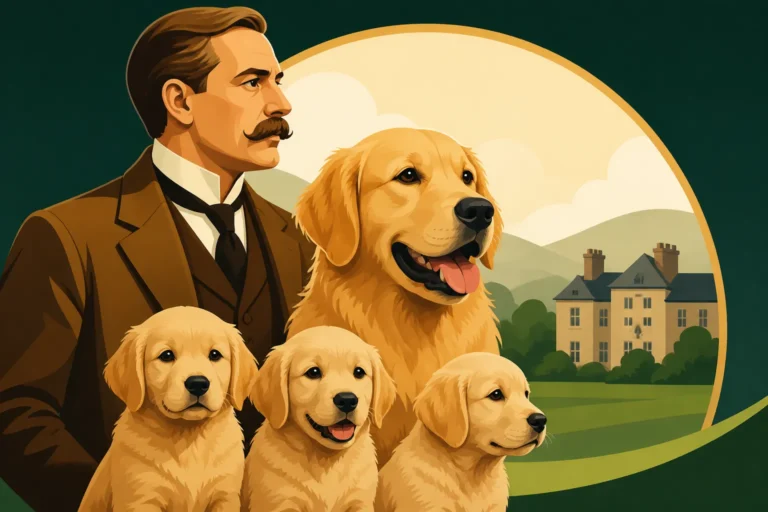
The story of the Golden Retriever isn't some ancient mystery shrouded in the mists of time; it's a relatively recent, well-documented tale thanks to the diligent record-keeping of one man: Dudley Coutts Marjoribanks, also known as Lord Tweedmouth. He was a Scottish aristocrat with a passion for hunting and a profound desire to create the ultimate gun dog for the challenging terrain and wet conditions of the Scottish Highlands.
A Passion for a Versatile Retriever
Imagine the scene: vast estates, challenging weather, and game birds that needed to be retrieved from both land and icy water without being damaged. Lord Tweedmouth, from his beautiful Guisachan Estate in Inverness-shire, was deeply involved in hunting. He observed the retrieving breeds of his time and found them lacking in certain areas. Some were excellent at tracking but perhaps too aggressive with game; others had a soft mouth but lacked stamina in harsh conditions. He envisioned a dog with unparalleled scenting ability, a natural retrieving instinct, an exceptionally "soft mouth" (meaning they could carry game gently without crushing it), intelligence, biddability, and a coat that could withstand the elements. He wasn't just looking for a pretty face; he needed a highly functional, resilient working partner. This intense focus on specific traits laid the groundwork for the Golden Retriever as we know it today.
Lord Tweedmouth wasn't just a casual breeder. He had a very clear purpose and took meticulous notes on his breeding program, which was a rarity for the time. He wasn't content with just any retriever; he wanted one that excelled in every aspect required of a gundog in the rugged Scottish landscape. His frustration with the existing breeds fueled his ambition to create something truly exceptional. He wanted a dog that was not only adept in the field but also a gentle and loyal companion at home, a combination that many found elusive in other breeds. This drive for perfection set the Golden Retriever on its path to becoming one of the most beloved breeds worldwide. If you're curious to dive deeper into the man himself, you'll find more fascinating details in Lord Tweedmouth and the First Golden Retrievers.
The Importance of the Guisachan Estate Records
Perhaps the most crucial aspect of understanding the Golden Retriever's origins is the existence of Lord Tweedmouth’s private stud book, meticulously kept from 1869 to 1890. For decades, prior to the widespread availability of these records, there was a fanciful but persistent myth that Golden Retrievers were descended from Russian circus dogs. Picture it: a troupe of yellow Russian sheepdogs, bought from a circus and brought to Scotland. It made for a great story, but it was, unfortunately, pure fiction.
These detailed records, later published by his great-nephew, finally put that particular myth to rest. The stud book outlined every single pairing, every birth, and every deliberate cross that Lord Tweedmouth made. It was a clear, unambiguous account of his breeding program, leaving no room for speculation about exotic circus dogs. The records revealed a carefully planned, scientific approach to dog breeding, driven by a specific set of desired traits rather than chance or novelty. This documented history provides an invaluable blueprint for the breed, making the Golden Retriever's origin story one of the best-preserved in the canine world. It’s a testament to his foresight that we have such a clear picture of how The Guisachan Estate Where Golden Retrievers Began truly became the birthplace of the breed.
The Foundational Pair: Nous and Belle
At the very heart of the Golden Retriever's lineage lies a specific, deliberate pairing that kicked off the entire breeding program. This wasn't some random match, but a carefully considered decision by Lord Tweedmouth, bringing together two dogs with unique and complementary traits that he believed would lay the perfect groundwork for his ideal retriever.
Nous, the "Yellow Retriever"
The story truly begins in 1868 when Lord Tweedmouth acquired a dog named Nous. Nous was a significant purchase, obtained from a cobbler in Brighton who had, in turn, acquired him from a gamekeeper. What made Nous special? He was a "yellow" puppy born in a litter of otherwise black Wavy-Coated Retrievers. At the time, retrievers were predominantly black, and yellow was considered an unusual, even undesirable, color. However, Lord Tweedmouth saw something beyond his coat color. He recognized in Nous a robust build, an intelligent gaze, and a retrieving instinct that was exceptional.
Nous was, in essence, a pioneer. His solitary yellow hue among his black siblings made him a standout, and Lord Tweedmouth’s decision to select him was purely based on his potential, not on prevailing aesthetic trends. He was a gundog through and through, possessing the drive and intelligence required for retrieving work. He was the patriarch, carrying the specific genetic blueprint that would eventually lead to the distinctive golden coat of the breed, combined with the strong working ethics Lord Tweedmouth so highly valued. Without Nous, the golden color might never have been consistently developed in this line of retrievers. You can learn even more about this pivotal figure in Nous and Belle: The Golden Retriever's Foundation Pair.
Belle, the Tweed Water Spaniel
The other half of this foundational pair was a female dog named Belle, a Tweed Water Spaniel. And here's where things get really interesting, because the Tweed Water Spaniel is now an extinct breed. It was a hardy, active dog, known for its intelligence, eagerness to please, and exceptional swimming ability. These dogs were native to the Tweed River area, hence their name, and were highly prized by local hunters for their ability to retrieve waterfowl from cold, swift rivers.
Belle brought a critical set of traits to the equation. She possessed that coveted "soft mouth," essential for retrieving game without damaging it, a trait often sought but not always found in other retrieving breeds. Her strong swimming prowess and dense, water-resistant coat were perfectly suited for working in aquatic environments, directly addressing Lord Tweedmouth’s need for a dog that could excel in Scotland's wet climate. Furthermore, her biddable and keen-to-please temperament was exactly what he desired for a dog that would work closely with a handler. The combination of Nous’s retrieving drive and yellow coat with Belle’s water skills and soft mouth was a stroke of genius, a calculated risk that paid off handsomely. It was the crucial genetic contribution that truly defined the early Goldens, cementing the water-loving nature and gentle retrieving style that are hallmarks of the breed. To understand the profound impact of Belle's breed, consider reading The Tweed Water Spaniel Behind Every Golden Retriever.
Expanding the Gene Pool: Carefully Selected Crosses
The initial pairing of Nous and Belle was just the beginning. Lord Tweedmouth, with his scientific approach to breeding, understood that to solidify desired traits, enhance working ability, and maintain genetic health, he needed to strategically introduce other breeds into his burgeoning line. These were not random acts, but highly deliberate decisions aimed at refining his vision.
The First Litter and Beyond
Nous and Belle produced their first litter in 1868. This litter included four yellow puppies: Crocus, Cowslip, Primrose, and Ada. These puppies were the very first generation of what we would come to know as Golden Retrievers. Lord Tweedmouth kept Cowslip, a female, and she became integral to his continuing breeding program. The observations from this first litter were crucial. They exhibited the desired yellow coat, strong retrieving instincts, and a biddable nature that suggested they were on the right track. This initial success reaffirmed his belief in the Nous x Belle cross and gave him the foundational stock to build upon.
Cowslip was later bred back to her sire, Nous, which is a common practice in foundational breeding to fix desired traits and reinforce the specific characteristics of the initial cross. This deliberate inbreeding, carefully managed, was designed to strengthen the emergent "Golden" type. Subsequently, Cowslip was also bred with another Tweed Water Spaniel. This continuous, measured approach to breeding, tracking each generation, allowed Lord Tweedmouth to meticulously select for the traits he wanted, slowly but surely shaping the breed. It was a long-term project, carefully documented, ensuring that the traits observed in Crocus, Cowslip and Primrose: The First Goldens would be passed down and refined.
Strategic Introductions: Irish Setter and Bloodhound
To further refine and enhance the evolving Golden Retriever, Lord Tweedmouth introduced a few other carefully chosen breeds. These were not arbitrary additions but strategic decisions to infuse specific qualities that he felt would perfect his ideal gundog.
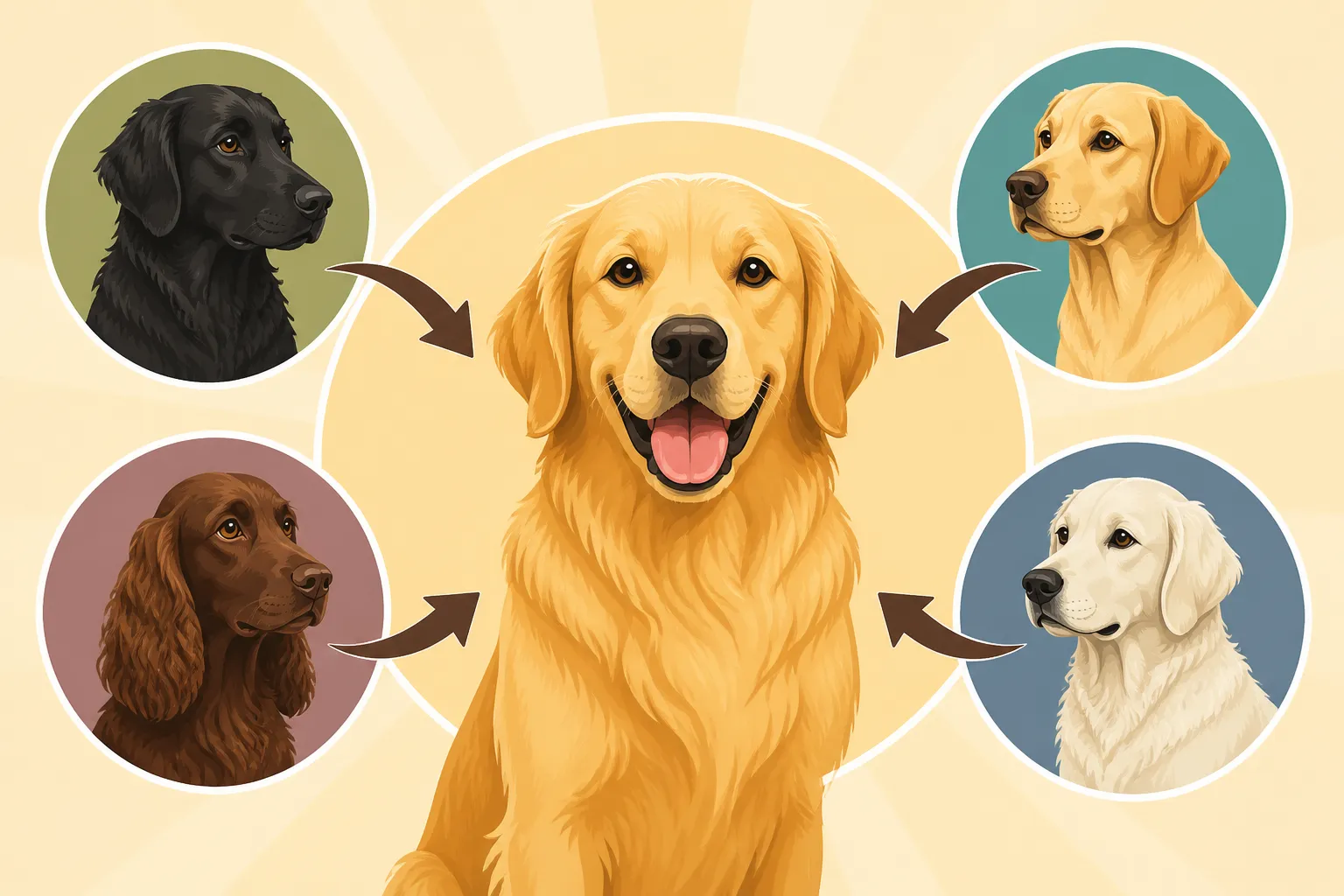
One notable introduction was the Irish Setter. This breed was known for its exceptional scenting ability, incredible stamina, and striking red coat. By crossing an Irish Setter into his line, Lord Tweedmouth aimed to improve the Golden's ability to track game over long distances and infuse a richer, deeper golden hue into the coat, which explains Why Goldens Were Once Called Yellow Retrievers before their color range expanded. The result was a dog with even greater endurance and a keener nose, vital for hunting in expansive landscapes. This cross also contributed to the overall athleticism and grace that we see in Goldens today.
Another fascinating, albeit less direct, influence came from the Bloodhound. A crossbred Bloodhound, known for its unparalleled tracking abilities and robust constitution, was used early on. The Bloodhound's contribution would have primarily been a boost in scenting power and perhaps a certain robustness and solemnity in expression, adding to the gravitas of the working dog. The careful inclusion of these distinct breeds, managing the balance to retain the core Golden traits while gaining beneficial additions, truly showcases Lord Tweedmouth's mastery of selective breeding. He wasn't just mixing dogs; he was crafting a legacy, selecting specific traits from specific breeds to achieve a composite ideal. This meticulous process ensures the breed's functional excellence. If you are looking for specific grooming tools or special training equipment for your Golden Retriever, resources like Chewy can help you find products that cater to these enhanced instincts and coats.
The Legacy: A Purposeful Creation
The meticulous efforts of Lord Tweedmouth resulted in more than just a new breed; they created a companion whose qualities were deliberately designed for both the field and the home. The legacy of these foundational crosses lives on in every Golden Retriever today, a testament to thoughtful, purposeful breeding.
Crafting the Golden Retriever Temperament
Beyond physical attributes and working ability, Lord Tweedmouth paid immense attention to temperament. He needed a dog that was intelligent, biddable, and eager to please, capable of working in partnership with a human handler without aggression or stubbornness. The breeds he chose—the biddable Tweed Water Spaniel, the intelligent Wavy-Coated Retriever, and later, the spirited Irish Setter and the focused Bloodhound—all contributed to a foundation of desirable temperament traits. The selection process emphasized dogs that were calm under pressure, quick to learn, and possessed an inherent desire to work alongside their human companions.
This careful selection for temperament is why Golden Retrievers are so renowned for their friendly, gentle nature. They were bred to be partners, not just tools. Their "soft mouth" wasn't just a physical trait; it reflected a gentle disposition, a dog capable of carrying a bird without a single feather out of place. This convergence of intelligence, biddability, and a sweet nature is precisely what makes them exceptional family dogs and adaptable working animals, whether as service dogs, therapy dogs, or beloved pets. Understanding this deliberate crafting of their personality helps us appreciate the depth of Golden Retriever Temperament and What to Expect.
Dispelling Common Myths and Solidifying History
It's truly fascinating how persistent some myths can be, especially when a compelling true story exists. For many years, the "Russian circus dog" theory about the Golden Retriever's origin was widely circulated, a testament to how easily romanticized tales can take root. However, thanks to the thorough documentation left by Lord Tweedmouth, we have a clear and precise historical record that stands in stark contrast to such fiction. The real story isn't about exotic performers; it's about a dedicated breeder's vision and careful, scientific selection. If you've ever heard that tall tale, you can now confidently refer to How the Golden Retriever Russian Myth Died for the full debunking.
The true account, validated by The Stud Book That Proved the Golden's Real Origin, reveals a much richer and more purposeful history. It shows that the Golden Retriever was born from a deliberate process of blending specific, known working breeds to create a dog with an unparalleled combination of traits: intelligence, biddability, a soft mouth, excellent retrieving instincts, and a robust constitution suited for challenging conditions. This meticulous approach to breeding is what makes the Golden Retriever such a remarkably consistent and beloved breed. Knowing their true Where the Golden Retriever Came From adds a layer of appreciation for their capabilities and wonderful character. When you’re looking for ways to engage your Golden's natural retrieving instincts or care for their lovely coat, you'll find an abundance of relevant products and advice on platforms like Chewy, which cater to the needs shaped by this very lineage. From high-quality dog food to toys that encourage their gentle retrieving nature, understanding their origins helps tailor their care.
A Summary of Golden Retriever Foundational Breeds
To consolidate the fascinating history we've discussed, here's a table summarizing the primary breeds involved in the Golden Retriever's initial development and their key contributions. It highlights the strategic blending of traits that Lord Tweedmouth orchestrated to achieve his ideal gun dog.
| Foundational Breed | Key Contributions to Golden Retriever Traits |
|---|---|
| Nous (Yellow Wavy-Coated Retriever) | Provided the golden coat color, strong retrieving drive, intelligence, and a robust gundog build. |
| Belle (Tweed Water Spaniel) | Contributed exceptional swimming ability, a gentle or "soft" mouth for retrieving, biddability, and endurance in water. |
| Irish Setter | Introduced enhanced scenting capabilities, increased stamina, and likely influenced the richer, deeper golden hues seen in some Goldens. |
| Bloodhound | Infused superior tracking ability and perhaps a more robust, substantial build, adding to the breed's endurance and scent work proficiency. |
| Other Wavy-Coated Retrievers & Setters | Used for refinement and to maintain genetic diversity, reinforcing the working instincts and physical characteristics. |
This intricate tapestry of breeds, carefully woven together by Lord Tweedmouth, didn't just happen by chance. It was the result of a clear vision, meticulous record-keeping, and a deep understanding of canine genetics and working dog requirements. This incredible story is a cornerstone of The Golden Retriever Breed Explained, showcasing the dedication that went into creating this iconic and beloved companion.
The Enduring Allure of Purposeful Breeding
The journey of the Golden Retriever from Lord Tweedmouth's carefully planned crosses to the ubiquitous, beloved family dog of today is a remarkable testament to purposeful breeding. What often gets overlooked in the stories of famous breeds is the sheer amount of intentionality, observation, and trial-and-error that goes into their creation. It wasn't just about mixing dogs; it was about selectively breeding for specific skills, temperament, and resilience, traits that were essential for a dog working in the challenging Scottish Highlands.
Think about it: Lord Tweedmouth was solving a real-world problem for hunters. He needed a dog that could brave cold water, navigate dense underbrush, possess a keen nose to locate fallen game, and then return it unharmed to hand, all while maintaining an amiable disposition. The breeds he chose were not arbitrary; each one brought a piece of the puzzle. The retrieving prowess of Nous, the water dog skills and soft mouth of Belle, the exceptional scenting and endurance from the Irish Setter, and the tracking ability from the Bloodhound—they all contributed to a synergistic whole that was greater than the sum of its parts. This foundational work is why the Golden Retriever is often cited as a benchmark for versatility and temperament.
It’s easy to get caught up in the current trends or debates surrounding dog breeds, but stepping back to appreciate these historical origins reminds us of the incredible dedication of early breeders like Lord Tweedmouth. His commitment ensures that even today, when you bring home a Golden Retriever puppy, you are welcoming a dog whose ancestors were specifically chosen for their intelligence, eagerness to please, and unwavering loyalty. These are traits that continue to define the breed and are why so many of us rely on resources, for everything from nutrition to training, like those offered by Chewy, to support our Goldens throughout their lives. When Lord Tweedmouth Started Breeding Golden Retrievers, he set in motion a legacy that continues to enrich countless lives.
Disclaimer
This article is for general informational purposes only and does not constitute professional advice. Laws, prices and regulations vary by location and change over time. Consult a qualified professional for guidance on your specific situation.