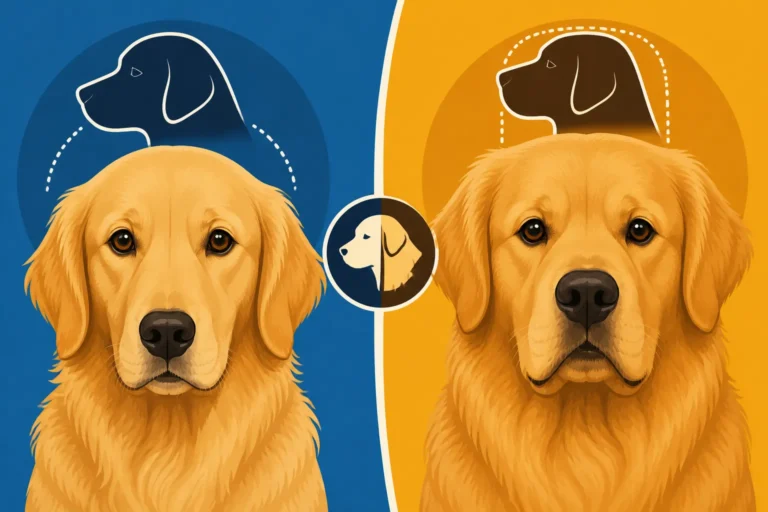
Whether Golden Retrievers Are Good Guard Dogs
It's a common thought when you bring home a big, beautiful Golden Retriever: "Surely, with that size and presence, they'll be a great deterrent, a protector for my home and family." Many new owners hope their affectionate furry friend will also act as a steadfast guardian, but the reality can be quite different from this expectation. This guide will explore the true nature of Golden Retrievers, examining their inherent temperament and historical purpose to clarify why they typically aren't suited for traditional guard dog duties, and what kind of protection you can expect from them.
Understanding the Golden Retriever Temperament: Nurturing, Not Guarding
Golden Retrievers are renowned for their gentle, friendly, and outgoing personalities, traits that are deeply ingrained in their breed standard and history. This inherent disposition, while making them fantastic family companions, actually works against the characteristics needed for an effective guard dog. Their nature is to be an ambassador of goodwill, not a suspicious sentinel.
Their Innate Friendliness and Trust
If you've ever met a Golden Retriever, you've likely experienced their signature greeting: a wagging tail, a soft nudge, and an undeniable desire to make new friends. This isn't just a quirk; it's fundamental to who they are. Goldens are bred to be sociable and trusting, traits that are crucial for their historical role as hunting partners working closely with humans and other dogs. They tend to view strangers as potential new playmates or sources of attention, rather than threats.
Imagine a delivery driver approaching your front door. A true guard dog might stand its ground, barking fiercely and displaying a clear boundary. Your Golden Retriever, however, is far more likely to approach with an excited tail wag, perhaps even offering a favorite toy as a welcoming gesture. They simply don't possess the natural suspicion or territorial aggression that makes a breed a good protector against intruders. Their friendliness extends to almost everyone, from the mail carrier to a person they've never seen before walking down the street. It’s a wonderful quality for a pet, but not ideal for home security. You can read more about Golden Retrievers With Strangers to understand this behavior better.
The "Soft Mouth" and Retrieval Instinct
The very name "retriever" points to their primary purpose: to retrieve fallen game for hunters, often delicate birds, without damaging them. This required a "soft mouth"—the ability to carry things gently, without biting down hard. This instinct translates into their general interaction with the world; they are not prone to aggressive biting or holding onto things with intense force, even in a perceived threat situation.
Instead of displaying aggression, a Golden might "alert" you to a newcomer by carrying something in their mouth, like a slipper or a favorite stuffed animal. It's their way of offering a gift or sharing their excitement, not a warning sign. This "soft mouth" characteristic, a hallmark of the breed, is directly at odds with the forceful, defensive bite that a guard dog might employ. They want to retrieve, not repel. This characteristic is beautifully explored in Why Golden Retrievers Love Carrying Shoes. Their instinct is to bring things to you, or to engage in play, rather than to stand guard with an aggressive posture.
Why Golden Retrievers Lack Guard Dog Instincts
A dog's ability to guard effectively stems from a combination of instinct, temperament, and training. For Golden Retrievers, their genetic blueprint and historical roles simply didn't cultivate the traits necessary for guard work. They were developed for cooperation and companionship, not confrontation.
A History of Partnership, Not Protection
The Golden Retriever breed originated in the Scottish Highlands in the mid-19th century, specifically bred by Lord Tweedmouth to be exceptional hunting companions. Their job was to patiently wait, retrieve game from land and water, and return it undamaged to their human partners. This role demanded intelligence, trainability, a strong desire to please, and a steady, calm demeanor in the field, often working alongside other dogs and people.
There was no requirement for them to be fiercely protective of territory or suspicious of strangers. In fact, a dog that displayed aggression towards other hunters or unfamiliar environments would have been counterproductive to their purpose. Their entire breeding history is centered on being a loyal, biddable, and friendly partner. This deep-seated desire to please and cooperate is part of their charm but inherently diminishes any guard dog potential. Their Golden Retriever Temperament and Personality truly reflects this heritage.
The Absence of Natural Suspicion
Effective guard dogs possess a natural wariness of unfamiliar situations, people, or noises. They are quick to identify potential threats and react with defensive behaviors like barking, growling, or posturing. Golden Retrievers, by contrast, are typically trusting and optimistic. They don't typically exhibit the inherent suspicion or cautious nature that would make them question an intruder's intentions.
Think about how your Golden reacts to new sights or sounds. While they might bark at a sudden loud noise, it's often more out of surprise or an attempt to engage, rather than a deep-seated territorial defense. If someone were to quietly enter your home, a Golden might initially be curious or even approach for a friendly sniff, lacking the immediate defensive response of a German Shepherd or a Doberman. Their default mode is typically "friend," not "foe," which is a crucial distinction when considering a guard dog role. This open, welcoming nature is part of Socializing a Golden Retriever Puppy from a young age, reinforcing their natural tendencies.
Focus on Connection Over Confrontation
Golden Retrievers thrive on human connection and positive interaction. Their primary motivation is to be with their family, participate in activities, and receive affection. This strong bond and desire for companionship mean they are far more interested in engaging with people (even new ones) than in confronting them. They are not dogs that seek out conflict; rather, they excel in environments where harmony and cooperation prevail.
This breed's highly biddable nature means they are generally easy to train, but this trainability is typically directed towards obedience, tricks, or retrieving games, not aggressive defense. While a Golden could theoretically be trained to "attack" or guard, it would go against their natural instincts and could create a conflicted, unhappy, or potentially fear-aggressive dog. Such training would be detrimental to their inherent gentle spirit and could lead to behavioral issues that impact their overall well-being and their wonderful capacity for being a loving family member.
Distinguishing Between a Guard Dog and a Watchdog
It's crucial for prospective dog owners to understand the difference between a "watchdog" and a "guard dog," as these terms are often used interchangeably but describe very different roles. Your Golden Retriever can be one, but almost certainly not the other.
The Watchdog Role: Alert, Not Aggressive
A watchdog's primary function is to alert its owners to an unusual presence or potential threat by barking. They act as an alarm system. They don't necessarily engage with the intruder or try to stop them; their job is simply to make noise and draw attention. Many breeds, including Golden Retrievers, can effectively fulfill this role.
If someone approaches your door or a strange car pulls into your driveway, your Golden might bark to let you know. This is a common and natural behavior for many dogs, driven by their awareness of their surroundings and their desire to communicate with their human companions. This type of barking is a form of alert, not an act of aggression. They might bark at a squirrel in the yard, a passing neighbor, or the postman, just as readily as they would at a genuine intruder. So, while your Golden Retriever may certainly alert you to someone at the door, they are highly unlikely to follow up with any actual protective action beyond that initial bark. This is why it's fair to say Whether Golden Retrievers Make Good Watchdogs is yes, to a certain extent.
Here's a quick comparison of the two roles:
| Feature | Watchdog | Guard Dog |
|---|---|---|
| Primary Role | Alerting owners to an unusual presence | Deterring or apprehending intruders |
| Behavior | Barking, vocalization, drawing attention | Aggression, biting, territorial defense, physical intervention |
| Temperament | Often alert, communicative, can be friendly | Wary of strangers, territorial, confident, often aloof |
| Motivation | Communication, natural alertness | Instinct to protect, territorial drive, trained defense |
| Example Breeds | Golden Retriever, Dachshund, Beagle, Poodle | German Shepherd, Rottweiler, Doberman Pinscher, Akita |
| Golden Suitability | Yes, excellent vocal alerters | No, goes against natural temperament and instincts |
The Guard Dog Role: Deterrent and Defender
A guard dog, on the other hand, is bred and/or trained to not only alert but also to confront, deter, and physically protect property or people from perceived threats. These dogs possess strong territorial instincts, a naturally wary disposition towards strangers, and the confidence to engage in defensive actions. Their presence alone can be a significant deterrent.
Breeds typically suited for guard dog duties often exhibit traits like strong protective instincts, physical prowess, and a willingness to confront. They require specialized training to channel these instincts effectively and safely. Expecting a Golden Retriever to fill this role is akin to asking a gentle giant to become a fierce warrior. Their sweet, people-loving nature makes them inherently unsuited for this kind of work. They don't have the natural inclination to be aggressive or to hold their ground against a perceived threat with the intention of causing harm. Their primary impulse is to appease, to connect, and to bring joy, which are wonderful traits, just not those of a guard dog.
Realistic Expectations: What Your Golden Retriever Will Do
So, if your Golden Retriever isn't going to be a fierce protector, what can you realistically expect from them in terms of home security and family safety? The good news is, they offer a unique kind of protection and bring invaluable qualities to your household.
The Bark of Alertness (Sometimes)
While your Golden won't be a snarling guard dog, they will certainly use their voice. As discussed, they can be excellent watchdogs. A Golden Retriever is often quick to bark when someone approaches the house, a delivery truck pulls up, or an unfamiliar sound startles them. This immediate vocalization serves as an effective alert system for you, the homeowner. You'll know if someone is at your door or lingering outside long before they might ring the doorbell.
This alerting bark can certainly be a deterrent on its own. Many potential intruders are looking for an easy target and might be put off by the sound of a large dog barking, even if that dog's intentions are entirely friendly. The sheer sound of a Golden can make someone think twice. However, it's important to remember that this barking might also be directed at a squirrel or a bird, so it's not always indicative of a genuine threat. Understanding Golden Retriever Barking and What Triggers It can help you interpret their vocalizations. You might consider using puzzle toys and chews, easily found at places like Chewy, to redirect excessive barking or boredom that sometimes contributes to it.
The Warm Welcome (Always)
One of the most defining characteristics of a Golden Retriever is their unwavering friendliness. When an actual guest arrives, even an unfamiliar one, your Golden is almost guaranteed to offer a warm welcome. This might involve a vigorous tail wag, a happy rumble, or even an attempt to "greet" them with a soft toy in their mouth. This charming behavior, while lovely for friends and family, means they are unlikely to intimidate anyone who isn't already afraid of dogs.
This boundless enthusiasm for people is part of what makes them such beloved family pets. They thrive on interaction and being part of the action. This might mean they're the first to greet a new babysitter with a wagging tail or welcome a new friend into your home with a gentle nudge. This characteristic is precisely why they excel as therapy and service dogs – their calm, friendly disposition puts people at ease, which is the antithesis of a guard dog's job. This friendly nature is something to embrace, not fight, and it’s a huge part of How Affectionate Golden Retrievers Are.
Your Golden Retriever's True Protective Instinct
While Golden Retrievers aren't typically inclined towards physical defense, they do possess a powerful, albeit different, protective instinct: their loyalty and devotion to their family. A Golden Retriever's presence provides immense comfort and companionship, creating a secure and loving home environment. They are incredibly attuned to their family's emotions and can sense when you are upset or distressed.
This emotional sensitivity means they might stay close to you if they perceive you are sad or scared, offering a comforting presence. Their vigilance comes in the form of emotional support and unwavering companionship, not aggression. They protect your heart and your emotional well-being. Furthermore, their sheer size and distinctive bark can still serve as a visual and auditory deterrent. The sight of a large, well-fed dog in a yard or house, even a friendly one, can make a criminal think twice. So, while they won't be a "guard dog" in the traditional sense, they are deeply protective of their family's happiness and will bring an unmatched sense of warmth and security to your home. Why Golden Retrievers Follow You Room to Room highlights this constant desire to be near you, a testament to their deep bond.
Disclaimer
This article is for general informational purposes only and does not constitute professional advice. Laws, prices and regulations vary by location and change over time. Consult a qualified professional for guidance on your specific situation.