Socializing a Golden Retriever Puppy
It's a huge joy to bring a fluffy Golden Retriever puppy home, but that initial excitement often comes with a wave of anxiety, especially when you realize just how much responsibility falls on your shoulders, particularly regarding socialization. Many new Golden parents feel completely overwhelmed, worried they'll miss crucial developmental windows or, even worse, inadvertently expose their tiny fluffball to something that might scare them for life. You're not alone in feeling this pressure; the good news is that with a clear, empathetic roadmap, you can confidently guide your Golden Retriever puppy to become the well-adjusted, friendly companion they were born to be. This guide is here to walk you through every step of successful socialization, turning those worries into confidence.
Understanding the Golden Retriever's Social Nature
Golden Retrievers are renowned for their sunny dispositions, their boundless enthusiasm, and their seemingly innate ability to make friends with everyone they meet. This isn't just a happy accident; it's a testament to centuries of careful breeding that instilled a deep desire for companionship and cooperation. Understanding this fundamental aspect of their character is the first step in successful socialization. They want to be social, and our job is to show them how to do it politely and confidently.
Why Socialization is Crucial for Goldens
While Golden Retrievers generally have wonderful temperaments, a lack of proper socialization can still lead to behavioral issues that might surprise new owners. Without adequate exposure, even a naturally friendly Golden can become shy, fearful, or even reactive. Imagine a sweet, happy puppy who suddenly becomes terrified of bicycles, men with hats, or even other dogs simply because they weren't introduced to these things positively during their formative weeks. It can be heartbreaking to watch, and it makes daily life much more challenging. Proper socialization ensures your Golden learns that the world is a safe and interesting place, full of positive experiences, rather than something to be feared. It's about building resilience and confidence, not just teaching manners.
The Golden Retriever's Natural Affection Towards People and Animals
Golden Retrievers genuinely love people. They thrive on interaction, praise, and being a part of the family. This inherent affection extends to other animals, too, given the right introductions. They are often described as "velcro dogs" because of how closely they want to be involved in their human's lives. This makes them fantastic candidates for therapy work and family life, but it also means they need to learn appropriate ways to express that affection. A Golden who jumps exuberantly on every person they meet, or barks incessantly at every dog on the street, isn't being rude intentionally; they're just trying to say hello in the loudest, most physical way they know how. Socialization helps them channel that fantastic, loving energy into polite greetings and calm interactions, strengthening their bond with you and everyone they meet. You can read more about Golden Retriever Temperament and What to Expect to set your expectations correctly.
Common Pitfalls of Under-Socialization in the Breed
Under-socialization is a real concern for Goldens, despite their outgoing nature. One common pitfall is selective socialization, where a puppy only meets people or dogs who look exactly like the ones in their immediate family. This can lead to fear or apprehension around individuals who are different, be it children, people in wheelchairs, or different breeds of dogs. Another issue is insufficient exposure to various environments. A puppy who only experiences quiet suburban streets might become overwhelmed in a busy downtown area. A Golden who hasn't been desensitized to loud noises might develop severe thunderstorm or fireworks anxiety. Without a broad range of positive experiences, even the friendliest Golden can develop insecurities that manifest as fear, anxiety, or even mild aggression, making their world, and yours, much smaller.
The Critical Socialization Windows: Timing is Everything
Think of a Golden Retriever puppy's brain as a sponge, soaking up every experience and forming connections at an incredible rate. There are specific periods during their early development where this sponge is especially receptive to new information, particularly regarding how they perceive the world and its inhabitants. Missing these windows doesn't mean all hope is lost, but it certainly makes the journey much harder later on. Understanding these crucial timing elements is paramount to raising a well-adjusted dog.
The Primary Socialization Period (3-16 Weeks)
This is often referred to as the "golden window" for socialization, and it's a period of intense learning and development. From around three weeks of age, after they've left their littermates and mother, until about sixteen weeks, puppies are incredibly open to new experiences and stimuli. During this time, every positive interaction with people, other friendly dogs, new sights, sounds, and textures helps build a strong foundation of confidence. It's not just about meeting a lot of things; it's about making sure those encounters are overwhelmingly positive, short, and calm. This is when you want to gently introduce them to different ages of people, different breeds of dogs, car rides, the vacuum cleaner, and the doorbell, all with plenty of treats and praise. Starting a structured program early on can be incredibly beneficial. For instance, programs like those offered by BAXTER & Bella provide guided curriculum for this crucial stage, helping owners navigate these early weeks with confidence.
Continued Socialization Through Adolescence
Many owners breathe a sigh of relief once their Golden passes the 16-week mark, thinking socialization is "done." However, Golden Retrievers go through an adolescent phase, typically from six months up to two years, where their confidence can waver, and some of their earlier good behaviors might regress. This is why continued, positive exposure is so important. They might suddenly seem more fearful of something they previously ignored, or they might become more selective about the dogs they enjoy playing with. During this phase, it's crucial to keep up with walks in varied environments, maintain positive interactions with new people and dogs, and reinforce their training. Think of it as solidifying the foundation you built during the primary window; you're ensuring the lessons stick and that they continue to mature into a confident adult. This period is also when you'll truly be working on Training a Golden Retriever From Puppy to Adult.
Balancing Safety and Exposure During Vaccination Period
This is perhaps the biggest dilemma for new puppy owners: how do you socialize your Golden Retriever puppy when they haven't had all their vaccinations? Vets rightly advise caution to protect puppies from serious diseases like parvovirus and distemper. However, waiting until a puppy is fully vaccinated at 16 weeks means missing a significant portion of that critical socialization window. The key is controlled exposure.
Here's how to safely navigate this tricky period:
- Puppy Classes: Enroll in well-run puppy classes that require proof of initial vaccinations and maintain strict cleaning protocols. These classes are designed to offer safe, supervised interactions with other puppies and people. Many experienced trainers run excellent programs, and finding a good one can be a lifesaver. You can also explore whether Puppy Classes Worth It for a Golden Retriever aligns with your goals.
- Known, Vaccinated Dogs: Arrange playdates with healthy, temperamentally sound adult dogs you know are fully vaccinated and have no history of aggression or illness. Avoid dog parks or public areas where the vaccination status and temperament of other dogs are unknown.
- Safe Environments: Take your puppy to places where the risk of exposure to unvaccinated dogs or contaminated surfaces is low. This could include friends' houses with clean yards, pet stores where dogs are on leashes and the floor is regularly cleaned, or quiet suburban streets for walks where you can control interactions. Carry your puppy in public until they are fully vaccinated if you are concerned about ground exposure.
- People Exposure: Focus heavily on positive interactions with a wide variety of people in safe settings. Have friends and family (vaccinated and healthy) visit your home, or carry your puppy in a sling or carrier when out in public to expose them to sights and sounds without direct ground contact.
| Socialization Activity | Ideal Age Range | Safety Considerations | Benefits |
|---|---|---|---|
| Puppy Classes | 8-16 weeks | Vet-approved, strict vaccination & cleaning rules | Controlled interaction with peers, exposure to new people/places, basic training foundation |
| Playdates (known dogs) | 8+ weeks | Only with healthy, vaccinated, well-tempered adult dogs | Learning appropriate dog-dog communication, energy outlet |
| Meeting new people | 8-20 weeks | Introduce calmly, positive reinforcement, varied demographics | Builds confidence, reduces fear of strangers, encourages polite greetings |
| Car rides | 8+ weeks | Short, positive, associate with fun destinations | Prevents motion sickness, desensitizes to travel |
| Vet visits | 8+ weeks | Positive-only, "happy visits" without procedures | Reduces fear of vet, builds positive associations |
| Grooming sessions | 10+ weeks | Gentle, short, positive reinforcement for brushing, nail trims | Familiarity with handling, makes future grooming easier |
| Exposure to sounds | 8+ weeks | Gradual introduction to household noises, city sounds (low volume) | Desensitization to loud/unusual noises, reduces anxiety |
| Exploring textures | 8+ weeks | Concrete, grass, carpet, wood, grates (safe surfaces) | Comfort with different walking surfaces |
| Public parks (carry) | 8-16 weeks | Carry puppy, avoid ground contact, focus on sights/sounds | Visual exposure to varied environments, people, and distant dogs |
Introducing Your Golden Retriever Puppy to People
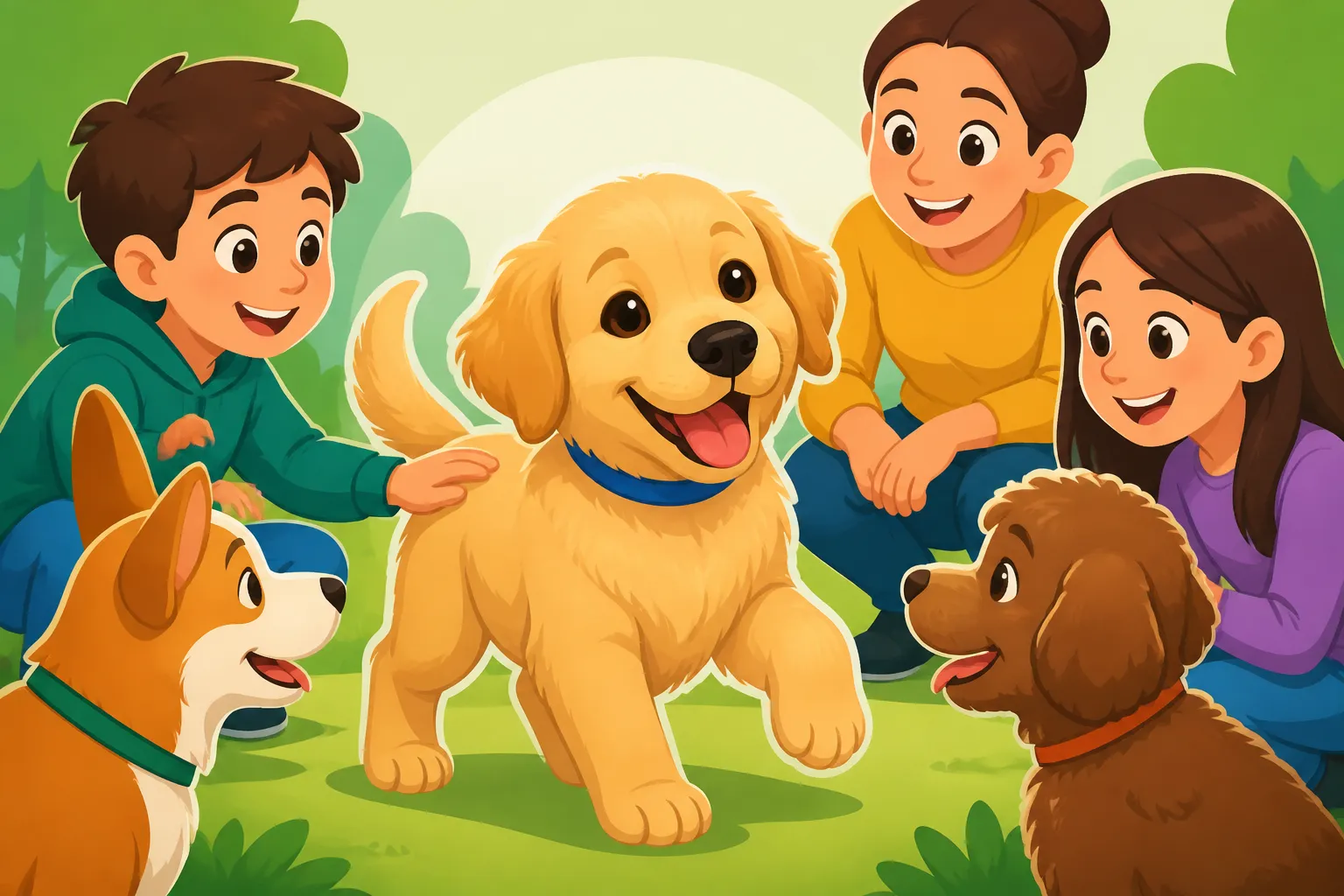
Golden Retrievers are practically bred to be people-pleasers, but even with this natural inclination, deliberate and positive introductions to a diverse group of humans are non-negotiable for their social development. We want them to love everyone, but also to understand boundaries and greetings. The goal is a confident, happy dog who enjoys meeting new folks without being overly exuberant or shy.
Gentle Encounters with Family and Friends
Your Golden Retriever puppy's first and most important human interactions will be with your family and close friends. These are the people who will form the core of their world, and their positive experiences here will set the stage for all future interactions. Start by having everyone in your household interact gently and calmly with the puppy. Teach children how to properly approach, pet, and play, always supervised. Encourage friends who visit to offer treats and speak in soft, encouraging tones. It’s not just about petting; it’s about gentle handling, getting used to different voices, appearances (glasses, hats, beards), and smells. These early, consistent, and positive encounters build a strong foundation of trust and teach your puppy that humans are a source of comfort, fun, and delicious things. Remember, a calm, happy puppy now means a calm, happy adult later. This is especially vital if you have kids at home, and our guide on Introducing a Golden Retriever to Children can offer more insights.
Meeting Strangers of All Shapes and Sizes
Once your puppy is comfortable with familiar faces, it's time to branch out. The world is full of incredible diversity, and your Golden needs to experience it all. Think about the variety of people they might encounter: tall people, short people, people wearing uniforms, people carrying umbrellas, people using walkers or wheelchairs, people of different ethnicities, men, women, and children of all ages. Each interaction should be positive and low-pressure. Ask strangers to crouch down, offer a treat (you can carry a small bag of high-value treats for this purpose), and let the puppy approach at their own pace. Avoid overwhelming your puppy with too many people at once. Short, sweet encounters are much more beneficial than long, stressful ones. If your puppy seems hesitant, don't force it. Let them observe from a distance, and reward calm curiosity. The goal isn't for them to instantly love everyone, but to learn that new people are generally safe and can sometimes even be a source of good things.
Exposure to Different Environments and Sounds
Socialization isn't just about people; it's about the entire world around them. Exposing your Golden Retriever puppy to various environments and their associated sounds helps them develop resilience and prevents fear later on. This could mean taking them on short, positive trips to a local park (carried, if not fully vaccinated), sitting on a bench outside a coffee shop, or just walking them down a busy sidewalk in your neighborhood.
The key is to observe your puppy's comfort level. Are they curious, wagging their tail, and taking in the sights? Great! Are they tucking their tail, trying to hide, or showing signs of stress? Time to calmly remove them from the situation and try again later with less intensity.
Expose them to common household sounds like vacuums, blenders, doorbells, and even the TV at varying volumes. Play recordings of city noises, fireworks, or thunderstorms softly at first, gradually increasing the volume over time, always paired with treats and praise. This systematic desensitization helps them understand these sounds are normal parts of life and not something to be feared. A comprehensive Socialization Checklist for a Golden Retriever Puppy can help ensure you cover all your bases.
Socializing Your Golden Retriever with Other Dogs and Animals
Golden Retrievers are generally very dog-friendly, eager to play and engage. However, even the most well-meaning Golden can develop issues if their early interactions with other animals aren't carefully managed. It's about quality over quantity, and ensuring every encounter is a building block for positive relationships, not a source of stress or bad habits.
Carefully Chosen Puppy Classes and Playdates
As mentioned earlier, puppy classes are a fantastic resource for dog-dog socialization, especially during that critical early window. Look for classes that prioritize positive reinforcement and ensure all puppies are screened for health and temperament. A good class will supervise play, teach appropriate interaction, and provide opportunities for puppies to meet various breeds and sizes.
Beyond classes, carefully selected playdates are invaluable.
- The "Rule of Two": Always ensure the other dog is known to you, fully vaccinated, and has a proven calm and friendly temperament. Avoid unknown dogs at dog parks until your Golden is much older, fully vaccinated, and you understand their play style.
- Supervision is Key: Always supervise play sessions, intervening if play gets too rough or if one dog seems overwhelmed. Look for signs of stress or discomfort in either dog (e.g., lip licking, yawning, tail tucked, trying to escape).
- Short and Sweet: Keep early playdates relatively short. A 15-20 minute positive interaction is far better than an hour-long session that ends in exhaustion or conflict. End on a good note.
- Varied Playmates: Try to introduce your Golden to a range of dog breeds, sizes, and ages. This helps them learn different play styles and communication cues, making them more adaptable.
Safe Interactions with Known, Vaccinated Adult Dogs
While puppy play is important, interaction with calm, well-mannered adult dogs is perhaps even more crucial. Adult dogs can teach puppies proper canine etiquette, often known as "polite corrections," far better than another puppy can. An adult might offer a gentle growl or a firm body block if a puppy is too pushy, teaching boundaries without causing harm.
Again, the emphasis is on known and vaccinated adults. Don't simply let your puppy run up to every dog you see on a walk.
- Meet in Neutral Territory: For initial introductions, a neutral space like a quiet park or a large, fenced yard is best.
- Leashed, Then Unleashed: Start with both dogs on loose leashes (no tension) for a brief sniff, then allow them off-leash if both are relaxed and showing positive body language.
- Observe and Redirect: Watch for appropriate play. If the puppy is too overwhelming, or the adult seems annoyed, gently redirect or separate them for a break.
- Positive Reinforcement: Reward calm, polite interactions with praise and treats.
These interactions teach your Golden vital communication skills, such as how to read other dogs' body language, how to invite play, and when to back off.
Introducing a Golden Retriever to a Cat and Other Household Pets
Many Golden Retrievers live happily alongside cats, rabbits, or other small household pets, but successful integration requires careful, supervised introductions. Their natural retrieving instinct might make them initially curious or even a little too eager to "play" with a small, fast-moving creature, which can be scary for the other pet.
- Start Slowly (Scent First): Before direct introductions, allow them to get used to each other's scent. Swap blankets, or let them sniff each other under a closed door.
- Controlled Visuals: Use baby gates or crates to allow the Golden Retriever puppy and the other pet to see each other without direct contact. Reward calm behavior from both. Ensure the cat or small pet always has an escape route and high places to retreat to. Our detailed post on Introducing a Golden Retriever to a Cat offers excellent advice on this specific challenge.
- Leashed Introductions: For initial direct interactions, keep your Golden puppy on a leash. This allows you to quickly intervene if they become too boisterous.
- Positive Reinforcement: Heavily reward your Golden for calm, gentle behavior around the other pet. Offer treats when they are quietly observing or ignoring the other animal.
- Never Leave Unsupervised: Until you are absolutely confident that both animals are comfortable and safe with each other, never leave them alone together. This process can take weeks or even months.
- Respect Boundaries: Teach your Golden to respect the other pet's space. If the cat hisses or the rabbit thumps, calmly remove your Golden and redirect their attention. The goal is coexistence, not necessarily best friends immediately.
Navigating New Environments and Novel Experiences
Beyond just people and other animals, a huge part of socialization involves exposing your Golden Retriever puppy to the vast, varied world they'll live in. Think of it as creating a mental Rolodex of "things that are normal and safe" for your puppy. The more positive experiences they have in diverse settings, the more confident and adaptable they will become as adults.
Car Rides, Vet Visits, and Grooming Sessions
These are routine parts of a dog's life, and making them positive experiences from the start can prevent a lifetime of stress for both you and your Golden.
- Car Rides: Start with short, positive trips that don't always end at the vet. Just a quick drive around the block, followed by a treat and praise, helps them associate the car with good things. Slowly increase the duration. Use a secure crate or a car harness for safety. If your pup gets carsick, talk to your vet about solutions. The goal is for the car to be a neutral, comfortable space, not a source of anxiety.
- Vet Visits: Don't just go to the vet when your puppy needs a shot or is sick. Schedule "happy visits" where you just go in, let the puppy get treats from the staff, sniff around, and then leave. This builds positive associations with the clinic, the smells, and the people. During actual exams, offer high-value treats to distract and reward calm behavior. Teach your puppy to be comfortable with gentle handling of their ears, paws, and mouth at home so the vet can do their job more easily. You can find out more about The First Vet Visit for a Golden Retriever Puppy to prepare adequately.
- Grooming Sessions: Golden Retrievers need regular grooming, so early positive experiences are essential. Introduce brushing gently with a soft brush, followed by treats. Handle their paws, play with their ears, and get them used to having their nails touched (even if you're not clipping them yet). Bathe them with lukewarm water and plenty of praise. The more comfortable they are with these procedures as puppies, the less struggle you'll face later. Regular, short, positive exposure is key.
Public Places: Parks, Stores, and Sidewalks
Once your Golden Retriever puppy is fully vaccinated and you've got a good handle on their basic manners, it's time to explore the bigger world. Remember, the goal is exposure, not necessarily interaction with every living thing.
- Parks (On-Leash): Take them to various types of parks – quiet neighborhood parks, bustling city parks, nature trails. Expose them to children playing, people walking, joggers, bicycles, and even other dogs (from a safe distance). Focus on loose-leash walking and rewarding calm observation. You can learn how to teach Loose Leash Walking With a Golden Retriever effectively.
- Pet-Friendly Stores: Many hardware stores, craft stores, and even some department stores welcome well-behaved, leashed dogs. This is a fantastic opportunity for exposure to new sights, sounds, smells, and floor textures, all in a controlled indoor environment. Remember to bring treats and reward quiet walking and ignoring distractions.
- Sidewalks and Urban Areas: The city can be a cacophony of sounds and sights: sirens, buses, street performers, construction noise, crowds. Start with quieter times and gradually introduce them to busier periods. The goal is for your puppy to remain calm and focused on you, even amidst distractions. Again, positive reinforcement is your best friend here. If they seem overwhelmed, calmly move to a quieter spot.
Exposure to Different Surfaces, Textures, and Objects
It might sound simple, but getting your Golden Retriever puppy comfortable with various surfaces and objects can prevent unexpected fears. Imagine a confident Golden suddenly refusing to walk on a metal grate or a shiny floor.
- Different Surfaces: Let your puppy walk on grass, concrete, asphalt, gravel, sand, wood, tile, linoleum, carpet, rubber mats, and even metal grates (if safe and stable). Reward them for confidently walking on these surfaces.
- Textures: Provide different textures for them to explore with their paws and mouths (safe chew toys, fabric scraps, cardboard boxes). This sensory exploration helps them become more adaptable.
- Novel Objects: Expose them to everyday objects that might seem strange: opened umbrellas, shopping carts, strollers, bicycles, trash cans, statues, flagpoles. Let them sniff and investigate at their own pace, always associating these objects with treats and praise. The goal is to demystify the world, teaching them that new things are usually harmless and sometimes even interesting.
Addressing Common Socialization Challenges
Even with the best intentions and a diligent socialization plan, Golden Retrievers can still face challenges. It's important to remember that every dog is an individual, and some will naturally be more sensitive or boisterous than others. Recognizing these challenges early and knowing how to address them with patience and positive reinforcement is key to a well-adjusted adult.
Fearful Behavior in a Golden Retriever
It can be heartbreaking to see your usually happy Golden Retriever puppy suddenly exhibit fear, whether it's tucking their tail at the sight of a new person, cowering from a loud noise, or shying away from an unfamiliar object. This isn't a sign of a bad dog; it's a sign they need your help.
- Don't Force It: The absolute worst thing you can do is force a fearful Golden into a situation they're scared of. This only exacerbates the fear and erodes trust.
- Go Below Threshold: Identify what triggers their fear and present it at such a low intensity that your puppy barely notices it, or can observe it calmly. This is called staying "below threshold." For example, if they're scared of men with hats, start by having a man without a hat stand far away, then gradually introduce the hat from a distance, rewarding calm behavior at each step.
- Positive Association: Pair the scary thing with high-value treats and praise. If they're scared of the vacuum, turn it on in another room (low volume), give treats, and turn it off. Gradually bring it closer and increase volume, always making sure the treats only appear when the vacuum is on.
- Be Patient: Overcoming fear takes time and consistency. Celebrate small victories and don't get discouraged by setbacks. Seek professional guidance from a positive reinforcement trainer or behaviorist if the fear is severe or doesn't improve. Our article on Fearful Behavior in a Golden Retriever offers even more in-depth strategies.
Over-Excitement and Jumping on People
Golden Retrievers are often affectionately called "wiggle butts" due to their enthusiastic greetings. This energy can quickly turn into over-excitement and jumping, which, while endearing as a puppy, becomes problematic and potentially dangerous with a large adult dog. It's a classic example of their natural affection needing polite boundaries. Our post on Stopping a Golden Retriever From Jumping on Guests delves deeper into these specific techniques.
- Teach an Alternative: Don't just tell them "no jumping." Teach them what you do want. A "four on the floor" command, where all four paws stay on the ground, is ideal.
- Ignore the Jumping: When your puppy jumps, turn your back, cross your arms, and completely ignore them. No eye contact, no speaking. The moment all four paws are on the floor, immediately turn around, praise calmly, and offer a treat.
- Consistency is Key: Every single person who interacts with your puppy must follow this rule. If even one person rewards jumping (even with a giggle or a soft pet), you're confusing your puppy.
- Leash Management: For particularly excited greetings, keep your puppy on a leash initially. When a guest arrives, have your puppy on a loose leash. If they jump, gently guide them away or step on the leash until they calm down, then reward.
- Manage the Environment: When guests are coming over, you can have your puppy drag a leash so you can step on it to prevent jumping, or even put them in their crate (if they're Crate Training a Golden Retriever Puppy well) with a chew until they're calm enough for a controlled greeting.
Resource Guarding and How to Prevent It
Resource guarding, where a dog becomes protective of food, toys, beds, or even people, can be a serious issue. While Goldens are not typically known for aggression, it can arise from a lack of proper socialization around resources or poor management. It's often rooted in insecurity, not malice. Our dedicated guide on Golden Retriever Resource Guarding provides comprehensive advice.
- Positive Associations with Approaching Resources: From day one, make it a positive experience when you approach your puppy's food bowl or toys. While they are eating, walk by and drop a high-value treat into their bowl. This teaches them that your approach means more good things, not that you're going to take their food away.
- The "Trade Up" Game: Practice trading. Offer a high-value treat in exchange for a toy they have. As they release the toy, say "thank you" and give them the treat. Then immediately give them their toy back, or offer a different toy. This teaches them that giving something up is rewarding and that you'll return their item or give them something even better.
- Teach "Drop It" and "Leave It": These commands are essential. Teach "drop it" by holding a treat near their nose; when they open their mouth to get the treat and drop the item, say "drop it," give the treat, and then give the item back. "Leave it" teaches them to ignore something enticing until you give permission.
- Supervise Children: Ensure children understand not to bother the puppy when they're eating, chewing a bone, or resting in their bed. This is vital for preventing guarding behaviors and ensuring safety.
- Professional Help: If you observe any growling, stiffening, or snapping when you approach your Golden near a valued item, immediately consult a certified professional dog trainer or veterinary behaviorist. Resource guarding can escalate and needs careful, expert intervention.
Tools and Resources for Successful Socialization
Socializing your Golden Retriever puppy doesn't mean you have to figure it all out on your own. There's a wealth of tools and support systems available to help you navigate this important journey. From practical gear to online communities and professional guidance, leveraging these resources can make the process smoother and more effective for both you and your furry companion.
Essential Gear for Outings
Having the right equipment can make your socialization outings safer, more comfortable, and more successful. Think of these as your trusty companions on your puppy's grand adventure.
- Appropriate Collar/Harness and Leash: For a Golden Retriever puppy, a comfortable, well-fitting harness (front-clip or back-clip depending on their pulling tendencies) is often recommended over a collar for walks, especially while they are still growing and learning leash manners. Look for harnesses that don't restrict shoulder movement. A sturdy, 6-foot leash (not retractable) gives you good control. You can find many excellent options for harnesses and leashes on Amazon, making it easy to get what you need delivered right to your door.
- High-Value Treats: Small, soft, incredibly delicious treats are crucial for positive reinforcement during socialization. These should be different from their regular kibble to make them extra special. Cut-up hot dogs, cheese, or specialized training treats work wonders. Carry them in a treat pouch for easy access.
- Poop Bags: Always, always, always clean up after your puppy. It's not just polite; it's essential for public health and maintaining good relationships with your community.
- Water Bottle and Portable Bowl: Especially on longer outings or warm days, your Golden Retriever puppy will need water. A collapsible bowl and a dedicated water bottle are invaluable.
- Identification: Ensure your puppy wears a collar with ID tags that include your current phone number. Microchipping is also a must-have for permanent identification.
Online Programs and Support for Puppy Owners
In today's digital age, you're never truly alone in your puppy-raising journey. Online resources offer incredible flexibility and accessibility for learning and support.
- Online Puppy Training Courses: Platforms like BAXTER & Bella offer comprehensive online puppy training programs that guide you through socialization, basic obedience, and common puppy challenges. These programs often include video tutorials, live Q&A sessions, and a supportive community, allowing you to learn at your own pace from the comfort of your home. This can be especially helpful during the early vaccination period when direct exposure might be limited.
- Social Media Groups and Forums: Join Golden Retriever-specific online groups. These communities are often brimming with experienced owners who can offer advice, share tips, and simply commiserate with you during challenging times. Just be sure to cross-reference advice with reputable sources, as not all online information is accurate.
- Reputable Websites and Blogs: Many websites, like ours, provide in-depth articles on various aspects of Golden Retriever care, training, and behavior. These can be excellent sources of information and inspiration for your socialization efforts.
- Virtual Consultations: Some professional trainers and behaviorists offer virtual consultations, which can be a convenient way to get personalized advice for specific challenges without having to travel.
The Role of a Professional Trainer
While online resources are fantastic, nothing truly replaces hands-on, personalized guidance from a qualified professional. The nuances of canine body language and behavior can be hard to interpret, and an experienced eye can make all the difference.
- Puppy Classes: We've mentioned them before, but they bear repeating. Well-run puppy classes not only provide safe socialization opportunities for your pup but also teach you how to understand and communicate with your Golden. Look for classes that use positive reinforcement methods. When considering Choosing a Positive Reinforcement Trainer for a Golden, seek certifications and good reviews.
- Private Training Sessions: If your Golden Retriever puppy has specific fears, behavioral quirks, or if you simply prefer one-on-one attention, private training sessions can be incredibly valuable. A good trainer can tailor a socialization plan to your puppy's individual needs and your lifestyle, offering personalized strategies and immediate feedback.
- Behavioral Consultations: If you're dealing with more significant behavioral issues, such as severe fear, aggression, or resource guarding that isn't improving with basic training, a certified professional dog behaviorist (often with veterinary credentials) is the best resource. They can diagnose underlying causes and develop a comprehensive behavior modification plan.
- Benefits of Professional Guidance: A professional can help you:
- Read Body Language: Understand what your puppy is trying to tell you through their posture, tail wags, ear positions, and facial expressions.
- Prevent Problems: Identify potential behavioral issues before they escalate.
- Build Confidence: Guide you in building your puppy's confidence and your own as a handler.
- Safe Exposure: Ensure that socialization experiences are positive and not overwhelming.
Remember, investing in good training and professional advice is an investment in a happy, well-adjusted Golden Retriever for years to come.
Disclaimer
This article is for general informational purposes only and does not constitute professional advice. Laws, prices and regulations vary by location and change over time. Consult a qualified professional for guidance on your specific situation.