Treating a Hot Spot on a Golden Retriever
One moment your beloved Golden Retriever is perfectly happy, romping around the yard or lounging by your feet, and the next, you spot it: a red, oozing, angry-looking patch of skin that seems to have appeared out of nowhere. These "hot spots," formally known as acute moist dermatitis, are a truly frustrating and often painful problem for our Goldens, and they can escalate from a tiny irritation to a significant issue in what feels like mere hours. This comprehensive guide will walk you through exactly what hot spots are, how to provide immediate care at home, when it's crucial to get your vet involved, and most importantly, how to help prevent these nasty flare-ups from making your Golden miserable in the future.
Understanding What Hot Spots Are on a Golden Retriever
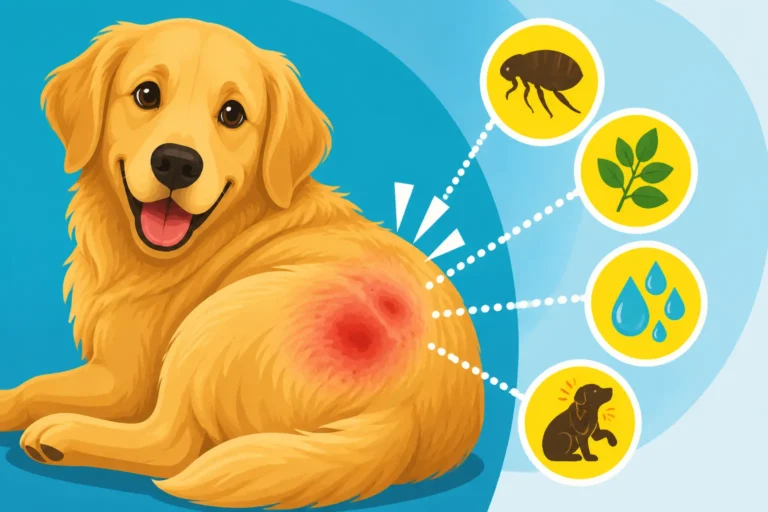
Hot spots are essentially a localized skin infection that develops very quickly. They start as a minor irritation—maybe an insect bite, a scratch, or even just persistent moisture—and then your Golden, in an attempt to soothe it, licks, chews, or scratches the area relentlessly. This self-trauma breaks the skin, introduces bacteria, and creates a warm, moist environment perfect for bacterial growth. The result is a rapidly spreading, red, inflamed, often oozing lesion that's incredibly itchy and painful. For a breed as sensitive and prone to certain skin issues as the Golden Retriever, knowing how to identify and address these quickly is paramount.
What Exactly Causes These Pesky Patches?
The immediate cause of a hot spot is always the self-trauma from licking, chewing, or scratching. However, what triggers that initial irritation is what we really need to understand to prevent them. It's often a combination of factors, creating a perfect storm for skin inflammation.
- Allergies: This is a huge one for Goldens. They are notorious for environmental allergies (pollen, dust mites, mold) and food allergies. When an allergen triggers an itch, your dog starts licking, and a hot spot can form. Imagine having an itch you just can't scratch enough – that's often what starts the cascade. If you've noticed your Golden constantly gnawing at their paws or rubbing their face, it could be a sign of underlying Golden Retriever Food and Skin Allergies that needs addressing.
- Parasites: Fleas, ticks, and mites are incredibly irritating. Even one flea bite on an allergic dog can cause intense itching, leading to furious scratching and chewing. It's not always easy to spot these tiny culprits in a Golden's thick coat, but a persistent itch, especially around the base of the tail or hindquarters, is a strong indicator. Ensuring you're using Flea and Tick Products Safe for Goldens year-round is a critical preventative step.
- Moisture and Poor Air Circulation: This is particularly relevant for Goldens due to their dense double coat. After a swim, a bath, or even just a very humid day, if their coat doesn't dry properly, moisture can get trapped against the skin. This creates a breeding ground for bacteria and yeast, which can quickly lead to irritation and then a hot spot once the licking begins. This is why you often hear owners say, "Why Goldens Get Hot Spots in Summer."
- Matted Fur: Tangled or matted fur can pull on the skin, causing discomfort. It also traps moisture and debris, further irritating the skin underneath. This can be an especially difficult area for a Golden to relieve, leading to excessive licking.
- Boredom or Stress: Sometimes, there isn't a physical trigger. A bored or anxious Golden Retriever might engage in compulsive licking as a self-soothing mechanism. This can then lead to skin irritation and, you guessed it, a full-blown hot spot. Ensuring your Golden has adequate Mental Enrichment for a Bored Golden Retriever can sometimes prevent these stress-induced issues.
Why Goldens Are Especially Prone to Hot Spots
It's not just bad luck that Golden Retrievers seem to be hot spot magnets. Several breed-specific characteristics make them more susceptible than many other dogs.
Firstly, their glorious, thick double coat is both a blessing and a curse. While it provides excellent insulation and water resistance, it also makes it incredibly easy for moisture to get trapped against the skin, especially after a swim or a walk in the rain. Imagine trying to dry a plush, dense blanket quickly – it's a challenge. The undercoat, in particular, can hold onto dampness for extended periods, creating that perfect, warm, humid environment that bacteria and yeast thrive in.
Secondly, Goldens are often predisposed to various Golden Retriever Skin, Ear and Allergy Problems. They are genetically more prone to developing environmental allergies (atopy) and food sensitivities, both of which manifest as intense itchiness. This underlying itchiness means they're always just one scratch or lick away from triggering a hot spot. A simple bug bite that another dog might ignore could send a sensitive Golden into a licking frenzy.
Thirdly, their active, often water-loving nature means they're frequently exposed to the very conditions that lead to hot spots. A Golden who loves to swim in the lake, roll in damp grass, or splash in puddles is inherently at higher risk if their coat isn't dried thoroughly afterwards. Couple that with their sometimes anxious or obsessive tendencies, which can lead to excessive licking as a coping mechanism, and you have a breed that requires a proactive approach to skin health.
Immediate First Aid for a Golden Retriever's Hot Spot
Discovering a hot spot can be alarming, but acting quickly can prevent it from worsening dramatically. The goal of immediate first aid is to stop the self-trarauma, clean the area, and allow the skin to dry and heal. Remember, these steps are for minor, early-stage hot spots. If it's large, deeply infected, or your dog is in severe pain, head straight to the vet.
Clipping and Cleaning the Area
This is arguably the most crucial first step, and it's where many owners feel hesitant, but it's essential.
- Gently Separate the Fur: Hot spots can be hidden under a lot of fur, making them look smaller than they are. Carefully part the fur around the lesion to assess its actual size. You'll often find the inflamed area extends further than you initially thought.
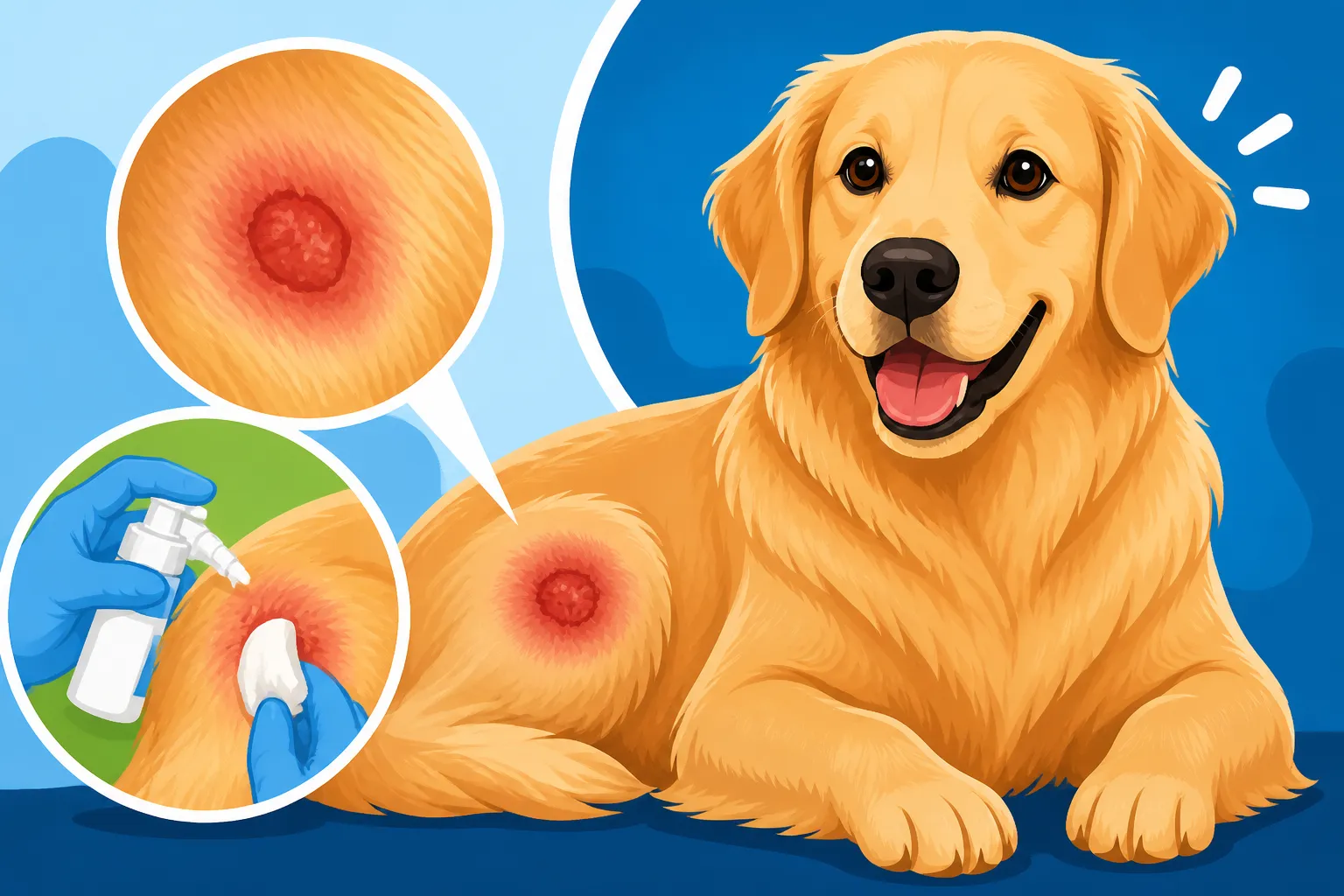
- Clip the Hair Around the Hot Spot: Using electric clippers (a #10 blade works well), carefully clip the fur away from the affected area. You want to create a wide margin of healthy, clean skin around the hot spot, at least an inch or two in every direction. This removes matted hair, allows air to circulate, and makes it possible for topical medications to reach the skin. Be incredibly careful not to nick the skin, as it will be very tender and inflamed. If your Golden is showing signs of extreme pain or aggression during this step, stop and consult your vet. They may need sedation to do this safely.
- Cleanse the Area Thoroughly: Once clipped, gently clean the hot spot. Use a mild antiseptic solution, such as a dilute chlorhexidine solution (ask your vet for the right concentration) or a povidone-iodine solution diluted to the color of weak tea. You can also use a gentle, pet-safe antibacterial soap. Apply with a clean cloth or cotton balls, wiping away any pus, crust, or discharge. This removes bacteria and helps prevent further infection. Pat the area dry with a clean towel; do not rub.
- Prevent Further Licking: This is non-negotiable. An Elizabethan collar (e-collar or "cone of shame") is often the most effective way to prevent your Golden from licking or chewing the area, allowing it to heal. There are also softer, inflatable collars that some dogs tolerate better. Without this step, your Golden will likely undo all your good work in minutes. Persistent licking is why Golden Retriever Paw Licking and Seasonal Allergies are such intertwined issues.
Applying Topical Treatments at Home
After clipping and cleaning, topical treatments can help reduce inflammation, fight infection, and promote healing. Always ensure the area is clean and dry before applying anything.
- Astringents: Solutions like witch hazel or aluminum acetate (Buro-Sol) can help dry out oozing hot spots. They reduce moisture and can be soothing. Apply them with a cotton ball a couple of times a day.
- Antibiotic Ointments: If the hot spot shows signs of minor infection (some redness, slight discharge), an over-the-counter antibiotic ointment designed for dogs (look for ingredients like bacitracin or neomycin) can be applied. However, be cautious, as some Goldens will try to lick it off immediately. The e-collar is crucial here.
- Hydrocortisone Spray or Cream: For reducing inflammation and itchiness, a topical hydrocortisone spray or cream can be very effective. Use a product specifically formulated for dogs, usually 0.5% or 1%. Apply a thin layer and again, prevent licking. This provides temporary relief and helps break the itch-scratch cycle.
- Aloe Vera: For very mild, non-infected irritations, pure aloe vera gel (ensure it’s pet-safe and doesn't contain additives like xylitol) can have soothing properties. Again, make sure your dog doesn't lick it excessively.
Consistency is key. Apply treatments several times a day as directed, and always, always keep that e-collar on until the area is completely dry, scabbed over, and no longer bothering your dog. Stopping too soon can lead to a quick relapse.
When to Seek Veterinary Care for a Hot Spot
While quick home care can often resolve minor hot spots, it's vital to know when the situation calls for professional veterinary attention. Delaying a vet visit can lead to the infection spreading, causing more pain, and making treatment more complex and costly.
Recognizing Signs of Infection or Severity
It's natural to want to treat things at home, but some hot spots are simply beyond the scope of over-the-counter remedies. Watch for these red flags:
- Rapid Spreading or Enlargement: If the hot spot grows significantly in size despite your home efforts, or if new hot spots appear, it’s a sign the infection is aggressively spreading. What might start as a small patch can quickly become a large, painful lesion.
- Deep Redness and Swelling: Beyond just surface irritation, if the skin around the hot spot is severely inflamed, very red, hot to the touch, and significantly swollen, it indicates a deeper infection or a more intense inflammatory response.
- Excessive Pus or Foul Odor: A healthy healing hot spot might have a slight discharge initially, but copious amounts of thick, yellow, green, or bloody pus, especially if accompanied by a strong, unpleasant smell, signals a serious bacterial infection.
- Lethargy or Fever: If your Golden is acting unwell, seems unusually tired, loses their appetite, or if you notice they are warm to the touch (indicating a fever), the infection might be systemic, affecting their whole body. This is a medical emergency.
- Severe Pain: While hot spots are always a bit painful, if your Golden is yelping when you gently touch the area, growling, snapping, or showing extreme sensitivity, they are likely in considerable discomfort. A vet can prescribe stronger pain relief. You might notice subtle Signs a Golden Retriever Is in Pain, such as reluctance to move or lameness, especially if the hot spot is on a leg or paw.
- Failure to Improve: If after 24-48 hours of diligent home care (clipping, cleaning, e-collar, topical treatments), you see no improvement, or the condition seems to worsen, it's time for the vet. Your Golden might need oral medications to truly tackle the infection.
Remember, a vet visit isn't just about medication; it's about accurate diagnosis. They can determine if an underlying issue like allergies or parasites is driving the problem, and provide a tailored treatment plan. When those larger, more persistent hot spots crop up, or if your Golden develops a secondary infection, a trip to the vet is often unavoidable. This is where having pet insurance, like a policy from Healthy Paws, can really make a difference in helping manage the unexpected costs.
Common Veterinary Treatments and Medications
When you take your Golden to the vet for a hot spot, they'll typically confirm the diagnosis, possibly take a swab for cytology (looking at skin cells under a microscope to identify bacteria or yeast), and then recommend a course of action.
- Clipping and Cleaning (Often Under Sedation): If the hot spot is large or very painful, the vet might sedate your Golden to thoroughly clip and clean the area without causing distress. This ensures all matted fur is removed and the lesion is properly exposed.
- Oral Antibiotics: For moderate to severe bacterial infections, oral antibiotics are usually prescribed. These are given for a specific duration, often 2-4 weeks, to completely clear the infection. It's crucial to finish the entire course, even if the hot spot looks better sooner.
- Oral Steroids: To quickly reduce intense itching and inflammation, a short course of oral corticosteroids (like Prednisone) might be prescribed. These work wonders for comfort, but they have potential side effects and are usually tapered down.
- Topical Medications (Prescription Strength): Vets have access to stronger topical creams, ointments, or sprays that often combine antibiotics, anti-inflammatory agents (steroids), and sometimes antifungal medications. These are much more potent than over-the-counter options.
- Medicated Shampoos: For widespread skin issues or recurring hot spots, a medicated shampoo (like chlorhexidine or ketoconazole-based washes) can be recommended. These are used a couple of times a week to cleanse the skin, reduce bacterial/yeast load, and soothe irritation. Knowing How Often to Bathe a Golden Retriever with a medicated shampoo requires specific vet guidance.
- Pain Management: Depending on the severity, your vet might also prescribe pain relief medication to keep your Golden comfortable during the healing process.
- Addressing the Underlying Cause: Crucially, your vet will work with you to identify and treat the root cause. This might involve flea prevention, allergy testing, dietary changes, or addressing anxiety. For ongoing conditions that might predispose your Golden to hot spots, like severe allergies, a good pet insurance plan from Healthy Paws can help manage the long-term costs of diagnostics and specialized treatments. Remember that unexpected vet visits, especially for something that requires ongoing care or multiple medications, can add up quickly. Planning ahead with something like Healthy Paws can ease that financial burden during a stressful time.
Preventing Future Hot Spots in Your Golden Retriever
The best offense is a good defense, especially when it comes to hot spots. Proactive care and addressing underlying issues are key to keeping your Golden's skin healthy and itch-free.
Maintaining Coat Health and Dryness
A Golden's magnificent coat is also their Achilles' heel when it comes to hot spots. Regular, diligent grooming and quick drying are essential.
- Regular Brushing: Brush your Golden several times a week, or even daily, especially during shedding season. This helps remove loose undercoat, prevent mats, and improve air circulation to the skin. Pay special attention to areas prone to matting like behind the ears, under the legs, and the "feathers" on their legs and tail.
- Thorough Drying After Water Exposure: This cannot be stressed enough. Whether it's after a swim, a bath, or a rainy walk, make sure your Golden's coat is completely dry. Use absorbent towels, a dog-specific high-velocity dryer if you have one, or even a human hairdryer on a cool setting (held far away and kept moving) to ensure the undercoat is not damp. Pay extra attention to their ears and any skin folds. This is especially important for Goldens who love to swim, as residual moisture is a prime hot spot trigger.
- Regular Baths with Appropriate Shampoo: Regular bathing with a mild, moisturizing, or hypoallergenic dog shampoo can help keep skin clean and reduce allergen buildup. Ensure you rinse all the shampoo out to prevent residue irritation.
- Trimming Problem Areas: While you should never shave a Golden Retriever, carefully trimming the hair around their paw pads and between their toes can help prevent moisture buildup. Similarly, trimming excess hair around their ears can improve air circulation and prevent Ear Infections in Floppy-Eared Goldens, which can also lead to scratching that triggers hot spots.
Addressing Underlying Allergy and Parasite Issues
Many hot spots are a symptom of a larger, ongoing problem. Tackling the root cause is the most effective long-term prevention strategy.
- Consistent Flea and Tick Prevention: This is fundamental. Even indoor dogs can get fleas. Use a veterinarian-recommended monthly preventative year-round. There are many safe and effective options available, from oral medications to topical spot-ons.
- Allergy Management: If allergies are the culprit, work with your vet to develop a management plan. This might include:
- Dietary Changes: For food allergies, an elimination diet can identify trigger ingredients.
- Environmental Controls: Reducing dust mites, using air purifiers, and frequent cleaning can help with environmental allergies.
- Medications: Antihistamines, fatty acid supplements, or even prescription allergy medications (like Apoquel or Cytopoint injections) can help control the itch.
- Immunotherapy: Allergy shots or drops can desensitize your Golden to specific environmental allergens over time.
- Regular Vet Check-ups: Twice-yearly vet visits allow your vet to spot subtle skin issues early, before they escalate. They can also provide guidance on preventative care tailored to your Golden's individual needs.
Enriching Your Golden's Environment
Sometimes, hot spots can be linked to stress, anxiety, or plain old boredom. Addressing your Golden's mental and physical needs can be a powerful preventative measure.
- Adequate Exercise: A tired Golden is usually a happy Golden. Ensure your dog gets enough physical activity appropriate for their age and health. This could be daily walks, games of fetch, swimming, or even dog sports. Regular exercise can reduce anxiety and compulsive behaviors.
- Mental Stimulation: Goldens are intelligent dogs who need to use their brains. Incorporate puzzle toys, training sessions, and scent games into their daily routine. This can prevent boredom-induced licking. Consider activities that really make them think, like a good session of "How Much Fetch a Golden Retriever Needs" or even a long sniffy walk.
- Minimize Stressors: Identify and try to reduce any sources of stress in your Golden's environment. This could involve creating a quiet "safe space" for them, sticking to a consistent routine, or consulting with a professional behaviorist if anxiety is severe.
- Don't Ignore Early Signs: If you notice your Golden starting to lick or chew a particular spot more than usual, even if it doesn't look bad yet, investigate immediately. A quick intervention with a gentle clean or a temporary e-collar can often prevent a full-blown hot spot from developing.
By being vigilant, providing proper grooming, addressing any underlying health issues, and keeping your Golden mentally and physically enriched, you can significantly reduce the chances of those frustrating hot spots from ever appearing.
Hot Spot Treatment Options Comparison
To help you decide the best course of action, here's a comparison of common hot spot treatment approaches:
| Feature | At-Home Treatment (Minor Hot Spots) | Veterinary Treatment (Moderate to Severe) |
|---|---|---|
| Severity of Hot Spot | Small, superficial, recent onset | Large, deep, oozing, painful, rapidly spreading, chronic |
| Initial Steps | Clip hair, clean with mild antiseptic | Often includes professional clipping (may require sedation), thorough antiseptic cleansing |
| Topical Medications | Witch hazel, gentle antiseptic sprays, 0.5-1% hydrocortisone cream, pet-safe antibiotic ointment | Prescription strength topical antibiotics, steroids, antifungals |
| Oral Medications | None | Oral antibiotics, oral steroids, pain medication |
| Prevention of Licking | Essential (e-collar, soft cone) | Essential (e-collar, soft cone) |
| Time to Improvement | 24-48 hours for visible improvement | Days to weeks, depending on severity and underlying cause |
| Cost Implication | Low (clippers, antiseptic, OTC creams) | Moderate to High (vet exam, diagnostics, prescription meds, follow-ups). Pet insurance like Healthy Paws can significantly help. |
| Underlying Cause | Often not fully addressed at home | Diagnosis and treatment of underlying allergies, parasites, etc., is a core focus |
| Risk of Recurrence | Higher if underlying cause not addressed | Lower if underlying cause identified and managed effectively |
Disclaimer
This article is intended for informational purposes only and does not constitute veterinary advice. Always consult with a qualified veterinarian for any health concerns or before making any decisions about your pet's medical care. Every dog is an individual, and only a professional can provide an accurate diagnosis and appropriate treatment plan.