How Much Fetch a Golden Retriever Needs
It's a common question that pops up in Golden Retriever households: just how much fetch does my dog really need? You see their eyes light up the second you pick up that tennis ball, and it feels like they could go on forever. But finding the right balance between satisfying their boundless energy and preventing overexertion, especially for growing puppies or aging seniors, can feel like a guessing game. This guide is here to help you understand your Golden's unique fetch drive and tailor play sessions to keep them happy, healthy, and perfectly exercised at every stage of life.
Understanding the Golden Retriever's Drive for Fetch
Golden Retrievers are practically synonymous with a wagging tail and a ball in their mouth, and for good reason! This isn't just a cute quirk; it's deeply ingrained in their history and genetics. Understanding why they love fetch so much helps us appreciate their needs and provide them with the right outlets.
The Instinctual Drive for Retrieving
Our beloved Goldens were originally bred for a specific job: retrieving game for hunters. Imagine a dog that needs to patiently wait, mark where a bird falls, then tirelessly swim through icy water or push through dense brush to bring it back gently in its mouth. That "soft mouth" and incredible drive to bring things back to their person are hardwired. It’s not just about running; it's about the entire sequence: the chase, the capture, and the return. When you throw a ball, you’re tapping into centuries of selective breeding. They aren't just playing; they're fulfilling a primal urge. This is why a Golden might bring you your shoes, a remote control, or even a crumpled paper towel – they see it as a valuable item to "retrieve" for their beloved human. It’s deeply satisfying for them to engage in this behavior, and ignoring it completely can lead to a very bored, restless, and sometimes destructive dog.
Golden Retriever Energy Levels and Breed Purpose
Beyond the retrieving instinct, Golden Retrievers are also naturally active dogs with a good deal of stamina. They were bred to work for hours alongside hunters, meaning they have sustained energy rather than just short bursts. While a well-bred Golden typically isn't hyper in the anxious sense, they do possess a significant amount of physical and mental energy that needs an outlet. This isn't a breed content with a quick stroll around the block. They thrive on activity that engages both their body and their mind. Fetch provides an excellent avenue for this, combining physical exertion with problem-solving (where did that ball go? how do I get it?) and interaction with you. Without appropriate exercise, that energy can manifest as destructive chewing, excessive barking, or general restlessness, making your home a less peaceful place. It's truly about channeling that energy constructively rather than trying to suppress it.
Factors Influencing Fetch Needs
There's no one-size-fits-all answer to "how much fetch." A tiny puppy has different needs than a robust adult or a creaky senior. Several factors play a huge role in determining the ideal amount of fetch for your individual Golden Retriever.
Age and Developmental Stages
A Golden Retriever puppy is a bundle of uncoordinated energy, but their bones and joints are still developing rapidly. Forcing a young puppy to engage in long, high-impact fetch sessions on hard surfaces can be detrimental. Their growth plates are open, making them vulnerable to injury. For a puppy, short, frequent bursts of fetch (think 5-10 minutes, a few times a day) are much better than one marathon session. The focus should be on teaching them the game, building enthusiasm, and reinforcing Building Reliable Recall in a Golden Retriever. As they enter adolescence (roughly 6 months to 2 years), their energy peaks. This is often when owners feel like they can never get enough fetch. However, even during this period, moderation is key, especially on hard surfaces. Once they reach adulthood (around 2 years), their growth plates have usually closed, and they can handle more intense activity. Senior Goldens, like us, start to slow down. Fetch might still be a beloved activity, but it needs to be modified. Shorter throws, softer landings, and being mindful of their stamina are crucial. You might find a senior Golden is thrilled with just a few throws before they're ready for a nap. It's a spectrum, and your dog will give you cues if you listen. For detailed information on puppy exercise, check out Exercise Limits for a Golden Retriever Puppy.
Health Considerations and Joint Health
Golden Retrievers, unfortunately, are prone to certain orthopedic issues like hip and elbow dysplasia. These conditions can significantly impact their ability to play fetch vigorously. A dog with even mild hip pain might be reluctant to chase, or you might notice a subtle limp after play. It's absolutely vital to consider your Golden's overall health before embarking on strenuous fetch sessions. If your dog has a known joint condition, or if you suspect one, consult your veterinarian. They might recommend shorter sessions, softer surfaces (like grass or sand instead of pavement), or even aquatic fetch to reduce impact. Whether Fetch Is Bad for a Golden Retriever's Joints delves deeper into this topic. Regular vet check-ups are paramount, especially as your Golden ages, to catch any underlying issues that could be exacerbated by intense play. Don't push them to "power through" if they seem uncomfortable; it could lead to more serious, long-term damage. Managing conditions like Golden Retriever Arthritis and Joint Decline often involves careful modification of exercise.
Individual Temperament and Line Differences
Just like people, not all Golden Retrievers are created equal. Even within the breed, there's a wide range of energy levels and temperaments. A Golden from a "field line" (bred for hunting and performance) will typically have a higher drive and require significantly more physical and mental stimulation than a Golden from a "show line" (bred for conformation and appearance). Field Goldens might truly need an hour or more of vigorous fetch every day, sometimes twice a day, to feel truly satisfied. Show Goldens, while still active, might be content with 30-45 minutes. Then there are the individuals who just aren't that into fetch! Some Goldens prefer long walks, swimming, or puzzle toys over endless retrieving. Observe your dog's enthusiasm. Do they drop the ball after a few throws and wander off? Or are they panting heavily but still begging for more? Learning your individual dog's preferences and energy expenditure needs is key to a happy relationship. My own Golden, Bailey, was a field line dog who could chase a frisbee for what felt like an eternity, whereas my friend's show line Golden, Gus, was happy with a few throws and then preferred to "supervise" from the patio.
Here's a quick comparison of fetch needs by age, though remember these are general guidelines:
| Age | Recommended Fetch Duration | Frequency | Key Considerations |
|---|---|---|---|
| 8 weeks – 6 months | 5-10 minutes | 2-3 times a day | Focus on short, positive sessions. Avoid hard surfaces and repetitive jumping. Protect growing joints. |
| 6 months – 2 years | 15-30 minutes | 1-2 times a day | Can gradually increase duration. Still be mindful of joint impact. Mix with other exercise. Energy levels peak. |
| 2 years – 7 years | 30-60 minutes | 1-2 times a day | Full physical maturity. Can handle more vigorous play. Adapt to individual energy and health. |
| 7+ years (Senior) | 5-15 minutes | 1-2 times a day | Adjust based on mobility and stamina. Focus on low-impact activities. Prioritize comfort and enjoyment over intensity. |
Signs of Too Much or Too Little Fetch
It’s crucial for us as Golden Retriever owners to become fluent in our dogs' body language and behaviors to ensure we're meeting their needs without overdoing it. Both too much and too little exercise can lead to problems, and neither is what we want for our furry best friends.
Recognizing Overtraining and Exhaustion
Pushing a Golden too hard, especially in hot weather or if they have underlying health issues, can be dangerous. Signs of overtraining or exhaustion aren't always obvious until it's too late. Initially, you might see them slowing down, refusing to chase the ball, or taking longer to return it. They might start panting excessively, their tongue hanging far out, and their breathing becoming labored. Their gums might appear very pale or even dark red, indicating overheating. Other signs include stumbling, disorientation, or even vomiting. In the long term, repeated overexertion, especially in young dogs, can contribute to Golden Retriever Hip and Elbow Dysplasia Explained or exacerbate existing joint problems. Always carry water, take frequent breaks, and pay close attention to the weather. If your Golden is showing any signs of distress, stop immediately, get them to a cool spot, and offer water. If symptoms persist or worsen, contact your vet immediately. It's always better to end a session a little early with your dog wanting more than to push them past their limit.
Spotting Under-Exercised Behavior
On the flip side, an under-exercised Golden Retriever can quickly become a handful. They have a tremendous amount of stored energy and mental capacity that needs to be released. If they're not getting enough physical activity, you'll start to notice certain behaviors. Destructive chewing is a big one – your furniture, shoes, or even walls might become targets as they try to relieve their pent-up energy and boredom. Excessive barking, especially at minor stimuli, can also be a sign of frustration or anxiety from lack of stimulation. You might also see them "zoomie-ing" around the house, unable to settle down, or constantly seeking attention in demanding ways, like nudging you with their nose or bringing you objects repeatedly. For example, a Golden who isn't sufficiently exercised might repeatedly jump on guests, counter surf more often, or have trouble focusing during training sessions. They're not being "bad" on purpose; they're simply trying to cope with unmet needs. Mental stimulation, like puzzle toys or scent work, can help, but it's rarely a substitute for physical activity for a breed as active as the Golden. If you're struggling to tire them out, remember that Tiring a Golden Retriever on a Rainy Day can involve indoor games and training sessions as well.
Optimizing Your Fetch Sessions
Fetch should be a fun, enriching experience for your Golden, not just a way to burn calories. By being mindful of how you play and what tools you use, you can make fetch even more beneficial.
Quality Over Quantity in Play
Instead of mindlessly tossing a ball for an hour, think about how to make each fetch session more engaging. Incorporate short training commands between throws: "sit," "stay," "come," or "drop it." This turns fetch into a mental workout as well as a physical one. Vary the type of throw – sometimes a short one, sometimes a long one, sometimes hidden in the grass for them to "hunt." You can even introduce a second ball to teach them to "out" the first one before retrieving the next. This kind of structured play reinforces your bond, improves their obedience, and taps into their innate intelligence. A 20-minute session that involves thinking and listening is often more tiring and satisfying for a Golden than 45 minutes of non-stop, unthinking running. It’s about engaging their whole self, not just their legs. My own Golden learned "find it" with treats hidden in the yard, which later transferred to finding a hidden tennis ball, adding a whole new dimension to our playtime.
Incorporating Variety Beyond Traditional Fetch
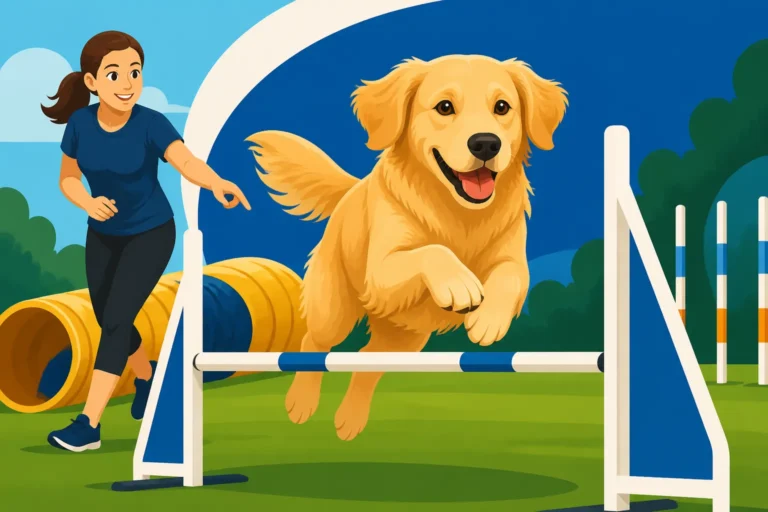
While fetch is great, relying solely on it can put repetitive strain on joints and sometimes lead to a one-track mind. Mix things up! Swimming is a fantastic low-impact exercise for Goldens that adore water. Many Goldens live for a good swim, and it’s excellent for joint health. Swimming as Exercise for a Golden Retriever is a must-read if you're considering this. Long walks or hikes in varied terrain offer different sensory experiences and work different muscle groups. Agility courses, even homemade ones in your backyard, can be incredibly stimulating. Scent work, where they use their powerful noses to find hidden treats or toys, is a wonderful mental workout that tires them out without a single high-impact jump. You could also enroll in a beginner obedience class through a platform like BAXTER & Bella, which offers online training that can teach you how to incorporate more varied activities and commands into your dog's routine, making playtime more diverse and enriching. These alternative activities reduce the risk of overuse injuries and prevent boredom, keeping your Golden enthusiastic about all forms of exercise.
Choosing the Right Gear for Safe Play
The right equipment can make a huge difference in the safety and enjoyment of your fetch sessions.
- Balls and Toys: Avoid cheap tennis balls for extended play, as the abrasive felt can wear down their teeth. Opt for durable, rubber balls that are appropriately sized for your Golden's mouth to prevent choking hazards. Chuckit! balls, for instance, are very popular among Golden owners for their durability. Always supervise play, especially with new toys. You can find a wide variety of durable and safe toys on Amazon.
- Throwing Aids: Ball launchers can save your arm and allow you to throw further, giving your Golden a better workout with less effort from you. They also keep your hands slobber-free!
- Harnesses: If your Golden tends to pull on the leash when excited, a front-clip harness can help manage their enthusiasm during walks to and from your fetch spot.
- Cooling Gear: For warmer weather, consider a cooling vest or a portable water bowl. Overheating is a serious concern for Goldens with their thick double coats.
- Foot Protection: If you're playing on rough terrain or hot pavement, dog boots can protect their paws.
Investing in quality gear ensures that your fetch sessions are not only fun but also as safe and comfortable as possible for your beloved Golden. Remember, their comfort and safety should always be your top priority.
Disclaimer
This article is for general informational purposes only and does not constitute professional advice. Laws, prices and regulations vary by location and change over time. Consult a qualified professional for guidance on your specific situation.