Health Checks in a Golden Retriever Puppy’s First Week
Bringing home a brand-new Golden Retriever puppy, or perhaps you're a breeder welcoming a fresh litter, is an incredibly exciting time, but it also comes with a unique set of worries. Those first few days are absolutely critical, and it can feel overwhelming to know if everything is truly okay with these tiny, vulnerable bundles. This comprehensive guide will walk you through the essential health checks you need to perform and look for in a Golden Retriever puppy's first week, helping you understand what's normal, what's a red flag, and when to seek professional veterinary care.
The Critical First 24-48 Hours After Birth
The first day or two of a Golden Retriever puppy's life are undeniably the most precarious. They are born utterly dependent, and their tiny systems are still figuring out how to regulate temperature, feed efficiently, and fight off infection. For breeders, this period is a whirlwind of constant monitoring. For a new owner adopting a very young puppy (which typically only happens in specific, often rescue, situations), understanding these early milestones can still be vital context.
Right from birth, a healthy Golden Retriever puppy should be alert, vocal, and actively seeking out its mother for warmth and nourishment. They should be squirming, pushing, and making their way to a nipple to nurse. This initial suckle reflex is a powerful indicator of vitality. Puppies that are lethargic, weak, or unresponsive immediately raise concerns. It’s not just about cuteness; it's about sheer survival instinct.
Temperature regulation is a huge challenge for newborns. They can't shiver for warmth, so they rely entirely on their mother and littermates, as well as the ambient temperature of their whelping box. A cold puppy is a puppy in distress, and hypothermia can quickly become life-threatening. The ideal temperature for a whelping area in the first week should be around 85-90 degrees Fahrenheit, gradually decreasing as the puppies grow. A good breeder will have heating pads set up, often under blankets, to create warm zones. It's not uncommon to see a healthy litter piled up in a puppy pyramid, sharing body heat. Any puppy consistently found isolated from the pile, or feeling cool to the touch, needs immediate attention.
Initial Visual and Physical Inspection
Once the immediate post-birth chaos settles, or when you first lay eyes on your new Golden Retriever puppy, a thorough visual and physical inspection is your first line of defense. This isn't just for breeders; any new owner should know what to look for when they bring their puppy home, even if it's at eight weeks old. While this guide focuses on the first week, many of these initial checks are what a responsible breeder has already done and confirmed.
Let's start with the basics: observe their overall demeanor. A healthy Golden puppy should be reasonably active, moving purposefully (even if it's just a clumsy crawl), and when awake, showing curiosity. They should also spend a lot of time sleeping peacefully, nestled with their littermates. Excessive crying or whining without a clear cause (like needing to nurse) can be a sign of discomfort or pain. This isn't just a "fussy" puppy; it could indicate an underlying issue.
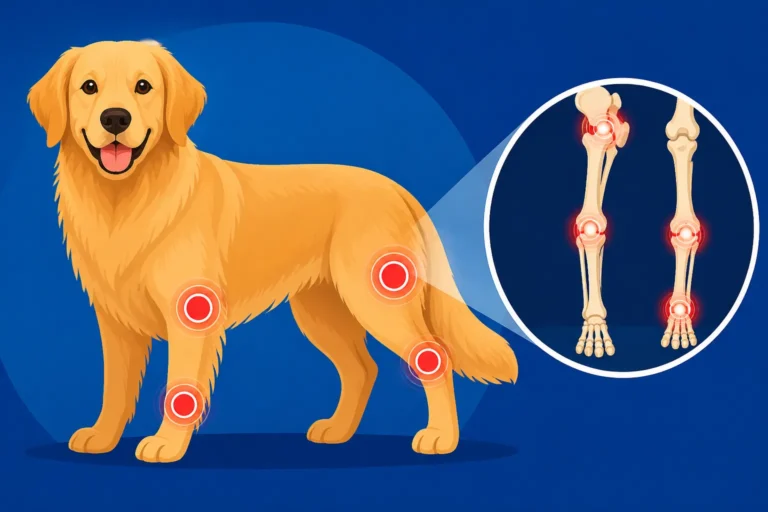
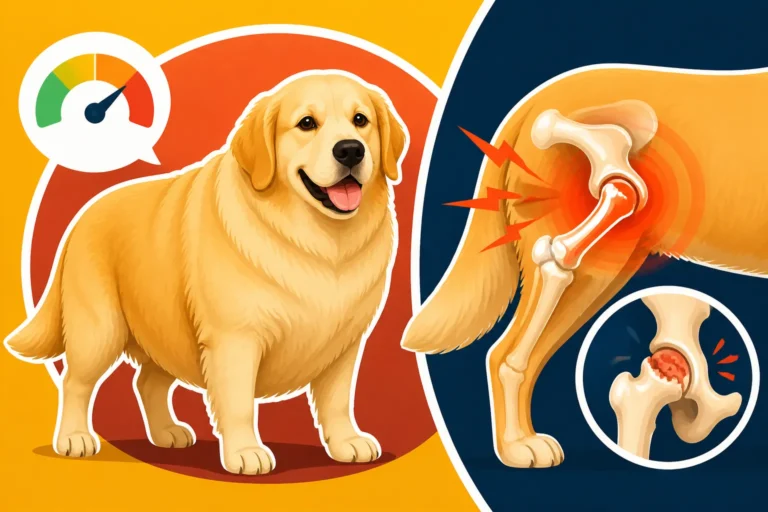
Next, a gentle hands-on check. Feel their body. They should feel plump and well-nourished, not bony or dehydrated. Gently check their paws and legs for any obvious deformities or swelling. While serious issues like Golden Retriever Hip and Elbow Dysplasia Explained won't be apparent in the first week, looking for major structural abnormalities early on is important. Check their mouth – gums should be pink and moist. Look for a cleft palate, which can make nursing impossible and lead to aspiration. Their eyes, if open (they typically open between 10-14 days), should be clear and bright. Before that, ensure there's no discharge or swelling around the eyelids. Their ears should be clean, without any foul odor or excessive wax.
Perhaps one of the most important checks is the belly button, or umbilicus. After birth, the umbilical cord will dry and fall off within a few days. The area should be clean, dry, and free from any swelling, redness, or discharge, which could indicate an infection or an umbilical hernia. This is a quick and easy check that can prevent serious problems.
Monitoring Growth, Feeding, and Elimination
The first week is all about growth, growth, and more growth. Golden Retriever puppies should be gaining weight steadily every single day. This is the single most important indicator of their health and successful nursing. Most veterinarians and breeders recommend daily weight checks, especially for the first two weeks. A digital kitchen scale works perfectly for this. Ideally, a puppy should gain about 5-10% of its birth weight per day. If a puppy isn't gaining weight, or worse, is losing weight, it's an immediate cause for concern and warrants veterinary attention. This could indicate insufficient milk intake, a medical issue, or a problem with competition within the litter.
When it comes to feeding, a healthy Golden Retriever puppy will nurse vigorously and frequently. You should see them latching onto a nipple, suckling audibly, and then appearing content and sleepy afterward. The dam's teats should be full before feeding and noticeably softer after a good nursing session. If you observe a puppy struggling to nurse, getting pushed away by stronger littermates, or consistently failing to find a nipple, you might need to intervene. Sometimes, weaker puppies need a little help getting to the "milk bar" or might require supplemental feeding.
Elimination is equally crucial. Newborn puppies can't pee or poop on their own; their mother stimulates them by licking their perineal area. After each feeding, she'll typically clean them up. You should see regular urination and defecation. Stools should be soft, yellowish-brown, and not overly watery or hard. Any diarrhea, constipation, or straining is a sign of trouble. The absence of urine or feces over a 12-hour period is also a red flag. A responsible breeder keeps a close eye on the output, often checking the bedding for signs of proper elimination.
Here's a quick daily health checklist you or your breeder might use for a first-week Golden Retriever puppy:
| Indicator | What to Look For (Normal) | What to Watch Out For (Red Flag) | Action |
|---|---|---|---|
| Weight | Steady 5-10% daily gain | No gain, weight loss, or erratic changes | Contact vet immediately |
| Activity/Demeanor | Actively nurses, sleeps peacefully, responsive | Lethargy, constant crying, unresponsive | Contact vet immediately |
| Nursing | Strong suckle reflex, nurses vigorously, full belly | Weak latch, struggles to nurse, empty belly | Observe, assist, contact vet if persistent |
| Elimination | Regular urine/feces (soft, yellow-brown) | Diarrhea, straining, no urine/feces for 12+ hrs | Contact vet immediately |
| Temperature | Warm to touch, nestled with littermates | Cold to touch, isolated, shivering | Warm gently, contact vet |
| Breathing | Quiet, regular, no labored breaths | Rapid, shallow, gasping, noisy breathing | Contact vet immediately |
| Gums | Pink and moist | Pale, white, blue, or tacky/dry gums | Contact vet immediately |
| Umbilicus | Dry, shriveled, no redness/discharge | Swollen, red, wet, foul odor, discharge | Contact vet |
| Coat/Skin | Clean, soft, no rashes or parasites | Rashes, sores, fleas, sticky/oily fur | Consult vet for treatment |
When to Seek Veterinary Intervention
Knowing when to call the vet is probably the most stressful part of managing a new litter or bringing home a young Golden. Unfortunately, those first few weeks are a critical period, and puppies can decline very rapidly. What might seem like a minor issue can quickly escalate. This is why having a trusted veterinarian who is familiar with newborn care is indispensable. Many breeders have their vet on speed dial during whelping and the subsequent weeks.
One of the most concerning conditions is what's known as "fading puppy syndrome." This isn't a single disease but rather a collection of symptoms where a puppy fails to thrive, often without an obvious cause. They might stop gaining weight, become lethargic, lose their suckle reflex, or cry incessantly. This syndrome can be due to many factors, including congenital defects, infections, hypothermia, or malnutrition. If you suspect fading puppy syndrome, time is of the essence. Don't wait; contact your vet immediately.
Dehydration is another silent killer for young puppies. Their small bodies lose fluids quickly, especially if they're not nursing well or have diarrhea. You can check for dehydration by gently pinching the skin on their neck or back. In a well-hydrated puppy, the skin should snap back instantly. If it stays tented, even for a second, the puppy is dehydrated. Pale or tacky gums are also a strong indicator. Immediate veterinary care is needed, as dehydrated puppies often require subcutaneous fluids.
Any signs of difficult breathing, such as rapid, shallow breaths, gasping, or noisy breathing, are an emergency. Puppies should breathe quietly and regularly. Likewise, persistent crying that isn't resolved by feeding, warmth, or comfort could indicate pain. This is not normal behavior for a healthy, content newborn.
Even with the most responsible breeders, who perform all necessary Health Clearances a Golden Retriever Breeder Must Show on parent dogs, unforeseen issues can arise. Sometimes, a puppy may be born with a Heart Conditions Golden Retrievers Are Born With or other congenital defects that aren't immediately obvious but can impact their ability to thrive. These early health checks help identify these issues early, giving the puppy the best chance for intervention. Remember, the cost of these urgent vet visits can be high, which is why future owners often investigate options like Healthy Paws pet insurance early on to cover unexpected medical needs.
Preparing for the First Veterinary Visit
Even if all goes well during the first week, a trip to the vet is a mandatory part of a Golden Retriever puppy's life. The First Vet Visit for a Golden Retriever Puppy typically happens between 6-8 weeks of age, aligning with their initial vaccination schedule. However, for a very young or at-risk puppy, an earlier visit might be necessary. This early appointment is crucial for a complete physical examination by a professional, parasite screening, and discussions about vaccinations and future care.
Before that first official vet visit, compile all the information you have. For breeders, this means birth weight, daily weight logs, feeding habits, and any observations about individual puppies. For new owners, this means asking your breeder for this information. Your vet will want to discuss deworming, which is a standard protocol for all puppies, as many are born with or acquire intestinal parasites from their mother.
Your vet will also examine your puppy for any signs of internal or external parasites. Tiny fleas can cause significant blood loss in a small puppy, leading to anemia. Intestinal parasites can hinder nutrient absorption and growth. They’ll listen to the puppy's heart and lungs, check their eyes, ears, mouth, and feel their abdomen. They'll also check for proper development of the genitals and look for issues like retained testicles in males. This foundational vet visit sets the stage for a lifetime of health, moving from the immediate concerns of the first week to the long-term well-being and planning, including future discussions about things like Golden Retriever Puppy Vaccination Timeline.
Planning for a Golden Retriever's health can be extensive. From ensuring they receive appropriate nutrition, understanding their growth plates and when they close, to budgeting for potential health issues down the line, it’s a journey. Companies like Healthy Paws can provide peace of mind by offering coverage for unexpected accidents and illnesses, which can be particularly relevant for a breed known for certain predispositions. Ultimately, a proactive approach to a Golden Retriever's health, starting from their very first week, is the best gift an owner can give.
Disclaimer
This article is intended for informational purposes only and does not constitute veterinary advice. Always consult with a qualified veterinarian for any health concerns or before making any decisions about your Golden Retriever's care.