Golden Retriever Heat Tolerance and Overheating
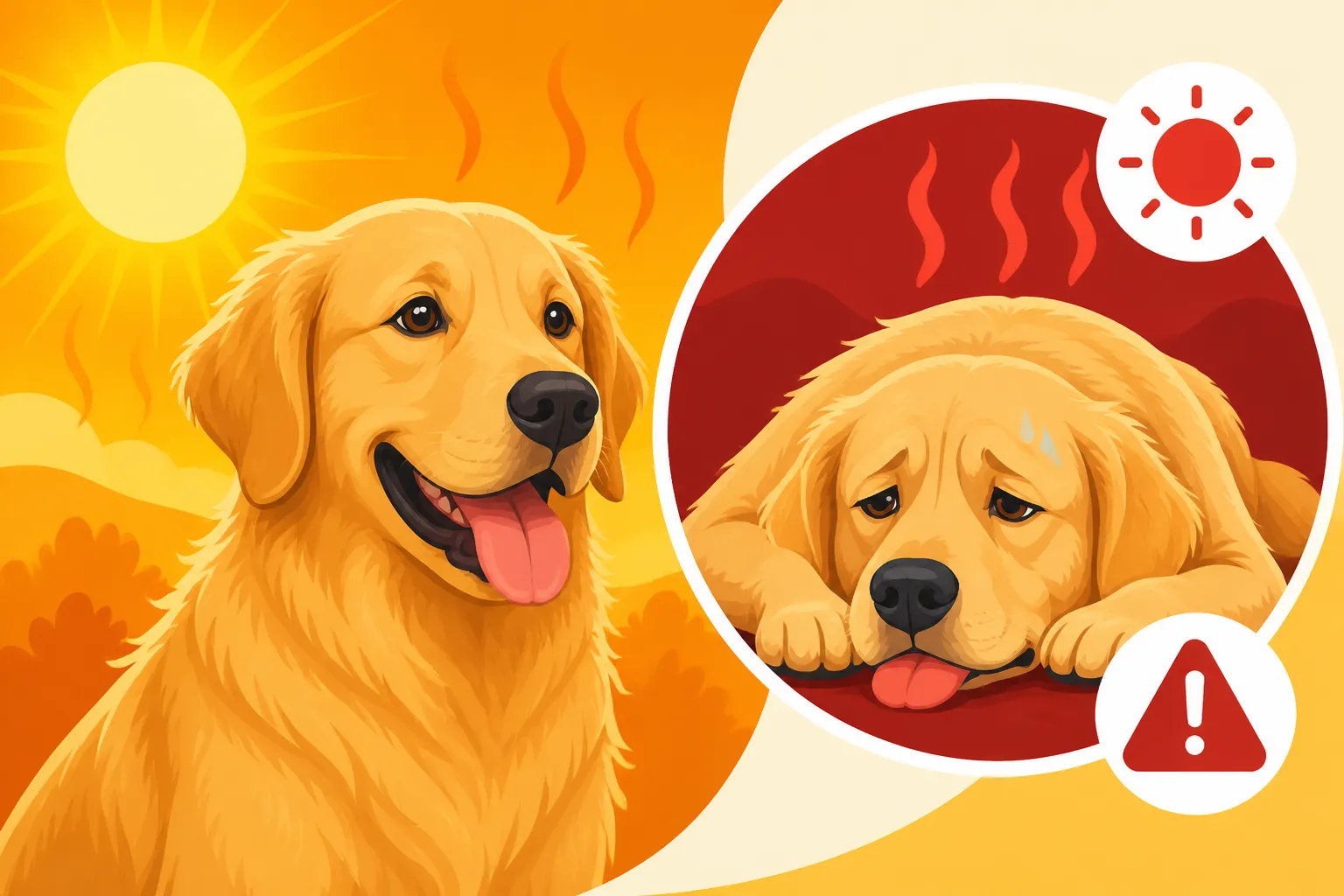
It's a heartbreaking reality that our beloved Golden Retrievers, with their beautiful, dense coats and enthusiastic personalities, can struggle intensely when the temperatures rise. Many owners don't fully realize the silent danger of overheating until it's too late, often mistaking initial signs for simple fatigue. This comprehensive guide will walk you through why Goldens are so susceptible to heat, how to spot the subtle and severe signs of overheating, crucial prevention tactics, and exactly what to do if your furry family member starts to show symptoms of heatstroke.
Why Golden Retrievers Struggle in the Heat
Golden Retrievers were originally bred for retrieving game in the cool, often wet, environments of the Scottish Highlands. Their physical characteristics, while perfect for that purpose, put them at a disadvantage in warm climates. Understanding these factors is the first step in keeping your Golden safe.
Their Dense Double Coat
The most obvious culprit for a Golden's heat sensitivity is their magnificent double coat. This isn't just fluffy hair; it's a finely engineered insulation system. The outer coat, called guard hairs, is water-resistant and repels moisture, protecting them from the elements. Beneath that lies a thick, soft undercoat that provides incredible insulation, keeping them warm in winter.
In summer, however, this undercoat can become a major heat trap. Instead of helping them regulate temperature, it holds in body heat, making it much harder for them to cool down. It’s like wearing a heavy down jacket in July – you'd quickly become overheated. Many well-meaning owners consider shaving their Golden to help them cool off, but this is a common misconception that can actually do more harm than good. The double coat also protects them from sunburn and harmful UV rays, and shaving it can expose their delicate skin, leading to other problems. To properly care for this coat, especially during warmer months, consistent Grooming a Golden Retriever's Double Coat is essential, focusing on removing loose undercoat without sacrificing the protective guard hairs. Shaving can fundamentally alter the coat's structure, and it's important to know Why You Never Shave a Golden Retriever to avoid long-term issues.
Physiology and Limited Cooling Mechanisms
Beyond their coat, a Golden Retriever's physiology isn't ideally suited for efficient cooling in extreme heat. Unlike humans who sweat profusely over most of their body, dogs primarily cool themselves through panting. This process relies on evaporative cooling from their tongue, mouth, and respiratory tract. They also have a limited number of sweat glands located mostly in their paw pads, which offer very little in terms of body temperature regulation.
When the air is hot and especially humid, panting becomes less effective. If the ambient air is already saturated with moisture, the evaporation process slows significantly, making it harder for your Golden to shed heat. Furthermore, Golden Retrievers are active, enthusiastic dogs by nature. They often push themselves to play and explore, even when they’re starting to feel uncomfortable, which can quickly accelerate their internal temperature rise. This combination of a heat-retaining coat, an inefficient cooling system, and a high drive to be active means they can go from comfortable to dangerously overheated much faster than many owners realize.
Recognizing the Signs of Overheating and Heatstroke
Knowing what to look for is absolutely critical. Overheating can quickly escalate to heatstroke, a life-threatening condition that requires immediate intervention. The signs can be subtle at first, but they progress rapidly.
Early Warning Signs
At the initial stages of overheating, your Golden Retriever might give you some clues that they're struggling. These are their body's way of saying, "I'm not feeling right."
- Excessive Panting: This is often the first and most noticeable sign. Your Golden will pant much harder and faster than usual, even if they haven't been exercising strenuously. It might sound louder or more labored.
- Dark Red Gums and Tacky Saliva: Check their gums. Healthy gums are usually a bubblegum pink. If they start looking very red, almost brick-like, it indicates increased blood flow trying to dissipate heat. Their saliva might also become thick and sticky, a sign of dehydration.
- Seeking Shade and Slowing Down: Your typically exuberant Golden might start dragging their feet, looking for a shady spot to lie down, or refusing to continue a walk. They might seem unusually sluggish or lethargic.
- Increased Heart Rate: If you gently place your hand over their chest, you might notice their heart beating much faster than normal.
- Slightly Glazed Eyes: Their eyes might appear a little wide or unfocused, losing that bright, alert Golden sparkle.
If you notice any of these signs, it's time to take action immediately. Do not wait for things to get worse.
Advanced Symptoms of Heatstroke
When the early signs are missed or ignored, overheating can quickly progress to full-blown heatstroke, a medical emergency. This is where serious organ damage can begin, and time is of the essence. You should recognize Signs of Heatstroke in a Golden Retriever without delay.
- Wobbling, Stumbling, Disorientation: Your Golden might appear drunk, losing coordination, staggering, or even collapsing. They may seem confused or unaware of their surroundings.
- Vomiting and Diarrhea: Gastrointestinal distress is a common and severe symptom of heatstroke, sometimes accompanied by blood.
- Seizures: Uncontrolled muscle spasms or seizures indicate severe neurological damage due to extreme body temperature.
- Bright Red or Pale Gums: While early stages show dark red gums, as heatstroke progresses, they can become either extremely bright red or dangerously pale, indicating circulatory collapse. Petechiae, small pinpoint red dots on the gums, might also appear.
- Rapid, Irregular Heartbeat: Their heart rate will be extremely high and may feel erratic.
- Loss of Consciousness: In the most severe cases, your Golden may become unresponsive or fall into a coma.
Here’s a quick comparison of the symptoms:
| Symptom Category | Early Overheating Signs | Advanced Heatstroke Symptoms |
|---|---|---|
| Breathing | Excessive, heavy panting; slightly labored | Extreme, gasping breaths; noisy panting; shallow breathing |
| Gums | Dark red, moist but tacky | Very bright red, pale, blue-tinged, or presence of petechiae |
| Behavior | Lethargy, seeking shade, reluctance to move, slower pace | Staggering, disorientation, collapse, seizures, unconsciousness |
| Saliva | Thick, sticky drool | Heavy drooling, foamy saliva around mouth |
| Body Temp | Elevated (over 103°F / 39.4°C, but usually not measured) | Very high (over 104°F / 40°C), hot to touch |
| Other | Increased heart rate, glazed eyes | Vomiting (possibly bloody), diarrhea (possibly bloody) |
Essential Prevention Strategies for Hot Weather
Preventing heatstroke is far easier, safer, and less expensive than treating it. With a few thoughtful adjustments, you can help your Golden Retriever enjoy the summer safely.
Adjusting Exercise Routines
Goldens are high-energy dogs, but their exercise needs must be carefully managed when it's hot outside. This means shifting when and how they get their daily activity.
- Walk During Cooler Parts of the Day: The absolute best way to avoid heat stress is to schedule walks and outdoor play for the coolest times of the day. This typically means early morning, before the sun gets too high, and late evening, after the sun has set and the pavement has cooled down. Even if the air feels mild, concrete and asphalt can retain heat for hours, becoming dangerously hot for paws.
- Avoid Midday Sun and Hot Pavement: Never take your Golden out for a long walk in the middle of a hot day. Their paws can easily burn on hot surfaces. Remember, if it's too hot for your bare feet, it's too hot for theirs. Learn more about Hot Pavement and a Golden Retriever's Paws and how to protect their sensitive paw pads.
- Short, Frequent Potty Breaks: On extremely hot days, keep outdoor excursions to a minimum. Instead of one long walk, opt for several very short potty breaks in a shaded, grassy area.
- Consider Indoor Activities: When outdoor conditions are unsafe, pivot to indoor alternatives. Engage their minds with puzzle toys, hide-and-seek, or short training sessions in an air-conditioned space. For inspiration, check out ideas like Indoor Exercise for a Golden Retriever in Winter, which can easily be adapted for hot summer days. Remember, the general rule of thumb for Daily Walk Length for a Golden Retriever needs to be re-evaluated when temperatures climb. Puppies and senior Goldens are especially vulnerable, so pay close attention to Exercise Limits for a Golden Retriever Puppy and consult tips for Caring for a Senior Golden Retriever during warm weather.
Providing Ample Hydration and Cooling Aids
Staying hydrated and having access to cooling mechanisms are key components of heat prevention.
- Always Have Fresh Water Accessible: This might sound obvious, but it's vital. Ensure your Golden has constant access to fresh, cool water at home. If you're out, always carry a portable water bottle and bowl. Consider adding a few ice cubes to their water bowl at home to keep it cool longer, but avoid adding too many if they aren't used to it, as some dogs can get an upset stomach from gulping down ice water.
- Cooling Mats and Elevated Beds: These can make a huge difference, especially indoors. Cooling mats often use gel technology to absorb body heat, while elevated beds allow air to circulate underneath, preventing heat from radiating up from the floor.
- Wet Towels and Gentle Hose-Downs: A damp, cool towel laid over your Golden's back or belly can provide immediate relief. You can also gently hose down their coat with cool (not icy cold) water. This mimics the evaporative cooling process. Just be sure not to drench them so much that their thick coat takes hours to dry, which can lead to skin issues.
- Swimming as a Great Alternative: Many Golden Retrievers adore water, and swimming is an excellent, low-impact way for them to exercise and cool off simultaneously. Always ensure safe swimming environments and supervise them closely. Read up on Swimming Safety for Golden Retrievers before heading to the lake or pool.
Never Leave a Golden in a Hot Car
This cannot be stressed enough: never, ever leave your Golden Retriever alone in a parked car, even for "just a few minutes" with the windows cracked. The temperature inside a car can rise to life-threatening levels incredibly quickly, even on what seems like a mild day.
On an 80-degree Fahrenheit (27°C) day, the temperature inside a car can reach 100 degrees Fahrenheit (38°C) in just 10 minutes, and 120 degrees Fahrenheit (49°C) in 30 minutes. Cracking the windows does little to mitigate this rapid temperature increase. Your Golden, trapped in a rapidly heating environment with limited cooling mechanisms, can succumb to heatstroke and die within a very short timeframe. This is a tragic and entirely preventable cause of death for countless pets every year. If you can’t bring your Golden with you inside your destination, leave them safely at home.
What to Do in a Golden Retriever Overheating Emergency
If, despite your best efforts, your Golden Retriever starts showing signs of overheating or heatstroke, immediate action is crucial. Every second counts.
Immediate First Aid at Home
Your goal is to cool your dog down safely and quickly, but not too quickly, which can cause other dangerous complications.
- Move to a Cooler Area: Get your Golden out of the sun and into an air-conditioned room or at least a deeply shaded spot.
- Offer Water: Provide small amounts of cool (not ice cold) water. Do not force them to drink if they are unresponsive or vomiting, as they could aspirate it.
- Apply Cool, Wet Towels: Focus on areas with major blood vessels close to the surface: the groin, armpits, and neck. These are the most effective places for cooling. You can also wipe down their ears and paw pads.
- Use a Fan: If possible, direct a fan towards your Golden while applying the wet towels to increase evaporative cooling.
- Monitor Temperature (If Possible): If you have a rectal thermometer, carefully take your dog's temperature. Once it drops to around 103°F (39.4°C), stop active cooling measures to prevent hypothermia. You still need to head to the vet, but this helps prevent overcooling.
- Crucially: Do Not Use Ice-Cold Water or Ice Baths: While counter-intuitive, very cold water can cause blood vessels to constrict, trapping heat inside and potentially sending them into shock. Stick to cool tap water. Do not submerge them completely in water unless directed by a vet, as it can be overwhelming and make breathing difficult.
When to Seek Veterinary Care
Even if your Golden seems to recover after your initial first aid efforts, it is absolutely vital to contact your veterinarian or an emergency veterinary clinic immediately. Heatstroke can cause internal organ damage (kidneys, liver, brain, heart) that may not be immediately apparent but can become fatal hours or even days later.
Explain your Golden's symptoms and what actions you've taken. Your vet will advise you on the next steps, which will almost certainly involve bringing your Golden in for a thorough examination. They will need to check blood work for organ damage, ensure proper hydration, and monitor for any delayed complications.
The cost of treating severe heatstroke can be substantial, often involving IV fluids, medications, and overnight hospital stays. This is where preparing for potential health emergencies becomes so important. Having a robust pet insurance plan, such as one from Healthy Paws, can be an absolute lifesaver, helping to cover unexpected and significant veterinary bills. Exploring options like Golden Retriever Emergency Vet Bills or understanding the nuances of Pet Insurance for a Golden Retriever before an emergency strikes can alleviate financial stress during an already traumatic time. It allows you to focus solely on your Golden's recovery without worrying about the potentially crippling costs of life-saving treatment.
Disclaimer
The information provided in this article is for general educational purposes only and is not a substitute for professional veterinary advice. Always consult with a qualified veterinarian regarding any medical concerns or conditions your Golden Retriever may have.