Why Pigmentary Uveitis Is a Golden Retriever Disease
It’s incredibly disheartening when your beloved Golden Retriever, known for their bright, intelligent eyes and joyful spirit, starts to show signs of discomfort or changes in their vision. Eye conditions can be particularly upsetting because they impact an animal’s quality of life so profoundly, and for Golden Retrievers, one specific and often challenging issue is pigmentary uveitis. This guide is here to walk you through what pigmentary uveitis is, why our Goldens are so prone to it, what symptoms to diligently watch for, and how best to manage this serious condition to keep your furry family member as comfortable and healthy as possible.
Understanding Pigmentary Uveitis in Golden Retrievers
The very mention of an eye disease can send shivers down any dog owner's spine, and when it comes to conditions like pigmentary uveitis, the worry is amplified by its progressive nature and breed-specific prevalence. It’s not just a general eye inflammation; it’s a distinct and often aggressive disease that disproportionately affects our Goldens. Understanding its intricacies is the first step in advocating for your dog’s health.
What Exactly Is Pigmentary Uveitis?
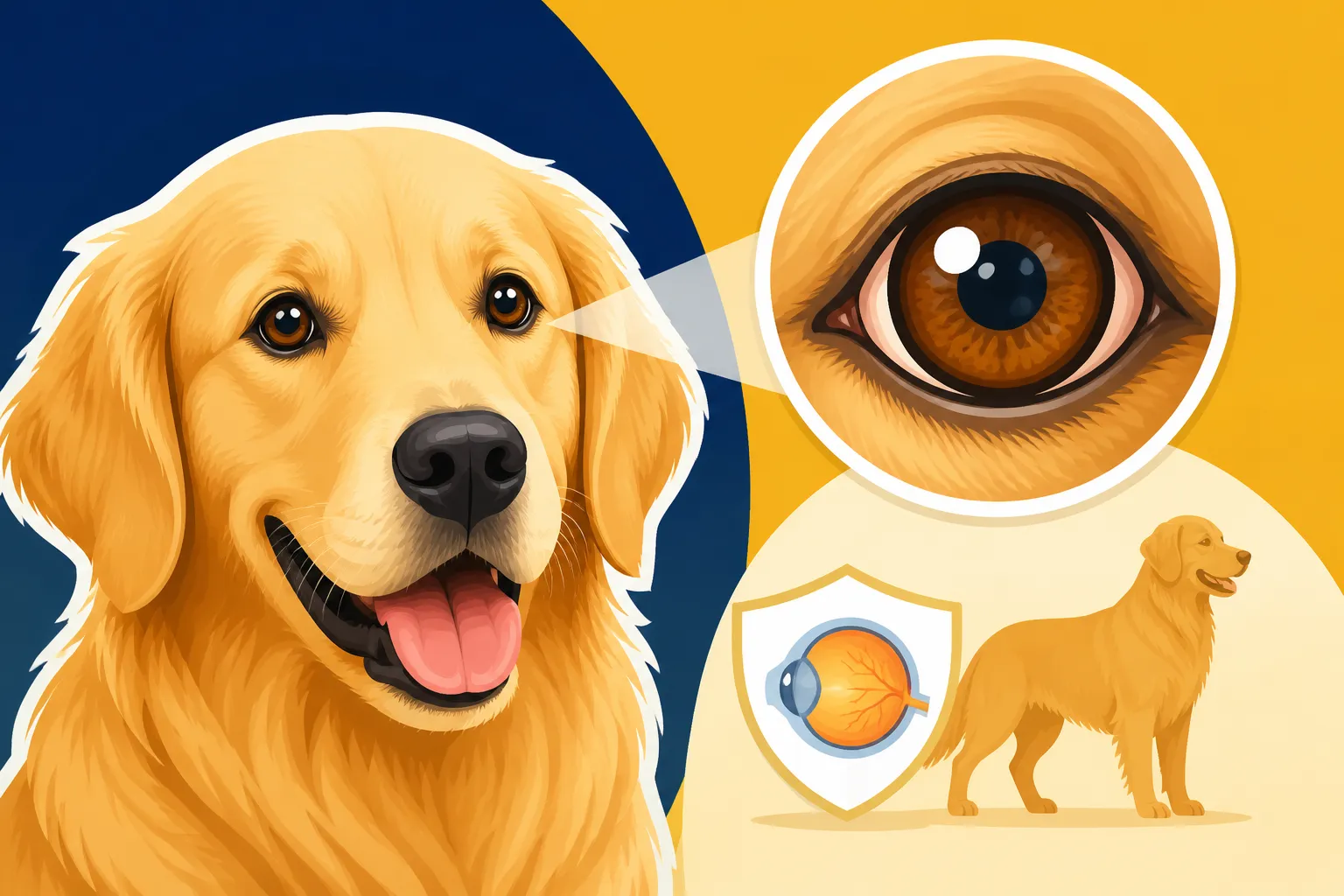
At its heart, pigmentary uveitis (PU) is a chronic inflammatory disease of the uvea, which is the middle layer of the eye containing the iris, ciliary body, and choroid. What makes it unique and particularly nasty in Golden Retrievers is the accumulation and release of pigment within the eye. Imagine tiny specks of color flaking off from the iris and depositing elsewhere, leading to chronic inflammation that can severely damage the eye’s delicate structures.
This condition isn't just a fleeting irritation; it's a persistent, often painful process. Over time, these pigment deposits can block the eye's natural drainage system, leading to a dangerous spike in intraocular pressure, known as secondary glaucoma. Untreated, this can cause irreversible damage to the optic nerve and, devastatingly, lead to blindness. It's a cruel twist of fate for a breed known for its gentle eyes.
Unlike other forms of uveitis, which might be triggered by infection or trauma, pigmentary uveitis in Goldens often seems to arise spontaneously, progressing slowly but steadily. It requires a high degree of suspicion and careful, consistent monitoring because the early signs can be so subtle. Owners might dismiss a slightly red eye or a bit of squinting as just allergies, unaware of the serious underlying process taking place.
Why Goldens Are Uniquely Susceptible
This isn't just bad luck; there's a strong genetic component that makes Golden Retrievers particularly vulnerable to pigmentary uveitis. Research has pointed to specific genetic markers that are highly associated with the development of this disease in the breed. It’s not something they "catch" like a cold; it’s something their DNA unfortunately predisposes them to develop.
The exact genetic mechanism is still being studied, but it's believed that certain gene mutations lead to abnormal pigment cell function or an exaggerated inflammatory response within the uvea. This isn't common across all dog breeds; it's a tragic hallmark of the Golden Retriever. This genetic predisposition means that even a Golden from a healthy lineage, without a direct history of PU in its immediate parents, could still be at risk. This is why it’s so critical for prospective owners to ask about the eye health of a puppy’s lineage, though some conditions, like PU, might manifest later in life. Understanding other breed-specific health issues, such as Golden Retriever Hip and Elbow Dysplasia Explained, can provide further insight into the importance of health clearances.
Because of this unique susceptibility, pigmentary uveitis is considered an inherited eye disease in Golden Retrievers. This fact underscores the importance of responsible breeding practices and why reputable breeders are so diligent about health clearances. Unfortunately, not all breeders are, and sometimes even with the best intentions, conditions like PU can emerge. It highlights the vulnerability of the breed to specific health challenges that require owners to be extra vigilant throughout their dog's life.
Recognizing the Early Signs and Symptoms
Catching pigmentary uveitis early is absolutely crucial for managing the condition and preserving your Golden’s vision. However, the initial signs can be incredibly subtle, easily mistaken for less serious issues or even missed entirely by an untrained eye. Our Goldens are famously stoic, often hiding discomfort until a condition is quite advanced, which makes owner vigilance even more important.
Subtle Changes to Watch For
In the very early stages, you might notice your Golden developing a slight aversion to bright light, a condition known as photophobia. Perhaps your dog, who usually loves basking in the sun on your patio in Scottsdale, suddenly seeks out shade more often, or squints a little when you take them for a walk on a sunny afternoon. You might also observe a mild redness in one or both eyes, often mistaken for irritation from dust or pollen. This redness typically appears around the whites of the eyes (sclera) and can be easily overlooked.
Another subtle cue can be a change in the pupil. It might appear slightly constricted or slower to react to light compared to the other eye, though this can be very difficult for a non-expert to detect without careful observation. Your Golden might also paw at their eye a bit more, or rub their face against furniture or your leg, indicating mild irritation. These are the kinds of quiet signs your Golden Retriever is hurting that can easily be dismissed as minor annoyances but warrant closer inspection.
If you gently examine your Golden’s eyes, especially in good lighting, you might even start to see very faint, tiny dark spots on the iris itself or in the anterior chamber (the clear fluid-filled space between the cornea and the iris). These are the pigment deposits starting to accumulate. While initially harmless-looking, these are the early markers of the disease. Any persistent redness, squinting, or unusual eye discharge, especially if it only affects one eye, should prompt a call to your vet. Remember, proactive observation is your Golden’s best defense.
Advanced Symptoms and Complications
As pigmentary uveitis progresses, the symptoms become much more pronounced and concerning. The pigment spots will become more obvious, often appearing as dark, irregularly shaped patches on the iris or adhering to the lens capsule. The eye might develop a cloudy or hazy appearance as the inflammation worsens, which can significantly impair vision. You might notice your Golden bumping into things more frequently, especially in dim light, indicating their vision is deteriorating.
The most severe complication, and often the most painful, is secondary glaucoma. This occurs when the accumulated pigment and inflammatory debris clog the eye’s drainage angles, causing fluid to build up inside the eye, leading to dangerously high pressure. Signs of glaucoma include a suddenly enlarged eye, a visibly cloudy or blue-tinged cornea (the front surface of the eye), significant pain (your dog might be lethargic, refuse to eat, or vocalize when touched near the head), and rapid, often irreversible, vision loss. This is an absolute emergency and requires immediate veterinary attention.
Without aggressive and consistent treatment, pigmentary uveitis can lead to a host of debilitating problems, including cataracts, retinal detachment, and ultimately, permanent blindness and severe chronic pain. Many Goldens eventually require eye removal (enucleation) to alleviate intractable pain caused by end-stage glaucoma. The progression can vary greatly from dog to dog, but the potential for severe, life-altering complications is why early diagnosis and diligent management are so critically important. If you’re ever wondering How Often a Golden Retriever's Eyes Need Checking, especially with a condition like this, the answer is often more frequently than you might think.
Diagnosis and Treatment Options
Getting an accurate diagnosis for pigmentary uveitis is paramount. It’s not always straightforward, as some early symptoms can mimic other eye conditions. Once diagnosed, the treatment plan for PU is typically a lifelong commitment, focused on managing inflammation, preventing secondary glaucoma, and maintaining your Golden’s comfort and vision for as long as possible.
How Vets Diagnose Pigmentary Uveitis
If you suspect your Golden might have an eye issue, your regular veterinarian is always the first stop. They'll perform a general eye examination, which usually includes checking for redness, discharge, and pupillary light reflexes. However, given the specific nature of pigmentary uveitis, your vet will very likely recommend a consultation with a board-certified veterinary ophthalmologist. These specialists have advanced equipment and expertise to properly diagnose and stage the condition.
The ophthalmologist will conduct a thorough ophthalmic exam using specialized tools. This often includes a slit-lamp biomicroscopy, which allows them to magnify and examine the anterior and posterior chambers of the eye in detail, looking for pigment deposits, inflammatory cells, and changes to the iris. They will also perform tonometry, which measures the intraocular pressure (IOP) to check for early signs of glaucoma. A specialized gonioscopy lens might be used to examine the drainage angle of the eye directly.
Sometimes, further diagnostics like ocular ultrasound might be necessary, especially if the cornea is too cloudy to see inside the eye clearly or if other complications like retinal detachment are suspected. There are also specific genetic tests emerging that can identify a Golden Retriever’s predisposition to PU, which can be a valuable tool for breeders and owners alike. These comprehensive tests ensure an accurate diagnosis, which is crucial for tailoring the most effective treatment plan for your dog. For those interested in understanding genetic predispositions further, research into Golden Retriever Genetic Tests Worth Running can be enlightening.
Managing the Condition Long-Term
Managing pigmentary uveitis is a Marathon, not a sprint. The primary goal of treatment is to reduce inflammation, prevent further pigment dispersion, and control intraocular pressure to stave off glaucoma. This typically involves a combination of topical eye medications, often for the remainder of your dog’s life. Anti-inflammatory eye drops, such as corticosteroids or NSAIDs (non-steroidal anti-inflammatory drugs), are frequently prescribed to calm the inflammation. Sometimes, pupil-dilating drops might also be used to prevent adhesions within the eye.
If secondary glaucoma develops, additional medications to lower intraocular pressure will be added, which might include carbonic anhydrase inhibitors or prostaglandin analogs. These are often administered multiple times a day and can be quite expensive. In severe cases of glaucoma, or if medical management fails to control the pressure or pain, surgical options like laser cyclophotocoagulation (to reduce fluid production) or even enucleation (eye removal) might be considered to ensure the dog's comfort.
Living with a Golden Retriever with PU means becoming adept at administering eye drops and being incredibly consistent. Regular follow-up appointments with the veterinary ophthalmologist are non-negotiable, typically every few months, to monitor progress, adjust medications, and catch any complications early. The financial commitment for such chronic care can be substantial, which is why many owners find that pet insurance, such as a plan from Healthy Paws, can be an invaluable asset in helping manage these ongoing costs, allowing them to focus on their dog's care without added financial strain. It’s a dedicated path, but one that provides the best chance for your Golden to live a comfortable life.
Living With a Golden Retriever With Pigmentary Uveitis
A diagnosis of pigmentary uveitis can feel overwhelming, but with proper home care and diligent monitoring, you can significantly impact your Golden Retriever's quality of life. It truly becomes a team effort between you, your primary vet, and the veterinary ophthalmologist.
Home Care and Lifestyle Adjustments
Administering eye medications correctly and on schedule is the cornerstone of home care for a Golden with pigmentary uveitis. This might involve a routine of multiple drops applied several times a day, which can be challenging, but consistency is key to controlling inflammation and preventing complications. Make sure you understand the correct technique for administering drops from your vet or ophthalmologist, and don't hesitate to ask for demonstrations. Many Goldens, with their eager-to-please nature, can be trained to tolerate eye drops surprisingly well with patience and positive reinforcement.
Beyond medication, consider environmental adjustments to protect your Golden's sensitive eyes. Since photophobia (light sensitivity) is a common symptom, providing shaded areas outdoors and ensuring dim lighting indoors can help. Some owners even use doggy sunglasses (Doggles) or visors when their dogs are outside on very bright days to minimize discomfort. Reducing exposure to irritants like dust, strong winds, or harsh cleaning chemicals is also beneficial. You might even find yourself cleaning your home more frequently to reduce airborne particles.
It's also important to be mindful of activities that could cause accidental eye trauma. While Goldens love to retrieve, rough play or running through dense brush might need to be moderated to prevent further injury. Creating a calm, predictable home environment reduces stress, which can sometimes exacerbate inflammatory conditions. This might mean adjusting your schedule or creating quiet zones within your home in places like San Diego where active outdoor lifestyles are common, to ensure your Golden has a serene retreat.
The Importance of Regular Monitoring
Even when your Golden Retriever seems stable and comfortable, the nature of pigmentary uveitis demands continuous, proactive monitoring. Regular check-ups with your veterinary ophthalmologist are absolutely essential, often scheduled every few months, or more frequently if there are changes or new symptoms. These visits allow the specialist to measure intraocular pressure, assess the degree of inflammation, and look for any new pigment deposits or early signs of glaucoma or other complications like Cataracts in an Aging Golden Retriever.
Your role as an owner in daily observation is just as critical. You are your Golden’s first line of defense. Pay close attention to any subtle changes in their eyes or behavior. Are they squinting more than usual? Is there increased redness, cloudiness, or discharge? Do their pupils look different, or are they showing any signs of pain or discomfort, such as rubbing their face, decreased appetite, or lethargy? Keeping a journal of these observations can be incredibly helpful to share with your vet, providing a detailed history of your dog's condition.
The long-term prognosis for Goldens with pigmentary uveitis varies, but consistent medication, diligent home care, and rigorous veterinary monitoring are the best tools you have to slow the disease's progression and maintain your dog's vision and comfort for as long as possible. Early detection of any worsening or complication is key to effective intervention. This dedication is a testament to the bond we share with our Goldens and the commitment we make to their well-being throughout their lives, including when it's time for Caring for a Senior Golden Retriever.
Here's a quick reference guide for distinguishing early and advanced signs of Pigmentary Uveitis:
| Symptom Category | Early Signs (Subtle) | Advanced Signs (Prominent) |
|---|---|---|
| Appearance | Mild redness, faint dark flecks on iris | Obvious pigment spots, cloudy or hazy eye, enlarged eye |
| Behavior | Mild squinting, seeking shade, subtle eye pawing | Significant pain (vocalization, lethargy), bumping into objects |
| Pupils | Slightly constricted, slow light reaction | Irregular shape, fixed dilation, non-responsive |
| Vision | No obvious impairment | Noticeable vision loss, difficulty navigating |
| Complications | Mild inflammation, no discernible pressure changes | Secondary glaucoma (high pressure), retinal detachment, blindness |
Disclaimer
The information provided in this article is for educational purposes only and is not a substitute for professional veterinary advice. Always consult with a qualified veterinarian or veterinary ophthalmologist for any health concerns or before making any decisions about your Golden Retriever's medical care.