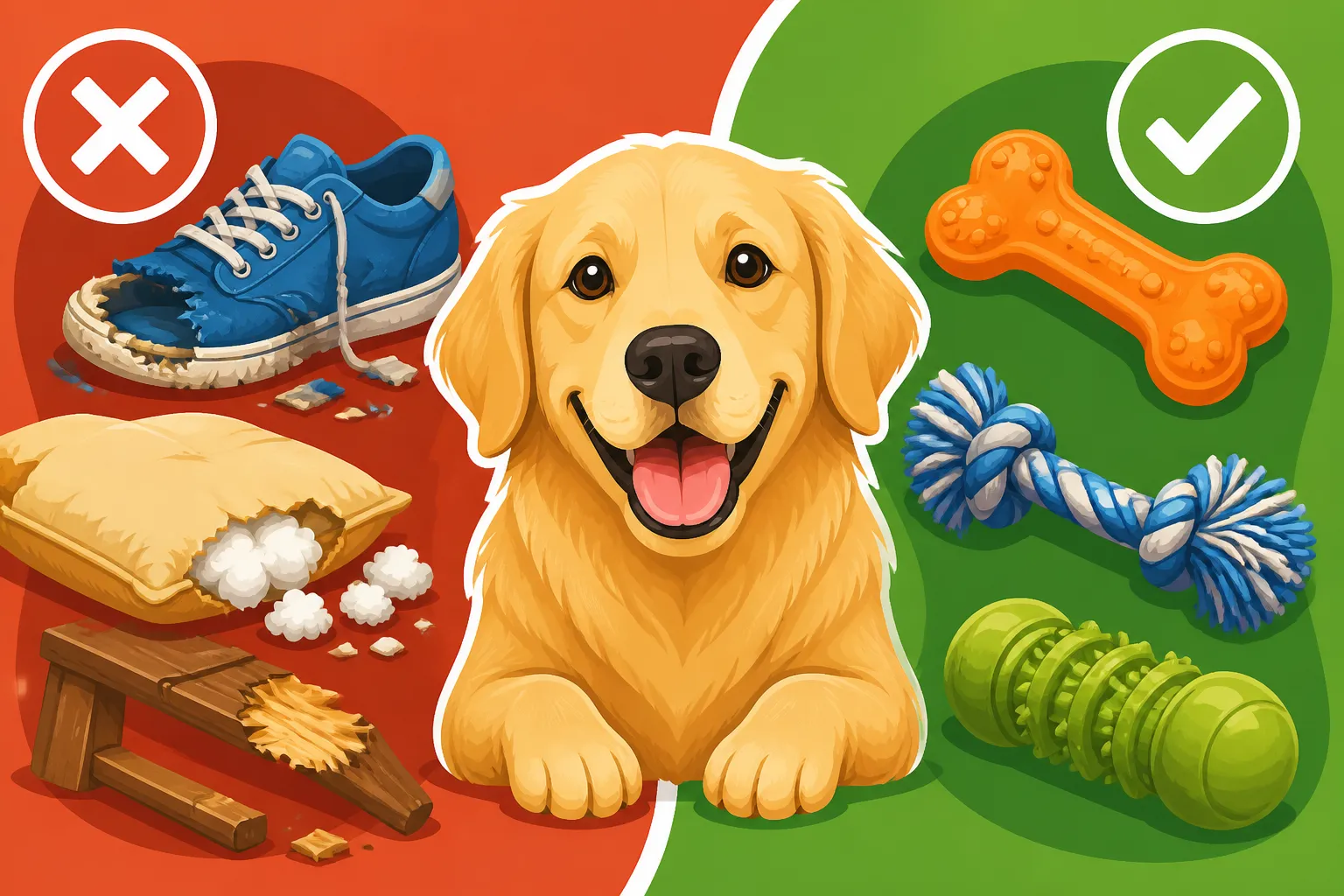
Replacing What a Golden Retriever Chews
There’s almost nothing more disheartening than walking into a room only to find your beloved Golden Retriever has redecorated with the stuffing from your favorite couch cushion, or perhaps turned your brand-new running shoes into a pile of mangled rubber and fabric. It’s a common, incredibly frustrating rite of passage for many Golden owners, leaving you wondering if your home will ever be safe again. This guide dives deep into why Goldens chew, what they typically target, and how to not only replace those lost items but also implement strategies to prevent future destruction.
Understanding the "Why" Behind the Chewing
Before you can effectively tackle the problem of a chewed-up home, it's crucial to understand why your Golden Retriever is chewing in the first place. Goldens are, by nature, very oral dogs, a trait stemming from their retrieving heritage. They use their mouths to explore, to communicate, and often, to cope. Pinpointing the root cause is the first step toward a peaceful coexistence.
Teething in Golden Retriever Puppies
Ah, the puppy stage. It's adorable, full of wiggles and soft fur, but it's also a period of intense, sometimes relentless, chewing. Just like human babies, Golden Retriever puppies experience discomfort as their adult teeth erupt. From about three weeks to six months of age, those tiny, needle-sharp puppy teeth fall out, making way for larger, stronger permanent teeth. This process can be quite painful, and chewing provides immense relief by counter-pressure on their gums. Everything becomes fair game: chair legs, baseboards, your hands, and especially anything that smells like you.
It's not just about pain relief, though. Puppies also explore their environment with their mouths. A new texture, a fascinating scent, or just a new object they haven't encountered before will invariably end up in their jaws. Understanding the Golden Retriever Teething Timeline is key to managing this phase. While it feels like it will never end, this stage is temporary. Your job is to provide appropriate outlets for this natural urge and keep your valuables safely out of reach.
Boredom and Lack of Mental Stimulation
Golden Retrievers are highly intelligent dogs, often ranking among the smartest breeds. This means they need more than just physical exercise; they crave mental stimulation. A Golden who isn't sufficiently engaged will often create their own "job," and that job frequently involves destructive chewing. If your Golden is left alone for long periods without anything interesting to do, or if their daily routine lacks variety, they can quickly become bored.
Boredom chewing is often characterized by generalized destruction, not just targeting one specific type of item. You might find a different victim each day: a remote control today, a shoe tomorrow, a book the day after. It's their way of saying, "Hey, I need something to do!" Think of it as a canine form of fidgeting, but with far more damaging consequences. This type of chewing can be particularly prevalent when they're left alone.
Anxiety and Stress-Related Chewing
Sometimes, chewing isn't about teething or boredom, but a manifestation of anxiety or stress. Golden Retrievers are deeply social animals and form strong bonds with their families. They can be prone to Separation Anxiety in Golden Retrievers when left alone, especially if they haven't been slowly accustomed to solitude. This isn't just a dog being "naughty"; it's a genuine panic response.
Anxiety chewing might be focused on exit points like doorframes or window sills, as the dog tries to "escape" their confinement or get closer to their absent owners. It can also involve items that smell strongly of their person, like dirty laundry or shoes, as a way to self-soothe. Other stressors, like a change in routine, a new pet, moving to a new home, or even loud noises, can trigger anxious chewing. It's vital to differentiate between anxiety-driven chewing and other types, as the intervention strategies are quite different and often require a more holistic approach to address the underlying emotional distress.
Assessing the Damage: What Gets Chewed Most?
When you live with a Golden Retriever, it often feels like you're running a constant defense strategy against their powerful jaws. Certain items seem to attract them more than others, likely due to a combination of scent, texture, and accessibility. Understanding these common targets can help you prioritize your "Golden-proofing" efforts.
Household Furniture and Fixtures
Few things induce a deeper sigh than finding the corner of a coffee table gnawed off or a divot taken out of your baseboard. Furniture legs, chair rungs, and even drywall become tempting textures for a Golden Retriever, especially puppies or adolescent dogs exploring their world. These items often provide a satisfying resistance that many chew toys can't replicate, making them particularly appealing.
For puppies, this is often exploratory chewing – they're tasting everything. For older dogs, it might be a sign of boredom, anxiety, or simply a lack of appropriate alternatives. Repairing furniture can be costly, often requiring professional refinishing or even replacement. Baseboard damage might need sanding, wood filler, and repainting, which is a time-consuming task. Sometimes, if the damage is severe, entire pieces of furniture may become unsalvageable, leading to unexpected and significant expenses.
Personal Items and Electronics
Shoes, clothing, remote controls, glasses, books, and even cell phones are frequent casualties in a home with a chewing Golden. The appeal here is often twofold: your scent and the interesting textures. Shoes, especially well-worn ones, carry a potent cocktail of your unique smell, making them incredibly attractive. The different materials in a shoe – leather, fabric, rubber – provide a variety of chewing experiences.
Remote controls, glasses, and phones are often left within easy reach, and their hard plastic or metallic textures can be surprisingly satisfying to a canine jaw. Beyond the sheer annoyance and cost of replacement, there's also a significant safety concern here. Ingesting parts of these items, like batteries from a remote or shards of plastic, can lead to serious internal injuries or poisoning, necessitating an emergency vet visit. Many Goldens, particularly those who are prone to What a Teething Golden Retriever Destroys, will make short work of anything left within reach.
Outdoor Shenanigans: Gardens and Landscaping
The destruction isn't always confined indoors. Many Golden Retrievers, especially those with high energy levels or a penchant for digging, can wreak havoc on your garden and outdoor spaces. Plants, particularly those with interesting smells or soft textures, can be dug up, shredded, or ingested. Sprinkler heads, tempting plastic tubes, become prime targets for curious mouths. Garden hoses, left coiled on the patio, are often mistaken for giant chew toys.
This outdoor chewing can be driven by boredom, a desire to dig, or simply the availability of novel items. Goldens are smart and often realize that digging and chewing outdoors is less likely to result in immediate human intervention. This can quickly escalate, turning a beautiful garden into a minefield of half-buried treasures and demolished landscaping. Addressing the outdoor chewing often ties into understanding Why a Golden Retriever Digs Up the Yard and ensuring they have appropriate and stimulating activities outside.
Strategic Replacement: Making Smart Choices
When an item inevitably falls victim to your Golden's powerful jaws, the initial frustration can be overwhelming. But beyond the immediate cleanup and sorrow for your lost belonging, it’s an opportunity to re-evaluate and make smarter choices, both in replacing the item and in preparing for the future. Don't just replace, strategically upgrade!
Durable Chew Toys and Alternatives
This is where your proactive defense comes into play. Instead of mourning your chewed shoes, invest in a variety of durable, engaging chew toys that are far more appealing than your possessions. The market is full of fantastic options designed to stand up to a Golden's chewing power. Look for toys made from tough rubber, like those from Kong or West Paw, which can often be stuffed with treats or peanut butter to extend engagement. Nylabones and Benebones offer different textures and flavors for dedicated chewers. For power chewers, toys rated for "aggressive chewers" are a must.
It's not just about durability, though; variety is key. Offer different shapes, textures, and sizes to keep your Golden interested. Rotate their toys periodically so they don't get bored with the same old things. Many owners find success by having a designated "chew basket" where their Golden can always find an appropriate outlet for their chewing needs. This approach helps teach them what is acceptable to chew on, rather than just what isn't. Remember, a toy that survives a Golden Retriever is a true treasure! Many excellent options are readily available through retailers like Chewy, making it easy to stock up on durable choices.
| Chew Toy Type | Durability Level | Engagement Style | Best For |
|---|---|---|---|
| Rubber Toys (e.g., Kong, West Paw) | High | Treat-dispensing, fetching | Moderate to heavy chewers, mental stimulation |
| Nylon Chews (e.g., Nylabone, Benebone) | Very High | Long-lasting, independent chewing | Persistent chewers, dental health |
| Natural Chews (e.g., Bully Sticks, Yak Chews) | Moderate to High | Edible, highly appealing | All chewers, supervision recommended |
| Rope Toys | Moderate | Tug, fetching | Light to moderate chewers, dental flossing |
| Puzzle Toys | Varies | Mental work, treat reward | Boredom prevention, mental exercise |
Securing Your Valuables and Creating "Safe" Zones
The best defense is often a good offense. This means actively managing your environment to remove temptations and create clear boundaries. Puppy-proofing isn't just for puppies; it's a lifelong endeavor with a Golden Retriever. Start by elevating anything you don't want chewed: put shoes in closets, remotes on high shelves, and laundry in hampers with secure lids. Use baby gates to block off rooms where you can't supervise or where valuable items reside.
Crate training is an invaluable tool in this regard. When properly introduced, a crate becomes a safe, cozy den for your Golden, and it’s a place where they generally won't chew inappropriately. It provides a secure space when you can't directly supervise them, preventing destructive habits from forming. Understanding What Size Crate a Golden Retriever Needs is crucial for ensuring it's a comfortable and effective tool. When they're out of the crate, active supervision is your best friend. Keep an eye on them, and if they go for an inappropriate item, redirect them immediately to a suitable chew toy.
Repairing or Replacing Damaged Goods
Once something is chewed, you're faced with a choice: repair or replace. The decision often comes down to the extent of the damage and the value of the item. For minor damage to furniture, a quick sanding, some wood filler, and a touch of paint or stain can sometimes make it good as new. YouTube tutorials abound for DIY furniture repair, which can save you significant costs.
However, for extensive damage, or for items that are expensive or sentimental, professional repair might be necessary. This can include furniture restoration or electronics repair. If replacement is the only option, consider it an opportunity to upgrade to more durable alternatives. For instance, if your favorite decorative blanket became a chew toy, perhaps the replacement should be something made of a less tempting material or stored in a chew-proof container. When it comes to clothes, consider investing in better storage solutions or even using less appealing fabrics for items that will be in a dog-accessible area.
Preventative Measures: Stopping Chewing Before It Starts
Prevention is always better than cure, especially when it comes to a Golden Retriever's chewing habits. It's not just about managing the aftermath of destruction, but about establishing routines and strategies that guide your Golden toward appropriate behaviors and satisfy their natural instincts in healthy ways.
Consistent Training and Redirection
Training is the cornerstone of preventing unwanted chewing. From the moment you bring your Golden home, whether as a puppy or an adopted adult, teaching commands like "leave it" and "drop it" is paramount. These commands are lifesavers, allowing you to interrupt unwanted chewing instantly and safely. Practice these commands regularly with low-value items first, gradually increasing to more tempting objects.
When you catch your Golden chewing something inappropriate, avoid harsh scolding or punishment, which can create fear and lead to your dog chewing secretly. Instead, calmly interrupt them, say "leave it," and immediately redirect their attention to an approved chew toy. Praise them enthusiastically when they take the toy. The goal is to make the appropriate chew toy far more rewarding than your shoe. Consistency is key here; everyone in the household needs to be on the same page with commands and redirection.
Adequate Exercise and Mental Enrichment
A tired Golden is a good Golden, and a mentally stimulated Golden is an even better one. These dogs were bred to work, and if they don't have a job, they'll invent one – often involving their mouths. Ensure your Golden gets plenty of physical exercise every day. For an adult Golden, this usually means at least an hour or two of vigorous activity, like long walks, runs, or games of fetch. If you have a particularly high-energy field line Golden, they might need even more.
Beyond physical activity, mental enrichment is vital. Engage their intelligent minds with puzzle feeders, scent work, and training sessions. Puzzle Feeders That Occupy a Golden Retriever can turn mealtime into a stimulating challenge, preventing gulping and encouraging focus. Short, frequent training sessions using positive reinforcement can build their confidence and tire them out mentally. Consider activities like canine good citizen classes, agility, or even just teaching new tricks. These activities can be particularly helpful for Tiring a Golden Retriever on a Rainy Day when outdoor exercise might be limited.
Management Strategies and Supervision
Sometimes, the simplest solution is the most effective: manage your environment and supervise your dog. This sounds basic, but it's often overlooked in the hustle and bustle of daily life. For puppies and adolescent Goldens, constant supervision is almost mandatory when they are out of their crate. Keep them on a leash indoors if necessary, a practice known as "umbilical cord training," which allows you to intervene immediately if they investigate an inappropriate item.
As they mature and demonstrate more trustworthy behavior, you can gradually increase their freedom. However, the rule of thumb should always be: if you can't watch them, they should be in a safe, chew-proof area like their crate or a securely gated-off room. Make sure all tempting items are out of reach before you leave the room or the house. Think like a Golden: what would look like a fun thing to chew? This proactive approach minimizes opportunities for destructive chewing and helps solidify good habits.
When to Call for Backup: Seeking Professional Help
While most chewing can be managed with consistent training, environmental management, and plenty of appropriate outlets, there are times when the behavior escalates beyond what a typical owner can handle. Knowing when to seek professional assistance is crucial for your sanity and your Golden's well-being.
When Chewing Becomes Obsessive or Dangerous
If your Golden's chewing is becoming obsessive, compulsive, or genuinely dangerous, it's a red flag. This includes chewing to the point of self-mutilation (licking or chewing skin raw), ingesting large quantities of non-food items (pica), or consistently destroying items that could cause severe internal injury, such as electrical cords, shards of glass, or toxic substances. These are not just "bad habits"; they indicate a deeper underlying issue that requires expert attention.
Another sign of trouble is if the chewing is accompanied by other concerning behaviors, such as extreme clinginess, excessive drooling, vocalization, or frantic behavior when left alone. These could point towards severe separation anxiety or other anxiety disorders. Ignoring these signs can lead to worsening behavior, chronic stress for your dog, and potentially life-threatening health issues from foreign body ingestion.
Consulting a Vet or Certified Behaviorist
Your first call should always be to your veterinarian. They can rule out any underlying medical conditions that might be contributing to the chewing. For example, dental pain, gastrointestinal issues, or even nutritional deficiencies can sometimes manifest as excessive chewing. Your vet can perform a thorough examination and recommend any necessary treatments or dietary changes. If they suspect a behavioral issue, they can also refer you to a qualified professional.
For behavioral issues, especially those rooted in anxiety, fear, or obsessive-compulsive tendencies, a certified professional dog trainer or a veterinary behaviorist is your best resource. A certified behaviorist has advanced training in animal behavior and can help diagnose the specific cause of the chewing and develop a tailored behavior modification plan. They often work in conjunction with your vet to ensure a comprehensive approach, sometimes including medication to help manage severe anxiety while behavioral training takes effect. They can provide specialized guidance, especially if you are working with Training an Adopted Adult Golden Retriever who might have ingrained habits.
Considering Other Underlying Issues
Beyond anxiety and boredom, sometimes other factors contribute to excessive chewing. A Golden Retriever who isn't getting adequate nutrition or is on a diet that leaves them constantly hungry might seek out other items to chew on. Ensuring they are on a high-quality, balanced diet, like those offered by Ollie or other reputable brands, can make a difference. If you've been rationing treats, they might feel perpetually underfed. Similarly, some dogs may chew more due to underlying pain that isn't immediately obvious, such as joint discomfort.
Your vet or behaviorist can help explore these less obvious causes. They might ask about your Golden's daily routine, diet, medical history, and specific chewing patterns to gather a complete picture. This holistic approach ensures that all potential triggers are considered, leading to a more effective and lasting solution for your Golden's destructive chewing.
Budgeting for the Unexpected: Financial Preparedness
Owning a Golden Retriever comes with numerous joys, but also significant responsibilities, including financial ones. The cost of replacing chewed items, repairing damage, and potentially covering vet bills for ingested foreign objects can quickly add up and catch owners off guard. Being financially prepared for these "oops" moments is just as important as training and prevention.
Estimating Costs of Replacement and Repair
Let's be realistic: things will get chewed. It's almost an inevitability with a Golden, especially in their younger years. The cost can range from minor to astronomical. A new pair of sneakers might set you back $50-$150. A remote control could be $20-$50. Replacing a beloved book or a child's toy might have sentimental value beyond its monetary cost. But then there's furniture. A damaged chair leg might be a $100 repair, but a ruined couch could mean several hundred to over a thousand dollars for replacement. Repairing baseboards or flooring could involve a contractor, running into the hundreds.
Keeping an ongoing tally of what your Golden has chewed and its replacement cost can be a sobering exercise, but it highlights the financial impact. While a single incident might be manageable, repeated destruction of expensive items can quickly strain your budget. It’s wise to mentally, and perhaps even physically, budget a contingency fund for these types of incidents, especially during the puppy and adolescent phases when Golden Retriever Chewing Through Adolescence can be at its peak.
Considering Pet Insurance for Accidents
One of the most significant financial risks associated with destructive chewing is when your Golden ingests something they shouldn't. Batteries, socks, toys, rocks, or even splinters from furniture can cause intestinal blockages, perforations, or poisoning, leading to emergency veterinary care. These emergencies can easily cost thousands of dollars for diagnostics (X-rays, ultrasounds), surgery, and post-operative care.
This is where pet insurance can be a lifesaver. Policies from providers like Healthy Paws or Trupanion often cover accidental injury and emergency care, including foreign body removal surgery. While it won't cover the cost of your chewed items, it can provide crucial financial protection against the potentially devastating vet bills that arise from your Golden's chewing escapades. When researching, make sure to understand what Pet Insurance for a Golden Retriever typically covers and what the deductibles and reimbursement rates are.
Building an Emergency Fund for a Golden
Even with pet insurance, there will likely be out-of-pocket costs, such as deductibles or co-pays. Moreover, insurance typically won't cover the cost of replacing your personal property. This is why having a dedicated emergency fund is paramount for any Golden Retriever owner. Think of it as a financial safety net specifically for your furry family member.
This fund can cover insurance deductibles, the replacement of chewed items, minor repairs around the house, or even unexpected vet visits that fall outside your insurance coverage. Start small, by setting aside a small amount each month, perhaps $25-$50, into a separate savings account. Over time, this fund can grow into a substantial buffer, giving you peace of mind that you're prepared for the inevitable surprises that come with owning a rambunctious, lovable Golden. For more detailed planning, consider exploring advice on How Big an Emergency Fund a Golden Retriever Needs.
Disclaimer
This guide offers general information and recommendations for managing Golden Retriever chewing behavior and related costs. It is not a substitute for professional veterinary advice, diagnosis, or treatment. Always consult with a qualified veterinarian or certified professional dog trainer for specific concerns regarding your dog's health or behavior. Product mentions are illustrative and not an endorsement of specific brands, and owners should research products thoroughly to ensure they are safe and appropriate for their individual dog.