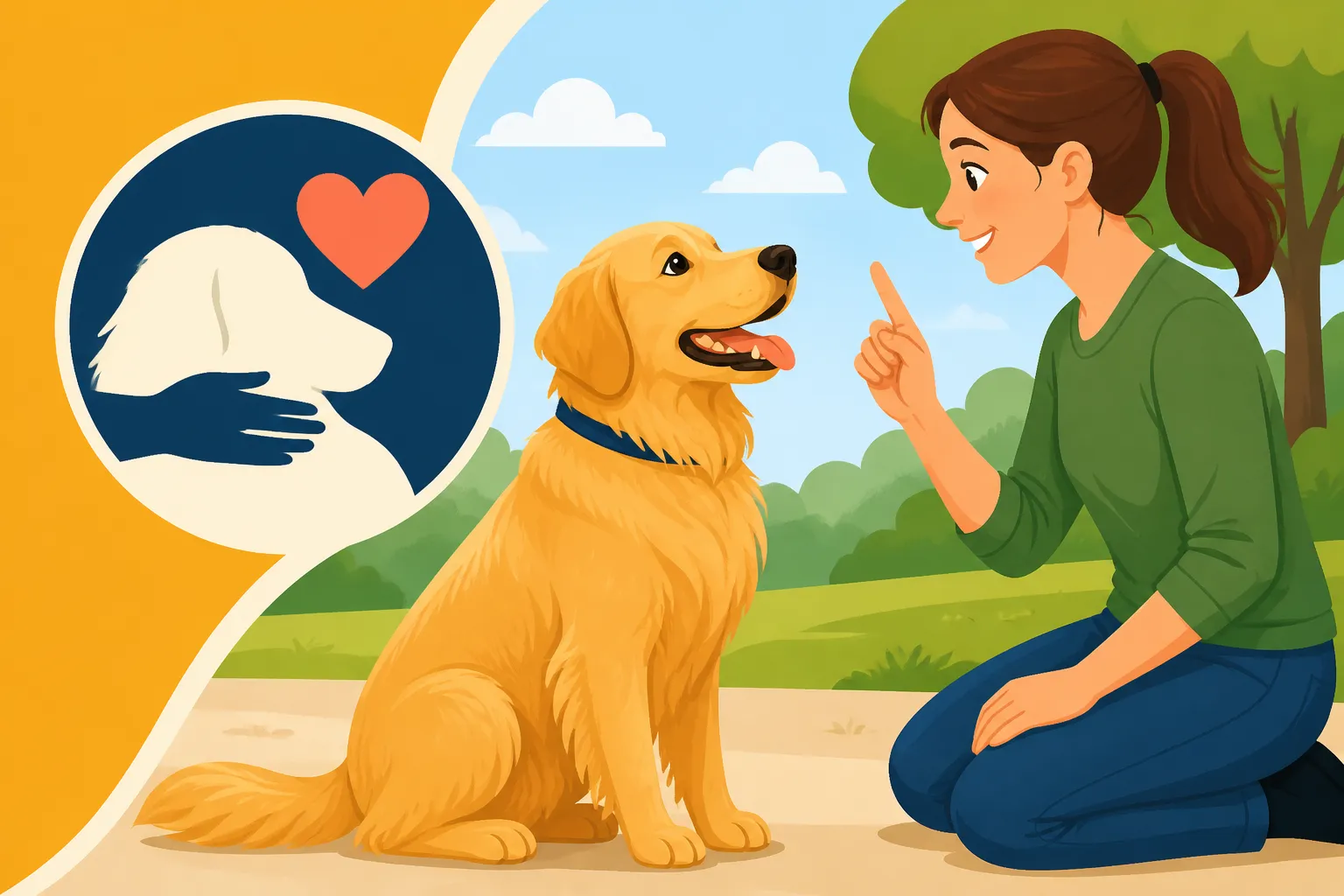
Training an Adopted Adult Golden Retriever
Bringing an adopted adult Golden Retriever into your home is a truly heartwarming experience, but it often comes with the unspoken reality that your new companion may carry a history you don't fully know. This can manifest as unexpected behaviors, anxieties, or a lack of basic manners, leaving you feeling unsure of where to even begin with training. This comprehensive guide is designed to help you navigate the unique journey of training an adult Golden Retriever from a rescue, offering practical advice and empathetic strategies to build a loving, well-adjusted relationship.
Understanding Your Adopted Golden Retriever's Past and Personality
When you welcome an adopted adult Golden Retriever into your family, it's important to remember that they aren't a blank slate. They come with a past, and that past has shaped who they are today. While Golden Retrievers are renowned for their adaptable and eager-to-please nature, their previous experiences can significantly influence their behavior and how they respond to a new environment and new expectations.
The Impact of Previous Environments
Think about the journey your Golden might have taken. They could have come from a neglectful situation where training was nonexistent, or perhaps they were surrendered due by an overwhelmed owner who simply didn't know how to manage their behaviors. Many spend time in shelters, a loud, stressful environment that, while safe, is far from a stable home. Each of these experiences leaves an imprint. A dog from a quiet, elderly home might be overwhelmed by the boisterous energy of children and other pets, leading to shyness or withdrawal. Conversely, a dog that spent a lot of time alone might struggle with over-attachment or destructive behaviors when left by themselves.
These past conditions can lead to a variety of behaviors that might seem challenging at first. You might see fear-based reactions, such as cowering from sudden movements or loud noises. Some dogs develop resource guarding, protecting their food bowl, toys, or even their bed, a behavior often rooted in insecurity or past competition for resources. House-training might be an issue, even if they were once house-trained, because the stress of a new environment can cause regression. It’s crucial to approach these behaviors not as willful disobedience, but as a communication of their discomfort or misunderstanding. Recognizing that these behaviors are often coping mechanisms, developed in less-than-ideal circumstances, is the first step toward effective and compassionate training.
Assessing Their Temperament and What to Expect
Even with an unknown past, Golden Retrievers typically possess a loving and intelligent nature. However, an adopted adult might initially be reserved, cautious, or even shut down. Their natural Golden Retriever Temperament and What to Expect might be temporarily masked by fear or uncertainty. Some might appear overly exuberant, jumping and mouthing, which can be a sign of poor impulse control or simply an inability to regulate their excitement in a new, stimulating situation. It’s your job to become a careful observer in these early days, watching how they interact with family members, other pets, and the environment. Do they shy away from touch? Do they follow you constantly? Are they easily startled by household sounds?
Tailoring your training approach to their individual personality is paramount. There isn't a one-size-fits-all Golden Retriever mold when it comes to training adopted adults. A highly sensitive dog will need a gentler, slower approach than a more confident, outgoing one who might thrive on more structured interaction. For instance, a Golden who spent months in a kennel might need extra time and quiet to decompress before you even think about complex commands. You might find that your adopted Golden is incredibly eager to please, soaking up every new command like a sponge, or you might find a dog who needs significant time, patience, and repetition to understand what you're asking. Give them space to reveal their true selves, and be ready to adapt your strategy as you learn more about what makes them tick.
Establishing a Foundation of Trust and Routine
The initial period after adoption is critical for building a strong, trusting relationship with your adult Golden Retriever. This isn't just about teaching commands; it's about providing security, predictability, and a sense of belonging. Without this foundation, any formal training efforts will be much more challenging.
The "Two-Week Shutdown" Period
Many experienced rescuers advocate for what's known as the "two-week shutdown" period, though it can sometimes last longer depending on the dog. This isn't a strict rule, but a guiding principle for the first days and weeks. The core idea is to minimize new experiences, overstimulation, and demands on your new dog. Imagine being dropped into a foreign country with a new language, new customs, and new people – you'd feel overwhelmed, right? Your adopted Golden feels similar. During this period, focus on creating a calm, quiet, and predictable environment. Keep interactions low-key: minimal visitors, no trips to the dog park, limited new places.
The goal is to allow your Golden to decompress, observe their new surroundings without pressure, and begin to understand that your home is a safe space. Establish a consistent routine for feeding, potty breaks, and short, leashed walks around your yard or immediate vicinity. Provide a comfortable, designated "safe space" like a crate (covered with a blanket) or a bed in a quiet corner where they can retreat without being disturbed. Avoid forcing interaction; let them come to you on their own terms. This period is less about active training and more about passive integration, allowing them to adjust to the sights, sounds, and smells of your home at their own pace.
Building a Predictable Daily Schedule
Predictability is a cornerstone of security for any dog, especially one who has experienced instability. A consistent daily schedule helps your adopted Golden understand what to expect and when, reducing anxiety and allowing them to relax. This is incredibly important for everything from house training to managing anxiety. For instance, if they know when their meals are coming, they're less likely to feel anxious about food scarcity. If potty breaks are at regular intervals, it helps prevent accidents and reinforces good habits.
A good schedule might look something like this: early morning wake-up and immediate potty break, breakfast, a quiet activity or short walk, nap/rest time, mid-day potty break, another activity, dinner, evening potty, and a final potty right before bed. This rhythm gives them a framework. Be diligent with your schedule, especially in the first few weeks. While it might feel restrictive for you, it provides immense comfort and clarity for your dog. A solid routine is often the unsung hero in resolving many behavioral issues in adopted dogs, helping them realize that they can truly settle into their new life and that their basic needs will always be met. House Training a Golden Retriever is much easier with a predictable schedule.
Positive Reinforcement and Relationship Building
When training an adopted adult Golden, positive reinforcement isn't just a technique; it's a way to communicate love and build an unbreakable bond. Your goal is to show your dog that good things happen when they engage with you and make good choices. High-value treats (small pieces of cooked chicken, cheese, or specialized training treats) are your best friend here, paired with enthusiastic verbal praise and gentle physical affection if they welcome it. Every time your Golden looks at you, sits when asked, or simply walks calmly beside you, mark that moment with a "yes!" or a clicker, followed by a reward.
Consider hand-feeding some of their meals in the early days. This simple act can dramatically increase their trust in you, associating your presence with positive, life-sustaining resources. Keep initial training sessions very short – just 2-5 minutes – and end on a positive note. The focus is on making every interaction a pleasant one, building positive associations with you, your family, and your home. Avoid any harsh corrections, yelling, or punishment, as these tactics will only erode the fragile trust you're trying to build, potentially triggering fear or further shutting down an already anxious dog. Your adopted Golden needs to learn that you are a source of comfort and security, not another potential threat.
Addressing Common Behavioral Challenges in Adopted Adults
Many adult Golden Retrievers from rescue homes come with a few quirks or behaviors that need careful attention. These aren't necessarily signs of a "bad" dog, but often indicators of past experiences or a lack of consistent training. Approaching these challenges with understanding and specific strategies can make a world of difference.
House Training Accidents and Regression
It’s disheartening to find an accident inside, especially if you were told your Golden was house-trained. However, stress, a new environment, different smells, and an unfamiliar schedule can cause even a perfectly house-trained dog to regress. They might not know where the "potty spot" is in your new yard, or they might be too overwhelmed to ask. The key here is to go back to basics and treat them like a puppy.
This means frequent potty breaks – every hour or two in the beginning, and immediately after waking up, eating, or playing. Always take them out on a leash to guide them to the designated area, and lavishly praise and reward them the moment they relieve themselves outside. If they don't go, bring them back inside and try again in 10-15 minutes. Crate Training a Golden Retriever Puppy concepts can be extremely useful here; a properly sized crate can help prevent accidents inside by leveraging a dog's natural instinct not to soil their sleeping area. When accidents do happen, clean them thoroughly with an enzymatic cleaner to eliminate the scent, which can otherwise encourage repeat offenses. Never punish them for accidents, as this only teaches them to hide their elimination, making it harder for you to catch and redirect the behavior.
Leash Pulling and Reactivity
Many adopted Goldens haven't had the benefit of consistent leash manners training, leading to pulling, forging ahead, or reacting excitedly (or fearfully) to other dogs, people, or squirrels. Walking a strong, pulling Golden can quickly become a chore rather than a pleasure. Leash Manners for a Strong Golden Retriever are crucial for both your enjoyment and your dog's safety.
Start by equipping yourself with the right tools. A front-clip harness, easily found on Amazon, can be very effective in redirecting a pulling dog without causing discomfort to their throat. Head halters are another option for greater control. Begin working on loose-leash walking in a quiet, low-distraction environment. The moment your dog's leash goes taut, stop walking. Only resume when the leash slackens. Reward them frequently for walking with a loose leash. For reactivity, such as barking or lunging at other dogs, avoid putting them in situations where they react. Instead, work at a distance where they notice the trigger but don't react, rewarding them for looking at the trigger calmly, or for looking at you instead. This "look-at-that" game helps change their emotional response from negative to positive.
Separation Anxiety and Destructive Chewing
Separation anxiety is a particularly heartbreaking challenge, and it's sadly common in adopted dogs who have experienced abandonment or multiple homes. This isn't naughtiness; it's genuine distress, manifesting as excessive barking, destructive chewing, inappropriate urination/defecation, or frantic attempts to escape when left alone. These behaviors are symptoms of panic. Separation Anxiety in Golden Retrievers requires a gentle and systematic approach.
Begin by building up their tolerance to being alone very, very gradually. Start with just a few seconds, then minutes, stepping out of the room and returning before they show signs of distress. Slowly increase the duration over days or weeks. Provide mental enrichment like puzzle toys filled with treats or long-lasting chews (again, Amazon offers a wide variety of safe options) that they can associate with your departure. Make your exits and entrances low-key, without a big fuss. If the anxiety is severe, consulting a veterinary behaviorist is highly recommended. They can help distinguish true separation anxiety from boredom and may suggest medication in conjunction with behavior modification. Destructive chewing often stems from boredom or anxiety, so ensuring your Golden has appropriate chew toys and sufficient exercise can also help mitigate this behavior.
Resource Guarding and Fear-Based Behaviors
Resource guarding—when a dog guards food, toys, sleeping areas, or even people from others—is often born out of insecurity from a past where resources might have been scarce or contested. It's a natural canine behavior, but one that needs careful management in a home environment. Never punish a dog for guarding, as this can escalate the behavior and make them more likely to bite without warning.
Instead, implement management strategies: feed your Golden separately from other pets, or in their crate. When they have a high-value chew or toy, give them space. Teach a "trade-up" game, where you offer an even higher-value treat in exchange for the guarded item, gradually teaching them that your approach means good things, not theft. For fear-based behaviors, such as shying away from new people, objects, or certain noises, the key is slow, positive exposure. Don't force interaction. Allow them to approach on their own terms, rewarding brave investigations. Create a safe retreat for them, and let visitors know to ignore your dog initially, allowing the dog to initiate contact if they feel comfortable. Building confidence slowly and positively is vital for a fearful Golden.
Implementing Effective Training Techniques
Once you've established trust and a routine, and started addressing any immediate behavioral concerns, you can begin to introduce more formal training. Adult Golden Retrievers are incredibly intelligent and eager to please, making them wonderful students, even if they're starting from scratch.
Clicker Training and Marker Words
Clicker training is a fantastic way to communicate precisely with your dog. The clicker acts as a "marker" – a clear, distinct sound that tells your dog, "YES! That's exactly what I wanted you to do!" the instant they perform the desired behavior. This immediate feedback helps them understand what action earned them a treat much faster than verbal praise alone. To start, you'll "charge" the clicker: simply click, then immediately give a treat, repeating this 10-20 times in a short session. Your dog will quickly associate the click with good things.
Once charged, you can use the clicker to capture behaviors your dog offers naturally (like sitting) or to lure them into positions. For example, to teach "sit," hold a treat over their head, moving it back slightly to encourage them to sit. The moment their rear touches the ground, click, then treat. Repeat this many times. You can also use a verbal marker word like "Yes!" if a clicker feels cumbersome, but ensure it's always delivered with enthusiasm and immediately followed by a reward. Consistency is key; make sure everyone in the household uses the same marker and follows through with the treat. Marker Training a Golden Retriever With a Clicker can accelerate learning for your adult Golden.
Basic Obedience for a Well-Adjusted Dog
Basic obedience commands are the foundation of good communication and a well-adjusted dog. "Sit," "Stay," "Come" (recall), and "Leave It" are not just party tricks; they are crucial for safety and managing everyday situations. Start by teaching these commands in a quiet, distraction-free environment, gradually introducing more challenging settings as your Golden becomes more proficient. Keep training sessions short, positive, and fun.
For example, "Come" is a life-saving command. Practice it in your yard, rewarding your Golden enthusiastically every time they respond, even if they were just two feet away. Use high-value treats to make coming to you the most rewarding thing they can do. Many online resources and training programs offer structured curricula that are perfect for adult dogs, even if they're often marketed towards puppies. For instance, the BAXTER & Bella online puppy school, while aimed at younger dogs, has comprehensive modules on fundamental obedience that are easily adaptable for an adult Golden who needs to learn or brush up on these essential skills. Remember, even if your dog knows a command, they may not respond reliably under distraction, so continuous practice in varied environments is essential.
Socialization and Confidence Building
It might seem strange to talk about socialization for an adult dog, but it's just as important for adopted Goldens, especially if their past limited their positive experiences. The goal isn't to make them love every dog or person, but to help them feel comfortable and calm in a variety of situations. Continued positive, controlled socialization helps build confidence and prevent fear-based reactivity.
This could involve controlled playdates with calm, friendly dogs you know, short trips to quiet dog-friendly stores, or simply sitting on a park bench and rewarding your Golden for observing the world calmly. Enroll in a positive reinforcement adult obedience class. This provides a structured environment to practice manners around other dogs and people, helping your Golden learn to focus on you even with distractions. It also exposes them to new sights and sounds in a safe, controlled way. Always ensure these experiences are positive; avoid forcing interactions or putting your dog in overwhelming situations. Socializing a Golden Retriever Puppy tactics can be modified for adult dogs, focusing on positive exposure and gradual introductions.
The Marathon, Not a Sprint: Patience, Consistency, and Professional Help
Bringing an adopted adult Golden Retriever into your life is a journey, not a destination. It requires immense patience, unwavering consistency, and sometimes, the wisdom to seek professional help. Remember, your dog is doing the best they can with the information they have and the past they carry.
Managing Expectations and Celebrating Small Wins
It's easy to get frustrated when progress seems slow, or when your Golden has a setback after a period of improvement. It’s crucial to manage your expectations. It can take months, sometimes even a full year or more, for an adopted dog to truly decompress, feel secure, and show their authentic personality in their new home. Think of it as peeling back layers – each positive interaction, each consistent routine, helps them shed a bit more of their past baggage.
Focus on celebrating the small victories. Did they make it through a walk without pulling? Celebrate it! Did they choose to lay calmly at your feet instead of pacing? That's a win! Did they finally go potty outside after a string of indoor accidents? Absolutely celebrate that! Every tiny step forward is progress. Don't dwell on setbacks; simply address them calmly and return to your consistent routine and training methods. Your Golden needs your calm leadership, not your frustration.
The Importance of Consistent Boundaries
Inconsistency is confusing for dogs and can inadvertently undermine your training efforts. All family members must be on the same page regarding rules, commands, and expectations. If one person allows the dog on the couch but another doesn't, or if commands are given differently, your Golden won't understand what's expected of them. This can lead to anxiety and a breakdown in communication.
Establish clear, kind boundaries from day one and ensure everyone adheres to them. Use the same verbal cues for commands, and follow through with the same rewards. A "safe space," like a crate or a designated bed in a quiet area, can be invaluable for an adopted Golden, giving them a place to retreat when they feel overwhelmed. This consistency provides stability and clarity, helping your dog feel more secure in their new home and understand their role within the family structure. This sense of order helps them relax and trust.
Knowing When to Seek Professional Guidance
While many behavioral challenges can be addressed with patience and positive reinforcement, some issues are beyond the scope of a typical owner. If your adopted Golden exhibits severe aggression, extreme fear, debilitating separation anxiety, or other complex behavioral problems that seem resistant to your efforts, please don't hesitate to seek professional help. This is not a sign of failure on your part, but a responsible step towards ensuring the best possible outcome for your dog.
Look for a Certified Professional Dog Trainer (CPDT-KA), a Fear Free certified trainer, or a Veterinary Behaviorist. These professionals have specialized knowledge and experience to diagnose underlying issues and develop tailored behavior modification plans. A veterinary behaviorist, in particular, can assess if medication might be beneficial to help manage anxiety or fear while you work on behavior modification. Early intervention from a qualified professional can prevent minor issues from escalating and significantly improve your Golden's quality of life and your relationship with them. Choosing a Trainer for a Golden Retriever is a decision that can make all the difference.
Adopted Golden Retriever Training Challenges & Solutions
| Challenge | Common Symptoms | Key Training Approach | When to Seek Professional Help |
|---|---|---|---|
| House Training Issues | Urinating/defecating indoors, even if previously house-trained | Strict potty schedule, immediate outdoor rewards, thorough cleanup, crate use | Persistent issues despite consistent routine, medical exclusion |
| Leash Pulling/Reactivity | Pulling constantly, lunging/barking at others on walks, difficulty focusing outdoors | Front-clip harness, "stop-and-go" method, counter-conditioning, desensitization | Aggression/biting on leash, severe anxiety, inability to walk |
| Separation Anxiety | Excessive barking/howling, destructive chewing, inappropriate elimination when alone | Gradual desensitization to departures, enrichment toys, calm departures/returns | Self-harm, severe property destruction, prolonged panic attacks |
| Resource Guarding | Growling, snapping, freezing over food, toys, or resting spots | Management (separate feeding), "trade-up" game, never punish | Escalating aggression, biting, guarding people |
| Fear/Shyness | Cowering, avoiding eye contact, hiding, shaking around new people/situations | Slow, positive introductions, confidence-building games, safe retreat spaces | Intense panic attacks, uncontrolled urination/defecation due to fear |
| Destructive Chewing | Chewing furniture, shoes, inappropriate items | Provide appropriate chew toys, increase exercise/mental stimulation, manage access | Associated with severe separation anxiety, compulsive chewing |
Disclaimer
This article is for general informational purposes only and does not constitute professional advice. Laws, prices and regulations vary by location and change over time. Consult a qualified professional for guidance on your specific situation.