When Golden Retriever Puppy Biting Stops
Oh, the joy of bringing home a Golden Retriever puppy! Those adorable fluff balls with their clumsy paws and sweet eyes just melt your heart. But then, it happens. Those tiny, needle-sharp teeth start making contact, and suddenly, your hands, your ankles, your clothing – everything becomes a chew toy. If you're wondering, "When will this puppy biting stop?!" you are definitely not alone. It's one of the most common, and often frustrating, phases of puppyhood, and this guide is here to walk you through why it happens and, more importantly, what you can do to navigate it until those sharp little nips finally subside.
Understanding Why Golden Retriever Puppies Bite
Before we can tackle how to stop the biting, it's really helpful to understand why your Golden Retriever puppy is doing it in the first place. It’s rarely out of malice or aggression; it's a completely natural, instinctual behavior for puppies. They aren't trying to be naughty; they're just being puppies!
The Teething Stage and Exploration
Just like human babies, Golden Retriever puppies go through a significant teething phase. They are born without teeth, then get their baby (deciduous) teeth around 3-4 weeks old, and these are incredibly sharp. By 4-6 months of age, those baby teeth start falling out and are replaced by their stronger, permanent adult teeth. This whole process is uncomfortable for them. Their gums are sore, inflamed, and itchy. What's the best way to relieve that discomfort? Chewing, of course! They'll chew on anything and everything to help those new teeth push through.
Beyond teething, puppies explore their world with their mouths. Think of it as their hands. They can't pick things up and examine them with their paws like we do with our hands, so they use their mouths to gather information about textures, shapes, and what's safe or not safe. Your fingers, toes, and clothing are just convenient, interesting items within their reach that offer a variety of sensations. It's a natural learning process, even if it's painful for us. Understanding The Golden Retriever Teething Timeline can help you anticipate these periods of increased mouthiness.
Learning Bite Inhibition
One of the most crucial lessons a puppy learns, ideally from their littermates and mother, is bite inhibition. This is the understanding of how much pressure they can exert with their jaws without causing harm. When puppies play with each other, they mouth and nip. If one puppy bites too hard, the other will yelp loudly and disengage from play, teaching the offender that "ouch, that hurt, and if you keep doing that, the fun stops." This is how they learn to soften their bite.
However, when puppies come to our homes, they often miss out on some of those critical early lessons, or we don't speak "dog" well enough to teach them effectively. Our skin is much more sensitive than a littermate's fur-covered skin, so a bite that might be acceptable to another puppy feels very painful to us. It's our job to continue this lesson in a way they understand. Without proper bite inhibition training, a Golden Retriever might accidentally hurt someone even as an adult, simply because they never learned the boundaries of their own strength. This is why addressing Why Golden Retriever Puppies Are So Mouthy early is so important.
Overstimulation and Zoomies
Sometimes, puppy biting isn't just about teething or exploration; it can be a sign of overstimulation or overtiredness. Think of a toddler who gets cranky and starts acting out when they're past their bedtime. Puppies are very similar. After a particularly exciting play session, a long walk, or even just too much interaction, a Golden Retriever puppy can become overstimulated. This can manifest as an increase in frantic energy, often called "zoomies," combined with exaggerated nipping and biting.
They might race around the house, bouncing off furniture, and then suddenly latch onto your leg or arm with more intensity than usual. It’s their way of releasing pent-up energy or signaling that they’ve had enough and need a break. In these moments, logic often goes out the window, and they might seem to ignore all your usual cues. Recognizing these patterns can help you preempt the biting by initiating a calm-down period or a nap before they reach that frenzied state. Providing mental enrichment can also help tire them out in a good way, which can reduce biting episodes.
Strategies to Manage and Stop Puppy Biting
Dealing with constant puppy biting can be exhausting, but remember, consistency is your best friend. Every family member needs to be on the same page with these strategies for them to be truly effective.
Consistent Redirection
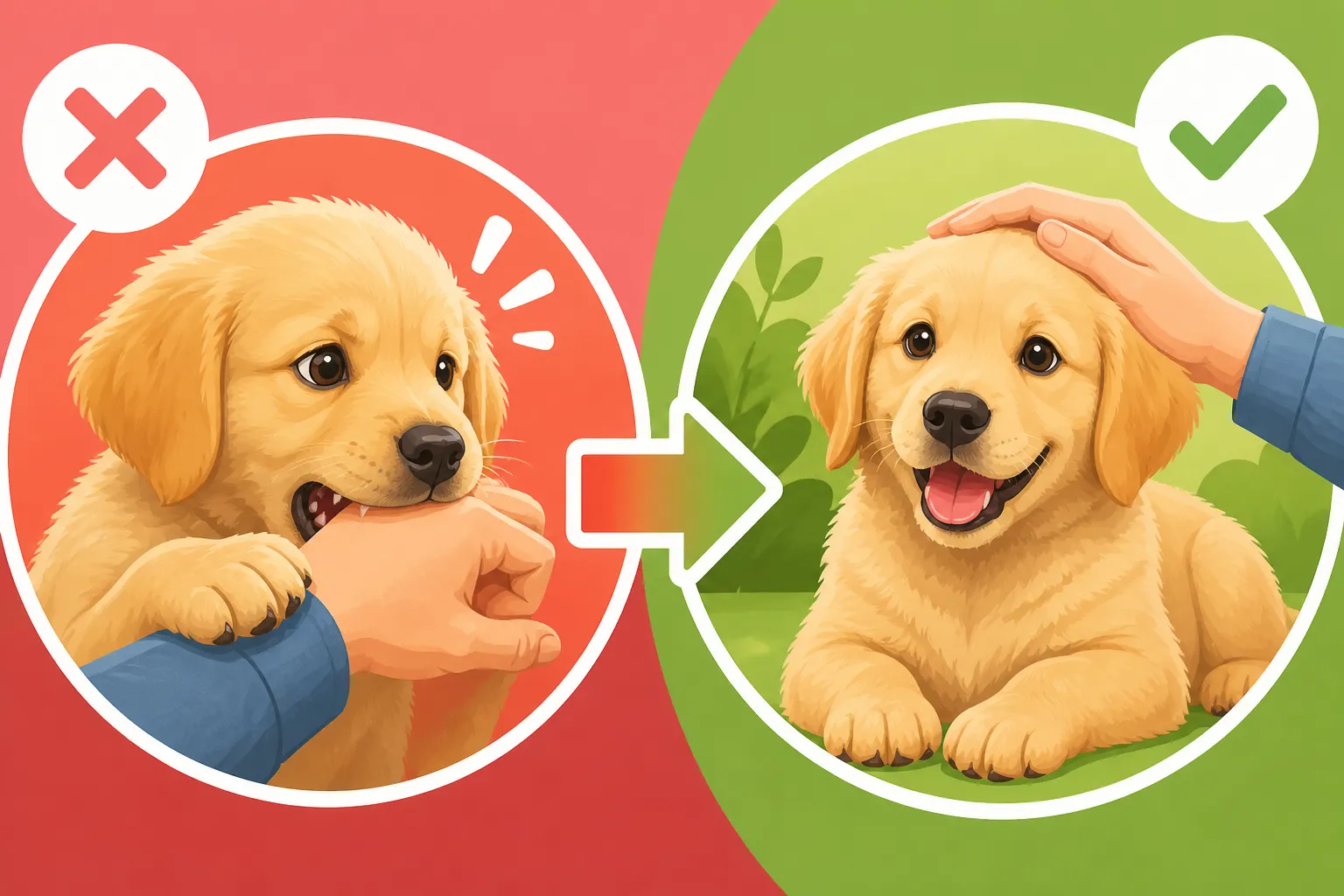
One of the most straightforward and effective methods to manage puppy biting is consistent redirection. The moment your Golden Retriever puppy’s teeth touch your skin, immediately offer them something appropriate to chew on. This could be a sturdy chew toy, a rope toy, or a KONG filled with something delicious. The key is to be lightning-fast. The instant they start to mouth you, before they even exert pressure, smoothly slip a toy into their mouth.
This teaches them, "Hands are not for biting; this toy is for biting." Praise them enthusiastically when they take the toy instead of your hand. Keep a variety of chew toys readily available in every room you spend time in with your puppy. Make sure these toys are engaging and durable. For instance, Teething Toys That Calm a Golden Retriever Puppy can be a lifesaver. Brands like KONG or Nylabone offer a range of textures and strengths that are perfect for determined Golden jaws. You can often find a great selection on Amazon, and having a few options ensures your puppy doesn't get bored. This constant reinforcement helps them develop good habits.
The "Yelp" and Time-Out Method
This method directly mimics how puppies learn bite inhibition from their littermates. When your Golden puppy bites too hard, let out a high-pitched, surprised "yelp" or "ouch!" as if you were another puppy. Immediately withdraw your hand or body part and stop all interaction. Turn your back, cross your arms, and completely ignore them for about 10-15 seconds. If they calm down, you can resume gentle play. If they immediately come back and bite again, then it's time for a short "reverse time-out."
A reverse time-out means you leave the room, not the puppy. Step behind a baby gate, go into an adjacent room, or simply exit the playpen. The goal is to show them that biting makes the fun human go away. After 30-60 seconds of being alone (or until they've settled), you can calmly return. The key is not to make it a punishment with anger or scolding, but a clear consequence: biting equals the end of playtime or attention. Consistency here is paramount. Everyone in the household must apply this technique every single time. It's a foundational part of Bite Inhibition Training for a Golden Retriever. Remember, your goal isn't to punish but to communicate that biting stops the good stuff.
Providing Appropriate Chew Toys
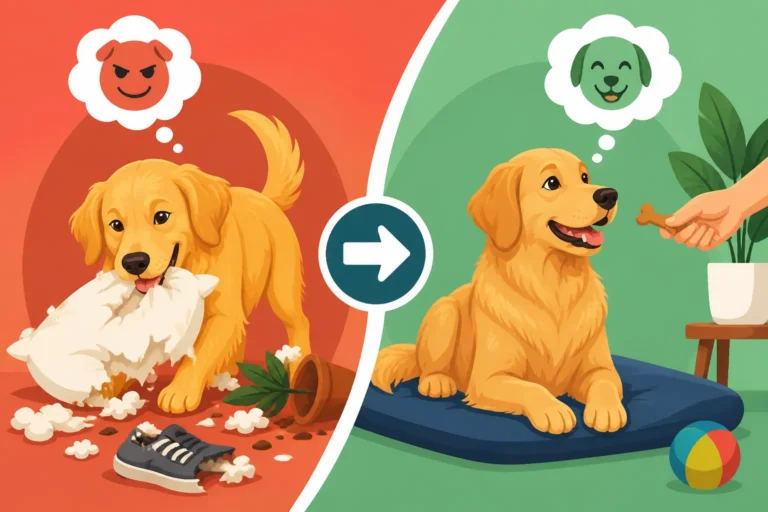
Having a vast arsenal of appropriate and enticing chew toys is non-negotiable for a Golden Retriever puppy. Their instinct to chew is strong, and if you don't give them approved outlets, they will find their own – and those often include your furniture, shoes, or hands. Look for toys that satisfy different chewing needs: rubber toys that offer resistance, softer plush toys for comfort, and even edible chews that can be safely consumed.
Rotate your puppy's toys to keep them novel and exciting. If a toy is always out, it loses its appeal. Offer new toys frequently and put others away for a few days, then bring them back out. Puzzle toys where you can stuff treats or peanut butter can also be incredibly effective for redirecting chewing and providing mental stimulation. Many online stores, including Amazon, have excellent sections for durable puppy toys. Think about what will last. Golden Retrievers can be powerful chewers even as puppies, so skip anything flimsy. The BAXTER & Bella online puppy school also often recommends various durable chew toys and strategies for their effective use in their curriculum. This ensures that when your puppy feels that urge to chew, they're always choosing something acceptable, helping to reduce instances of Golden Retriever Chewing Through Adolescence later on.
When to Expect the Biting to Subside
The timeline for puppy biting to stop completely isn't an exact science, as every Golden Retriever is an individual. However, there are general phases you can expect.
The Adolescent Nipping Phase
Most Golden Retriever puppies start to significantly reduce their intense, painful puppy biting by around 4-6 months of age, once their adult teeth have largely come in. The raw, desperate need to chew to alleviate teething pain diminishes. However, don't expect it to disappear entirely overnight. Many Goldens enter an "adolescent" phase, typically from about 6 months to 18 months (or even two years for some), where they might still exhibit mouthy behavior, but it often changes in nature.
This adolescent nipping might be less about teething and more about overexcitement, attention-seeking, or simply a lack of impulse control. They're still learning boundaries, and their hormones are starting to kick in, which can sometimes lead to a bit of a "teenage rebellion" in terms of behavior. This is when consistency in training becomes even more vital. Just because the sharp puppy teeth are gone doesn't mean the need for clear rules disappears. You might notice them still mouthing your hands during intense play or when they're particularly hyped up. This phase can be a test of your patience, but remember that the foundational work you put in during their younger months will pay off.
Factors Influencing Biting Cessation
Several factors can influence how quickly your Golden Retriever puppy stops biting:
- Consistency of Training: This is arguably the biggest factor. If everyone in the household consistently applies the redirection and time-out methods, your puppy will learn much faster. Inconsistent responses (sometimes you allow it, sometimes you don't) will only confuse them and prolong the behavior.
- Socialization: Puppies who have positive experiences playing with other well-socialized, appropriate dogs learn valuable lessons about bite pressure and social cues. Other dogs will communicate very clearly if a bite is too hard, which reinforces the bite inhibition lessons you're trying to teach. Socializing a Golden Retriever Puppy is crucial for overall development, not just biting.
- Exercise and Mental Stimulation: A tired Golden Retriever is a good Golden Retriever! If your puppy isn't getting enough physical exercise or mental enrichment (like puzzle toys, training sessions, or scent games), they'll have excess energy that can manifest as unwanted behaviors, including biting. A bored or under-stimulated puppy is more likely to use you as their entertainment.
- Breed Tendencies: While Golden Retrievers are known for their "soft mouths," which is a trait bred for retrieving game without damaging it, they are also a very mouthy breed. Their desire to carry things and use their mouths to interact is strong. This means you might need to work a bit harder on teaching them what's okay to mouth and what's not, compared to a less mouthy breed.
When to Seek Professional Help
For most Golden Retriever puppies, consistent application of the methods above will lead to a significant decrease in unwanted biting by 6-8 months of age, with occasional adolescent mouthiness fading by 12-18 months. However, there are times when seeking professional help is a really good idea.
If your Golden Retriever puppy’s biting seems unusually intense, frequent, or aggressive (showing growling, snapping without warning, or drawing blood consistently even after applying the "yelp" and time-out methods), it's time to consult a professional. This could be a certified professional dog trainer, a veterinary behaviorist, or a behavior consultant.
Signs that might warrant professional intervention include:
- Biting that doesn't respond to consistent training methods.
- Biting that seems to intensify rather than decrease with age.
- Persistent biting that breaks skin or causes injury, especially if it seems deliberate or unprovoked.
- Any signs of resource guarding (growling or snapping when you approach their food, toys, or resting place) combined with biting.
- Your puppy seems genuinely afraid or highly reactive, and biting is a defense mechanism.
A good trainer can assess the specific situation, identify underlying causes, and provide a tailored training plan. They can observe your interactions and pinpoint areas where you might inadvertently be reinforcing the behavior. Sometimes, a fresh pair of eyes and expert guidance make all the difference. Don't hesitate to reach out if you feel overwhelmed or concerned. Early intervention is always best. Choosing a Trainer for a Golden Retriever is a critical step if you find yourself in this situation.
| Puppy Biting Stage | Age Range (Approx.) | Primary Cause(s) | Common Behavior | Effective Strategies |
|---|---|---|---|---|
| Early Teething | 8-16 weeks | Teething pain, exploration, learning | Constant nipping, sharp bites, mouthing | Consistent redirection to appropriate chew toys, "yelp" and time-out, ensure ample mental and physical outlets |
| Peak Teething | 16-24 weeks | Adult teeth erupting, sore gums, high energy | Increased intensity, frantic nipping, chewing everything | All above strategies, focus on durable, varied chew toys (e.g., KONGs), structured naps for overstimulation |
| Adolescence | 6-18 months | Overexcitement, attention-seeking, impulse control | Less sharp, but still firm mouthing, jumping/nipping during play | Continued redirection, reinforce polite greetings ("four on the floor"), obedience training to build impulse control |
| Maturity | 18 months+ | Rare, usually due to lack of training or underlying issues | Accidental nipping (rare), reactivity, frustration-induced biting | Professional trainer/behaviorist consultation, consistent reinforcement of known polite behaviors, ongoing mental stimulation |
Remember, this too shall pass! With patience, consistency, and the right strategies, your Golden Retriever puppy will learn to keep those beautiful mouths off your skin and onto their toys.
Disclaimer
This article is for general informational purposes only and does not constitute professional advice. Laws, prices and regulations vary by location and change over time. Consult a qualified professional for guidance on your specific situation.