Socializing a Golden Retriever Before Full Vaccination
Bringing home a brand new Golden Retriever puppy is an absolute whirlwind of joy, excitement, and, let's be honest, a good bit of worry! One of the biggest dilemmas new puppy parents face is the crucial need for early socialization conflicting with the very real risk of exposing their unvaccinated little furball to illnesses. It feels like you're stuck between a rock and a hard place: either you risk your puppy's physical health by taking them out, or you risk their behavioral health by keeping them isolated. This guide is here to help you navigate that tricky period, offering safe, effective strategies to socialize your Golden Retriever puppy responsibly before they've completed their full vaccination schedule.
The Critical Window for Puppy Development and the Vaccination Dilemma
It's a truth universally acknowledged in the dog world: early socialization is paramount for a well-adjusted adult dog. But then you hear about parvovirus, distemper, and all sorts of scary things, and suddenly, taking your adorable, vulnerable puppy anywhere seems like a terrible idea. This internal conflict is completely understandable, but it's vital to understand why both socialization and vaccination are so critical.
The Critical Socialization Window
From roughly 3 weeks to 16 weeks of age, puppies are like little sponges, soaking up every experience and forming foundational impressions of the world. This is often called the "socialization window," and for Golden Retrievers, who are naturally friendly but can also develop anxieties if not properly exposed, it's particularly important. During this time, positive exposures to various sights, sounds, smells, people, and other friendly dogs are crucial for them to develop into confident, resilient adults. A puppy who misses out on these experiences can grow up to be fearful, reactive, or aggressive, even if they have the sweetest Golden Retriever genes. It’s a short window, and once it starts to close, those opportunities become much harder to recreate.
Think about it: a puppy who only ever sees the same few people and hears the same few noises in their home might be terrified the first time a loud truck rumbles by or a stranger in a hat approaches them on a walk. This isn't just about making them "nice"; it's about building their confidence and their ability to cope with the normal stresses of daily life. Missing this window can lead to lifelong behavioral challenges that are far harder to address later on.
The Puppy Vaccination Schedule
On the flip side, puppies are born with some maternal antibodies, but these wane over time, leaving them vulnerable to serious, even fatal, diseases. This is why veterinarians recommend a series of vaccinations, usually starting around 6-8 weeks and continuing every 3-4 weeks until the puppy is around 16 weeks old. It's a staggered approach because we don't know exactly when those maternal antibodies will disappear, and giving vaccinations too early might mean they are neutralized before they can stimulate the puppy's own immune system. Your vet will provide a Golden Retriever Puppy Vaccination Timeline that outlines exactly when each shot is due.
During this period, when your puppy isn't fully vaccinated, their immune system is still developing, making them susceptible to pathogens found in the environment. Parvovirus, for instance, can live in the soil for a long time and is highly contagious and devastating to young puppies. It's a genuine threat that responsible owners must take seriously, which is why your vet rightly advises caution regarding public places.
The Catch-22 for Owners
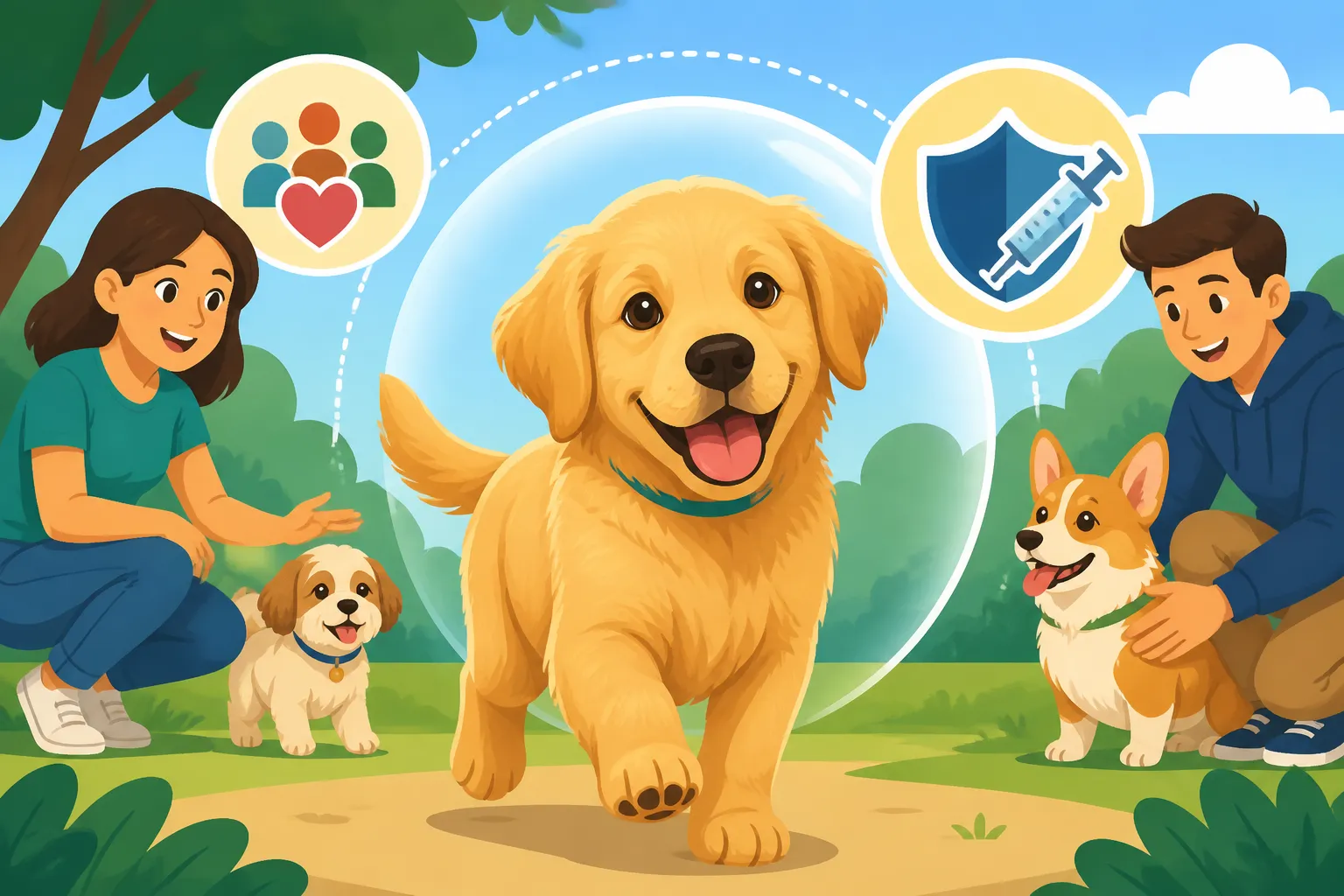
So, you have this tiny, adorable Golden Retriever puppy who needs to see the world, but the world is full of potential germs. It's a genuine "catch-22" for new owners. You’re told by trainers to socialize, and by vets to be careful. The frustration is real, and it can feel overwhelming trying to balance these two equally important needs. The key isn't to pick one over the other, but to find ways to do both safely and effectively. This means being strategic and deliberate about how and where you expose your puppy, ensuring that every experience is positive, controlled, and low-risk.
Safe Socialization Strategies for Unvaccinated Pups
The good news is that "socialization" doesn't just mean throwing your puppy into a dog park. There are many ways to introduce your Golden Retriever to the world without putting them at undue risk. The goal is positive exposure, not just exposure for exposure's sake.
Controlled Encounters with Known, Healthy Dogs
One of the safest ways to introduce your unvaccinated puppy to other dogs is through controlled playdates with known, fully vaccinated, healthy adult dogs. These dogs should have excellent temperaments and be up-to-date on their own vaccinations. Ideally, these are dogs belonging to friends, family, or neighbors that you trust completely. Supervise these interactions closely to ensure they are positive and gentle. The older dog can teach your puppy appropriate play manners, bite inhibition, and canine communication in a safe environment.
Avoid any dog parks, pet stores, or communal areas where the vaccination status and health history of other dogs are unknown. Even a brief sniff can transfer germs. Think of it like this: would you take a newborn baby to a crowded shopping mall during flu season? Probably not. The same cautious approach applies to your puppy. Focus on quality over quantity in these early interactions, making sure each one builds confidence, not fear. Introducing a Golden Retriever Puppy to an Older Dog can be a great way to start.
Exposure to New Sights, Sounds, and Textures
Socialization isn't just about other dogs; it's about the entire environment. Your puppy needs to experience a wide variety of stimuli in a positive way. You can do this safely without their paws ever touching the ground. Consider carrying your puppy in a sling or a sturdy tote bag (you can find excellent options on Amazon) through quiet parks, bustling downtown areas, or even just sitting on a bench outside a coffee shop. This allows them to observe people, cars, bikes, and other dogs from a safe, elevated position, without direct contact with potentially contaminated surfaces.
You can also create enriching experiences at home. Play recordings of various sounds like sirens, thunderstorms, city traffic, or babies crying at a low volume and gradually increase it, always pairing it with positive things like treats or toys. Introduce different floor textures: carpet, tile, wood, gravel, grass in your own yard. Let them explore different objects, like umbrellas opening, vacuums running, or different hats and coats people might wear. These are all crucial parts of building a well-rounded, resilient dog. Exposing a Golden Retriever Puppy to Sounds is a great resource for this.
Positive Human Interactions Beyond the Family
Your Golden Retriever puppy also needs to meet a diverse group of people – men, women, children, people of different ethnicities, people wearing hats, glasses, or uniforms. Again, the key is controlled and positive interactions. Invite trusted, healthy friends and family members over to your home. Ask them to sit on the floor, offer a treat gently, and let the puppy approach them at their own pace. Ensure children know how to interact respectfully with a puppy, avoiding loud noises or sudden movements.
If you are carrying your puppy out in public, let people briefly greet them if they ask, but always monitor the interaction. Ensure people are gentle and don't overwhelm your puppy. A quick, calm pet and a treat from the stranger can go a long way in building positive associations with new people. Remember, your puppy's perception of the world is largely shaped by these early experiences, so keep them positive, calm, and reassuring.
Tools and Resources to Aid Early Socialization
Even when your puppy isn't fully vaccinated, there are resources designed to help you continue their crucial developmental journey in a secure way. From structured classes to online programs and practical gear, leveraging these tools can make a significant difference.
Puppy Class Considerations
Many reputable dog training facilities offer "puppy kindergarten" classes specifically designed for young, partially vaccinated puppies. These classes often have strict vaccination requirements for entry (e.g., first set of shots, proof of health), and they are held in environments that are regularly cleaned and sanitized to minimize disease transmission. The benefits are immense: your puppy can interact with other puppies of a similar age and size under the watchful eye of a professional trainer, learning appropriate play behavior. They also get exposed to new people and a structured learning environment.
A good puppy class is about much more than just basic commands; it's a vital part of their socialization. Trainers can help you interpret your puppy's body language and guide you on how to make interactions positive and safe. Before enrolling, always ask about their cleaning protocols and vaccination policies to ensure you're comfortable with their safety measures. These structured environments offer a fantastic opportunity that is typically worth the investment in your puppy's future. You might find our article on Puppy Classes Worth It for a Golden Retriever helpful.
Online Resources and Training Programs
In today's digital age, you don't even have to leave your home to access valuable socialization resources. Many online puppy programs, like those offered by BAXTER & Bella, provide structured lesson plans and virtual guidance for puppy owners. These platforms can offer "field trips" by showing videos of different environments, sounds, and people, which you can pair with positive reinforcement exercises in your living room. They also often provide checklists and ideas for creating safe, controlled exposures at home and in low-risk environments.
Beyond dedicated programs, you can find a wealth of information through online communities, forums, and YouTube channels run by certified professional dog trainers. While not a substitute for real-world experience, these can supplement your efforts, providing ideas for mental enrichment games, desensitization exercises, and strategies for managing typical puppy behaviors. Consider purchasing a desensitization sound CD or playlist from Amazon, or finding free options on streaming services, to play during quiet times to help your puppy habituate to various noises.
Safe Gear for Exposure
Having the right gear can make safe socialization much easier. As mentioned, a comfortable and secure puppy sling or carrier is invaluable for taking your puppy out to observe the world without touching the ground. Look for one that's sturdy, has good ventilation, and allows your puppy to see out easily without feeling confined. Make sure it's sized appropriately for your Golden Retriever puppy's rapid growth.
For car rides, a secured crate or a safety-tested car harness is essential. Early, positive experiences with car rides are also a form of socialization, helping your puppy become accustomed to motion and different destinations. A soft mat or blanket that carries your puppy's scent can make these experiences more comforting. Always keep high-value treats on hand to reward calm behavior during new experiences, whether it's hearing a new sound or seeing a new person from a distance. A well-stocked What a Golden Retriever Puppy Starter Kit Costs can help you get ready.
What to Avoid During This Sensitive Period
While it's crucial to prioritize socialization, it's equally important to understand what constitutes a high-risk situation for your unvaccinated Golden Retriever puppy. Knowing what to avoid is just as critical as knowing what to do.
High-Risk Environments
Until your veterinarian gives the all-clear that your puppy is fully protected, you absolutely must avoid places where sick dogs or their waste might be present. This includes:
- Dog parks: These are hotbeds for diseases, and you have no control over the vaccination status or health of the dogs (or their owners) visiting.
- Pet store floors: While many pet stores welcome dogs, the floors can harbor viruses from countless other animals. Carrying your puppy is usually fine, but don't let them walk around.
- Communal potty areas: Any area where many dogs frequently relieve themselves is a risk. Even if your puppy doesn't interact directly with another dog, sniffing contaminated ground can transmit disease.
- Rest stops or popular walking trails: Similar to dog parks, these areas often have high dog traffic and unknown disease risks.
- Vet clinic waiting room floor: Carry your puppy in and out of the clinic, and keep them elevated in the waiting room if possible.
It might feel overly cautious, but remember, catching something like parvovirus can be life-threatening and incredibly expensive to treat. A few weeks of extra vigilance is a small price to pay for your puppy's long-term health.
Overwhelm and Negative Experiences
Socialization is about positive exposure. Shoving your puppy into a scary situation, even if technically "safe" from a disease perspective, can be detrimental. A negative early experience can create lasting fear and anxiety. For instance, if you take your puppy in a carrier to a busy, loud street corner and they are visibly shaking or trying to hide, you're not building confidence – you're creating fear.
Always observe your puppy's body language. Are they curious and exploring (even from the safety of your arms)? Or are they retreating, tucking their tail, panting excessively, or trying to hide? If they show signs of stress, back off. Move to a quieter area, increase the distance from the stimulus, or end the session. The goal is to keep experiences neutral or positive, always ending on a good note. A puppy who is overwhelmed will learn to fear new things, which is the opposite of what socialization intends to achieve. Remember, you're teaching your puppy how to feel about the world; make it a safe and happy lesson.
Skipping Critical Steps
Some owners, out of genuine concern for their puppy's health, might keep them completely isolated until they are 16 weeks old or older. While the intention is good, this can inadvertently lead to significant behavioral problems down the road because they missed the crucial early socialization window. It's a balance, not an either/or situation. Completely skipping exposure to the world can result in a fearful, undersocialized adult dog, which can present its own set of serious challenges.
The ideal is a thoughtful, proactive approach where you consciously seek out safe and controlled opportunities for your puppy to experience the world. This means planning playdates with trusted dogs, carrying your puppy to new places, exposing them to different sounds and textures, and enrolling them in carefully vetted puppy classes. Do not just wait. Take action responsibly to build your Golden Retriever’s confidence and ensure they grow into the well-adjusted, friendly companion they are meant to be. This is especially true for Goldens, who thrive on interaction and can suffer from Separation Anxiety in Golden Retrievers if not properly prepared for alone time and varied experiences.
Here's a quick comparison of safe vs. risky socialization methods for an unvaccinated puppy:
| Socialization Method | Risk Level (Unvaccinated Puppy) | Notes & Best Practices |
|---|---|---|
| Controlled playdates | Low | With known, healthy, fully vaccinated, temperament-tested adult dogs in a private, clean space. |
| Carrying puppy in public | Low | In a sling/carrier, observing from a distance. No paws on the ground in public areas. |
| Puppy classes (vetted) | Low | Reputable facilities with strict vaccination rules, sanitized environment, and trained staff. Ask for protocols. |
| Home exposure | Very Low | Introducing new sounds (e.g., via Amazon CDs), textures, people (trusted visitors) within your clean home environment. |
| Backyard exploration | Low | In your own yard, ensuring no stray animals or unknown contaminants. |
| Dog parks | High | Unknown dogs, unknown vaccination status, high pathogen load in the environment. Avoid completely. |
| Pet store floors | High | Many dogs walk these floors. Carry your puppy instead. |
| Communal walking paths/rest stops | High | Shared spaces where disease transmission is possible from feces, urine, or other dog contact. |
| Uncontrolled public greetings | Medium-High | Even if carried, allowing strangers to overwhelm your puppy or letting them get too close to unknown dogs carries risks. Keep it brief and positive. |
By being mindful and proactive, you can ensure your Golden Retriever puppy gets the crucial early experiences they need while staying safe from preventable diseases. It's a careful dance, but one that sets the stage for a lifetime of happiness and confidence for your beloved companion. The effort you put in now, especially during this challenging initial phase, will pay dividends in their overall temperament and well-being for years to come.
Disclaimer
This article is for general informational purposes only and does not constitute professional advice. Laws, prices and regulations vary by location and change over time. Consult a qualified professional for guidance on your specific situation.