Exposing a Golden Retriever Puppy to Sounds
Bringing a new Golden Retriever puppy home is a whirlwind of joy, play, and maybe a little chaos. Amidst all the excitement, many new puppy parents feel overwhelmed by the sheer volume of things they need to teach their furry little land shark – from potty training to not chewing on everything in sight. One often-overlooked but absolutely critical aspect of raising a well-adjusted Golden is exposing them to a wide array of sounds early and positively. Failing to do so can lead to a dog who is fearful of everyday noises, turning normal life events like a thunderstorm or even the vacuum cleaner into a terrifying ordeal. This comprehensive guide will walk you through why early sound exposure is so vital for your Golden Retriever puppy and how to introduce them to the noisy world around them in a way that builds confidence, not anxiety.
Why Early Sound Socialization is Crucial for Golden Retriever Puppies
When you bring home a fluffy, adorable Golden Retriever puppy, it's easy to focus on the cuddles and playtime. However, what happens during those first few months of their life sets the stage for their entire future temperament and resilience. Golden Retrievers are known for their friendly, outgoing nature, but even the most well-bred pup can develop anxieties if not properly socialized, and sounds play a massive role in that.
The Sensitive Period for Puppy Development
Think of a Golden Retriever puppy's first few months as a sponge. They are soaking up every experience, every interaction, and every sound they encounter, shaping their perception of the world. This critical developmental period, roughly from 3 to 16 weeks of age, is often called the "socialization window." During this time, puppies are most receptive to new experiences and form lasting impressions. What they learn to accept as normal and safe during this window will likely remain so throughout their lives. Conversely, what they are not exposed to, or experience negatively, can become a source of fear or anxiety.
For Golden Retrievers, a breed often praised for its stable temperament, leveraging this window effectively is paramount. If a Golden puppy only ever hears the quiet hum of a suburban home, a sudden loud noise later in life – like a construction truck rumbling by or a child's toy unexpectedly squeaking – can be genuinely startling and even traumatic. Proper, positive sound exposure during this time helps their developing brains classify a wide range of noises as non-threatening background information, allowing their naturally calm and friendly disposition to shine through. You can learn more about how their early life experiences shape them in Golden Retriever Temperament and What to Expect.
Preventing Fear and Phobias Later in Life
One of the most heartbreaking issues an owner can face is a dog crippled by fear, especially fear of sounds. Loud noises like fireworks, thunderstorms, or even the garbage truck can send some dogs into a panic, leading to destructive behavior, frantic attempts to escape, or even self-harm. These phobias aren't just an inconvenience; they significantly impact a dog's quality of life and an owner's ability to manage them.
The good news is that many sound-related phobias can be prevented or significantly mitigated through careful, early exposure. By introducing your Golden puppy to various sounds in a controlled and positive manner, you're essentially building a mental "sound library" of safe noises. Each positive experience chips away at the potential for a sound to become a threat, building their confidence and helping them understand that most noises are just part of life, not a danger. A dog that has calmly experienced the whir of a blender from a young age is much less likely to cower when they hear it as an adult.
Safe and Effective Methods for Sound Exposure
The key to successful sound socialization isn't about blasting your puppy with loud noises and hoping for the best. It's about a gradual, positive, and controlled process that respects your puppy's sensitive nature. We want to associate new sounds with good things, making them a non-event or even a pleasant signal.
Starting with Low-Volume, Controlled Environments
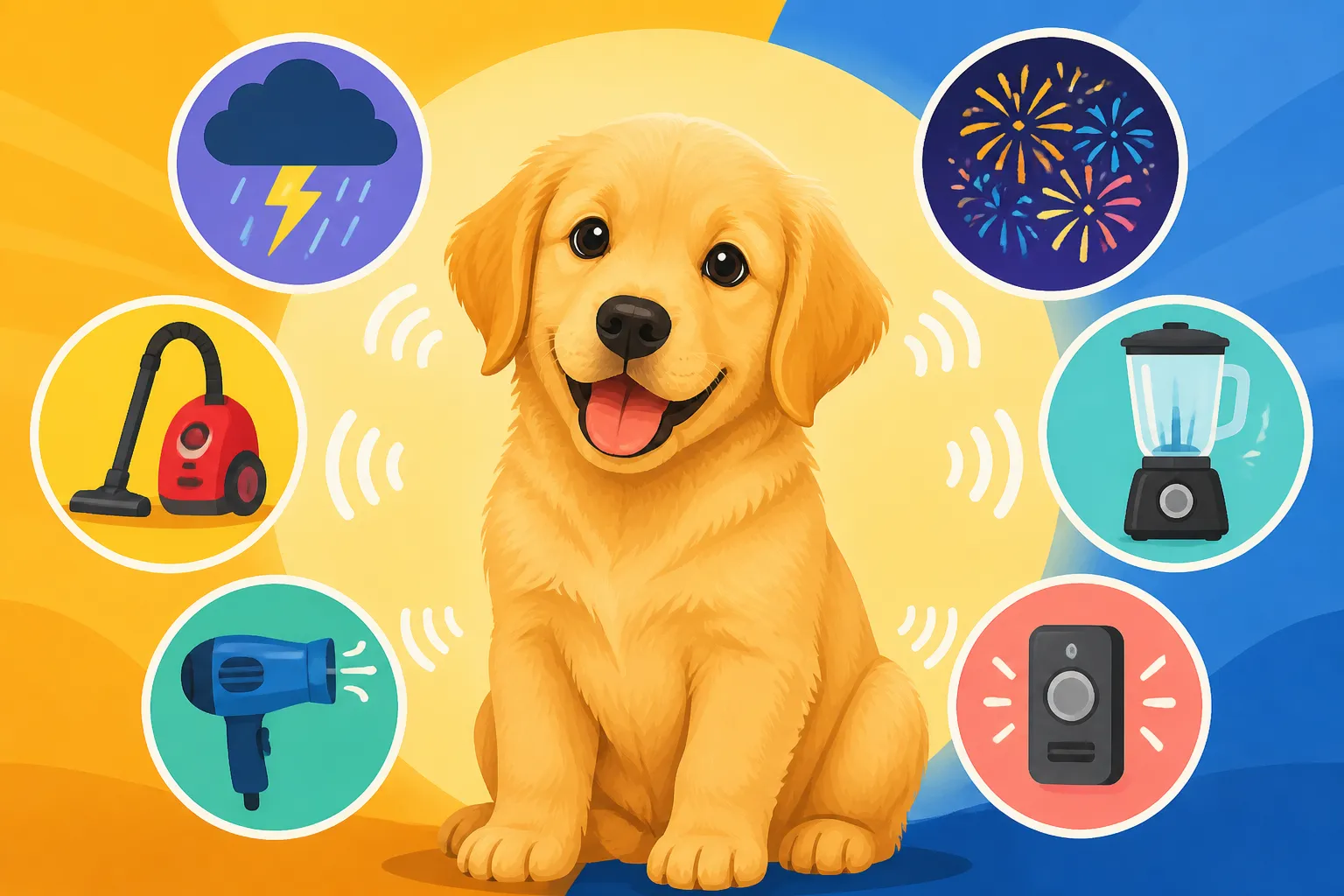
Your home is the perfect "sound laboratory" for your Golden Retriever puppy. Begin by introducing common household sounds at a very low volume. This means utilizing everyday items you already have, or even digital resources. You can find specialized puppy sound CDs or even stream sound effect playlists on platforms like YouTube or Spotify. You might also find some excellent puppy-specific sound machines designed for desensitization available on Amazon. Start with noises like doorbells, vacuum cleaners, distant thunder, crying babies, or even other dog barks.
The trick is to keep the volume so low that your puppy barely notices it, or simply registers it as background noise without reacting negatively. While the sound is playing quietly, engage your puppy in something they absolutely love. This could be playing with their favorite toy, giving them a high-value treat, or offering gentle praise and petting. The goal is to create a positive association: "Oh, that whirring noise means I get yummy treats!" Keep these sessions short – just a few minutes at a time – and end on a positive note. Never force your puppy to stay in the room if they show signs of discomfort, even at low volumes. Remember, Goldens are intelligent and sensitive, so gentle guidance works best.
Gradually Increasing Intensity and Variety
Once your Golden Retriever puppy is completely relaxed and happy with a specific sound at a low volume, you can begin to slowly increase the intensity. This might mean turning up the volume just a notch, moving the sound source slightly closer, or playing it for a slightly longer duration. The progression should be subtle, always staying within your puppy's comfort zone. If they show any signs of unease, dial it back. The pace is dictated by your puppy, not by a schedule.
As they become comfortable with one sound, introduce new ones. Think about the full spectrum of noises they might encounter:
- Household Sounds: Blender, washing machine, dryer, microwave beeps, dropped pots, alarms, telephone ringing, footsteps, children playing or crying.
- Outdoor Sounds: Traffic, car horns, sirens, distant lawnmowers, construction noise, birds chirping, squirrels chattering, bikes, skateboards.
- Animal Sounds: Different dog barks (small, large, frantic), cat meows, bird calls, farm animals.
- Human Sounds: People talking loudly, laughing, shouting, clapping, babies crying.
Vary these sounds regularly. Don't just focus on the "scary" ones; ensure they also hear a mix of normal, everyday noises. This creates a robust foundation. For a deeper dive into their early social needs, consider reading Socializing a Golden Retriever Puppy.
Incorporating Real-World Experiences
While controlled sound sessions at home are invaluable, nothing beats real-world exposure once your Golden Retriever puppy is fully vaccinated and cleared by your vet to venture out. These experiences should still be managed carefully to ensure they remain positive.
- Car Rides: Short, enjoyable car rides to nowhere in particular can expose them to traffic sounds, honking, and the general hum of a moving vehicle. Make sure the ride ends with something fun, like a treat or a quick walk in a quiet area. You'll find more tips on this in Introducing a Golden Retriever Puppy to Car Rides.
- Walks in Varied Environments: Once your puppy is leash trained (see Leash Manners for a Strong Golden Retriever), take them for walks in different, but not overwhelming, locations. A bustling park sidewalk (from a distance), a quiet residential street, or even sitting on a bench outside a pet-friendly cafe can expose them to a gentle flow of new sights and sounds.
- Visits to Pet-Friendly Stores: Many hardware stores or pet supply stores allow well-behaved, vaccinated dogs. These places offer a fantastic opportunity for your puppy to experience new sounds like shopping carts, dropped items, and diverse human voices in a relatively controlled indoor environment.
- Controlled Playdates: Introducing your puppy to other calm, vaccinated dogs in a safe yard can expose them to different barks and play noises. Just ensure the interactions are always positive.
The key here is observation. Watch your puppy's body language constantly. Are they relaxed, curious, or showing signs of stress? The moment they appear uncomfortable, you've gone too far. Retreat, try again later at a lower intensity or further distance, and end the session positively. We're aiming for exposure, not overwhelm.
Common Challenges and Troubleshooting
Even with the best intentions and careful planning, raising a puppy comes with its share of hurdles. Sound socialization is no exception, and your Golden Retriever puppy might not react exactly as you expect. It's crucial to understand how to recognize stress and respond appropriately.
Recognizing Signs of Stress or Overwhelm
Your Golden Retriever puppy can't tell you in words if a sound is too much for them, but their body language will speak volumes. Learning to read these signals is vital for preventing negative associations and potential phobias. Here are some common signs of stress or overwhelm in a puppy:
- Lip Licking and Yawning: Often out of context, not after eating or waking up.
- Ears Flattened or Pinned Back: Indicates fear or submission.
- Tail Tucked: A clear sign of anxiety.
- Panting (without exertion) or Drooling: Can be a stress response.
- Trembling or Shaking: A more overt sign of fear.
- Hiding or Trying to Escape: The puppy is actively seeking to get away from the sound.
- Freezing or Becoming Unresponsive: They might become stiff or 'shut down'.
- Whining or Barking Excessively: A plea for help or an attempt to make the scary thing go away.
- Changes in Eye Contact: Avoiding eye contact or showing 'whale eye' (whites of eyes visible).
If you observe any of these signs, it's a clear indication that your puppy is not comfortable. Immediately reduce the sound, create more distance from the source, or even end the session altogether. Your priority is to make them feel safe and to never push them beyond their threshold. A single overwhelming experience can undo weeks of positive progress. Understanding your Golden's natural cues is a big part of Reading an OFA Certificate for a Golden Retriever as well as behavioral training.
What to Do If Your Puppy Reacts Negatively
It happens. You might introduce a sound, and your Golden Retriever puppy jumps, whines, or tries to run away. Your reaction in this moment is incredibly important.
Do NOT:
- Force them: Never drag them closer to the sound or physically restrain them. This will only increase their fear.
- Punish them: Scolding or punishing a puppy for being scared will teach them that you are unreliable and that their fear is justified and even dangerous.
- Reassure excessively with pity: While comforting your puppy is fine, overly coddling them or making a huge fuss can inadvertently reinforce their fear, making them think there's truly something to be scared of. Aim for calm, confident reassurance.
DO:
- Create Distance: Immediately move your puppy further away from the sound source. If it's a recording, turn it down or off.
- Distract Positively: Once they are at a comfortable distance, try to redirect their attention with a favorite toy, a game of fetch, or some high-value treats. The goal is to shift their emotional state from fear to fun and engagement.
- Practice Desensitization and Counter-Conditioning: This involves reintroducing the problematic sound at a much lower intensity (or greater distance) than before. Pair it with something super positive like their absolute favorite treat or game. The sound should be so quiet that they can hear it but don't react negatively, then immediately get the reward. Over many, many repetitions, the goal is for the sound to predict something wonderful.
- Seek Professional Help: If your puppy's fear is intense, persistent, or seems to be worsening despite your best efforts, don't hesitate to consult a certified professional dog trainer or a veterinary behaviorist. They can provide tailored guidance and potentially recommend specialized techniques or tools. Resources like BAXTER & Bella offer online training programs and even one-on-one coaching that can be invaluable for addressing specific behavioral challenges and ensuring you're using positive, effective methods. They can help you develop a comprehensive plan for issues like Thunderstorm Fear in Golden Retrievers or Golden Retriever Fireworks Anxiety.
Avoiding Accidental Negative Associations
Sometimes, we inadvertently create negative associations without realizing it. Being mindful of these potential pitfalls can save a lot of heartache.
- Timing is Everything: Never introduce a new or potentially startling sound when your puppy is already stressed, tired, or in pain. For example, don't play loud traffic sounds while they're recovering from a vet visit or feeling unwell.
- Keep it Positive: Always ensure that new sounds are paired with positive experiences. If the vacuum comes out, it shouldn't just be for cleaning; sometimes it should appear, make a quiet noise, and then treats rain down. This makes it less of a scary monster and more of a quirky, noisy friend.
- Don't Rush: Patience is key. This isn't a race to expose them to every sound in one week. Slow and steady wins the race, building a truly resilient and confident Golden Retriever. Rushing can lead to problems like Golden Retriever Barking and What Triggers It.
- Model Calmness: Your Golden Retriever puppy looks to you for cues. If you react with fear or anxiety to a loud noise, they will interpret that as a signal that there's something to be afraid of. Try to remain calm and relaxed, even when startled yourself. Your steady demeanor communicates safety to your puppy.
Here's a quick reference table for common sounds and ideas for positive association:
| Sound Type | Example Sounds | Initial Approach (Low Volume) | Positive Association Ideas |
|---|---|---|---|
| Household | Vacuum cleaner, doorbell, blender, washing machine | Play quietly in another room or via speaker | High-value treats, favorite chew toy, gentle massage |
| Outdoor | Traffic, sirens, distant construction, lawnmower | Play via speaker, sit in yard far from street | Play games, small training session with rewards, puzzle feeder |
| Animal | Other dog barks (different pitches), cat meows | Play recordings, controlled interactions with calm dogs | Tug-of-war, fetch, delicious bully stick, verbal praise |
| Human | Children playing, loud talking, clapping, crying baby | Play recordings, exposure to calm, gentle children (supervised) | Special treat, belly rubs, short play session with favorite person |
| Weather | Distant thunder, rain | Play recordings, gentle rain showers (if puppy is safe and enjoys) | Comforting cuddle, calming chews, soft blanket |
Exposing your Golden Retriever puppy to sounds early is a profound gift you can give them, setting them up for a lifetime of confidence and peace in a noisy world. It requires patience, keen observation, and consistent positive reinforcement, but the reward of a well-adjusted, fearless companion is immeasurable. Remember, every positive sound experience adds to their resilience, transforming potential fears into mere background noise in their happy, confident lives.
Disclaimer
This article is for general informational purposes only and does not constitute professional advice. Laws, prices and regulations vary by location and change over time. Consult a qualified professional for guidance on your specific situation.