Introducing a Golden Retriever Puppy to an Older Dog
The idea of bringing a bouncy, curious Golden Retriever puppy into a home that already cherishes an older, established canine companion can feel like a tightrope walk. You're undoubtedly excited about the new addition, but also deeply concerned about how your existing dog will react to this tiny, energetic intruder. This guide is here to alleviate those worries by providing a step-by-step, empathetic approach to help ensure a peaceful and positive introduction for everyone, creating a foundation for a harmonious multi-dog household.
Why a Gentle Introduction Is Crucial for Everyone
Bringing a new puppy home isn't just a big change for you; it's an earthquake for your resident dog. They've had your undivided attention, their routines, and their designated spaces for a long time. Suddenly, a tiny, energetic, and often demanding creature invades their world. A rushed or poorly managed introduction can lead to stress, fear, jealousy, and even aggression in your older dog, and can teach your puppy bad habits or make them fearful. Taking the time to do it right prevents potential long-term issues and lays the groundwork for a harmonious multi-dog household. We're aiming for a gradual, positive association, not a thrown-into-the-deep-end situation.
Understanding Your Older Dog's Perspective
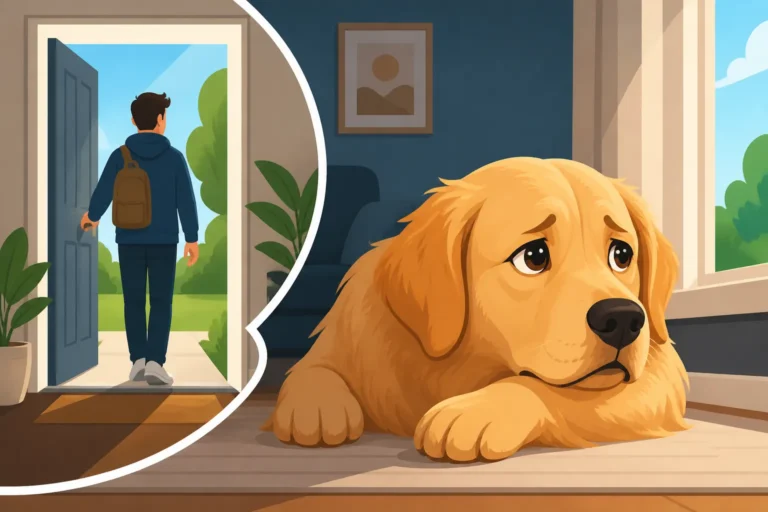
Imagine a new, boisterous roommate suddenly moving into your perfectly organized home, touching all your things, and demanding attention from your significant other. That's a bit how your older dog might feel. They might be confused, annoyed, or even threatened by the new puppy. Your older dog has a history with you, a bond built over years. They may not appreciate the puppy's boundless energy, sharp puppy teeth, or lack of social graces. It’s vital to remember that your older dog's reaction isn't personal; it's often a natural response to a perceived threat to their comfort, resources, and your affection. Patience and empathy for their feelings are paramount.
For some older dogs, especially those who have been the sole canine companion for years, the arrival of a puppy can be particularly jarring. They might exhibit signs of stress like excessive yawning, lip-licking, turning away, or even growling. These aren't signs of a "bad" dog; they're signals that your older dog needs space, reassurance, and help adapting. Never punish your older dog for these reactions; instead, calmly separate them from the puppy and re-evaluate your approach. We want to protect their emotional well-being just as much as we protect the puppy's physical safety. Ignoring these signals can lead to escalation, which is the last thing anyone wants when trying to blend a family.
The Puppy's Initial Impression Matters
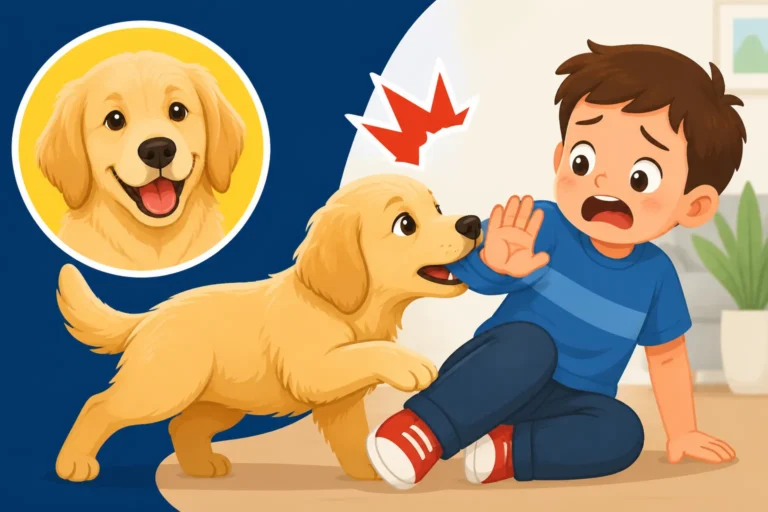
Just as your older dog's feelings are important, so is your Golden Retriever puppy's first impression of their new housemate. A negative first interaction can set a fearful tone for the puppy, potentially leading to anxiety around other dogs later in life. We want the puppy to learn that older dogs are generally safe, predictable, and even fun to be around, but also that they need to respect boundaries. Too much rough handling or a terrifying growl from the older dog could leave a lasting imprint on a young, impressionable pup. This is why controlled, positive interactions are so crucial from the very beginning.
Your Golden Retriever puppy is a sponge, soaking up every experience. If their initial encounters with your older dog are positive and structured, they'll be more likely to develop into a confident, well-adjusted adult dog who understands canine social cues. On the other hand, if they learn that approaching the older dog leads to scary outcomes, they might become withdrawn or, conversely, become overly boisterous and disrespectful in an attempt to manage their fear. This delicate balance is why we emphasize supervision and careful management in the early stages. Remember that Socializing a Golden Retriever Puppy is about creating a broad range of positive experiences, and the older dog is a huge part of that.
Preparing Your Home for a New Puppy and Existing Dog
Before your adorable Golden Retriever puppy even sets a paw inside your home, a little foresight and preparation can make a world of difference for both your existing dog and the newcomer. Think of it like setting up a nursery and ensuring your older child still feels loved and has their own space. This pre-arrival planning helps reduce stress, minimizes potential conflicts, and creates a more positive environment for everyone.
Creating Separate Spaces
One of the most important things you can do is establish clear, separate zones for each dog. This doesn't mean they can never be together, but it ensures that each dog has a safe retreat where they can rest, eat, and feel secure without interference. For your older dog, this might be their favorite bed in a quiet room, a designated corner of the living room, or even their own crate if they are crate-trained. This space should be off-limits to the puppy, at least initially. Use baby gates or exercise pens to physically enforce these boundaries.
For your Golden Retriever puppy, a Crate Training a Golden Retriever Puppy setup is ideal. A crate offers them a secure den, a place for naps, and can be instrumental in successful house training. Place the puppy's crate in an area where they can still feel part of the family but can't constantly pester the older dog. This separation during rest times is crucial for preventing overstimulation for the puppy and annoyance for the older dog. Remember, even good dogs need breaks from each other. Having these "safe zones" prevents resource guarding issues before they even begin and allows both dogs to decompress. If your older dog is a Caring for a Senior Golden Retriever candidate, these quiet zones are even more vital for their comfort.
Essential Supplies for Two Dogs
It might seem obvious, but ensuring you have double of certain key items is often overlooked. This isn't just about convenience; it's about preventing conflict. Each dog should have their own food bowl, water bowl, and a variety of Chew Toys That Survive a Golden Retriever. These should be given in their separate spaces, especially during the initial integration period. Feeding them in separate rooms or behind baby gates can prevent any tension around meal times.
Consider investing in multiple comfortable beds for both dogs. While they might eventually choose to cuddle, having individual sleeping spots reinforces their personal space. You might also find it helpful to have separate sets of grooming tools, leashes, and collars. While not strictly for separation, it ensures you can tend to each dog individually without confusion. For boredom busting, consider puzzle feeders or snuffle mats; Amazon offers a wide selection that can keep a puppy busy and engaged. Make sure each dog also has their own special high-value chew treats that they can enjoy undisturbed in their separate areas. This careful distribution of resources is a proactive step against Golden Retriever Resource Guarding.
The Step-by-Step Introduction Process
This is where the rubber meets the road! A structured, controlled introduction is far more effective than just letting them figure it out. Remember, we’re aiming for positive associations and mutual respect, not instant best friends. Go at the pace of your more cautious dog, usually the older one. Don't rush any steps, and be prepared for the process to take time.
Neutral Territory First Meetings
Your very first face-to-face meeting should always happen on neutral territory, if possible. This means a place neither dog considers "theirs," like a local park, a quiet street, or even a friend's backyard. Both dogs should be on leash with a handler. Keep these first interactions short and positive. The goal isn't intense play; it's calm, supervised sniffing.
Walk them parallel to each other at a distance, allowing them to casually observe one another. Then, slowly reduce the distance. Watch for relaxed body language: loose tails, sniffing the ground, soft eyes. Avoid any direct nose-to-nose greetings initially, as this can be too intense. Instead, let them explore the area, allowing them to catch each other's scent naturally. A short walk together, with plenty of positive reinforcement (treats!) for calm behavior, is a great start. If either dog shows signs of stress (stiff body, tucked tail, growling, excessive barking), calmly increase the distance and try again later. It's about quality over quantity at this stage.
Supervised Home Integration
Once neutral territory meetings go well, it's time to bring them into the home, but still with strict supervision. Keep the puppy on a leash initially, or use baby gates to create controlled exposure. Allow short, supervised interactions where the older dog can approach the puppy on their terms. Reward calm, gentle interactions from both dogs with treats and praise. Keep the puppy from constantly trying to jump on or pester the older dog. This might mean you need to redirect the puppy's attention frequently with toys or puzzle feeders. BAXTER & Bella offers excellent online training resources that can guide you through managing puppy exuberance.
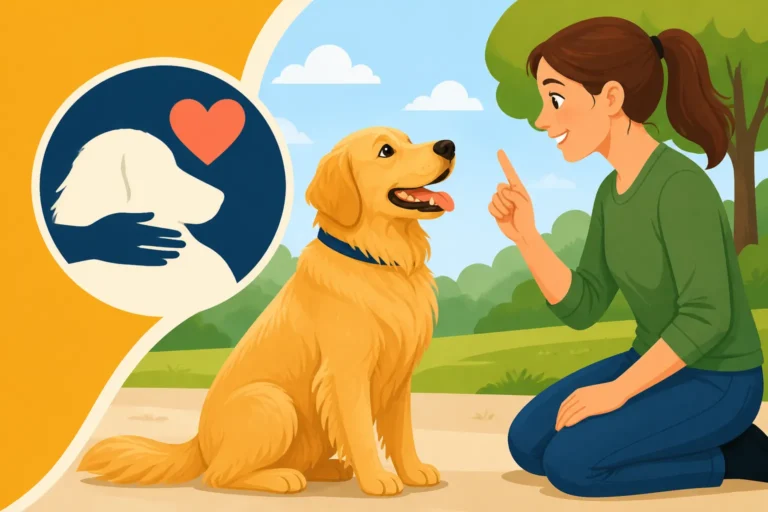
Remember, your older dog still needs one-on-one time. Make sure you're still petting, playing with, and giving attention to your older Golden Retriever without the puppy present. This reassures them they haven't been replaced. As interactions become more relaxed, you can gradually increase unsupervised time, always starting with very short periods and monitoring body language. Never leave them completely unsupervised until you are absolutely certain they are comfortable and safe together. This process can take days, weeks, or even months – every dog pair is different.
Managing Play and Energy Levels
Golden Retriever puppies are notoriously energetic and mouthy, and they love to play! This can be overwhelming for an older dog, who might prefer a calmer pace. It's your job to manage these interactions. Allow supervised play sessions, but step in before the puppy becomes too much for the older dog. Look for signs the older dog is getting fed up: stiff body, lip licks, turning away, or a low growl. Immediately interrupt play and give the older dog a break. Why Golden Retriever Puppies Are So Mouthy describes typical puppy behavior, but it's important to remember this is not always appreciated by an older, wiser dog.
Redirect the puppy's playful biting and exuberant energy towards appropriate toys. A flirt pole can be a fantastic way to tire out a puppy without involving the older dog directly. Offer plenty of chew toys to prevent the puppy from nipping at the older dog. Consider separate exercise times: take your older dog for their usual leisurely walk, and then give your puppy a dedicated play session or training time. This ensures both dogs get their needs met without one constantly overwhelming the other. BAXTER & Bella also provides specific guidance on Mental Enrichment for a Bored Golden Retriever which can help channel a puppy's energy constructively, preserving the older dog's peace.
Common Challenges and How to Overcome Them
Even with the best intentions and careful planning, introducing a new puppy to an older dog can come with a few bumps in the road. It's completely normal for there to be some tension or adjustments, and knowing how to handle these situations can prevent them from escalating into bigger problems. The key is consistent management and a proactive approach, along with an understanding of Golden Retriever Temperament and Personality.
Resource Guarding Between Dogs
Resource guarding is when a dog becomes possessive over items like food, toys, beds, or even a particular person. This can be a significant issue when a new puppy arrives, as the older dog might feel their "stuff" is being invaded. Signs include stiffening, growling, snapping, or trying to block the puppy from approaching an item. If you notice signs of Golden Retriever Resource Guarding, it's crucial to address it immediately and calmly.
The best way to prevent resource guarding is through proactive management. Ensure each dog has their own distinct resources (bowls, toys, beds) and that they are given and used in separate spaces. Feed dogs in different rooms, or separated by baby gates. When giving high-value treats or chews, make sure both dogs are in their individual safe zones, or if they are in the same room, ensure there's ample distance and that they can't easily steal from each other. If guarding does occur, calmly remove the guarded item or separate the dogs. You can then work on "trade up" games where you offer a higher-value item for one they are guarding, but this is best done in a controlled, one-on-one setting before attempting it with both dogs present.
Managing the Older Dog's Grumpiness
It's not uncommon for an older dog to be a bit "grumpy" or less tolerant of a rambunctious puppy. They might growl, snap, or even air-snap at the puppy to tell them to back off. While it can be alarming, these are often appropriate canine communication signals if the older dog isn't actually hurting the puppy. It's their way of teaching the puppy boundaries, which is much better than if they went straight to a bite. Your role is to supervise closely and ensure the older dog isn't being overly aggressive and the puppy isn't being relentlessly annoying.
If your older dog gives a warning, let the puppy learn from it, but step in if the interaction seems too intense or if the puppy isn't getting the message. Intervene by calmly separating the puppy from the older dog, perhaps by redirecting the puppy to a toy or their crate for a "time out." Never scold the older dog for growling, as this can teach them to suppress their warnings, leading to a sudden bite without warning in the future. Instead, respect their signals and give them space. Ensure your older dog continues to receive plenty of individual attention, walks, and quiet time away from the puppy to recharge their patience battery. This dedicated one-on-one time reinforces their position in the family and helps them feel secure despite the new addition. This is particularly important during the phase where you're also dealing with Golden Retriever Puppy Biting Hands.
When to Seek Professional Help
Sometimes, despite your best efforts, the introduction process isn't going as smoothly as you hoped. You might observe persistent tension, escalating aggression, severe resource guarding, or a puppy that remains overly fearful or boisterous around the older dog. These are all signs that it's time to call in a professional. A certified professional dog trainer or a veterinary behaviorist can observe your dogs' interactions, identify the root cause of the issues, and provide tailored strategies and interventions.
Don't hesitate to seek help if you're feeling overwhelmed or if you're concerned for the safety or well-being of either dog. Early intervention can prevent minor issues from becoming entrenched problems. A professional can help you refine your management techniques, teach you how to interpret canine body language more accurately, and even suggest specific training exercises to build positive associations between your dogs. They can also advise on things like Golden Retriever Training Class Costs or help you navigate Golden Retriever Emergency Vet Bills if an unfortunate incident were to occur. Investing in professional guidance is an investment in a peaceful and happy multi-dog household.
| Aspect | Older Dog's Perspective | Golden Retriever Puppy's Perspective | Management Strategy |
|---|---|---|---|
| Newcomer's Impact | Intrusion, threat to routine/resources/attention | Exciting new world, playful energy, learning boundaries | Gradual introduction, separate spaces, equal attention |
| Energy Levels | Often lower, prefers calm, easily annoyed by puppy antics | Very high, boundless, constant desire to play | Separate exercise, supervised play, frequent puppy redirection |
| Boundaries & Communication | Clear growls/snaps to teach puppy limits; needs respect | Learning social cues; might ignore warnings initially | Monitor closely, intervene if too intense, allow mild warnings |
| Resources | Sense of ownership over food, toys, people, space | Curious, might try to steal, doesn't understand "mine" | Separate feeding, individual toys, designated safe zones |
| Sleep/Rest | Needs undisturbed rest; can get stressed by constant pestering | Needs lots of naps, easily overstimulated by older dog | Crate training for puppy, baby gates for older dog's retreat |
| Your Role | Reassurance, protecting their space and routine | Guiding behavior, teaching boundaries, positive experiences | Consistent supervision, positive reinforcement, fair treatment |
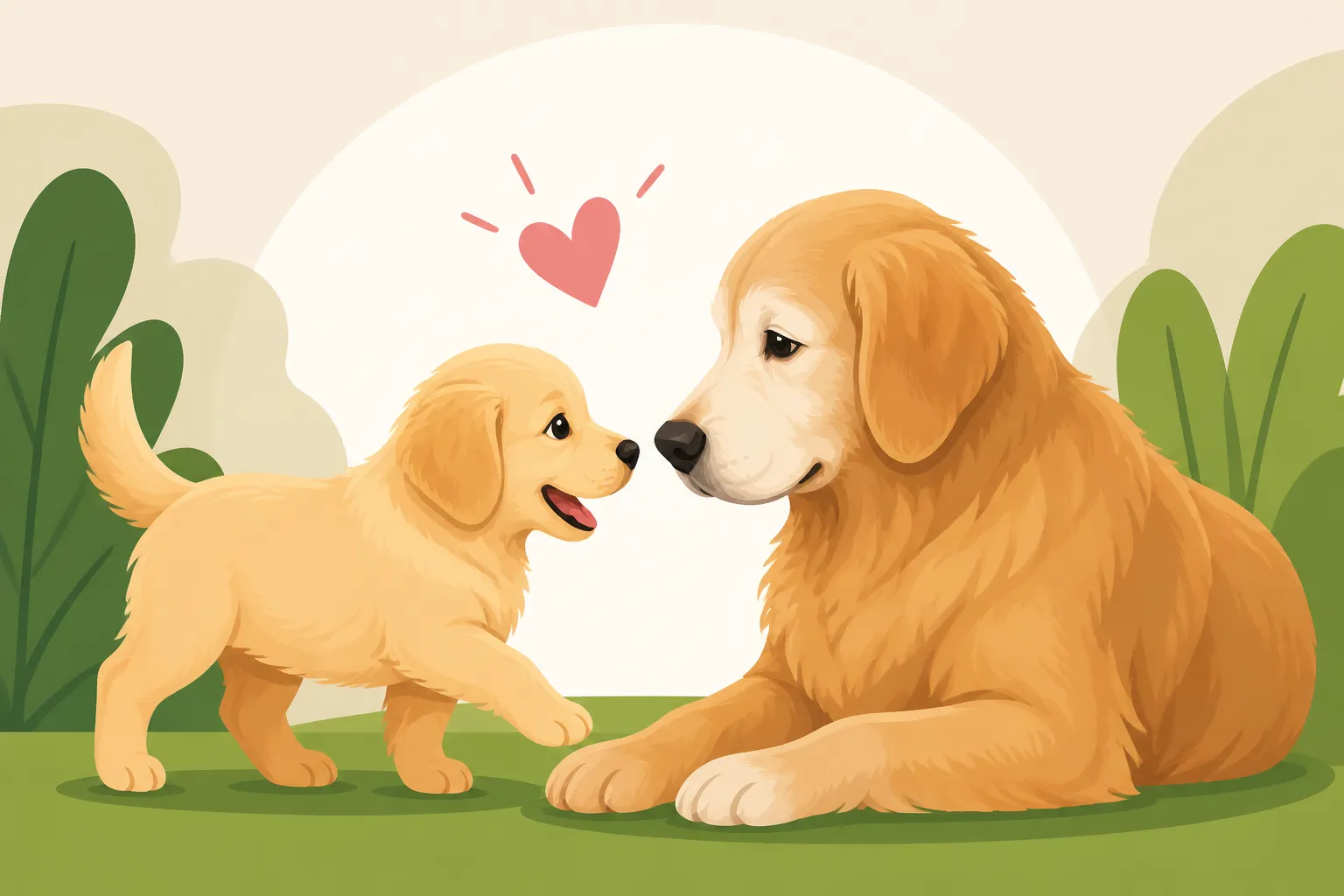
Introducing a new Golden Retriever puppy to an older dog requires patience, consistency, and a deep understanding of canine behavior. It’s a process, not an event, and there will be good days and challenging ones. But with a thoughtful approach, you can foster a loving relationship between your canine companions, turning your house into a happy home for two (or more!) wonderful Goldens. Remember to celebrate small victories, stay consistent with your rules, and always prioritize the safety and comfort of both your new Golden Retriever puppy and your treasured older dog. This journey is incredibly rewarding, and watching them eventually curl up together will make all your efforts worthwhile. Understanding Why Golden Retrievers Learn Faster Than Most Breeds can make your training efforts more efficient, benefiting both your new puppy and your older dog as you navigate this transition.
Disclaimer
This article is for general informational purposes only and does not constitute professional advice. Laws, prices and regulations vary by location and change over time. Consult a qualified professional for guidance on your specific situation.