Golden Retriever Prey Drive Toward Small Pets
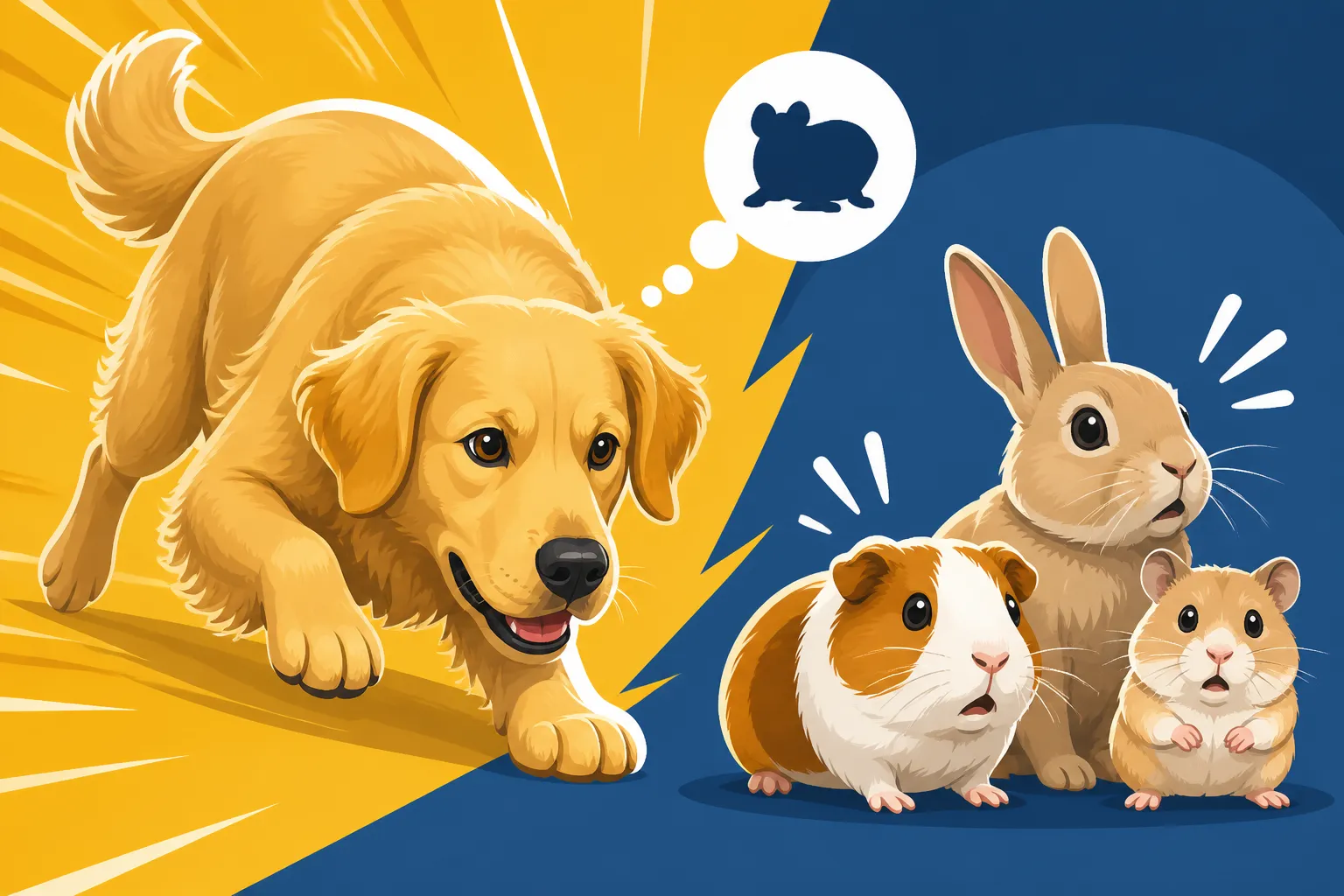
It's a common dilemma that many Golden Retriever owners face: you've brought home one of the most famously gentle, family-friendly dogs, perhaps even one that's amazing with children and other large dogs. But then, you introduce a new, tiny creature into the household – a hamster, a rabbit, a guinea pig, or even a cat – and suddenly, a completely different side of your beloved Golden emerges. That focused stare, the low crouch, the sudden lunge; it can be incredibly startling and leave you wondering if your sweet dog has a hidden wild streak. This guide is here to help you understand the natural prey drive in Golden Retrievers and provide actionable strategies to manage it safely when you have smaller pets in your home.
Understanding the Golden Retriever's Natural Instincts
Golden Retrievers are renowned for their friendly disposition and their "soft mouth" — an incredible ability to carry game birds gently without damaging them. This trait is often misinterpreted by owners to mean that Goldens have no prey drive at all, or that they won't chase or interact with smaller animals in a way that could be harmful. However, it's vital to remember their origins: Goldens were bred as hunting dogs, specifically to retrieve shot game. While they weren't typically bred to kill prey, the instinct to spot, stalk, chase, and retrieve is deeply ingrained.
The Hunter's Gaze and the Retrieving Drive
Imagine a Golden Retriever in a field, perfectly still, eyes locked on a pheasant. That intense focus, that sudden burst of speed, is pure prey drive. It's an instinctive sequence of behaviors: searching, stalking, chasing, grabbing, and carrying. For many Goldens, especially those from working or field lines, this drive can be quite strong. It's not about malice or aggression; it's simply a genetic blueprint for how they interact with their environment, particularly moving objects that resemble small animals. When your Golden sees a hamster scurrying across the floor or a cat bolting through the yard, their brain might simply register "prey," activating that ancient sequence. This can be confusing for owners because their Golden might be amazing with the family's large poodle, but completely different with a smaller, quicker animal.
Individual Variation and Early Experiences
Just like people, not all Golden Retrievers are exactly alike. Some Goldens will have a very low prey drive, easily ignoring the neighborhood squirrels, while others are intensely focused on anything that moves quickly. This variation can be influenced by their specific lineage (field lines often have a higher drive), their early socialization, and their individual personality. A Golden Retriever puppy exposed positively and safely to various small animals during their critical Golden Retriever Puppy Socialization Windows might learn to view them as part of the family, not as prey. Conversely, a Golden who spent their early months chasing small creatures unchecked might develop a stronger habit of doing so. It's not a switch you can always turn off, but rather a powerful instinct that needs to be understood and managed.
Recognizing the Signs of Active Prey Drive
Before you can effectively manage your Golden Retriever's interactions with small pets, you need to be able to recognize the subtle and not-so-subtle signs that their prey drive is being activated. Missing these cues can lead to dangerous situations, as a Golden can go from calm observation to full-on chase in a split second.
Body Language Clues
When a Golden Retriever's prey drive is kicking in, their body language will often shift dramatically. Look for these key indicators:
- Intense Stare: Their eyes will lock onto the small animal, unblinking, with pupils often dilated. The rest of their world seems to disappear.
- Stiffening or Freezing: Their body might become rigid, sometimes with a slight forward lean. They might crouch low, almost like a pointer, preparing to spring.
- Low, Focused Tail Wag: This isn't the happy, full-body wag you see when they greet you. It's often a stiff, low-set tail, wagging rapidly in short arcs, indicating extreme focus and arousal.
- Creeping or Stalking: They might move very slowly and deliberately, belly low to the ground, trying to get closer to the small animal without being noticed.
- Nose and Ears Alert: Their ears will be swiveled forward, straining to catch every sound, and their nose might twitch, processing scents.
These are all natural behaviors stemming from their hunting heritage. They're not doing it to be "bad" or disobedient; they're simply acting on a deeply ingrained instinct.
Behavioral Manifestations
Beyond body language, you'll see specific behaviors that confirm prey drive is active:
- Chasing: This is the most obvious sign. Any quick movement from a small pet can trigger a chase response. Whether it's a cat darting across the room or a guinea pig squeaking and running in its cage, the Golden's instinct is to pursue.
- Pouncing or "Mouthing": If they catch the small animal, they might pounce on it, or try to "mouth" it. While a Golden's soft mouth is famous, even a gentle bite from a powerful dog can be fatal to a small, fragile creature.
- Vocalizations: This can range from a low whine of intense desire, a focused bark (different from a playful bark), or even a growl if the small animal tries to escape or defend itself.
- Ignoring Commands: When fully locked into prey drive, your Golden might seem deaf to your calls or commands. Their focus is singular, making it incredibly difficult to interrupt their behavior. This highlights why a strong Building Reliable Recall in a Golden Retriever and a solid "leave it" command are absolutely crucial for safety.
It's important to understand that even seemingly "playful" chasing can quickly escalate or lead to an accidental injury due to the size and strength difference. Never assume your Golden is "just playing" with a much smaller pet.
Managing Prey Drive Around Small Pets
Managing a Golden Retriever's prey drive when small pets are involved is primarily about prevention, clear boundaries, and consistent training. It's often more about managing the environment and your dog's impulses than trying to eliminate an innate drive entirely.
Prioritizing Safety Through Prevention
The absolute cornerstone of managing prey drive is prevention. This means creating a household where your small pets are always safe and your Golden is never put in a position where their instincts could lead to harm.
- Secure Enclosures for Small Pets: This is non-negotiable. Hamsters, guinea pigs, rabbits, and birds need sturdy, Golden-proof enclosures. This means cages with strong latches, heavy wire that can't be chewed through, and often, placing cages on high, stable surfaces that your Golden cannot reach or knock over. Think about what your Golden might do if left unsupervised—can they open the cage? Can they nudge it off the table? Many owners find secure, multi-level habitats that can be purchased from retailers like Amazon to be excellent.
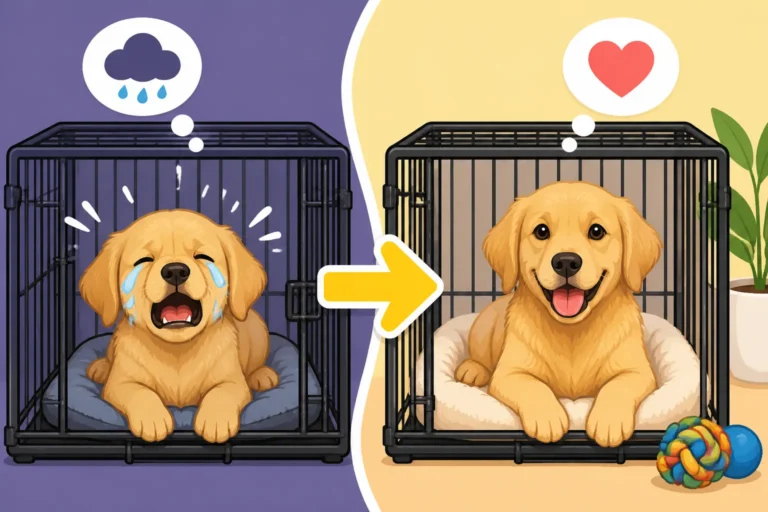
- Physical Barriers and Separation: For cats, or during initial introductions, baby gates, closed doors, and crates are your best friends. Implement a "crate and rotate" system if necessary, where one pet is securely confined while the other has freedom. This ensures no unsupervised interactions. Crate Training a Golden Retriever Puppy can be invaluable here, giving your Golden a safe, comfortable space when they need to be separated.
- Leash Management: When your Golden is around small pets, especially in the early stages, they should always be on a leash. This gives you immediate physical control to prevent chasing or pouncing. A standard leash and collar or a front-clip harness can provide that crucial moment of intervention.
Training and Redirection Strategies
While prevention is primary, training is essential for teaching your Golden appropriate behavior and redirecting their natural instincts.
- Strong "Leave It" and "Drop It" Commands: These are lifesavers. A rock-solid "leave it" means your Golden will ignore the small pet on command, even if their instincts are screaming otherwise. "Drop it" is for when they might pick something up, whether it's an inappropriate toy or, heaven forbid, a small animal. Practice these commands relentlessly with high-value treats in varying environments, working up to distractions resembling small pets. Many online training platforms, such as BAXTER & Bella, offer comprehensive courses on impulse control that are incredibly helpful for these situations.
- Impulse Control Games: Games that require your Golden to wait for a release cue before getting a reward (e.g., waiting for food, waiting to go out the door, waiting to retrieve a toy) build vital impulse control. This translates directly to their ability to resist chasing a small pet.
- Redirecting Prey Drive into Appropriate Outlets: Your Golden has an innate drive to chase and retrieve. Don't fight it; redirect it! Engaging in structured fetch sessions, using flirt poles (safely, as a mental and physical outlet), or even scent work and Puzzle Feeders That Occupy a Golden Retriever can provide acceptable ways for them to express these natural behaviors without endangering smaller household members. How Much Fetch a Golden Retriever Needs is a great resource for understanding appropriate exercise.
- Consistent Supervision: Never, ever leave your Golden Retriever unsupervised with a small pet, even if they've coexisted peacefully for years. Accidents can happen in an instant, and it's simply not worth the risk.
Introducing a Golden Retriever to Small Pets Safely
The process of introducing a Golden Retriever to a new, smaller pet (or vice versa) requires immense patience, careful management, and a deep understanding of both animals' body language. The goal is coexistence, not necessarily friendship.
The Power of Scent and Controlled Exposure
When bringing a new small pet home, the first introduction should always be through scent.
- Scent Swapping: Before they even see each other, swap bedding or toys between your Golden and the new small pet. Let your Golden sniff the small pet's scent from a distance and reward calm, curious investigation. Do the same for the small pet with your Golden's scent. This familiarizes them with each other's presence without the visual stimulus that can trigger prey drive.
- Visual, Barrier-Controlled Introduction: Once scent swapping has gone well, allow them to see each other through a secure barrier. This could be the small pet's sturdy cage, or your Golden on a leash and behind a baby gate. Keep these sessions short and positive. Reward your Golden for calm behavior, looking at the small pet without intense staring or lunging. Use high-value treats.
- Gradual Increase in Proximity: Over days or weeks, slowly decrease the distance, always maintaining a barrier. Your Golden should still be leashed for added control, even with a gate between them. Watch for any signs of stress or fear in either animal. If either seems uncomfortable, increase the distance or shorten the session.
Positive Reinforcement and Reading Body Language
Throughout the introduction process, positive reinforcement is key. You want both animals to associate the other's presence with good things.
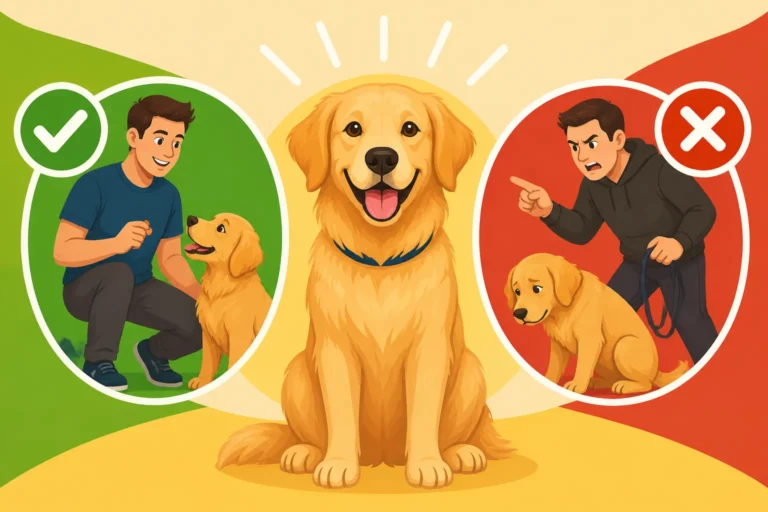
- Reward Calmness: Every time your Golden looks at the small pet calmly, even for a second, mark that behavior with a "yes!" or a click, and give a high-value treat. You're teaching them that being calm around the small pet leads to rewards. Conversely, if your Golden exhibits signs of heightened prey drive, redirect their attention with a "leave it" command and remove them from the situation if they can't calm down.
- Watch for Stress Signals: Pay close attention to the small pet. Are they freezing, hiding, panting, or showing signs of fear? If so, the introduction is moving too fast. Similarly, watch your Golden for the prey drive signs discussed earlier. A relaxed posture, soft gaze, and a loose body are good indicators. Stiff body language, dilated pupils, and intense focus are red flags.
- Never Force Interaction: Forcing nose-to-nose contact or allowing unsupervised interactions is incredibly risky. The goal is safe coexistence. It's perfectly fine if your Golden and the small pet never become best friends. Their safety is paramount.
It's important to be realistic. While many Golden Retrievers can learn to coexist peacefully with smaller pets, some simply cannot overcome their strong prey drive, especially with very small, scurrying creatures like hamsters or gerbils. In such cases, permanent, strict separation through secure enclosures and room division might be the only safe solution. Don't feel guilty if this is your reality; you are prioritizing the safety and well-being of all your beloved pets.
Comparative Look at Introduction Strategies
Here's a quick comparison of effective, safe introduction strategies versus risky practices that should always be avoided:
| Safe Introduction Strategy | Risky (Avoid At All Costs) |
|---|---|
| Scent Swapping before visual contact | Throwing them together and hoping for the best |
| Secure Barrier (crate, baby gate) for initial visual contact | Letting them roam free together from the start |
| Golden always on leash during early visual introductions | Relying solely on voice commands without physical control |
| Short, positive sessions with high-value rewards | Long, uncontrolled sessions, forcing interaction |
| Rewarding calm behavior from the Golden | Punishing the Golden for showing prey drive |
| Constant supervision when in proximity | Leaving them unsupervised, "just for a minute" |
| Separate living spaces if needed for permanent safety | Assuming they will eventually become friends without boundaries |
| Consulting a professional trainer if struggling | Ignoring escalating tension or risky behaviors |
Long-Term Harmony and Continued Management
Achieving harmony between your Golden Retriever and smaller pets is an ongoing process. It’s not a one-time fix, but rather a commitment to consistent management and training throughout their lives. Even if your Golden seems completely desensitized, vigilance is always necessary.
Reinforcing Good Habits and Enrichment
Keep up with the training, especially those crucial "leave it" and recall commands. Regularly practice impulse control games and continue to provide plenty of physical exercise and mental enrichment for your Golden. A bored Golden is often a Golden looking for "something to do," and a small, scurrying pet can easily become that "something." Engaging their minds with Scent Games for a Golden Retriever Indoors or providing Tiring a Golden Retriever on a Rainy Day can help satisfy their innate drives in constructive ways.
Always maintain the secure enclosures and physical barriers you’ve established. A moment of complacency can lead to tragedy. This means ensuring cage latches are always secured, doors are closed, and designated pet-free zones for your small animals are respected by everyone in the household.
When to Seek Professional Help
If you're struggling to manage your Golden Retriever's prey drive, or if you're seeing concerning behaviors that escalate despite your best efforts, don't hesitate to seek professional help. A certified professional dog trainer or a veterinary behaviorist can provide tailored strategies, assess your specific situation, and offer hands-on guidance. They can help you understand subtle body language cues you might be missing and implement a training plan that's both safe and effective for all your pets. Remember, your Golden Retriever wants to please you, and with the right guidance and management, you can help them navigate their natural instincts safely within a multi-pet household. It’s all about creating a secure and respectful environment where every member of your family, large and small, can thrive.
Disclaimer
This article is for general informational purposes only and does not constitute professional advice. Laws, prices and regulations vary by location and change over time. Consult a qualified professional for guidance on your specific situation.