When to Spay a Female Golden Retriever
One of the most significant decisions a Golden Retriever owner faces, beyond choosing the perfect name and the right kibble, is when to spay their beloved female companion. It’s not just a simple surgical procedure; the timing can have profound and lasting impacts on her health, behavior, and overall lifespan, leaving many of us feeling overwhelmed by conflicting advice and a genuine desire to do what’s best for our furry family members. This guide aims to cut through the noise, offering a comprehensive look at the factors influencing the ideal spaying age for your female Golden Retriever.
Understanding the Female Golden Retriever's Reproductive Cycle
Before we dive into the "when," it's crucial to understand the "what." A female Golden Retriever's reproductive cycle, or estrous cycle, is a complex process governed by hormones that prepare her body for breeding. Knowing what to expect can help you make informed decisions about spaying.
The First Heat Cycle: What to Expect
Most female Golden Retrievers will experience their first heat cycle, also known as estrus, between 6 and 18 months of age, though it can sometimes happen earlier or later. This isn't a hard and fast rule; genetics, nutrition, and even individual development play a role. When your Golden enters her first heat, you'll notice a distinct shift. She might become more vocal, perhaps a little restless, and her appetite could fluctuate. This initial cycle is often less intense than subsequent ones, sometimes referred to as a "silent heat," where the physical signs are subtle, making it easy to miss if you're not paying close attention. It's important to remember that even if it's a silent heat, she is still fertile and capable of becoming pregnant.
For many first-time Golden owners, witnessing that first heat can be a bit alarming, especially with the discharge and behavioral changes. It's a natural biological process, but it does come with responsibilities like preventing accidental pregnancies, which can be challenging if you live in a multi-dog household or frequent dog parks. Managing a dog in heat means vigilance: no unsupervised outdoor time, even in a fenced yard, and keeping her away from intact male dogs who can smell her from surprisingly far distances.
Signs of Estrus in Golden Retrievers
Identifying when your Golden Retriever is in heat is essential, whether you plan to spay before or after this milestone. The cycle typically lasts around two to three weeks, though individual variations are common. The most obvious sign is a swollen vulva and a bloody discharge, which can range from light pink to dark red. Don't be surprised if she meticulously cleans herself, which might make the discharge less apparent. She’ll also start attracting male dogs like crazy, who seem to appear out of nowhere, drawn by her scent.
Beyond the physical, behavioral changes are significant. Your previously well-behaved Golden might become more easily distracted, more prone to roaming, and may even engage in "flagging" – holding her tail to one side to expose her vulva – when approached by a male dog or if you gently scratch her lower back. She might become more affectionate or, conversely, a bit more withdrawn. Some Goldens will mark more frequently, both indoors and outdoors. Understanding these signs is key to managing her during this time and knowing precisely where she is in her reproductive journey.
Risks of Unspayed Female Goldens
While allowing a female Golden Retriever to remain intact until after her first heat, or even longer, is a valid choice with potential benefits, it also comes with a unique set of risks. The most talked-about are mammary cancer and pyometra. Mammary cancer, similar to breast cancer in humans, is significantly more common in unspayed females, and the risk increases with each heat cycle she experiences. Studies show that spaying before the first heat dramatically reduces this risk.
Pyometra, on the other hand, is a severe and life-threatening uterine infection. It typically occurs a few weeks to a few months after a heat cycle when hormonal changes create a perfect environment for bacteria to flourish in the uterus. Symptoms can include lethargy, loss of appetite, increased thirst, vomiting, and a foul-smelling discharge if the cervix is open. Pyometra requires emergency veterinary intervention, often involving immediate surgery to remove the infected uterus, which is far more complicated and risky than a routine spay. Other risks include unwanted pregnancies, which can be a significant financial and time commitment, as well as the potential for uterine or ovarian cysts and tumors. The financial burden of treating these conditions can be substantial, making pet insurance, like a policy from Healthy Paws, a wise consideration for any Golden owner.
The Traditional Advice on Spaying: Early vs. Later
For years, the standard advice was to spay female dogs young, often before their first heat. However, recent research, especially concerning large breeds like Golden Retrievers, has led to a re-evaluation of this timing.
The Benefits of Spaying Before First Heat
Traditionally, many veterinarians recommended spaying female dogs before their first heat cycle, often between 6 and 9 months of age. The primary driver for this recommendation was the significant reduction in the risk of mammary tumors and pyometra, two very serious and potentially fatal conditions. As mentioned, spaying before the first heat provides the highest protection against mammary cancer. Each subsequent heat cycle exposes the mammary tissue to hormones that can promote tumor growth. Preventing pyometra altogether is another huge benefit; a spayed dog simply doesn't have a uterus to become infected.
Beyond the health benefits, early spaying also prevents accidental pregnancies, eliminating the challenges and responsibilities of raising a litter of puppies or dealing with an unwanted pregnancy. It also avoids the mess and behavioral changes associated with a dog in heat, making life simpler for many owners. Socialization can be easier too, as you don't have to worry about managing an intact female in public spaces where intact males might be present. However, while these benefits are clear and important, the discussion has evolved to consider other long-term health implications, particularly for a breed like the Golden Retriever.
The Shift Towards Later Spaying for Large Breeds
In recent years, a growing body of research has challenged the long-held tradition of early spaying, particularly for large and giant breeds like Golden Retrievers. These studies suggest that hormones produced by the ovaries play a crucial role in the development of bones, joints, and even some immune system functions. Removing these hormones too early, before the growth plates have fully closed and the dog has matured, might increase the risk of certain orthopedic conditions and even some cancers.
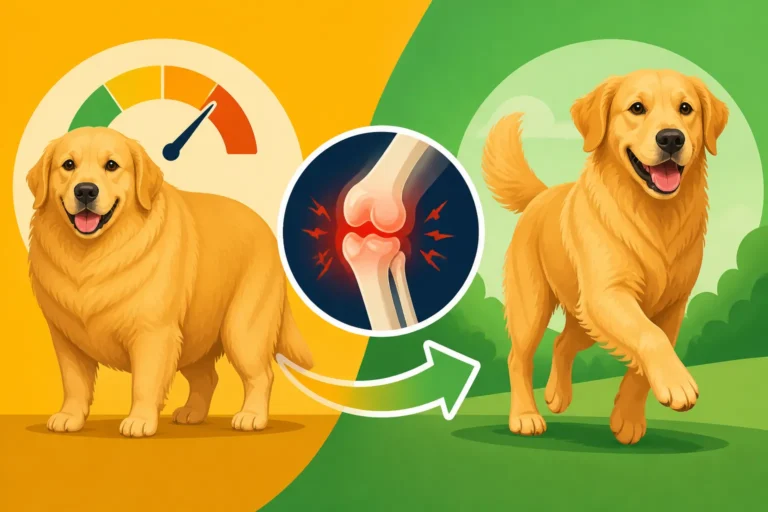
Specifically, for Golden Retrievers, there's been increasing concern about the link between early spaying and an increased incidence of orthopedic issues such as Golden Retriever Hip and Elbow Dysplasia Explained and cranial cruciate ligament (CCL) tears. The theory is that sex hormones contribute to the proper closure of growth plates in bones. When these hormones are removed prematurely, growth plates may close later, leading to longer, less dense bones that are more susceptible to injury. This shift in thinking has led many veterinarians and breed experts to recommend waiting until a Golden Retriever is more physically mature, often after her first heat cycle or even closer to 18-24 months of age, before spaying. This approach aims to allow the dog's skeletal system to develop fully, potentially mitigating some of these orthopedic risks.
Balancing Cancer Risk and Orthopedic Health
This is where the decision becomes truly complex and where you, as a Golden Retriever owner, might feel caught between a rock and a hard place. On one hand, spaying before the first heat significantly reduces the risk of mammary cancer, which is a very real concern for the breed, given that What Share of Goldens Die of Cancer is disproportionately high. On the other hand, waiting to spay might increase the risk of mammary tumors, but potentially reduce the risk of debilitating orthopedic conditions.
It’s a balancing act. For instance, a study published in the journal PLOS One in 2013 specifically looked at Golden Retrievers and found that early spaying (before 12 months) was associated with an increased incidence of hip dysplasia, CCL tears, and certain cancers like lymphosarcoma. However, the study also acknowledged the higher rates of mammary cancer in intact females. The key is to weigh these risks in the context of your individual dog's health, genetic predisposition (knowing her parents' health clearances, for example, is vital), and lifestyle. There is no single "right" answer that applies to every Golden Retriever, which is why a detailed conversation with your vet is paramount.
Weighing the Health Pros and Cons of Spaying Age
Let's break down the specific health implications of spaying timing, moving beyond general advice to focus on conditions commonly seen in Golden Retrievers.
Mammary Cancer and Pyometra Protection
As discussed, spaying significantly reduces or eliminates the risk of several reproductive health issues. The protection against mammary cancer is perhaps the most compelling argument for early spaying. Research consistently shows that female dogs spayed before their first heat cycle have a nearly negligible risk of developing mammary tumors. This risk gradually increases with each subsequent heat cycle. If your Golden Retriever has a genetic predisposition to cancer, or if you simply want to minimize this specific risk, early spaying might be a strong consideration. Cancer in Golden Retrievers and Why the Breed Is Hit Hardest is a significant concern, so minimizing any known risk factors is often appealing to owners.
Similarly, pyometra, a life-threatening uterine infection, is entirely prevented by spaying. An intact uterus, repeatedly exposed to hormonal fluctuations, is susceptible to this severe bacterial infection, which often requires emergency surgery. The surgery for pyometra is much more invasive and carries higher risks than a routine spay, not to mention significantly higher costs. Knowing that you can prevent such a critical and dangerous condition is a major factor for many owners when deciding on spaying timing.
Orthopedic Concerns: Hip Dysplasia and ACL Tears
This is where the conversation gets a bit more nuanced for a breed like the Golden Retriever. Goldens are notoriously prone to orthopedic issues, including Golden Retriever Hip Dysplasia Symptoms by Age and elbow dysplasia. Emerging research suggests that the sex hormones present in intact dogs play a role in the proper development and closure of growth plates in their bones. When these hormones are removed too early through spaying, it can potentially alter bone development, leading to conditions like hip dysplasia, elbow dysplasia, and an increased risk of cranial cruciate ligament (CCL) tears later in life.
A major study out of UC Davis, looking at various breeds, including Golden Retrievers, found that spaying female Goldens before 12 months of age was associated with a higher incidence of CCL tears and hip dysplasia compared to intact females or those spayed later. The theory is that the absence of ovarian hormones may lead to longer limbs and altered joint conformation, making them more vulnerable to injury. For a large, active breed that loves to run and jump, preventing orthopedic issues is a huge consideration, as these conditions can lead to chronic pain, mobility problems, and expensive surgeries like a Golden Retriever Hip Surgery Costs and Options. This is one of the primary reasons why many experts now advocate for waiting until Goldens are at least 12-18 months old, or even older, to spay.
Other Potential Health Impacts
Beyond cancer and orthopedic health, spaying can have other subtle impacts on your Golden Retriever's well-being. Some studies suggest a potential link between early spaying and an increased risk of certain other cancers, like hemangiosarcoma or lymphoma, though the evidence is not as strong or consistent across all research as with mammary cancer. On the flip side, ovarian cancer and uterine cancer are virtually eliminated.
Spaying can also influence metabolism, making some dogs more prone to weight gain. This isn't an inevitability, but it means owners need to be more diligent about diet and exercise post-spay to prevent How Extra Weight Shortens a Golden Retriever's Life and further joint strain. Additionally, some Goldens may experience changes in coat texture, sometimes becoming softer or more prone to matting, though this is largely cosmetic. Urinary incontinence is another reported, albeit less common, side effect of spaying, particularly in larger breeds, though it can often be managed with medication. These are all factors to discuss with your vet, especially if your Golden has any pre-existing conditions or family history that might make her more susceptible.
Making the Best Decision for Your Golden Retriever
Given the complexities, how do you make the best decision for your unique Golden Retriever? It truly comes down to individualized assessment and open communication with your veterinary team.
Consulting Your Veterinarian
This cannot be stressed enough: your veterinarian is your most valuable resource in making this decision. They know your Golden Retriever's medical history, genetic background (if you've shared breeder information), and can assess her current health status. They can discuss the latest research, considering factors specific to the Golden Retriever breed and tailoring advice to your dog. Don't be afraid to ask tough questions and express your concerns. A good vet will take the time to explain the pros and cons of different spaying timings for your specific dog.
Consider scheduling an extended consultation, perhaps around the time your Golden is 6-8 months old, to specifically discuss spaying timing. Talk about your dog's activity level, her family history regarding cancer and joint issues, and your comfort level with managing an intact dog. Your vet can help you understand your individual Golden's risk profile for mammary cancer versus orthopedic issues, providing a personalized recommendation that balances these factors. They can also advise on Golden Retriever Genetic Tests Worth Running if you haven't already had them done.
Considering Lifestyle and Environment
Your Golden Retriever's lifestyle and living environment play a significant role in the spaying decision. If you live in a rural area with many intact male dogs roaming freely, or if you frequent dog parks where management of intact dogs can be challenging, managing an unspayed female in heat can be a constant source of stress and worry about accidental pregnancies. In such scenarios, the practical benefits of spaying before a first heat might outweigh some of the potential orthopedic risks for you.
Conversely, if your Golden lives in a well-controlled environment, with no access to intact males and you're comfortable managing her through heat cycles (which includes potential messes and behavioral changes), waiting until she's more mature might be a viable and beneficial option for her long-term joint health. Her activity level also matters: a highly active Golden participating in dog sports might benefit more from allowing full joint development, while a more sedate companion dog might have different needs. Be honest with yourself and your vet about what you can realistically manage.
The Spaying Procedure and Recovery
Once you've made the decision on when to spay, it's helpful to understand the procedure itself and what recovery entails. Spaying, or ovariohysterectomy, is a routine surgical procedure where the veterinarian removes the ovaries and uterus. It's performed under general anesthesia, and most dogs go home the same day. Your vet will provide detailed post-operative care instructions, which typically include restricting activity, keeping the incision site clean and dry, and administering pain medication.
During recovery, it's crucial to prevent your Golden from licking or chewing at her incision site, as this can lead to infection or reopening the wound. An E-collar (cone of shame) is usually necessary for about 10-14 days. This period also involves strict rest, meaning no running, jumping, or strenuous play. Leash walks for potty breaks are usually fine, but keep them short and controlled. Most Golden Retrievers recover well within two weeks, returning to their normal selves. Choosing a reputable veterinary clinic and following their post-operative instructions carefully will ensure the smoothest recovery for your beloved companion. Remember, unexpected complications can arise with any surgery, and having a good pet insurance plan, like those offered by Healthy Paws, can provide peace of mind for such unforeseen circumstances.
Disclaimer
The information provided in this guide is for general informational purposes only and does not constitute veterinary advice. Always consult with a qualified veterinarian for any health concerns or before making any decisions about your Golden Retriever's medical care, including spaying. Individual needs and circumstances may vary.