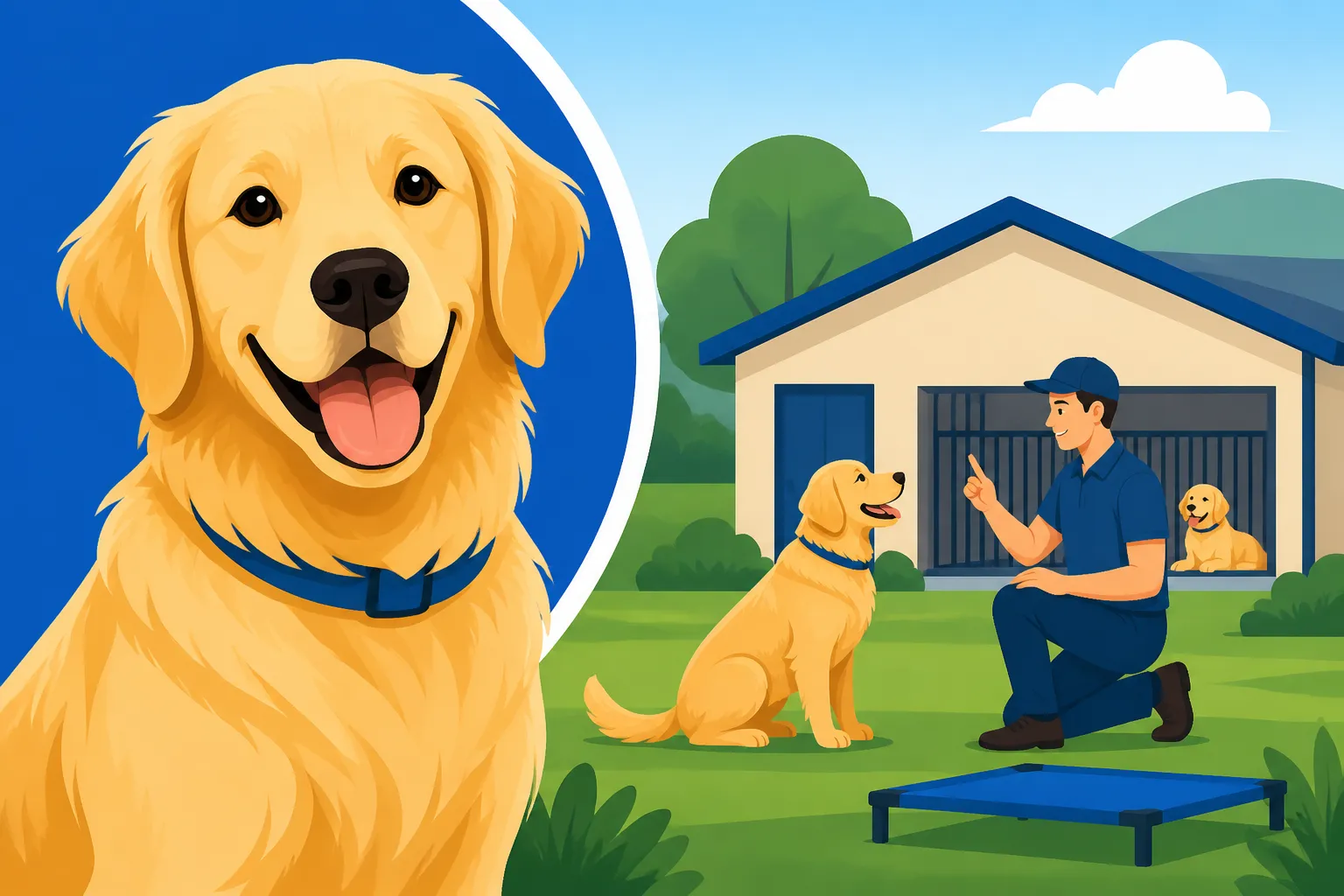
Board and Train Programs for Golden Retrievers
It’s a struggle many Golden Retriever owners know all too well: you adore your energetic, lovable companion, but their boundless enthusiasm sometimes translates into a whirlwind of pulling on the leash, jumping on guests, or simply not listening when it counts. You dream of a well-behaved dog, but your busy schedule leaves little time for consistent training. This guide dives deep into board and train programs for Golden Retrievers, helping you understand if this intensive option is the right path for your family and your furry friend.
What Exactly Is a Board and Train Program?
A board and train program, often colloquially called "boot camp for dogs," is exactly what it sounds like: your Golden Retriever goes to live with a professional dog trainer, either at their home or a dedicated facility, for a set period. During this time, the dog receives intensive, consistent training away from the familiar distractions of home. The idea is that with round-the-clock immersion and expert guidance, your Golden can make significant progress on obedience and behavioral issues much faster than through weekly classes alone.
How Board and Train Works for Goldens
When you enroll your Golden in a board and train program, they’ll typically have a structured daily routine. This usually involves multiple training sessions throughout the day, often broken into short, focused bursts to match a Golden's attention span and keep things fun. These sessions will cover everything from basic manners like sit, stay, and down, to more complex behaviors like reliable recall or walking politely on a leash. Beyond formal training, a good program will also integrate supervised play, socialization with other dogs (if appropriate for your Golden), potty breaks, and plenty of rest. The environment is designed to be highly controlled, allowing trainers to minimize distractions and build a strong foundation of desired behaviors. Your Golden's intelligence and eagerness to please, which is so characteristic of the breed, often means they thrive in these structured, consistent learning environments, often picking up new concepts remarkably quickly.
Common Training Goals in Board and Train Programs
Golden Retrievers are often enrolled in board and train programs for a variety of reasons, ranging from basic obedience refreshers to tackling more persistent behavioral challenges. Many owners seek help with foundational skills, wanting a dog that reliably comes when called, doesn't jump on visitors, and walks nicely on a leash without dragging them down the street. For puppies, it might involve kick-starting house training or curbing excessive nipping and puppy biting. For adolescent or adult Goldens, programs can address issues like mild separation anxiety, nuisance barking, or even some forms of resource guarding. Because Golden Retrievers are so eager to please and intelligent, they are excellent candidates for learning complex commands and developing strong impulse control in this type of intensive setting. Trainers can leverage the Golden Retriever's natural retrieving instinct and high food drive to make learning rewarding and engaging, often using high-value treats (perhaps even some palatable options from a brand like Ollie) to motivate them during sessions.
Pros and Cons of Board and Train for Golden Retrievers
Deciding whether a board and train program is the right fit for your Golden Retriever and your family involves weighing the significant benefits against the potential drawbacks. It’s a big decision, both emotionally and financially, so let’s break down what you can expect.
The Upsides of Intensive Training
One of the biggest advantages of a board and train program is the sheer consistency and intensity of the training your Golden will receive. Imagine your dog learning from a professional several times a day, every day, without the typical home distractions that often derail progress. This focused approach can lead to much faster results, especially for behaviors like Building reliable recall in a Golden Retriever or mastering polite leash walking, issues that often take months of dedicated effort at home. The trainer can also introduce your Golden to a variety of controlled environments and new experiences, further proofing their skills. This can be particularly beneficial for Golden Retrievers who might be struggling with a specific, persistent issue like Golden Retriever pulling and front-clip harnesses or even just general over-excitement around new people, where a consistent, firm, and positive approach over an extended period can work wonders. You also get a bit of a "reset" at home, coming back to a dog with a solid foundation, which can be a huge relief if you've been feeling overwhelmed.
The Downsides and What to Consider
However, board and train programs aren't without their considerations. The most obvious is the cost, which can be substantial, often ranging from several thousand dollars for a multi-week program. You're also separated from your beloved Golden for an extended period, which can be tough for both of you. Golden Retrievers are known for their strong bond with their families, and while some adapt well, others might experience stress or even Separation Anxiety in Golden Retrievers. It's crucial that the program you choose prioritizes your dog's emotional well-being and uses humane, positive reinforcement methods.
Another significant drawback is the potential for a disconnect between the training your Golden receives from the professional and the methods you use at home. If the transition isn't handled meticulously, your dog might struggle to generalize their new behaviors to your household environment. You, the owner, aren't directly involved in the day-to-day training process, which means you miss out on learning to communicate effectively with your dog as new behaviors are shaped. While many programs include "transfer sessions" where trainers teach you how to maintain the training, it still requires your diligent follow-through. It’s important to acknowledge that this isn't a "fix-it-all" solution; you will still need to commit to reinforcing the training for the long term.
What to Look for in a Quality Board and Train Program
Choosing a board and train program for your Golden Retriever is a critical decision. You're entrusting someone with your furry family member, and the quality of their care and training will have a lasting impact. Don't rush into it; do your homework!
Trainer Qualifications and Ethical Methods
This is, without a doubt, the most important aspect to investigate. Look for trainers with recognized certifications from reputable organizations, such as the Certification Council for Professional Dog Trainers (CCPDT) or the Karen Pryor Academy (KPA-CTP). These certifications indicate a commitment to ongoing education and ethical, science-based training. Steer clear of any program that relies heavily on aversive tools like shock collars, prong collars used improperly, or harsh corrections. For a Golden Retriever, whose temperament is generally soft and eager to please, positive reinforcement methods are not only more effective but also preserve their joyful spirit and strengthen your bond. Always prioritize a trainer who emphasizes being a Positive reinforcement trainer for a Golden. Ask detailed questions about their philosophy, how they handle mistakes, and what a typical training day looks like. A transparent trainer will welcome these questions and often allow you to visit their facility, see dogs in training, or provide references.
Program Structure, Environment, and Aftercare
A good board and train program will have a clear, well-defined structure tailored to your Golden Retriever's individual needs. This means they should be asking you about your dog's specific challenges, personality, and your goals. What's their living arrangement during their stay? Is it a home environment with a trainer, or a kennel facility? Ensure the environment is clean, safe, and stimulating. For a Golden, a place with secure outdoor access for exercise and potty breaks is ideal. Ask about the ratio of staff to dogs to ensure adequate individual attention.
Crucially, a reputable program understands that the training doesn't end when your dog comes home. There must be a comprehensive "go home" session or multiple transfer lessons where the trainer teaches you how to handle your "new and improved" Golden. They should demonstrate the cues your dog has learned, explain how to maintain the training, and provide written resources or videos. Ongoing support, whether through follow-up calls, additional private sessions, or even access to alumni group classes, is a hallmark of a program truly invested in your long-term success. After all, the goal is for you to be able to confidently apply the skills learned, ensuring your Golden continues to thrive at home. Many comprehensive programs will integrate this transfer process to ensure that the solid foundation built during the program supports your Golden's lifelong learning and behavior as part of Training a Golden Retriever from puppy to adult.
Alternatives to Board and Train
If a board and train program doesn't feel like the right fit for your Golden Retriever, either due to cost, separation anxiety concerns, or simply a desire for more direct involvement, don't worry! There are many excellent alternatives that can still help you achieve your training goals.
Private In-Home Training
Private, one-on-one training sessions with a professional in your own home offer incredible personalization. A trainer comes to you, observing your Golden Retriever in their natural environment and addressing specific issues that occur right where they happen. This is particularly effective for behaviors tied to the home, such as counter-surfing, excessive barking at the window, or even just building better manners around family members. You are actively involved in every step of the process, learning the techniques and commands alongside your dog. This empowers you as the owner and helps ensure consistency once the trainer leaves. While often more expensive than group classes, it's typically less costly than a full board and train, and you get direct, tailored guidance.
Group Classes and Day Training Programs
Group classes are a fantastic, more budget-friendly option for training your Golden Retriever, especially for puppies or for owners wanting to work on basic obedience and socialization. Options like Puppy classes worth it for a Golden Retriever provide a controlled environment for your Golden to learn around distractions, and you get to practice alongside other dog owners facing similar challenges. This also offers valuable socialization opportunities, helping your Golden learn appropriate interactions with other dogs and people. Look for classes that use positive reinforcement and keep class sizes manageable.
Day training, sometimes called "day school," is a hybrid option. Your Golden goes to a facility for the day and receives training from professionals, similar to a school day for children. They come home with you in the evening. This allows for more intensive training than weekly classes without the overnight stay of a board and train. It’s a great way for your Golden to get mental stimulation and learn new skills, and you’re still responsible for reinforcing the training at home each night. When choosing any of these programs, ensure the trainers align with positive, humane methods that suit the Golden Retriever temperament and personality. You can often find great resources for durable training toys and high-value treats at retailers like Chewy to aid your at-home practice.
Self-Training with Resources and Online Courses
For the dedicated owner, self-training can be incredibly rewarding and cost-effective. There's a wealth of information available through books, online courses, YouTube channels from certified trainers, and even reputable blogs. This approach requires significant time, patience, and consistency on your part, but it allows you to learn at your own pace and tailor the training directly to your Golden's personality. You can focus on specific areas like Teaching a Golden Retriever to come when called or mastering a solid stay. Many owners find success using puzzle toys and brain games to provide mental enrichment, which helps a Golden stay engaged and learn faster. Brands like Chewy offer a wide selection of these tools. If you're disciplined and enjoy the process of teaching, self-training can build an incredibly strong bond between you and your Golden. Remember, consistency is key, and even small, daily training sessions can add up to big results over time. If you do go the self-training route, keeping your Golden healthy and happy with good nutrition, perhaps from a brand like Ollie, can contribute to their focus and learning ability.
| Program Type | Primary Benefit | Owner Involvement | Cost Range (Estimate) | Best For Golden Retrievers Who… |
|---|---|---|---|---|
| Board and Train | Intensive, consistent training, faster results | Low during core | $$$$ | Need a solid foundation quickly, have specific behavioral issues, owners lack time. |
| Private In-Home | Personalized, addresses specific home issues | High | $$$ | Need tailored solutions, owners want direct coaching, sensitive to new environments. |
| Group Classes | Socialization, basic obedience, cost-effective | High | $ | Need foundational skills, socialization, owners want to learn alongside their dog. |
| Day Training | More intensive than classes, dog trained daily | Medium (evening) | $$ | Benefit from daily professional training but return home each night. |
| Self-Training | Budget-friendly, strengthens owner-dog bond | Very High | $ (resources) | Owners are dedicated, patient, enjoy teaching, want to learn at their own pace. |
Cost Range: $ = Budget-friendly, $$$$ = Significant investment
Disclaimer
The information provided in this article is for general informational purposes only and is not a substitute for professional veterinary or behavioral advice. Always consult with a qualified veterinarian or certified professional dog trainer for any health or training concerns specific to your Golden Retriever.