Golden Retrievers in Apartments Versus Houses
Golden Retrievers thrive in apartments or houses when daily exercise, mental stimulation, and family companionship needs are met.
Is this the right one for you?
Origins and temperament, size and coat, what living with one is actually like, and how it compares to the breeds people weigh against it.

Golden Retrievers thrive in apartments or houses when daily exercise, mental stimulation, and family companionship needs are met.

Golden Retriever indoor energy levels depend on Lord Tweedmouth’s working history breeding and daily exercise.

Golden Retriever energy levels at age three often remain high, challenging the myth of a calm adult dog and prolonged adolescence.

Golden Retriever vocal tendencies and sounds include barks, growls, whimpers, and enthusiastic woo-woo greetings.

Golden Retriever temperament and the rare causes of aggression explain why this friendly family dog breed can bite.

Golden Retriever stranger greetings involve wiggles, tail thumps, and joy stemming from Scotland breeding history.

Golden Retriever temperament and historical purpose explain why these friendly family pets are unsuited for traditional guard dog duties.
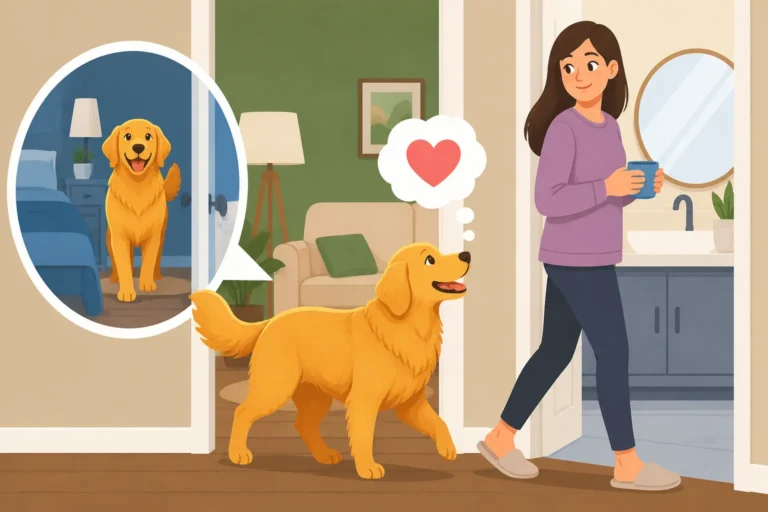
Golden Retriever shadowing behavior stems from historical breeding traits, pack instincts, and a deep need for human companionship.

Golden Retriever behavior, including room-to-room following and affection, reflects their historical breeding and deep companionship needs.

Golden Retriever empathy and uncanny ability to read human emotions stem from centuries of intentional Scottish Highlands breeding.