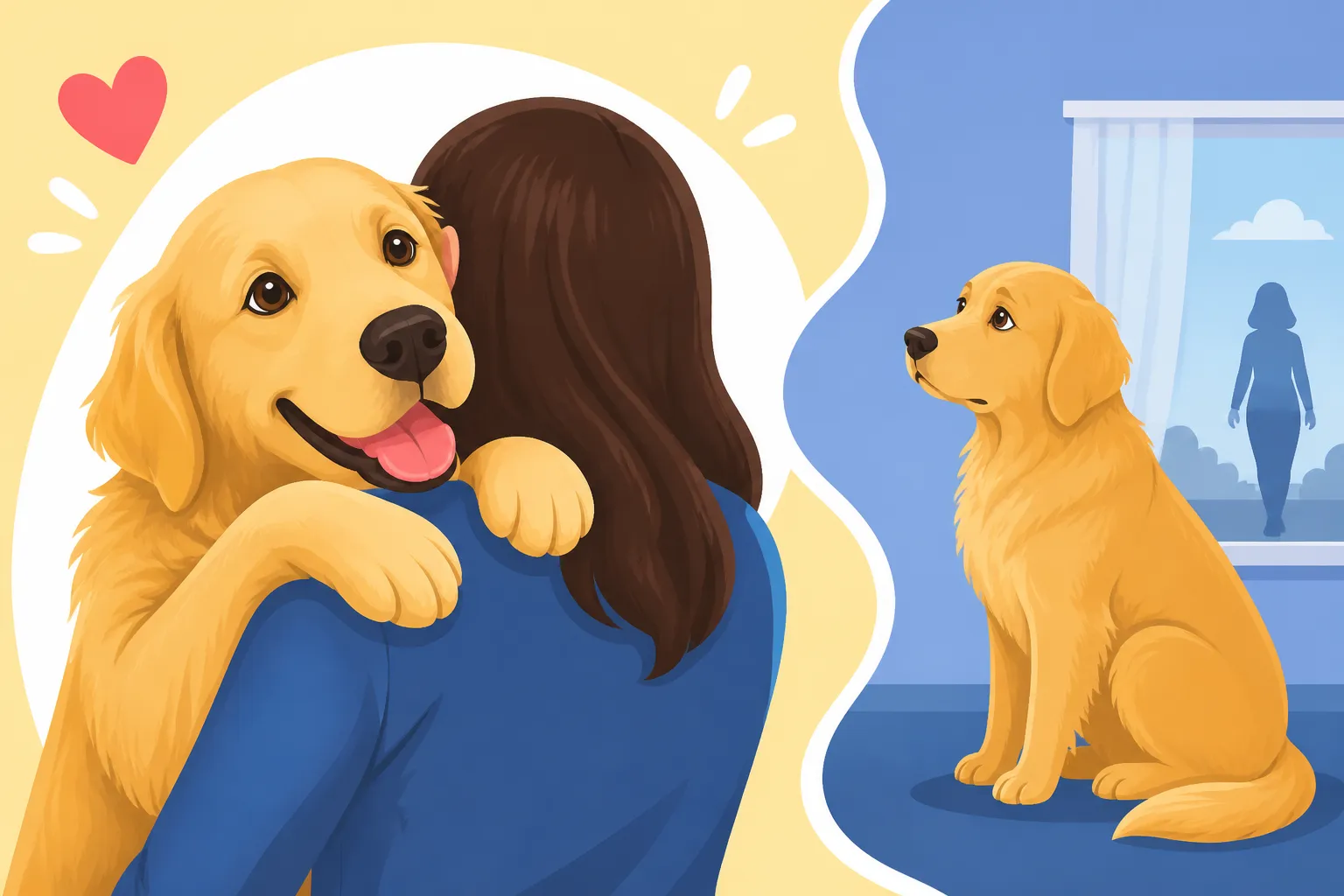
Whether Golden Retrievers Are Clingy
Many Golden Retriever owners find themselves delightfully shadowed by their furry companions, wondering if this constant companionship crosses into "clingy" territory. It's a common observation, and while Golden Retrievers are indeed renowned for their affectionate nature, it's important to understand the difference between a deeply bonded companion and a dog struggling with genuine insecurity or anxiety. This guide will delve into the Golden Retriever's innate desire for closeness, help you distinguish healthy attachment from problematic clinginess, and offer actionable advice for nurturing a well-adjusted, confident dog who cherishes your presence without being overly dependent.
Understanding the Golden Retriever's Nature: Why "Clingy" Might Not Be the Right Word
When we talk about a Golden Retriever's tendency to stick close to their human family, the word "clingy" often gets used. However, for many Goldens, it's less about neediness and more about an inherent part of their breed's charm: their profound desire for companionship and connection. These aren't aloof dogs that prefer their own company; they are deeply social creatures who thrive on being an integral part of your life.
The "Velcro Dog" Phenomenon
If you're a Golden Retriever owner, you've likely experienced the "Velcro dog" phenomenon. You walk into the kitchen, and there they are. You move to the living room, and they follow. Head to the bathroom, and a furry nose might appear under the door, or they might simply lie patiently outside. This isn't typically a sign of distress; it's simply a Golden Retriever expressing their affection and their preference to be in your orbit. They often just want to be near you, perhaps resting their head on your foot or simply occupying the same room. It's part of what makes them such wonderful family dogs, always seeking that gentle, reassuring presence of their people. They aren't looking to be entertained every second, but rather to share space and feel connected. This behavior is a testament to their loyalty and the strong bonds they form with their human companions.
Affectionate by Design, Not Needy by Default
The Golden Retriever's loving disposition isn't an accident; it's a carefully cultivated trait rooted deeply in their history and breeding. They were developed to work closely alongside humans, requiring a cooperative and biddable temperament. This meant being attentive, eager to please, and deeply connected to their handler. These characteristics translate into the wonderfully affectionate dogs we know today. While some breeds are bred for independent work, needing less direct human interaction, the Golden Retriever's purpose revolved around partnership. When they follow you from room to room or lean against you, it's often an expression of this intrinsic desire to be with their "pack leader" and participate in whatever you're doing. It's a manifestation of their general Golden Retriever Temperament and Personality, which prioritizes being a loving companion. They perceive themselves as a full member of the family unit, and being near you is their way of participating and feeling secure.
The Roots of the Golden Retriever's Affectionate Bond
To truly understand why Golden Retrievers seem so attached to their families, we need to look back at their origins. Their entire purpose was built around a close working relationship with humans, a trait that remains deeply ingrained in the breed's psyche today.
A History of Partnership and Purpose
The Golden Retriever breed traces its lineage back to the mid-19th century in the Scottish Highlands, specifically to Lord Tweedmouth's Guisachan Estate. His goal was to create a superior retriever, a dog that was not only adept at fetching game from both land and water but also possessed a calm, gentle, and highly trainable temperament. The dogs he bred, combining a yellow Flat-Coated Retriever (Nous) with a Tweed Water Spaniel (Belle), were selected for their intelligence, biddability, and eagerness to work cooperatively with their human partners. This heritage means that Goldens were literally bred to be an extension of their handler, constantly aware of their presence and eager to follow commands. Their job required them to be attentive and responsive, making a deep connection with their human essential for success in the field. This foundation is why they form such strong attachments; it's not just a personality quirk, but a genetic predisposition. Learning Where the Golden Retriever Came From helps paint a clearer picture of this bond.
The Golden's Innate Desire to Please
One of the most defining characteristics of the Golden Retriever is their almost unwavering desire to please their owners. This "eager-to-please" attitude is what makes them so trainable and responsive, and it also contributes significantly to their affectionate nature. They genuinely enjoy making you happy, and for many Goldens, simply being near you and receiving attention or praise is enough. This desire manifests in various ways: they might bring you a toy, nudge your hand for a pet, or simply lay quietly by your side, happy just to be in your presence. This isn't always active solicitation for attention; sometimes it's passive contentment. They feel a deep satisfaction from being integrated into your daily life and contributing to the household's harmony, even if that "contribution" is just providing a warm, furry presence. This natural inclination to connect and engage is a huge part of How Affectionate Golden Retrievers Are, making them such devoted companions.
Distinguishing Healthy Attachment from Problematic Clinginess
It’s completely normal and wonderful for your Golden Retriever to want to be close to you. However, there’s a crucial difference between a devoted "Velcro dog" and one whose constant need for proximity stems from anxiety or insecurity. Understanding this distinction is key to ensuring your Golden is truly happy and well-adjusted.
Normal Golden Retriever Behaviors
A securely attached Golden Retriever will certainly follow you around. They might greet you excitedly at the door, settle at your feet while you work, or even accompany you into other rooms just to lie down and observe. These are all signs of a happy, well-adjusted dog who simply enjoys being part of your life. They might nudge your hand for a pet or bring you a favorite toy, showing their affection and desire for interaction. When you leave the house, they might watch you go with a happy wag of their tail, anticipating your return, but they won't necessarily panic or engage in destructive behaviors. They'll probably settle down for a nap or play with a toy, knowing you'll be back. Their behavior is calm and confident, even when alone. In fact, if you're wondering whether Golden Retrievers follow you room to room, the answer is almost certainly yes, and it's generally a sign of their love, not a problem. They’re comfortable in their own skin, and their attachment to you is a source of joy, not stress.
When Clinginess Signals Trouble: Separation Anxiety and Insecurity
True problematic clinginess in a Golden Retriever often indicates underlying issues like separation anxiety. This is a behavioral condition where a dog experiences extreme distress when left alone. The signs are often dramatic and distressing for both the dog and the owner. Instead of calmly waiting for your return, a Golden with separation anxiety might exhibit excessive panting, drooling, pacing, barking, howling, or destructive chewing – often focused on doorways or windows where you exited. They may try desperately to prevent you from leaving, or become frantic as you prepare to depart. House soiling, even in a previously house-trained dog, can also be a symptom. This isn't just a dog who misses you; it's a dog in a state of panic. It's a significant difference from the gentle shadowing of a confident, loving companion. If you observe these severe reactions, it’s crucial to address them, as they indicate genuine distress. For more in-depth information, you can read about Separation Anxiety in Golden Retrievers.
Here’s a quick comparison to help you tell the difference:
| Behavior Trait | Healthy Attachment (The "Velcro Dog") | Problematic Clinginess (Separation Anxiety) |
|---|---|---|
| When you're home | Follows you, lies nearby, solicits gentle pets. | Anxious when you move, constantly demanding attention, panics if you go to another room. |
| When you prepare to leave | Watches calmly, might lay down or get a toy. | Paces, whines, blocks your path, pants, shakes, tries to prevent you from exiting. |
| When you're gone | Sleeps, plays with toys, chews a safe item, waits patiently. | Destructive chewing (doorways, windows), incessant barking/howling, house soiling, attempts to escape, excessive drooling. |
| Reaction to your return | Happy greeting, wags tail, brings a toy. | Overly frantic greeting, takes a long time to calm down, excessive panting/excitement. |
| Root cause | Deep bond, desire for companionship. | Fear of abandonment, lack of coping skills when alone. |
Managing and Nurturing a Golden Retriever's Need for Connection
While a Golden Retriever’s affectionate nature is one of their most endearing qualities, it’s important to foster their confidence and independence from an early age. This ensures they develop into well-rounded dogs who enjoy your company without becoming overly dependent or anxious when you’re not around.
Fostering Confidence and Independence
Building a Golden Retriever's confidence starts early. Even if your puppy seems perfectly content, you should gradually introduce them to periods of alone time. Start with very short absences – just stepping out of the room for a minute, then two, then five, and slowly increasing the duration. Make these absences positive experiences by leaving them with a high-value, long-lasting chew toy or a puzzle feeder, like those you can find on Chewy. The goal is to teach them that being alone isn't scary; it actually means good things happen. Create a comfortable, safe space for them, such as a crate or a designated bed in a quiet room, where they can relax undisturbed. Avoid making a big fuss when you leave or return; keep greetings and goodbyes calm and low-key to minimize the emotional stakes. This consistent practice is vital for Building Alone-Time Tolerance in a Golden Puppy and will help prevent clinginess from escalating into full-blown separation anxiety later on.
Providing Adequate Mental and Physical Stimulation
A bored Golden Retriever can easily become a "clingy" Golden Retriever. These intelligent and energetic dogs need more than just physical exercise; they crave mental stimulation. If they don't get enough outlets for their energy and minds, they might seek constant attention from you as a way to alleviate boredom or pent-up energy. Daily walks, runs, or games of fetch are crucial, but don't forget about brain games. Training sessions, puzzle toys (Chewy has a fantastic selection of durable options), scent work, or even just learning new tricks can be incredibly beneficial. A tired dog, both physically and mentally, is usually a calmer, more independent dog. If your Golden is constantly nudging you for attention or following you relentlessly, consider if their daily routine is meeting their needs for activity and engagement. A mentally enriched dog is less likely to develop problematic clinginess, as they have other ways to occupy themselves. For more ideas, explore Mental Enrichment for a Bored Golden Retriever.
Establishing Healthy Boundaries and Routines
While it's tempting to let your Golden Retriever be glued to your side 24/7, establishing healthy boundaries is beneficial for both of you. This doesn't mean being harsh or pushing them away; it means gently teaching them that there are times to settle in their own space. For example, encourage them to lie on their dog bed while you cook dinner, rather than underfoot. Teach them a "place" command, rewarding them for staying on their mat even when you move around. Consistent routines also provide a sense of security. Knowing when walks, meals, and playtime will occur can help reduce anxiety and the need for constant reassurance. While Goldens love being near you, they also benefit from learning to self-regulate and enjoy quiet time independently. It's about finding a balance that honors their affectionate nature while promoting their overall well-being. Understanding How Long a Golden Retriever Can Be Left Alone responsibly is part of setting these routines.
Consistent Training and Socialization
A well-trained and properly socialized Golden Retriever is typically a more confident and independent dog. Early and ongoing socialization exposes your Golden to a variety of sights, sounds, people, and other dogs in a positive way, helping them build resilience and adaptability. Puppy classes are an excellent way to start this process. Consistent training, using positive reinforcement methods, not only teaches them good manners but also strengthens your bond and builds their confidence in understanding what you expect. A dog who feels secure in their understanding of the world and their place in your family is less likely to feel anxious or overly reliant on your constant presence. Consider continuing with obedience classes even as they grow, as the mental engagement and structured interaction are invaluable. For new puppy owners, focusing on Golden Retriever Puppy Socialization Windows early on can make a world of difference in preventing future insecurity.
Disclaimer
This article is for general informational purposes only and does not constitute professional advice. Laws, prices and regulations vary by location and change over time. Consult a qualified professional for guidance on your specific situation.