Cleaning a Golden Retriever’s Floppy Ears
One common frustration many Golden Retriever owners face is the persistent challenge of keeping those beautiful, floppy ears clean and healthy. Because of their unique ear anatomy, Goldens are unfortunately prone to ear infections and irritation, which can be uncomfortable for them and a headache for us. This comprehensive guide will walk you through everything you need to know about effectively cleaning your Golden Retriever's floppy ears, from understanding why they're so susceptible to problems to a step-by-step cleaning process, ensuring your furry friend stays happy and itch-free.
Why Golden Retrievers Are Prone to Ear Problems
It's not just bad luck that your Golden seems to get ear gunk more often than other breeds; it's literally built into their design. Those adorable, long, floppy ears that frame their sweet faces are actually a bit of a design flaw when it comes to keeping the inner ear dry and aerated. Understanding this fundamental anatomical difference is the first step toward effective preventative care. It's a constant battle against moisture, warmth, and the natural accumulation of debris, all of which create a perfect storm for issues to arise.
The Anatomy of a Golden's Ear Canal
Unlike some breeds with erect ears that allow for plenty of airflow, a Golden Retriever's ear flap hangs down, covering the opening of the ear canal. This creates a warm, dark, and humid environment, which is exactly what bacteria, yeast, and ear mites love. Their ear canals also tend to be quite deep, with a distinct "L" shape. This makes it difficult for natural debris and excess wax to migrate out on its own, unlike human ears or those of dogs with more open ear structures. Think of it like a long, winding tunnel with a blanket over the entrance – not exactly ideal for ventilation.
The skin lining a dog's ear canal is also very sensitive, and when it's constantly damp or inflamed, it becomes an even more hospitable environment for microscopic invaders. This deep, moist environment can easily become a breeding ground, leading to chronic irritation if not properly managed. It's truly amazing how such a seemingly small detail can have such a profound impact on their overall ear health.
How Floppy Ears Trap Moisture and Debris
Beyond the lack of airflow, the floppy nature of a Golden's ears means they're constantly trapping things. Dust, dirt, grass seeds, and even just plain old water from a bath or swim can easily get caught inside the ear canal and stay there. When your Golden enjoys a good romp in the park, all sorts of environmental particles can hitch a ride into those protected ear canals. And let's be honest, Goldens love to swim! Whether it's the lake, the ocean, or even just their water bowl, getting water in their ears is almost inevitable. This trapped moisture, combined with the warmth, softens the skin and ear wax, making it much easier for bacteria and yeast to multiply.
Over time, this trapped moisture and debris can lead to a buildup of ear wax that hardens and blocks the canal even further. This isn't just uncomfortable; it also makes it harder for you to clean the ear effectively and for any natural drainage to occur. It's a vicious cycle that, if left unchecked, almost always leads to problems. This is a common reason why you might find yourself dealing with Ear Infections in Floppy-Eared Goldens.
Common Ear Issues Stemming from Lack of Cleaning
When the ear's delicate ecosystem is thrown out of balance, a host of problems can emerge. The most common culprit is an ear infection, often caused by an overgrowth of yeast or bacteria that thrive in the warm, moist conditions. These infections can be incredibly painful for your dog, causing intense itching and inflammation. Beyond infections, Goldens can also be susceptible to ear mites, though these are more common in puppies or dogs exposed to other infected animals.
Allergies, whether environmental or food-related, can also manifest as chronic ear problems. If your Golden is constantly scratching their ears, even after a good cleaning, it might not be just dirt or wax. Inflamed, itchy ears can be a primary symptom of underlying allergies, making them more prone to secondary infections because the ear canal is already compromised. We talk more about these broader issues in Golden Retriever Skin, Ear and Allergy Problems. These issues can escalate quickly, leading to chronic discomfort and even more serious health concerns if not addressed promptly and properly.
Recognizing the Signs Your Golden's Ears Need Attention
Your Golden Retriever can't tell you in words that their ears are bothering them, so it's up to us, as their dedicated caregivers, to learn their subtle cues. Being observant and proactive is key to catching ear problems early, before they become full-blown, painful infections. Sometimes, the signs are obvious, but other times, they're easy to miss if you're not specifically looking for them.
Visual Cues of Ear Trouble
The first thing you should do when you suspect an ear issue is a quick visual inspection. Gently lift your Golden's ear flap and take a good look inside. What are you seeing? Healthy ear canals should be a pale pink, clean, and free of strong odor or excessive discharge. If you notice redness, swelling, or crusting around the ear opening or inside the canal, that's a red flag. Pay attention to any dark, waxy buildup that looks different from their normal, light brown ear wax. Black or yellowish discharge can indicate an infection, as can a thick, pus-like substance. Sometimes, you might even see small scratches or sores from your dog vigorously scratching themselves, which can develop into Golden Retriever Hot Spots and What Causes Them.
Don't forget to compare one ear to the other. If one ear looks significantly redder, more inflamed, or has more discharge than the other, it's a strong indicator that something is amiss. Consistent checks are part of being a responsible Golden owner, allowing you to establish a baseline for what "normal" looks like for your dog.
Behavioral Indicators of Discomfort
Your Golden's behavior will often be the most telling sign that their ears are bothering them. Is your usually calm dog incessantly scratching at their ears with a back paw, sometimes even waking themselves up from a nap to do so? Are they shaking their head repeatedly, as if trying to dislodge something? You might also notice them rubbing their head along furniture, the carpet, or even against your leg, seeking relief from the itch. This isn't just cute; it's a desperate attempt to alleviate discomfort.
Another subtle behavioral cue can be a change in their general demeanor. Dogs in pain often become a bit withdrawn, less enthusiastic about play, or even a little grumpy. If your Golden flinches, whines, or pulls away when you try to touch their head or ears, that's a definite sign of pain or sensitivity. Even changes in their eating habits or how they settle down to sleep can indicate discomfort stemming from an ear issue.
The "Sniff Test" and Other Sensory Clues
Sometimes, your nose knows before your eyes do. A healthy dog's ears should have a very faint, almost neutral smell. If you pick up a strong, yeasty, or foul odor when you lift your Golden's ear flap, that's a pretty clear indicator of an infection. Yeast infections, in particular, often have a distinct, somewhat sweet or bread-like smell, while bacterial infections can smell more pungent or even putrid. Don't be shy about getting a good sniff!
Beyond smell, use your sense of touch. Gently feel the outside of your Golden's ear flap and around the base of the ear. Does it feel unusually warm to the touch? Is there any swelling or tenderness when you lightly press the area? These are all signs of inflammation deep within the ear canal. If your dog reacts negatively to your touch, it confirms their discomfort. Combining these sensory observations with visual and behavioral cues will give you a comprehensive picture of your Golden's ear health.
Gathering Your Ear Cleaning Supplies
Before you embark on the ear cleaning adventure, it's crucial to have all your supplies ready and within reach. Fumbling around for items in the middle of the process can make an already slightly uncomfortable situation more stressful for your Golden. Being prepared ensures a smooth, quick, and positive experience for both of you. Think of it like setting up your operating room, only with more treats.
Essential Cleaning Tools
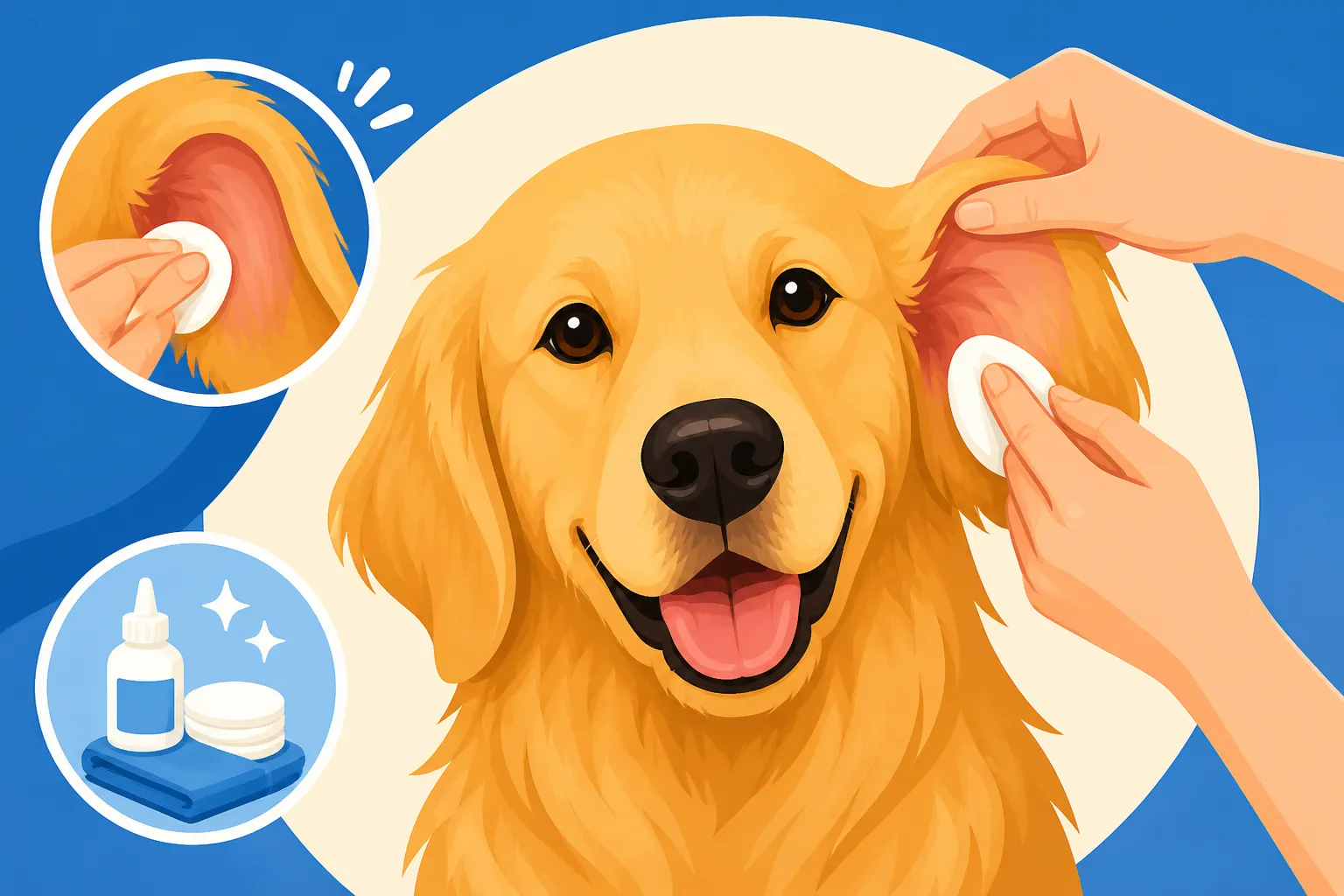
You'll need a few basic items to get the job done right. First and foremost, you'll need plenty of cotton balls or gauze pads. Avoid Q-tips (cotton swabs) as they can push debris further into the ear canal and potentially damage the eardrum. For larger dogs like Goldens, cotton balls work well for soaking up solution and wiping, while gauze pads can offer a bit more surface area and grip. Some owners find that wrapping a piece of gauze around their finger works best for reaching into the outer folds.
You might also consider having a pair of hemostats on hand if your vet has shown you how to use them. These are typically used by groomers or experienced owners to gently pull out excess hair from the ear canal, as thick ear hair can also contribute to trapping moisture and debris. However, this is an advanced technique and should only be done if you've been explicitly instructed and demonstrated by a veterinarian or professional groomer. Otherwise, stick to surface cleaning. Finally, keep a towel nearby for any spills and for wiping away excess solution.
Choosing the Right Ear Cleaning Solution
This is perhaps the most critical component. Do NOT use water, hydrogen peroxide, or alcohol to clean your Golden's ears. These can be irritating, too drying, or simply ineffective. You need a veterinary-approved ear cleaning solution designed specifically for dogs. Many excellent options are available from brands you can find at pet stores or online retailers like Chewy or Amazon. Look for solutions that are gentle, pH-balanced, and contain ingredients that help break down wax, dry the ear canal, and have mild antiseptic properties. Ingredients like salicylic acid, lactic acid, or witch hazel are often found in good quality cleansers.
If your Golden is prone to yeast infections, your vet might recommend a specific antifungal ear cleaner. For regular maintenance, a general, gentle cleanser is usually sufficient. It's always best to consult your veterinarian for a recommendation, especially if your dog has a history of ear problems. They can suggest the most appropriate product for your Golden's specific needs. We discuss this more in Ear Cleaner Safe for a Golden Retriever.
Creating a Calm and Safe Environment
Golden Retrievers, while generally tolerant, can be sensitive, and having their ears handled might not be their favorite activity. Creating a positive and calm environment is paramount. Choose a time when your dog is relaxed, perhaps after a long walk or a quiet cuddle session. Have a high-value treat ready – something truly special they don't get often, like a bit of cooked chicken or cheese. This helps build positive associations with the ear cleaning process.
Find a comfortable spot where you can easily reach your dog's ears without having to wrestle them. A bathroom floor, a raised grooming table (if you have one), or even just sitting on the floor with your Golden between your legs can work. Make sure the area is well-lit so you can see what you're doing. If your Golden is a puppy, start early with gentle ear handling and make it a fun experience with lots of praise and treats, as described in Golden Retriever Puppy First Night Home practices. This early positive exposure will pay dividends as they grow.
Step-by-Step Guide to Cleaning Your Golden's Ears
Now that you have all your supplies and your Golden is in a relaxed state, it's time to tackle the actual cleaning. This isn't a race; take your time, be gentle, and remember that positive reinforcement is your best friend. Consistency and patience will make this a routine your Golden learns to accept, or at least tolerate, without too much fuss.
Preparing Your Golden and the Area
Start by praising your Golden and offering them a small, high-value treat. This sets a positive tone. Have your supplies laid out on a clean towel where you can easily reach them. Position your Golden so they are comfortable but you have good access to their head. For many Goldens, sitting or lying down with their head in your lap works well. If you have a second person, they can gently hold your dog and provide distractions with treats.
Gently lift one ear flap to expose the inner ear canal. Take a moment to visually inspect it again before you start, noting any redness, discharge, or debris. This pre-check helps you understand what you're working with and if there are any areas that need extra attention or warrant a vet visit if you haven't done one already. Your dog will likely shift and try to shake their head, especially once the liquid is in, so be prepared to gently but firmly hold their head.
Applying the Cleaning Solution
Hold the bottle of ear cleaner firmly. With one hand, gently hold your Golden's ear flap straight up to expose the ear canal as much as possible. Now, carefully insert the tip of the ear cleaner bottle into the ear canal. Don't push it too far down, just enough so the liquid can flow in. Squeeze the bottle to generously fill the ear canal with the cleaning solution. You want to hear a squishing sound as the liquid goes in. Don't worry about using too much; the excess will simply come out.
Once the solution is in, immediately remove the bottle and gently massage the base of your Golden's ear for about 20-30 seconds. You should hear that satisfying squishing sound again, indicating the solution is working its way down the canal and breaking up wax and debris. This massaging action is crucial for dislodging all that trapped gunk. Your Golden will likely try to shake their head vigorously at this point, which is perfectly normal and actually helpful for getting the solution and loosened debris out. Stand clear when they shake, or have a towel ready to catch the spray!
Wiping Away Debris
After your Golden has had a good shake, it's time to wipe. Take a clean cotton ball or gauze pad and gently wipe the visible parts of the ear canal and the inner side of the ear flap. You'll likely see a lot of brown or yellowish debris come out – this is normal and means the cleaning solution is doing its job. Continue wiping with fresh cotton balls until no more visible debris comes out.
Remember, you should only clean as far as your finger can comfortably reach into the ear canal. Do not try to probe deep into the ear with cotton swabs or anything else. You risk damaging the eardrum or pushing debris further in. The solution itself does most of the work by dissolving the wax, and your dog's head shaking helps expel it. If you're consistently seeing a large amount of dark, persistent discharge, or if the ear is still very red and inflamed, it's time to call your vet.
Here's a quick comparison of ear cleaning tools:
| Tool | Purpose | Pros | Cons |
|---|---|---|---|
| Cotton Balls | Applying solution, wiping outer ear, soaking | Soft, absorbent, disposable | Can leave fibers if cheap |
| Gauze Pads | Wiping outer ear, more abrasive for stubborn gunk | Good for scrubbing, stronger than cotton | Can be too abrasive if not used gently |
| Ear Cleaner (Vet-approved) | Dissolves wax, antiseptic, dries canal | Effective, safe formulation for dogs | Wrong solution can cause irritation |
| Clean Towel | Protecting surfaces, drying ear flap | Multi-purpose, prevents mess | None |
| Hemostats (Vet-supervised only) | Plucking excessive ear hair | Can improve airflow | Risk of injury if not trained, not for debris |
| Q-Tips (Cotton Swabs) | Avoid for inner ear, only for outer folds | Precise for tiny creases | Pushes debris deeper, can damage eardrum |
Rewarding and Post-Cleaning Care
Once you've finished cleaning both ears and they look as clean as you can get them, it's time for the ultimate reward! Give your Golden plenty of praise, cuddles, and that special treat you had waiting. This reinforces the positive association and helps them understand that ear cleaning, while perhaps not their favorite activity, always ends with good things. Making it a positive experience will make future cleanings much easier.
After cleaning, keep an eye on your Golden's ears over the next day or two. There might be some residual shaking as any remaining solution or debris works its way out. If you notice persistent redness, increased scratching, a strong odor returning quickly, or any signs of pain, it's time to contact your veterinarian. Sometimes, an underlying infection is present that requires medication, and no amount of cleaning alone will resolve it. Remember, cleaning is preventative and maintenance; it's not a cure for an active infection.
How Often Should You Clean Your Golden's Ears?
Determining the ideal frequency for ear cleaning is less about a rigid schedule and more about understanding your individual Golden Retriever's needs and lifestyle. Every dog is a little different, and what works for one might be too much or too little for another. It's a balance between preventing problems and not over-irritating the delicate ear canal.
General Guidelines for Routine Cleaning
For most Golden Retrievers without any specific ear problems, a routine ear cleaning every 2-4 weeks is a good starting point. This schedule helps prevent excessive wax buildup and keeps the ear canal free of debris before issues can arise. Think of it as preventative maintenance, much like regular grooming or brushing their teeth. It's about staying ahead of the game.
However, some Goldens may naturally produce more wax or simply have particularly deep ear canals, necessitating more frequent attention. On the other hand, if your Golden has very clean, odorless ears on a 4-week schedule, you might be able to stretch it out a bit. The key is to establish a baseline through regular checks and adjust accordingly. We have a whole article dedicated to How Often a Golden Retriever Needs Nails Trimmed, and while different, the principle of routine care is the same.
Adjusting Frequency Based on Activity and Environment
Your Golden's lifestyle plays a huge role in how often their ears might need cleaning. If your Golden is a water dog, regularly swimming in lakes, ponds, or even just your backyard pool, their ears will need more frequent attention. Water trapped in the ear canal is a prime breeding ground for bacteria and yeast. After every swim, or at least daily during swimming seasons, you should be doing a quick check and potentially a light cleaning, and definitely focusing on thorough drying. You can find more targeted advice on this in Drying a Golden Retriever's Ears After Swimming.
Similarly, Goldens who spend a lot of time outdoors, running through tall grass, rolling in dirt, or playing in dusty environments, might pick up more debris in their ears. Environmental allergens can also contribute to ear irritation, prompting more wax production or inflammation. If your Golden has known allergies, their ears might need more frequent cleaning during peak allergy seasons. Conversely, a Golden who lives a mostly indoor life with minimal exposure to water and dirt might tolerate a less frequent cleaning schedule.
When to Seek Veterinary Intervention
Despite your best efforts with routine cleaning, there will be times when your Golden's ear problems warrant a trip to the veterinarian. As mentioned before, if you notice persistent redness, swelling, intense itching, a foul odor that doesn't improve with cleaning, or any sign of pain, do not delay. These are all signs of a potential infection that requires professional diagnosis and treatment. Delaying a vet visit can lead to more severe infections, chronic discomfort for your dog, and more complicated, expensive treatments down the road.
A vet can properly examine the ear canal using an otoscope, identify the type of infection (bacterial, yeast, mites), and prescribe the appropriate medication, whether it's topical drops or oral antibiotics. They can also rule out foreign objects, polyps, or other underlying conditions. Never try to self-diagnose or treat a suspected ear infection with home remedies, as you could worsen the problem or cause further irritation. Regular vet checks, even without obvious symptoms, are also beneficial for catching subtle issues early, which we discuss in Why Goldens Need Vet Visits Twice a Year. When in doubt, always err on the side of caution and consult your vet – it's always worth it for your Golden's comfort and health.
Preventing Future Ear Problems
An ounce of prevention is truly worth a pound of cure, especially when it comes to your Golden Retriever's ears. Establishing good habits and being proactive can significantly reduce the frequency and severity of ear issues, saving your dog discomfort and you potential vet bills. It's about creating an environment that discourages the growth of unwanted pathogens.
Post-Swim Drying Techniques
Golden Retrievers love water, and it's fantastic exercise for them, but it also means their ears are constantly exposed to moisture. After any swimming session, whether in a pool, lake, or even just a splash pad, thorough ear drying is non-negotiable. Don't just rely on them shaking their head; that only gets rid of surface water. Gently lift each ear flap and use a soft, absorbent towel or a cotton ball to carefully wipe out as much moisture as you can from the outer ear canal and the underside of the flap.
Some owners also find it helpful to use a veterinarian-approved ear drying solution after swimming. These solutions are formulated to help evaporate moisture without causing irritation. Products available on platforms like Chewy or Amazon can often include these specific formulas. Just like a regular cleaner, apply a few drops and gently massage the base of the ear. This extra step can make a huge difference in preventing moisture-related infections. Remember, a damp, warm ear is an invitation for trouble.
Dietary Considerations and Allergies
You might not immediately connect what your Golden eats with their ear health, but diet plays a significant role, especially if allergies are at play. Food allergies often manifest as skin and ear problems, causing chronic itching, redness, and inflammation in the ears, which then makes them more susceptible to secondary infections. If your Golden experiences recurrent ear infections despite diligent cleaning, it's worth exploring if a food allergy is the culprit. We explore this topic more deeply in Golden Retriever Food and Skin Allergies.
Working with your vet to conduct an elimination diet can help identify potential food triggers. Switching to a limited ingredient diet or a novel protein diet might be recommended. Quality nutrition is fundamental to overall health, including skin and ear health. While brands like Ollie offer fresh food options, the key is to choose a diet that works for your dog's specific sensitivities, whether it's a specialty kibble or a fresh food plan. Ensuring your Golden receives a balanced diet with good quality protein and omega fatty acids can also support healthy skin and a strong immune system, making them less prone to inflammatory responses.
Regular Vet Checks and Proactive Care
Even with the most meticulous home care, regular veterinary check-ups are essential for maintaining your Golden's ear health. Your vet can spot subtle signs of trouble that you might miss and can perform a thorough examination of the ear canal with an otoscope to ensure everything looks healthy deep inside. These routine visits are an opportunity to discuss any concerns you have, get professional advice on cleaning techniques, and ensure you're using the most appropriate products.
Your vet can also check for excessive ear hair, foreign bodies, or other anatomical issues that predispose your Golden to ear problems. They can recommend professional ear plucking if needed or advise on other preventative measures. Being proactive means not waiting until a problem escalates. Early detection and intervention by a professional are often much simpler and less costly than treating a chronic or severe infection. Considering the Vet Costs for a Golden Retriever Ear Infection can quickly add up, preventative care is truly the smart choice for both your Golden's well-being and your wallet.
Disclaimer
This article is for general informational purposes only and does not constitute professional advice. Laws, prices and regulations vary by location and change over time. Consult a qualified professional for guidance on your specific situation.